




Ben Greenfield has emerged as one of the most influential voices in the biohacking and performance optimization community, and his extensive work with peptide therapy has set benchmarks for athletes, health enthusiasts, and longevity seekers worldwide. As a human performance consultant, author, and podcast host, Greenfield has publicly shared his experiences with various peptide protocols, offering transparency about what works, potential risks, and how to maximize benefits. Understanding ben greenfield peptides provides valuable insights into advanced performance strategies that can be applied safely and effectively under proper guidance.
Understanding Peptides in Performance Enhancement
Peptides are short chains of amino acids that serve as signaling molecules in the body, influencing everything from hormone production to tissue repair. Unlike traditional supplements, peptides work at a cellular level to optimize specific biological processes.
What Makes Peptides Unique
The molecular structure of peptides allows them to trigger precise physiological responses without the broader systemic effects of many pharmaceutical interventions. This specificity makes them attractive for targeted health goals.
Key characteristics of therapeutic peptides include:
- Highly specific receptor binding for targeted effects
- Natural degradation pathways that minimize accumulation
- Ability to cross cellular membranes efficiently
- Compatibility with the body's existing signaling systems
The growing interest in peptide therapy reflects a shift toward precision health interventions. Research published in scientific literature demonstrates that peptides play significant roles in nutrition and metabolic health, supporting their use in comprehensive wellness protocols.

Ben Greenfield's Approach to Peptide Therapy
Ben greenfield peptides protocols emphasize strategic stacking, cycling, and personalization based on individual health markers and performance goals. His methodology combines scientific research with practical self-experimentation, creating frameworks that others can adapt to their circumstances.
Core Principles of Greenfield's Peptide Use
Greenfield advocates for comprehensive health monitoring before, during, and after peptide cycles. This includes regular blood work, biomarker tracking, and subjective assessment of physical and cognitive performance.
| Principle | Application | Benefit |
|---|---|---|
| Stacking | Combining complementary peptides | Synergistic effects for complex goals |
| Cycling | Planned on/off periods | Maintains receptor sensitivity |
| Dosing precision | Exact measurements and timing | Optimizes efficacy and safety |
| Quality sourcing | Verified purity standards | Reduces contamination risks |
His transparency about peptide use extends to discussing both successes and challenges. In various podcast appearances, including discussions about testosterone and peptide stacks, Greenfield has addressed the realities of obtaining and using these compounds responsibly.
The biohacking community has taken notice of these protocols. Analysis of elite biohacker peptide strategies reveals consistent patterns in how top performers structure their supplementation.
Popular Peptides in Greenfield's Protocol Arsenal
The specific peptides featured in ben greenfield peptides recommendations vary based on the intended outcome. Understanding each category helps individuals make informed decisions about which compounds align with their goals.
Growth Hormone Optimization
Growth hormone-releasing peptides represent a cornerstone of many performance enhancement protocols. These compounds stimulate the pituitary gland to produce natural growth hormone rather than introducing synthetic versions.
Common growth hormone peptides include:
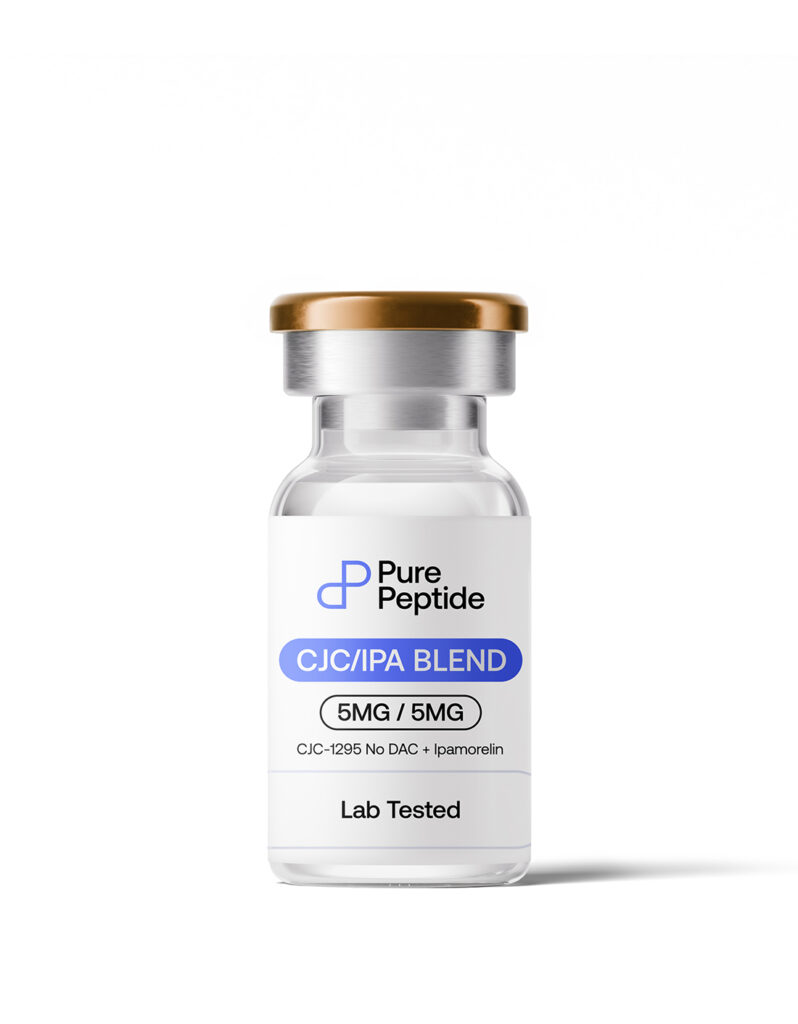
- CJC-1295 for sustained growth hormone elevation
- Ipamorelin for targeted pulses without cortisol spikes
- Tesamorelin for metabolic benefits and body composition
- Sermorelin for anti-aging and recovery support
Those interested in muscle growth peptides can find various options that support lean tissue development through natural hormone optimization.
Recovery and Repair Compounds
Athletic performance demands exceptional recovery capacity. Ben greenfield peptides for recovery focus on accelerating tissue repair, reducing inflammation, and improving sleep quality.
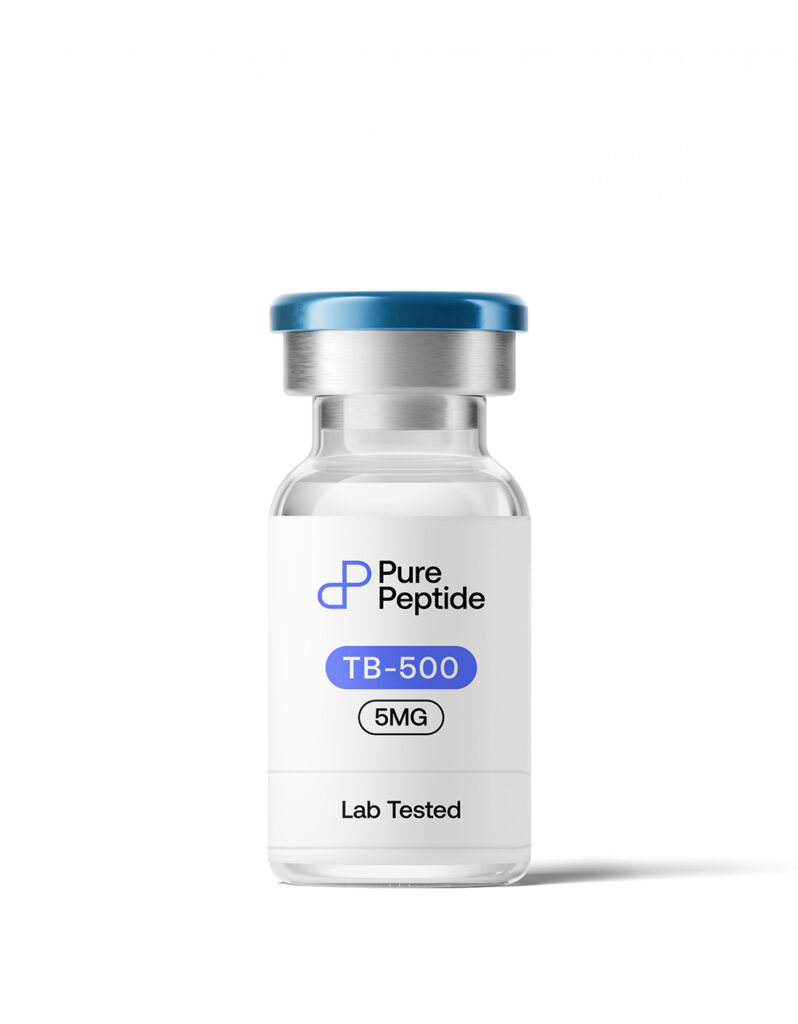
BPC-157 stands out for its tissue healing properties, particularly for connective tissue and gastrointestinal health. TB-500 complements this with systemic anti-inflammatory effects and enhanced cellular migration to injury sites.

Anti-Aging and Longevity Applications
The anti-aging category encompasses peptides that address cellular senescence, oxidative stress, and age-related hormone decline. In detailed discussions about anti-aging and recovery peptides, Greenfield has outlined how these compounds fit into comprehensive longevity strategies.
Epithalon affects telomere length and pineal gland function, potentially influencing biological aging markers. Thymosin Alpha-1 supports immune function, which naturally declines with age.
| Peptide | Primary Benefit | Typical Protocol Duration |
|---|---|---|
| Epithalon | Telomere support | 10-20 days annually |
| Thymosin Alpha-1 | Immune optimization | 3-6 months |
| GHK-Cu | Skin and tissue renewal | Ongoing topical/injection |
| MOTS-c | Mitochondrial function | 2-4 week cycles |
For those seeking anti-aging solutions, understanding how these peptides work in concert creates more effective intervention strategies.
Implementing Peptide Protocols Safely
Safety represents the foundation of any effective peptide protocol. Ben greenfield peptides guidance consistently emphasizes working with knowledgeable healthcare providers and obtaining compounds from verified sources.
Quality and Purity Considerations
The peptide market includes varying quality levels, making source verification essential. Third-party testing, certificates of analysis, and transparent manufacturing processes distinguish premium suppliers from questionable vendors.
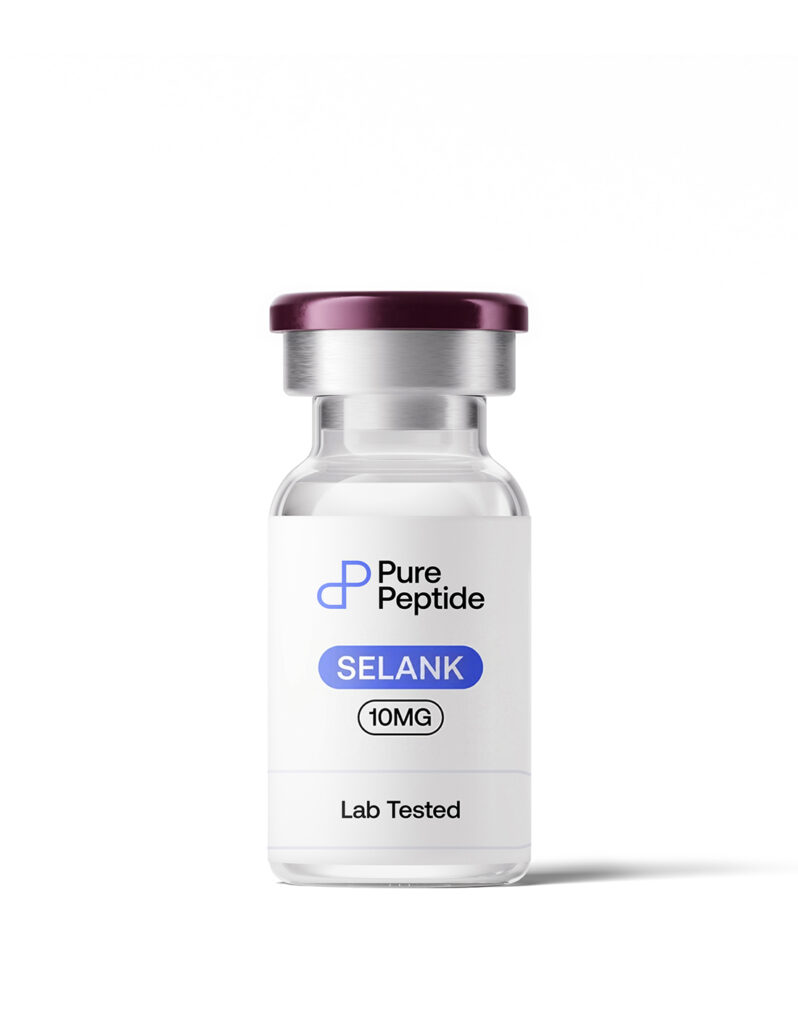
Pure Peptide maintains strict quality control standards through advanced purification methods, ensuring each batch meets purity specifications before reaching customers.
Essential quality markers include:
- Certificate of Analysis from independent laboratories
- Purity percentages above 98% for most peptides
- Proper storage conditions during shipping and handling
- Clear reconstitution and dosing instructions
- Absence of bacterial endotoxins and contaminants
Dosing and Administration Protocols
Precision in dosing separates successful peptide use from disappointing results or adverse effects. Ben greenfield peptides recommendations typically involve subcutaneous injection for optimal bioavailability, though some peptides offer alternative administration routes.
Timing matters significantly. Growth hormone-releasing peptides work best on an empty stomach, while recovery peptides might be dosed post-workout or before sleep depending on specific goals.
Stacking Strategies for Synergistic Effects
Advanced users often combine multiple peptides to address several objectives simultaneously. Understanding how different compounds interact prevents contradictory effects while maximizing benefits.
Performance Enhancement Stacks
Athletes seeking comprehensive performance improvements might combine growth hormone peptides with recovery compounds and metabolic enhancers. A typical performance stack could include:
- Morning: CJC-1295 with Ipamorelin for growth hormone optimization
- Post-workout: BPC-157 and TB-500 for tissue repair
- Evening: Epithalon or thymosin for recovery and immune support
This approach addresses muscle growth, recovery capacity, and long-term health maintenance within a single protocol.
Body Composition and Metabolic Stacks
For those focused on weight loss or body recomposition, ben greenfield peptides strategies might emphasize metabolic enhancement and muscle preservation during caloric restriction.
Tesamorelin specifically targets visceral adipose tissue, while growth hormone-releasing peptides help maintain lean mass during fat loss phases. MOTS-c supports mitochondrial efficiency, potentially improving energy utilization.

Monitoring Progress and Adjusting Protocols
Successful peptide use requires ongoing assessment and protocol refinement. Ben greenfield peptides methodology includes regular biomarker tracking to validate effectiveness and identify necessary adjustments.
Key Biomarkers to Track
Blood work provides objective data about how peptides affect physiological systems. IGF-1 levels indicate growth hormone pathway activation, while inflammatory markers like C-reactive protein reveal recovery status.
| Biomarker | What It Reveals | Testing Frequency |
|---|---|---|
| IGF-1 | Growth hormone activity | Every 3-4 months |
| Testosterone/Free T | Hormonal balance | Every 3-6 months |
| hsCRP | Systemic inflammation | Every 3-6 months |
| Complete Blood Count | Overall health status | Every 6 months |
| Comprehensive Metabolic Panel | Organ function | Every 6 months |
Subjective Assessment Methods
Beyond laboratory values, tracking sleep quality, recovery time between workouts, body composition changes, and cognitive performance provides practical feedback about protocol effectiveness.
Many users maintain detailed logs noting peptide doses, administration timing, workout performance, sleep duration and quality, and subjective well-being ratings. This data helps identify patterns and optimize future cycles.
Navigating the Legal and Ethical Landscape
The regulatory status of peptides varies by country and intended use. Ben greenfield peptides discussions often address the complexity of obtaining these compounds legally and ethically.
Research vs. Clinical Use
Many peptides exist in a regulatory gray area, approved for research purposes but not specifically for human therapeutic use outside clinical trials. This distinction creates challenges for individuals seeking legitimate access.
Working with healthcare providers familiar with peptide therapy helps navigate these complexities while maintaining legal and ethical standards. Compounding pharmacies with proper credentials offer another legitimate source for certain peptides when prescribed appropriately.
Quality Concerns in the Marketplace
The demand for peptides has attracted both reputable suppliers and questionable operators. Counterfeit products, mislabeled compounds, and contaminated preparations pose real risks to users.
Ben Greenfield has emphasized the importance of source verification in multiple formats, including detailed guides on everything you need to know about peptides that cover safe acquisition practices.
Beyond Peptides: Holistic Performance Optimization
While peptides offer powerful tools for enhancement, ben greenfield peptides protocols exist within broader lifestyle optimization frameworks. Nutrition, sleep, stress management, and exercise programming create the foundation upon which peptides build additional benefits.
Integration with Diet and Exercise
Peptides amplify the results of proper training and nutrition rather than replacing these fundamentals. Growth hormone-releasing peptides produce minimal benefits without adequate protein intake and progressive resistance training.
In interviews about his approach, including discussions on carnivore diet and peptide use, Greenfield demonstrates how dietary strategies complement peptide protocols for comprehensive health optimization.
Supporting lifestyle factors include:
- High-quality sleep (7-9 hours nightly)
- Adequate protein intake (1.6-2.2g per kg bodyweight)
- Progressive resistance training (3-5 sessions weekly)
- Stress management practices (meditation, breathwork)
- Strategic supplementation beyond peptides
The Role of Emerging Technologies
Biohacking extends beyond peptides into photobiomodulation, cold thermogenesis, hyperbaric oxygen therapy, and other advanced interventions. Ben greenfield peptides represent one component of a multi-faceted approach to human optimization.
Combining peptides with technologies like red light therapy or pulsed electromagnetic field devices may create synergistic effects, though research in these combinations remains limited.
Common Challenges and Solutions
Even well-designed peptide protocols encounter obstacles. Understanding common challenges prepares users to address them effectively rather than abandoning beneficial interventions prematurely.
Managing Side Effects
Most peptides produce minimal side effects when dosed appropriately, but individual responses vary. Water retention, injection site reactions, and temporary fatigue represent the most common complaints.
Adjusting dosing schedules, reducing individual doses while increasing frequency, or cycling off specific compounds typically resolves these issues. Persistent problems warrant consultation with healthcare providers familiar with peptide therapy.
Cost Considerations
Quality peptides represent a significant investment. A comprehensive protocol might cost several hundred dollars monthly, creating barriers for many interested individuals.
Prioritizing specific goals helps focus budgets on the most impactful compounds. Those interested in exploring available options can review the peptide shop to understand pricing and product selection.
Future Directions in Peptide Therapy
The field of peptide therapeutics continues evolving rapidly. New compounds enter research pipelines regularly, while existing peptides find novel applications through creative stacking and protocol design.
Emerging Research Areas
Scientists are investigating peptides for cognitive enhancement, metabolic disease treatment, and even aesthetic applications. The skincare industry has embraced peptides enthusiastically, as evidenced by the popularity of peptide serums for skin health.
Mitochondrial-targeting peptides, senolytic compounds, and peptide-drug conjugates represent frontier areas with significant potential for health optimization and disease prevention.
Personalization Through Genetic Testing
As genetic testing becomes more accessible, tailoring peptide protocols to individual genetic profiles may optimize results. Understanding how specific genetic variants affect growth hormone receptors, metabolic pathways, or inflammatory responses could guide compound selection and dosing strategies.
Ben greenfield peptides protocols may increasingly incorporate genetic data, moving from generalized recommendations toward truly personalized interventions based on individual biological profiles.
The insights from ben greenfield peptides protocols demonstrate how strategic peptide use can enhance performance, accelerate recovery, and support longevity goals when implemented thoughtfully. These advanced interventions require quality compounds, proper guidance, and commitment to monitoring progress. Pure Peptide provides access to premium quality peptides backed by rigorous purity standards and comprehensive testing, supporting your journey toward optimized health and performance with compounds you can trust.