


The world of peptide research continues to reveal compounds with remarkable therapeutic potential, and CNP peptide stands as one of the most intriguing members of the natriuretic peptide family. Also known as C-type natriuretic peptide, this molecule plays essential roles in cardiovascular function, skeletal growth, and cellular regulation. Unlike its counterparts in the natriuretic peptide system, CNP operates primarily at the local tissue level, making it a unique target for therapeutic applications. Understanding its mechanisms and benefits provides valuable insights for those exploring peptide-based wellness solutions.
Understanding CNP Peptide and Its Biological Functions
CNP peptide belongs to the natriuretic peptide family, which includes atrial natriuretic peptide (ANP) and brain natriuretic peptide (BNP). The NPPC gene encodes this peptide, producing a compound that differs significantly from its relatives in distribution and function.
While ANP and BNP primarily circulate systemically to regulate blood pressure and fluid balance, CNP operates as a local paracrine and autocrine mediator. This means it acts directly on nearby cells rather than traveling throughout the bloodstream to distant targets.
Molecular Structure and Mechanism
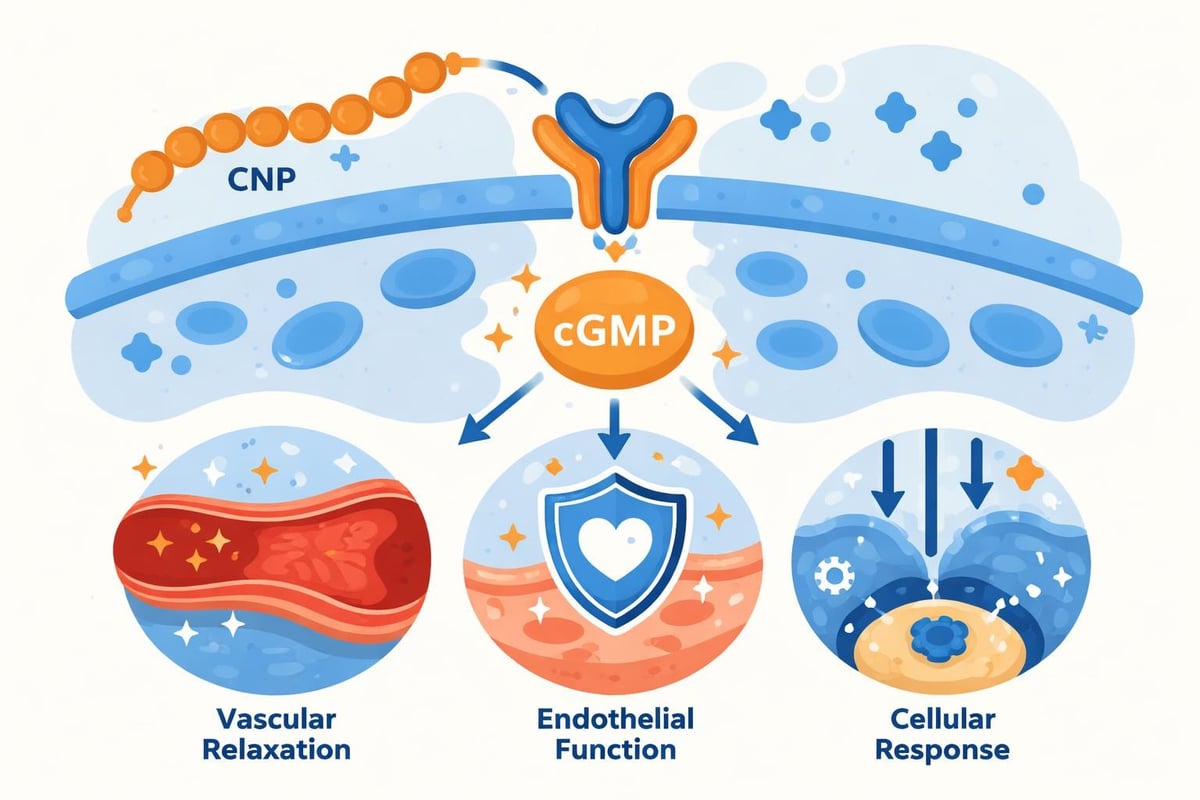
The peptide consists of 22 amino acids in its active form and binds primarily to natriuretic peptide receptor B (NPR-B). When CNP activates this receptor, it triggers the production of cyclic guanosine monophosphate (cGMP), a critical secondary messenger that mediates numerous cellular responses.
This signaling cascade influences:
- Vascular smooth muscle relaxation leading to improved blood flow
- Endothelial cell function supporting vascular health
- Chondrocyte proliferation promoting skeletal growth
- Anti-fibrotic effects reducing excessive tissue scarring
- Neuroprotective mechanisms supporting brain health
The specificity of CNP for NPR-B distinguishes it from other natriuretic peptides and contributes to its unique physiological profile.
Cardiovascular Benefits of CNP Peptide
Research into CNP peptide has revealed substantial cardiovascular benefits, establishing it as the endothelial component of the natriuretic peptide system. The endothelium, the inner lining of blood vessels, produces CNP locally to regulate vascular tone and protect against cardiovascular disease.
Vascular Function and Blood Pressure Regulation
CNP peptide promotes vasodilation through multiple mechanisms. By increasing cGMP levels in vascular smooth muscle cells, it reduces vascular resistance and improves blood flow. This effect occurs without significantly affecting systemic blood pressure, making CNP a gentler regulator compared to other vasodilators.
Studies examining cardiovascular roles of CNP demonstrate its protective effects against hypertension, atherosclerosis, and vascular remodeling. The peptide inhibits proliferation of smooth muscle cells, preventing the thickening of vessel walls that characterizes many cardiovascular conditions.
| Cardiovascular Effect | Mechanism | Clinical Significance |
|---|---|---|
| Vasodilation | cGMP-mediated smooth muscle relaxation | Improved blood flow |
| Anti-proliferative | Inhibition of smooth muscle cell growth | Prevention of vessel wall thickening |
| Anti-inflammatory | Reduction of inflammatory markers | Protection against atherosclerosis |
| Endothelial protection | Enhanced nitric oxide signaling | Improved vascular health |
Heart Failure and Therapeutic Applications
The development of Cenderitide, a designer natriuretic peptide based on CNP, highlights the therapeutic potential of this molecule in heart failure. By combining properties of CNP with other natriuretic peptides, researchers have created compounds that offer enhanced cardiovascular protection.
CNP peptide reduces cardiac fibrosis, the abnormal accumulation of connective tissue in the heart that impairs function. This anti-fibrotic effect helps preserve cardiac structure and maintain healthy heart function over time.
CNP Peptide and Skeletal Growth
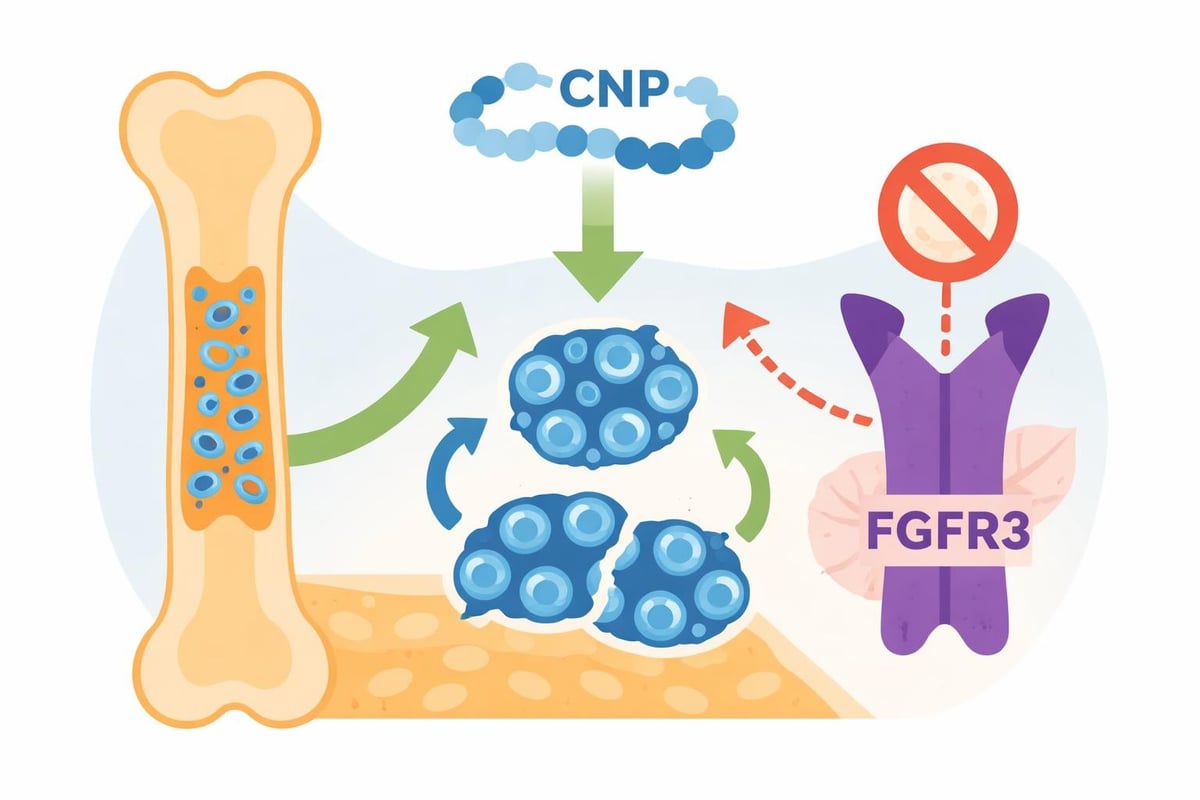
Beyond cardiovascular health, CNP peptide plays a critical role in skeletal development and growth. The peptide acts as a potent stimulator of endochondral ossification, the process by which cartilage transforms into bone during growth.
Growth Plate Regulation
In growth plates, CNP promotes chondrocyte proliferation and differentiation while counteracting fibroblast growth factor receptor 3 (FGFR3) signaling. FGFR3 normally inhibits bone growth, and CNP's ability to antagonize this pathway makes it essential for proper skeletal development.
Individuals with genetic variations affecting CNP production or receptor function may experience altered growth patterns. Excessive CNP activity can lead to increased stature, while deficiencies may result in shorter stature.
Key Growth-Related Functions:
- Stimulation of chondrocyte proliferation
- Enhancement of growth plate activity
- Counteraction of growth inhibitory signals
- Promotion of longitudinal bone growth
- Support of cartilage matrix formation
Research into CNP analogs for treating growth disorders demonstrates the peptide's therapeutic potential. Several pharmaceutical companies are developing CNP-based therapies for skeletal dysplasias and growth disorders.
Neuroprotective Properties and Brain Health
Emerging research suggests CNP peptide may serve important functions in the nervous system. The peptide is expressed in the brain and has been investigated as a putative biomarker for neuronal damage in Parkinson’s disease.
Neurological Mechanisms
CNP appears to support neuronal health through several pathways. The peptide modulates neurotransmitter release, influences synaptic plasticity, and may protect neurons from oxidative stress and inflammation.
In the context of neurodegenerative diseases, changes in CNP levels could reflect ongoing neuronal damage, making it a potential diagnostic or prognostic marker. Additionally, the peptide's anti-inflammatory properties may contribute to neuroprotection.
Research continues to explore whether CNP-based therapies could support brain health, cognitive function, or recovery from neurological injury. While still in early stages, this represents an exciting frontier in peptide therapeutics.
CNP Peptide in Cancer Research
Recent investigations have examined the role and clinical value of the natriuretic peptide receptor family in malignant tumors, including CNP's potential involvement in cancer biology. The peptide's effects on cell proliferation, apoptosis, and angiogenesis make it relevant to oncology research.
Tumor Biology and CNP Signaling
CNP peptide may influence tumor behavior through multiple mechanisms:
- Regulation of tumor cell proliferation
- Modulation of tumor blood vessel formation
- Influence on immune cell function within tumors
- Effects on cancer cell migration and metastasis
The relationship between CNP and cancer appears complex, with effects varying depending on tumor type, receptor expression, and tissue context. Some studies suggest anti-tumor effects, while others indicate more nuanced roles in tumor microenvironments.
| Cancer-Related Effect | Potential Mechanism | Research Status |
|---|---|---|
| Anti-proliferative | cGMP pathway activation | Early studies |
| Apoptosis induction | Cellular signaling modulation | Preclinical |
| Angiogenesis regulation | Vascular signaling control | Investigational |
| Immune modulation | Inflammatory pathway effects | Emerging data |
Administration and Dosing Considerations
For those exploring peptide therapies, understanding proper administration is essential. While CNP peptide itself is primarily used in research settings, learning about how to inject peptides safely applies broadly to peptide supplementation.
Delivery Methods and Bioavailability
CNP faces challenges common to many peptide therapies, including rapid degradation by enzymes and limited oral bioavailability. Research into CNP-based therapeutics often focuses on modified analogs with enhanced stability and prolonged activity.
Administration considerations include:
- Subcutaneous injection for systemic delivery
- Modified peptide analogs for extended half-life
- Timing relative to meals and activity
- Proper reconstitution and storage
- Sterile technique to prevent contamination
Those interested in peptide supplementation should explore the full range of options available through reputable suppliers. Pure Peptide’s shop offers various peptide products designed to support different health goals, from recovery to anti-aging.

The Biology of CNP in Cardiovascular Systems
Comprehensive reviews examining the biology of CNP and its significance to the cardiovascular system emphasize its multifaceted roles. The peptide influences myocardial remodeling, the structural changes that occur in heart tissue following injury or chronic stress.
Cardiac Remodeling and Protection
After cardiac events such as myocardial infarction, the heart undergoes remodeling that can be adaptive or maladaptive. CNP peptide appears to promote beneficial remodeling while limiting harmful changes like excessive fibrosis and chamber dilation.
The peptide achieves this through:
- Reduction of collagen deposition in cardiac tissue
- Inhibition of cardiac fibroblast activation preventing scar expansion
- Support of cardiomyocyte survival reducing cell death
- Modulation of inflammatory responses limiting tissue damage
- Enhancement of microvascular function improving cardiac perfusion
These protective effects position CNP as a promising target for developing therapies that preserve heart function after injury or during chronic disease progression.
Integration with Other Peptide Therapies
Understanding CNP peptide in context with other therapeutic peptides helps optimize wellness strategies. Many individuals combine multiple peptides to address different aspects of health and performance.
Complementary Peptide Combinations
While CNP primarily supports cardiovascular and skeletal health, other peptides target different systems. For example, growth hormone secretagogues like ipamorelin stimulate growth hormone release, potentially complementing CNP's effects on tissue growth and repair.
Similarly, peptides focused on metabolic health, such as semaglutide, address weight management and glucose regulation through different mechanisms. Understanding these distinctions allows for informed decisions about peptide selection.
Quality and Purity in Peptide Supplementation
The effectiveness of any peptide therapy depends critically on product quality and purity. Contaminated or degraded peptides may be ineffective or potentially harmful, making sourcing from reputable suppliers essential.
Quality indicators to consider:
- Third-party testing and certificates of analysis
- Proper storage conditions during shipping and warehousing
- Clear labeling with peptide sequence and purity percentage
- Transparent manufacturing processes
- Customer reviews and company reputation
Advanced purification methods, including high-performance liquid chromatography (HPLC), ensure peptides meet stringent purity standards. These techniques remove impurities, degradation products, and synthesis byproducts that could compromise effectiveness or safety.
Future Directions in CNP Research
The expanding understanding of CNP peptide continues to reveal new potential applications. Ongoing research explores its roles in diverse conditions, from metabolic disorders to wound healing.
Emerging Therapeutic Targets
Researchers are investigating CNP-based therapies for:
- Pulmonary hypertension and lung vascular disease
- Osteoarthritis and joint cartilage preservation
- Kidney disease and renal fibrosis
- Metabolic syndrome components
- Cognitive decline and neurodegeneration
As the peptide research field advances, modified CNP analogs with improved pharmacokinetics and targeted delivery systems may enhance therapeutic applications. The development of oral formulations or long-acting injectable versions could improve accessibility and patient compliance.
CNP peptide represents a fascinating compound with diverse physiological roles spanning cardiovascular health, skeletal development, and beyond. Its unique mechanisms and localized action make it distinct within the natriuretic peptide family, offering specific benefits for vascular function, growth regulation, and tissue protection. Whether you're exploring peptides for recovery, anti-aging, or overall wellness optimization, understanding the science behind compounds like CNP helps inform better decisions. Pure Peptide provides premium quality peptides with rigorous purity standards and advanced purification methods, supporting your journey toward enhanced health and performance through evidence-based peptide therapy.