








The field of peptide therapeutics continues to expand with remarkable discoveries, and among the most intriguing compounds under investigation is p21 peptide. This synthetic derivative of ciliary neurotrophic factor (CNTF) has captured the attention of researchers worldwide due to its potential neuroprotective properties and cognitive enhancement capabilities. Unlike many peptides that focus on physical performance or metabolic functions, p21 peptide represents a frontier in cognitive neuroscience, offering promising avenues for addressing neurodegenerative conditions and optimizing brain function. Understanding its mechanisms, applications, and current research status provides valuable insights for those interested in cutting-edge peptide science.
Understanding P21 Peptide Structure and Origins
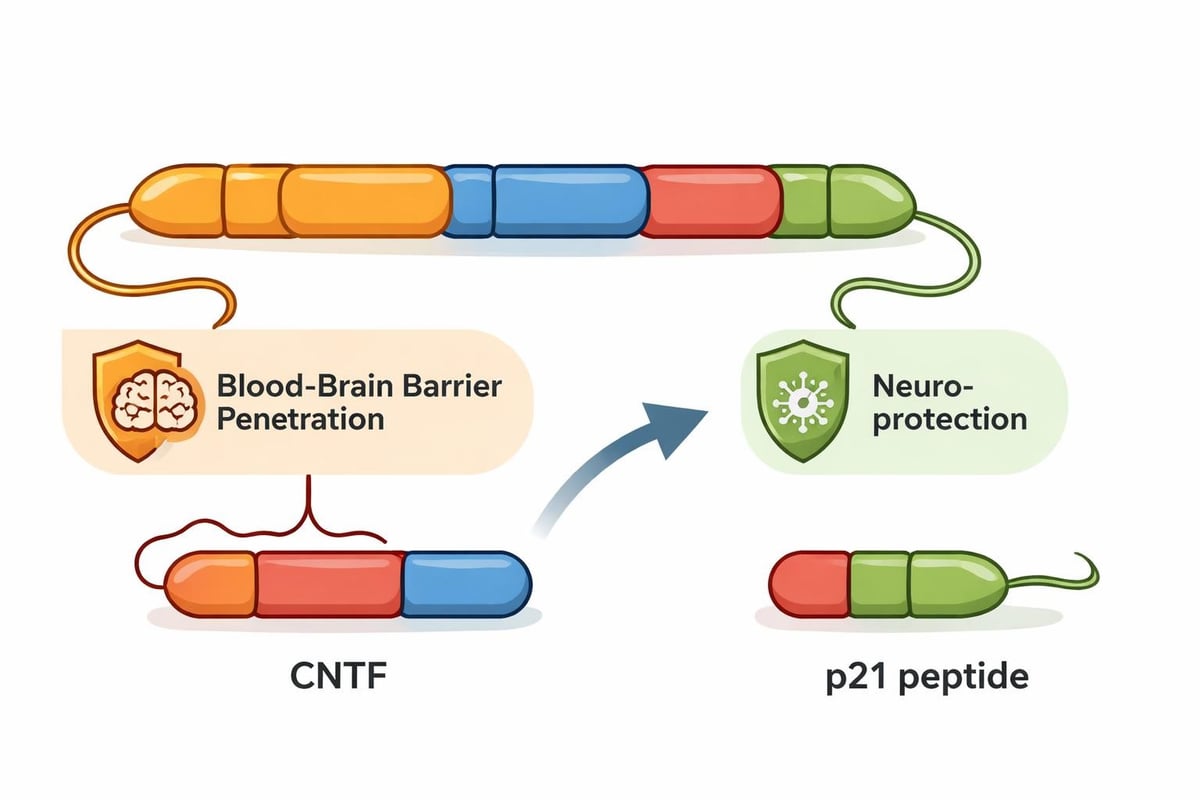
The p21 peptide derives from a specific segment of ciliary neurotrophic factor, a naturally occurring protein known for its neuroprotective effects. Scientists identified and isolated this particular sequence because it retained the beneficial properties of the full CNTF molecule while offering improved stability and targeted delivery characteristics.
Molecular Design and Development
The development of p21 peptide involved sophisticated protein engineering techniques to create a compound that could cross the blood-brain barrier more effectively than its parent molecule. Researchers focused on designing peptides that could selectively interact with specific protein pathways, particularly those involved in neuronal survival and growth.
Key structural features include:
- Enhanced bioavailability compared to full CNTF
- Improved stability in physiological conditions
- Targeted action on neural pathways
- Reduced molecular weight for better tissue penetration
The peptide sequence was specifically chosen to maintain the critical binding domains necessary for activating neuroprotective signaling cascades while eliminating portions that might trigger unwanted immune responses or rapid degradation.
Mechanisms of Action in Neural Tissue
The p21 peptide operates through multiple interconnected pathways within the nervous system, making it a compound of significant interest for neuropharmacological research. Its proposed mechanisms include promoting neurogenesis, enhancing synaptic plasticity, and protecting existing neurons from various forms of damage.
Neurogenesis and Synaptic Enhancement
One of the most compelling aspects of p21 peptide involves its ability to stimulate the growth of new neurons in specific brain regions. The hippocampus, a critical structure for memory formation and spatial navigation, appears particularly responsive to p21 administration in animal models.
The compound works by:
- Activating specific growth factor receptors on neural stem cells
- Promoting differentiation of progenitor cells into functional neurons
- Supporting dendritic branching and synaptic connection formation
- Enhancing neurotransmitter release and receptor sensitivity
Beyond simply creating new neurons, p21 peptide appears to improve the quality and functionality of synaptic connections. This enhancement of synaptic plasticity represents the brain's fundamental mechanism for learning and memory consolidation.
Neuroprotective Pathways
The protective effects of p21 peptide extend across multiple cellular stress responses. Research has demonstrated its ability to shield neurons from oxidative damage, excitotoxicity, and inflammatory processes that contribute to neurodegenerative conditions.
| Protective Mechanism | Cellular Target | Observed Effect |
|---|---|---|
| Antioxidant activation | Mitochondria | Reduced ROS production |
| Anti-inflammatory signaling | Microglia | Decreased inflammatory cytokines |
| Apoptosis inhibition | Cell nucleus | Improved neuronal survival |
| Protein aggregation prevention | Cytoplasm | Reduced toxic protein accumulation |
These multiple layers of protection make p21 peptide particularly interesting for conditions characterized by progressive neuronal loss, though human applications remain experimental.
Research Applications and Experimental Studies
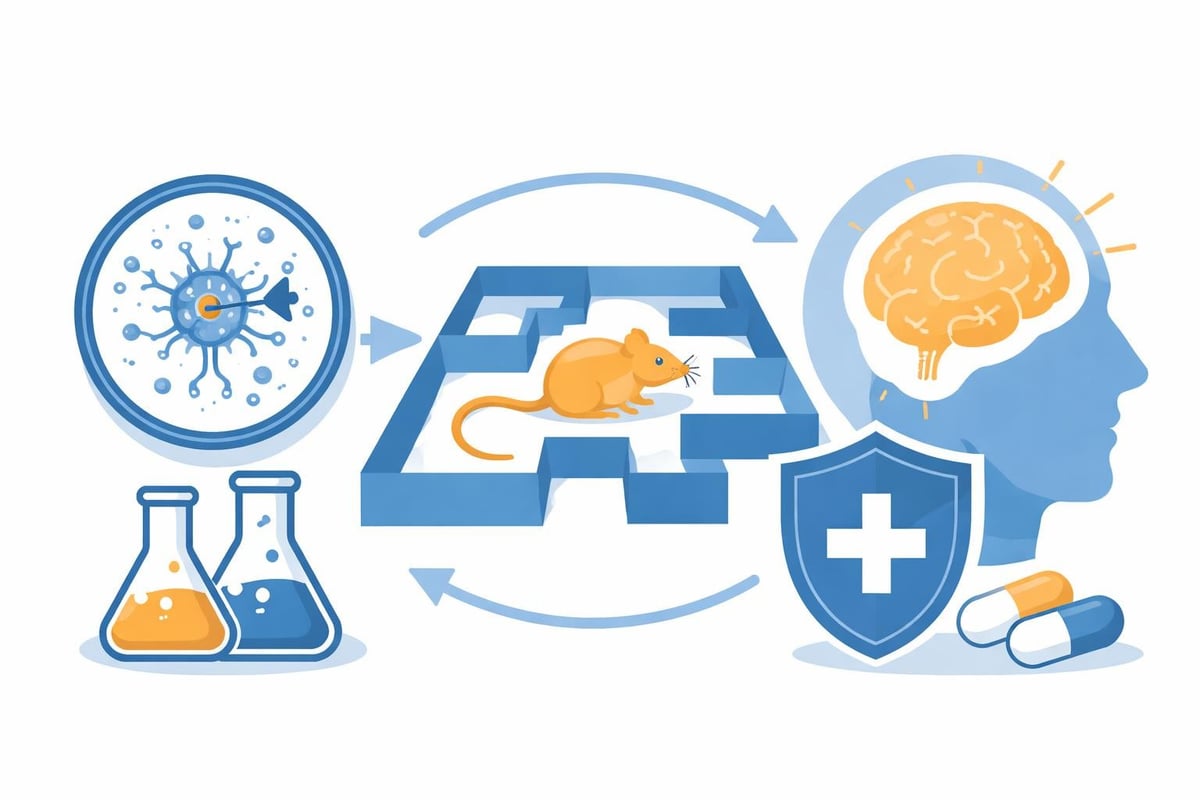
Current research on p21 peptide spans several domains of neuroscience, from fundamental cellular biology to behavioral studies in animal models. The compound has shown promise across various experimental paradigms designed to test cognitive function and neuroprotection.
Cognitive Enhancement Studies
Laboratory investigations have documented improvements in learning and memory tasks following p21 peptide administration. Animals treated with the compound demonstrated enhanced performance in spatial navigation tests, object recognition protocols, and fear conditioning experiments.
Observed cognitive benefits include:
- Faster acquisition of new information
- Improved long-term memory retention
- Enhanced working memory capacity
- Better pattern recognition abilities
The peptide’s cognitive enhancement potential has been documented across multiple research models, with effects appearing to accumulate over time rather than producing immediate changes. This gradual improvement pattern suggests the compound works through fundamental neuroplastic mechanisms rather than acute neurotransmitter modulation.
Neurodegenerative Disease Models
Perhaps the most significant research applications involve testing p21 peptide in animal models of neurodegenerative conditions. Studies examining conditions characterized by progressive cognitive decline have revealed protective effects that slow disease progression and preserve function.
In models of age-related cognitive decline, p21 peptide administration preserved memory function and reduced markers of neuronal death. Similarly, research examining conditions with abnormal protein accumulation showed that the peptide could reduce toxic aggregate formation and improve cellular clearance mechanisms.
Dosing Protocols and Administration Methods
While p21 peptide remains primarily a research compound, understanding typical experimental dosing protocols provides context for its potential applications. Current research protocols vary based on the specific objectives and models being studied, though certain patterns have emerged across multiple investigations.
Experimental Dosing Ranges
Research studies have employed doses ranging from low microgram quantities to several milligrams, typically calculated per kilogram of body weight. The optimal dosing appears to depend on the specific outcomes being measured and the duration of treatment.
- Acute cognitive testing: Single doses of 1-5 mg/kg
- Chronic neuroprotection studies: Daily doses of 0.5-2 mg/kg for weeks to months
- Neurogenesis promotion: Intermittent dosing 3-5 times weekly at 1-3 mg/kg
Researchers have noted that p21 peptide effects often manifest more clearly with sustained administration rather than single doses, suggesting cumulative neuroplastic changes drive its benefits.
Routes of Administration
The blood-brain barrier presents a significant challenge for many neuroprotective compounds, but p21 peptide’s design allows for various administration routes with reasonable central nervous system penetration.
| Administration Route | Bioavailability | Research Applications | Considerations |
|---|---|---|---|
| Subcutaneous injection | Moderate | Long-term studies | Most common research method |
| Intranasal delivery | Higher CNS penetration | Acute cognitive testing | Direct pathway to brain |
| Intravenous infusion | Highest systemic | Pharmacokinetic studies | Research setting only |
Those interested in understanding proper peptide administration techniques can reference comprehensive guides on how to inject peptides safely for general principles, though p21 peptide specifically remains experimental.
Safety Profile and Considerations
Current understanding of p21 peptide safety derives entirely from preclinical research, as human studies remain limited. Animal studies have generally reported favorable safety profiles at doses producing cognitive and neuroprotective effects.
Observed Tolerability Data
Laboratory animals receiving p21 peptide across various dosing protocols have shown minimal adverse effects at therapeutically relevant doses. Researchers monitor multiple parameters including behavior, weight, organ function, and tissue health.
Safety observations from animal research:
- No significant behavioral changes or sedation
- Maintained normal feeding and activity patterns
- No observable organ toxicity at standard doses
- Minimal immunological reactions
- Reversible effects upon discontinuation
However, the need for comprehensive long-term safety studies remains a critical gap in current knowledge. The compound's effects on developing nervous systems, interactions with other medications, and potential cumulative effects over years of use require further investigation.
Important Limitations and Unknowns
The experimental status of p21 peptide means several critical questions remain unanswered. The optimal duration of treatment, potential tolerance development, and individual variability in response all require additional research before therapeutic applications can be considered.
Researchers also continue investigating whether the compound might produce different effects across age groups, genetic backgrounds, or in the presence of existing neurological conditions. These variables could significantly influence both efficacy and safety profiles.

Comparative Analysis with Related Compounds
Understanding where p21 peptide fits within the broader landscape of neuroprotective and cognitive-enhancing compounds provides valuable context. Several other peptides and small molecules target similar pathways or outcomes, each with distinct properties.
Related Neuroprotective Peptides
Other peptides showing neuroprotective properties include compounds like Semax, which also influences cognitive function through different mechanisms. While Semax primarily works through melanocortin receptor modulation and BDNF upregulation, p21 peptide operates through CNTF-related pathways.
Epitalon represents another peptide with potential neuroprotective effects, though its primary mechanisms involve telomerase activation and circadian regulation rather than direct neurogenesis promotion. These different mechanisms mean that peptides may offer complementary rather than overlapping benefits.
Distinguishing Features of P21
What sets p21 peptide apart from many cognitive enhancers involves its multi-faceted approach to brain health. Rather than simply modulating neurotransmitter activity for acute effects, it appears to fundamentally enhance the brain's regenerative and protective capacities.
The compound's focus on structural neuroplasticity, promoting actual growth of new neurons and synaptic connections, distinguishes it from many cognitive enhancers that work through receptor activation or metabolic enhancement alone. This structural approach may offer more sustained benefits but also requires longer treatment periods to manifest effects.
Current Research Directions and Future Investigations
The scientific community continues expanding p21 peptide research across multiple fronts, from fundamental mechanisms to potential therapeutic applications. Recent years have seen increased interest in understanding how the compound might be optimized or combined with other interventions.
Emerging Research Areas
Scientists are exploring whether p21 peptide effects can be enhanced through combination with other neuroprotective strategies. Research examining synergistic effects with exercise, dietary interventions, or other compounds may reveal optimized protocols for maximizing benefits.
Active research directions include:
- Investigating optimal dosing schedules for different outcomes
- Examining combination effects with other neuroprotective agents
- Developing modified versions with enhanced blood-brain barrier penetration
- Testing efficacy across different neurodegenerative disease models
- Exploring potential applications in traumatic brain injury recovery
Additionally, researchers are working to identify biomarkers that could predict individual responses to p21 peptide treatment. Understanding which populations might benefit most could accelerate therapeutic development and personalization.
Translational Medicine Considerations
Moving p21 peptide from laboratory research to potential human applications requires substantial additional work. Clinical trials must establish safety profiles in healthy volunteers before testing therapeutic applications, a process requiring significant time and resources.
The compound's experimental nature means it currently exists in a research space rather than therapeutic use. Organizations focused on peptide quality and purity, such as those maintaining rigorous standards for premium peptide products, recognize the importance of advancing scientific understanding while maintaining appropriate boundaries around experimental compounds.
Quality and Purity Considerations for Research
For researchers working with p21 peptide, the quality and purity of the compound significantly impacts experimental outcomes. Contamination, degradation, or inconsistent synthesis can introduce variables that confound results and reduce reproducibility.
Manufacturing Standards for Research Peptides
High-quality p21 peptide requires sophisticated synthesis techniques and rigorous quality control. Advanced purification methods ensure removal of truncated sequences, synthesis byproducts, and potential contaminants that could interfere with biological activity.
| Quality Parameter | Standard Requirement | Testing Method | Impact on Research |
|---|---|---|---|
| Peptide purity | ≥95% by HPLC | High-performance liquid chromatography | Ensures consistent dosing |
| Sequence accuracy | 100% correct sequence | Mass spectrometry | Confirms target compound |
| Endotoxin levels | <1 EU/mg | LAL assay | Prevents inflammatory artifacts |
| Sterility | No growth | USP sterility testing | Critical for in vivo studies |
Researchers should verify these parameters through certificates of analysis before conducting experiments. The reproducibility of findings across laboratories depends heavily on consistent compound quality.
Storage and Handling Best Practices
Proper storage maintains p21 peptide stability and biological activity throughout research studies. The compound typically requires frozen storage at -20°C or colder, with reconstituted solutions often remaining stable for limited periods under refrigeration.
Minimizing freeze-thaw cycles, protecting from light exposure, and using appropriate reconstitution solutions all contribute to maintaining peptide integrity. Researchers conducting longer studies should consider aliquoting to avoid repeated temperature cycling.
Integration with Broader Peptide Research
The study of p21 peptide exists within the larger context of peptide therapeutics research, a field experiencing rapid growth and innovation. Understanding how this compound relates to other peptides helps contextualize its unique properties and potential applications.
The Expanding Peptide Landscape
Peptide research now encompasses compounds targeting virtually every aspect of human physiology, from metabolic regulation to tissue repair. While some peptides like Semaglutide and Tirzepatide have achieved clinical approval for specific indications, others including p21 peptide remain in earlier research stages.
This diversity of peptides reflects the versatility of these molecules as therapeutic tools. Different amino acid sequences create distinct three-dimensional structures that interact with specific cellular targets, allowing for highly selective biological effects.
The field continues evolving with advances in synthesis technology, delivery methods, and understanding of peptide pharmacology. Compounds currently in research may eventually join the ranks of therapeutically validated peptides, though rigorous testing remains essential.
Complementary Applications
While p21 peptide focuses on neurological applications, other peptides address different health aspects. Recovery-focused compounds like BPC-157 and TB-500 support tissue healing through distinct mechanisms, demonstrating the breadth of peptide capabilities.
Understanding these different applications helps researchers and clinicians appreciate the specificity required in peptide selection. Each compound's unique properties make it suited to particular research questions or therapeutic goals, emphasizing the importance of matching peptide characteristics to desired outcomes.
P21 peptide represents a fascinating frontier in neuroprotective research, offering potential mechanisms for supporting cognitive function and neural health through multiple complementary pathways. While substantial research remains before therapeutic applications can be validated, current findings highlight the compound's unique properties and promise. For those interested in exploring premium quality peptides for various research and wellness applications, Pure Peptide provides rigorously tested compounds that meet the highest standards of purity and efficacy. Advancing peptide science requires both cutting-edge research and unwavering commitment to quality, ensuring every compound delivers consistent, reliable results.