





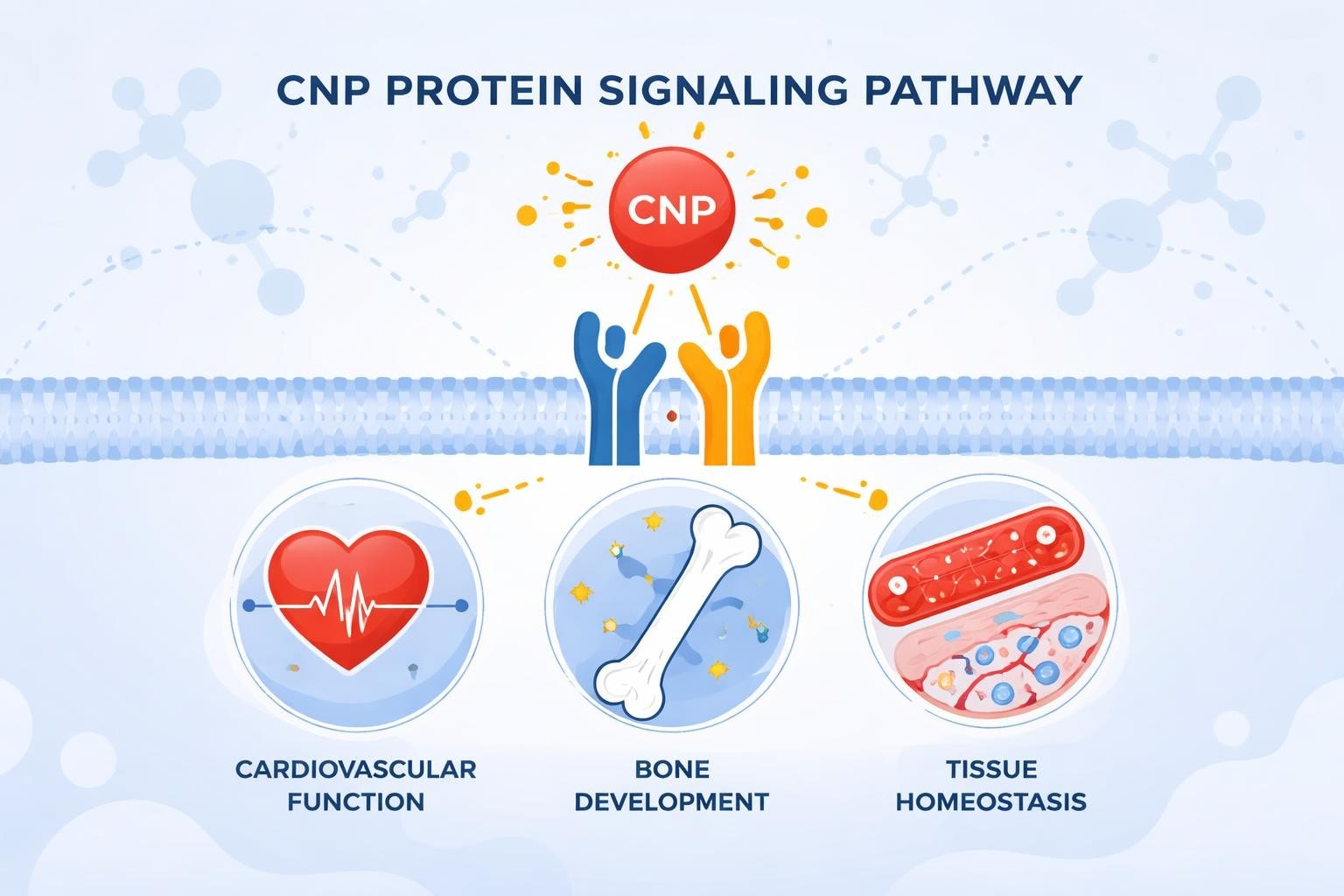
C-type natriuretic peptide, commonly known as cnp protein, represents a crucial member of the natriuretic peptide family that plays fundamental roles in cardiovascular regulation, skeletal development, and cellular signaling throughout the human body. Unlike its counterparts ANP and BNP, which primarily originate from cardiac tissue, cnp protein is produced locally in various tissues including the central nervous system, vascular endothelium, and bone. This distinct distribution pattern enables cnp protein to function as both an autocrine and paracrine signaling molecule, making it particularly valuable for individuals seeking targeted therapeutic approaches for recovery, anti-aging, and overall wellness optimization.
Biochemical Structure and Production of CNP Protein
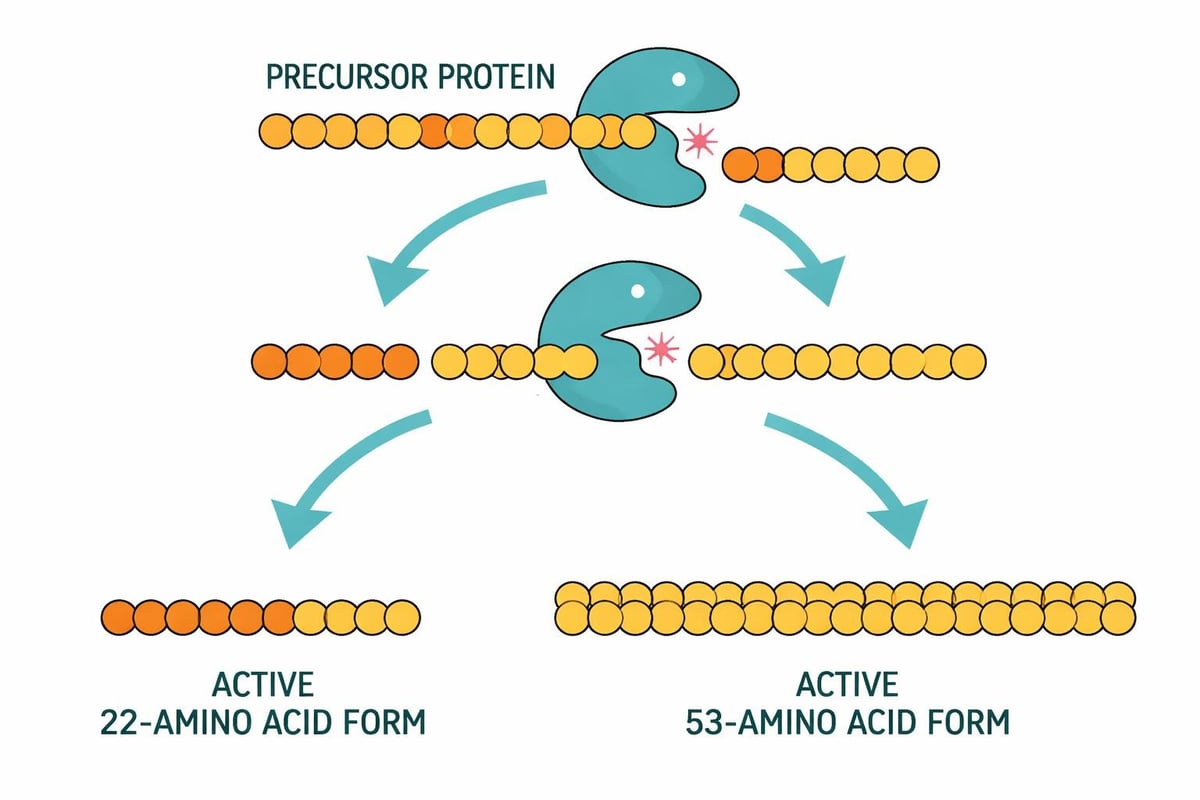
The molecular architecture of cnp protein distinguishes it from other natriuretic peptides through its unique amino acid sequence and tissue-specific expression patterns. Research on the NPPC gene has revealed that cnp protein is encoded by a specific genetic sequence that determines its biological activity and receptor binding characteristics. The peptide exists in two bioactive forms: a 22-amino acid variant and a 53-amino acid variant, both cleaved from a larger precursor molecule.
Synthesis Pathways and Regulatory Mechanisms
CNP protein synthesis occurs through a tightly regulated process involving multiple enzymatic steps and cellular signaling cascades. The precursor molecule undergoes specific proteolytic cleavage to generate the active forms, with production levels influenced by various physiological stimuli including shear stress, inflammatory cytokines, and growth factors.
Key regulatory factors include:
- Mechanical stress on vascular endothelium triggering increased synthesis
- Inflammatory mediators modulating production in response to tissue injury
- Hormonal signals affecting baseline expression levels
- Nutritional status impacting overall peptide availability
Understanding these production mechanisms provides insight into how cnp protein levels fluctuate under different physiological conditions and why supplementation strategies may benefit individuals with compromised endogenous production.
Cardiovascular Functions and Protective Effects
The cardiovascular system represents one of the primary target areas where cnp protein exerts significant biological effects. Through interaction with natriuretic peptide receptor-B (NPR-B), this peptide triggers intracellular signaling cascades that promote vasodilation, reduce inflammation, and protect against pathological remodeling. Studies on natriuretic peptide receptor-3 in cardiovascular disease have highlighted the importance of proper CNP signaling in maintaining cardiovascular health and preventing disease progression.
Vascular Health and Blood Pressure Regulation
CNP protein demonstrates remarkable capacity to influence vascular tone and blood pressure homeostasis through multiple complementary mechanisms:
| Mechanism | Effect | Clinical Significance |
|---|---|---|
| Vasodilation | Reduces peripheral resistance | Lower blood pressure |
| Anti-inflammatory action | Decreases vascular inflammation | Prevents atherosclerosis |
| Endothelial protection | Maintains vessel integrity | Reduces cardiovascular risk |
| Anti-thrombotic effects | Inhibits platelet aggregation | Prevents clot formation |
These multifaceted cardiovascular benefits make cnp protein particularly relevant for individuals pursuing comprehensive anti-aging protocols that prioritize long-term cardiovascular wellness.
The peptide's ability to counteract endothelial dysfunction positions it as a valuable therapeutic target for preventing age-related cardiovascular decline. Unlike systemic interventions that may produce unwanted side effects, cnp protein acts locally within vascular tissue to restore normal function without disrupting broader physiological systems.
Role in Bone Development and Skeletal Health
Perhaps one of the most distinctive functions of cnp protein involves its critical role in skeletal growth and bone development. This peptide serves as a potent regulator of endochondral ossification, the process through which long bones grow and develop during childhood and adolescence. Research examining CNP effects on osteoblastic proliferation has demonstrated its capacity to promote bone formation while simultaneously regulating cartilage development.
Mechanisms of Skeletal Action
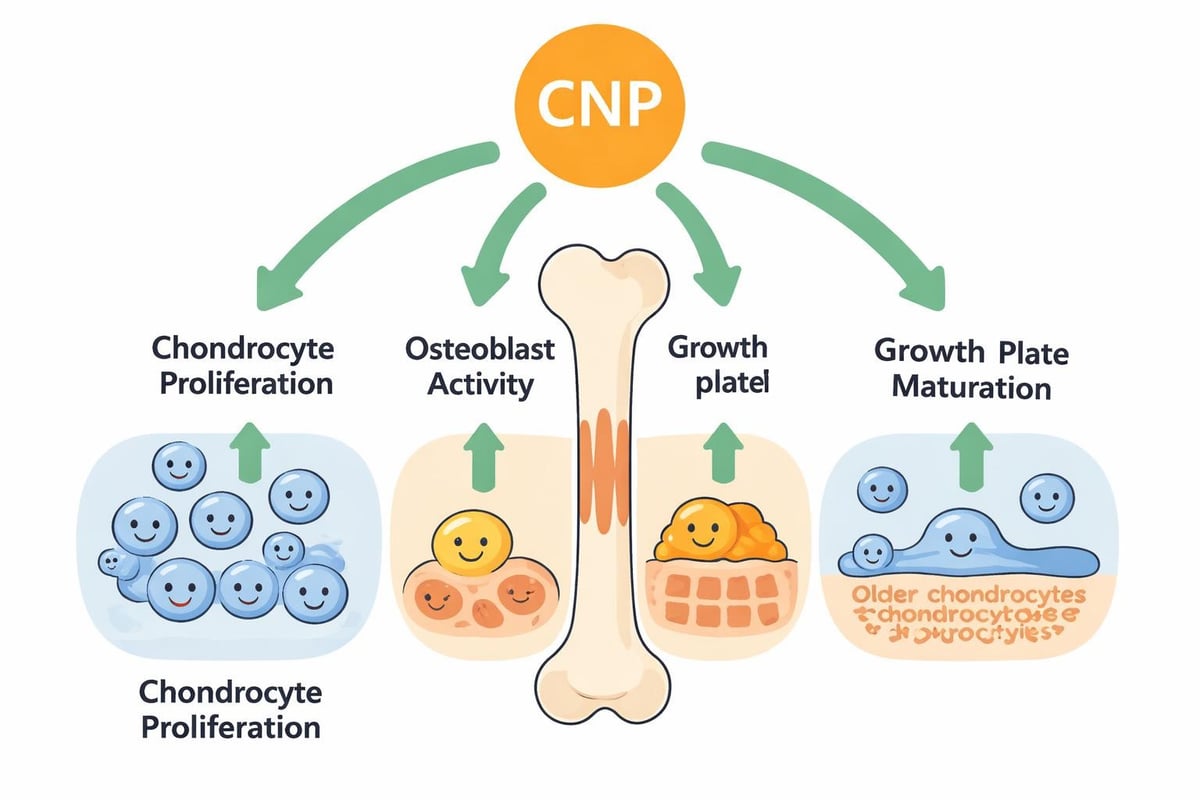
CNP protein influences bone development through several interconnected pathways that coordinate chondrocyte differentiation, osteoblast activity, and extracellular matrix production. The peptide counteracts fibroblast growth factor signaling that would otherwise limit bone elongation, effectively removing growth constraints and promoting healthy skeletal development.
The skeletal effects of cnp protein include:
- Enhanced chondrocyte proliferation in growth plates
- Regulation of collagen-X expression controlling cartilage maturation
- Promotion of osteoblast differentiation supporting bone formation
- Inhibition of premature growth plate fusion extending growth potential
- Coordination of mineralization processes ensuring proper bone density
This comprehensive influence on skeletal physiology extends beyond childhood development, with emerging evidence suggesting cnp protein may support bone health and fracture healing in adults as well. For individuals using peptides from Pure Peptide to support recovery and tissue repair, understanding CNP's role in bone metabolism provides valuable context for comprehensive healing strategies.
Renal Function and Metabolic Regulation
The kidneys represent another crucial site of cnp protein production and action, where the peptide contributes to fluid balance, electrolyte homeostasis, and overall metabolic regulation. Studies on CNP production in the kidney have revealed that protein intake and nutritional status significantly influence renal CNP synthesis, highlighting the interconnected nature of dietary factors and peptide physiology.
Interactions with Dietary Protein
Research has demonstrated that protein restriction in certain kidney conditions affects cnp protein production, suggesting a complex regulatory relationship between nutritional intake and peptide synthesis. This finding carries important implications for individuals following specific dietary protocols while using therapeutic peptides.
The renal effects of cnp protein encompass:
- Regulation of sodium excretion and fluid balance
- Modulation of renin-angiotensin system activity
- Protection against fibrotic kidney disease progression
- Support for proper glomerular filtration function
These protective renal functions make cnp protein particularly relevant for comprehensive metabolic health strategies that address multiple physiological systems simultaneously.
CNP Protein as a Diagnostic Biomarker
Beyond its direct physiological functions, cnp protein and its precursor molecules have emerged as valuable diagnostic tools in clinical medicine. Research on N-terminal pro-C-type natriuretic peptide has established this molecule as a potential biomarker for various disease conditions, offering clinicians objective measures of disease activity and treatment response.
Applications in Disease Monitoring
The measurement of cnp protein levels provides valuable information across multiple clinical contexts:
| Condition | Biomarker Application | Clinical Utility |
|---|---|---|
| Cardiovascular disease | Assessment of endothelial function | Risk stratification |
| Skeletal disorders | Evaluation of bone metabolism | Growth monitoring |
| Inflammatory conditions | Measurement of tissue inflammation | Disease activity tracking |
| Metabolic syndrome | Assessment of systemic dysfunction | Treatment guidance |
These diagnostic applications complement the therapeutic potential of cnp protein, creating opportunities for personalized medicine approaches that combine biomarker monitoring with targeted interventions. For individuals working with specialized peptide providers like those offering comprehensive quality control, understanding biomarker applications enhances treatment optimization.
Neurological Functions and Central Nervous System Effects
CNP protein demonstrates significant presence and activity within the central nervous system, where it contributes to neuronal development, neuroprotection, and cognitive function. Early research identifying CNP as a natriuretic peptide family member established its presence in brain tissue, launching decades of investigation into its neurological roles.
Neuroprotective Mechanisms
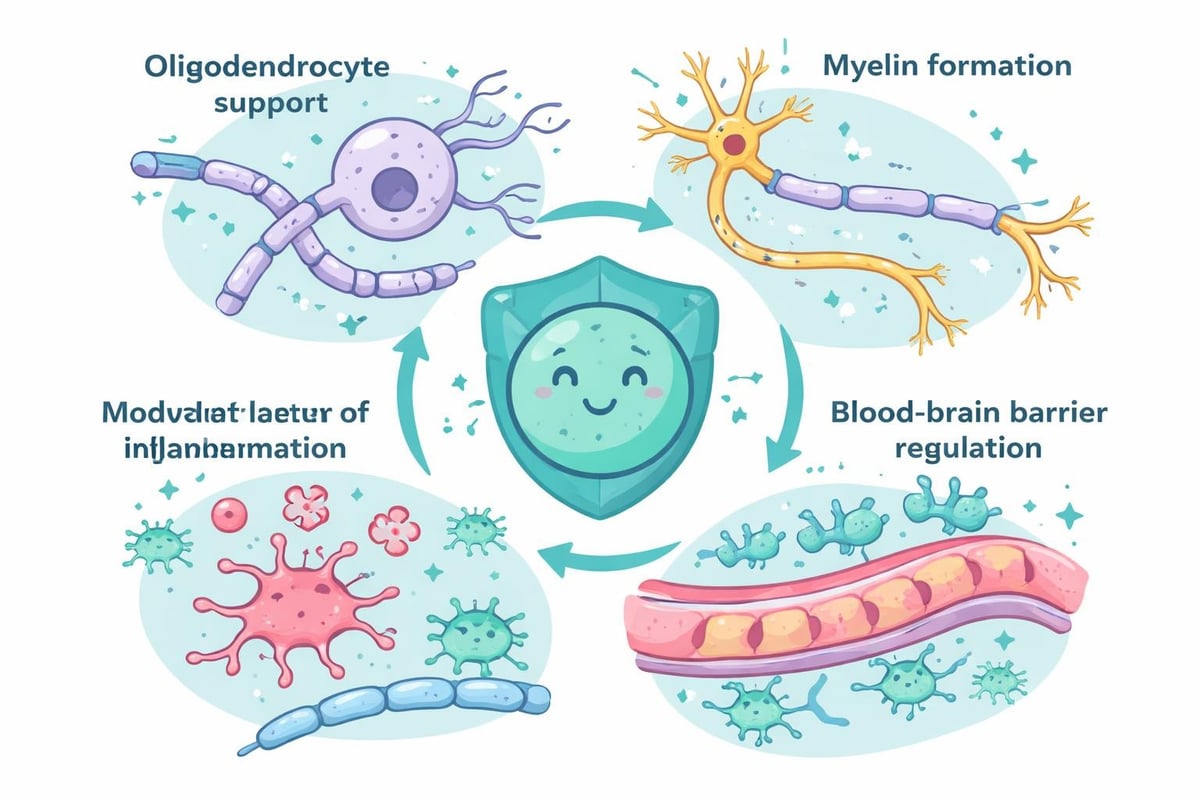
The peptide exerts multiple protective effects on neural tissue through actions that include:
- Promotion of oligodendrocyte survival and myelin formation
- Regulation of neuroinflammatory responses following injury
- Support for axonal regeneration after neural damage
- Modulation of blood-brain barrier permeability
- Enhancement of synaptic plasticity and learning processes
These neurological functions position cnp protein as a potential therapeutic agent for neurodegenerative conditions and cognitive decline associated with aging. Individuals pursuing comprehensive anti-aging strategies may benefit from understanding how CNP contributes to neural health alongside other neuroprotective peptides.
Therapeutic Applications and Clinical Potential
The diverse physiological functions of cnp protein have generated substantial interest in its therapeutic applications across multiple medical disciplines. Research continues to explore how exogenous administration or enhancement of endogenous production might address various health conditions ranging from skeletal dysplasias to cardiovascular disease.
Current Research Directions
Ongoing investigations examine several promising therapeutic avenues:
- Skeletal growth disorders where CNP supplementation may normalize bone development
- Cardiovascular protection leveraging vasodilatory and anti-inflammatory effects
- Wound healing utilizing tissue regeneration and anti-fibrotic properties
- Metabolic optimization targeting multiple systems simultaneously
These research directions align with the comprehensive wellness approach offered by advanced peptide formulations, including specialized blends like the BPC-157 and TB-500 combination that address tissue repair through complementary mechanisms.
Integration with Other Peptide Therapies
CNP protein functions within a complex network of signaling molecules, creating opportunities for synergistic effects when combined with other peptides. Understanding these interactions enables more sophisticated therapeutic strategies that leverage multiple mechanisms simultaneously.
Complementary Peptide Systems
The integration of cnp protein knowledge with other peptide therapies includes:
Growth hormone secretagogues such as Ipamorelin that may influence CNP expression through growth-related pathways, creating potential synergies for tissue development and repair protocols.
Tissue repair peptides like BPC-157 that address healing through different mechanisms than CNP, allowing comprehensive approaches to recovery that target multiple aspects of tissue regeneration simultaneously.
Metabolic peptides including compounds that influence insulin sensitivity and fat metabolism, potentially interacting with CNP's effects on metabolic regulation and cardiovascular function.
This integrative perspective recognizes that optimal health outcomes often require addressing multiple physiological systems through carefully coordinated interventions rather than single-target approaches.
Safety Considerations and Physiological Balance
While cnp protein demonstrates remarkable therapeutic potential, understanding its safety profile and proper physiological balance remains essential for anyone considering peptide-based interventions. The body maintains tight regulatory control over CNP levels through complex feedback mechanisms that prevent excessive accumulation or deficiency.
Regulatory Mechanisms and Homeostasis
The body employs several strategies to maintain appropriate cnp protein levels:
| Mechanism | Function | Impact |
|---|---|---|
| Receptor clearance | Removal of excess peptide | Prevents oversaturation |
| Enzymatic degradation | Breakdown of active CNP | Limits duration of action |
| Transcriptional regulation | Control of production rates | Matches synthesis to needs |
| Feedback inhibition | Reduction when levels rise | Maintains homeostasis |
These natural regulatory systems demonstrate the body's sophisticated approach to peptide management, highlighting the importance of working with high-purity peptides from reputable sources that undergo rigorous quality control testing.
Quality and Purity Standards for Therapeutic Peptides
The therapeutic application of any peptide requires absolute commitment to quality, purity, and consistent potency. Cnp protein research and potential therapeutic use depend on products manufactured according to the highest pharmaceutical standards, with comprehensive testing to verify identity, purity, and biological activity.
Essential Quality Parameters
Critical quality considerations include:
- Amino acid sequence verification confirming correct molecular structure
- Purity analysis ensuring absence of contaminants and degradation products
- Potency testing validating biological activity and receptor binding
- Stability assessment guaranteeing consistent performance throughout shelf life
- Sterility confirmation preventing microbial contamination risks
These rigorous standards ensure that cnp protein and related peptides maintain their intended biological properties, enabling reliable research outcomes and consistent therapeutic effects. Organizations committed to quality provide detailed certificates of analysis documenting these parameters for every product batch.
Future Directions in CNP Protein Research
The expanding understanding of cnp protein continues to reveal new potential applications and therapeutic targets. Emerging research explores modified versions with enhanced stability, tissue-specific delivery systems, and combination approaches that maximize therapeutic benefits while minimizing potential drawbacks.
Promising Research Areas
Current investigations focus on:
- Enhanced delivery methods improving tissue penetration and bioavailability
- Modified peptide sequences extending duration of action or targeting specificity
- Combination therapies leveraging synergies with complementary compounds
- Biomarker development enabling personalized treatment optimization
- Novel indications expanding therapeutic applications beyond current uses
These research directions promise to expand the clinical utility of cnp protein while providing deeper insights into its fundamental biology and therapeutic mechanisms. For individuals interested in staying current with peptide science developments, following research publications and trusted industry sources provides valuable perspective on emerging opportunities.
The convergence of basic research, clinical investigation, and advanced manufacturing capabilities continues to advance the field of therapeutic peptides, with cnp protein representing just one example of how these bioactive molecules may contribute to comprehensive health optimization strategies. As understanding deepens and production methods improve, the accessibility and application of these powerful compounds will likely expand significantly in coming years.
CNP protein exemplifies the sophisticated regulatory systems that govern human physiology, offering therapeutic potential across cardiovascular health, skeletal development, tissue repair, and metabolic optimization. For those seeking to harness these benefits through premium-quality peptides backed by rigorous testing and advanced purification methods, Pure Peptide provides comprehensive solutions tailored to individual wellness goals. Whether pursuing enhanced recovery, anti-aging support, or optimized metabolic function, access to pharmaceutical-grade peptides with verified purity enables confident progression toward health objectives.