
The landscape of weight management has transformed dramatically with the emergence of peptide-based therapies. These short-chain amino acid sequences offer targeted approaches to fat reduction by interacting with specific biological pathways that regulate metabolism, appetite, and energy expenditure. Unlike traditional weight loss methods that rely solely on caloric restriction or stimulants, fat loss peptides work at the cellular level to optimize how the body processes and stores energy. Understanding these compounds requires examining their mechanisms, comparing their efficacy, and recognizing the importance of quality and purity in peptide supplementation.
Understanding How Fat Loss Peptides Work
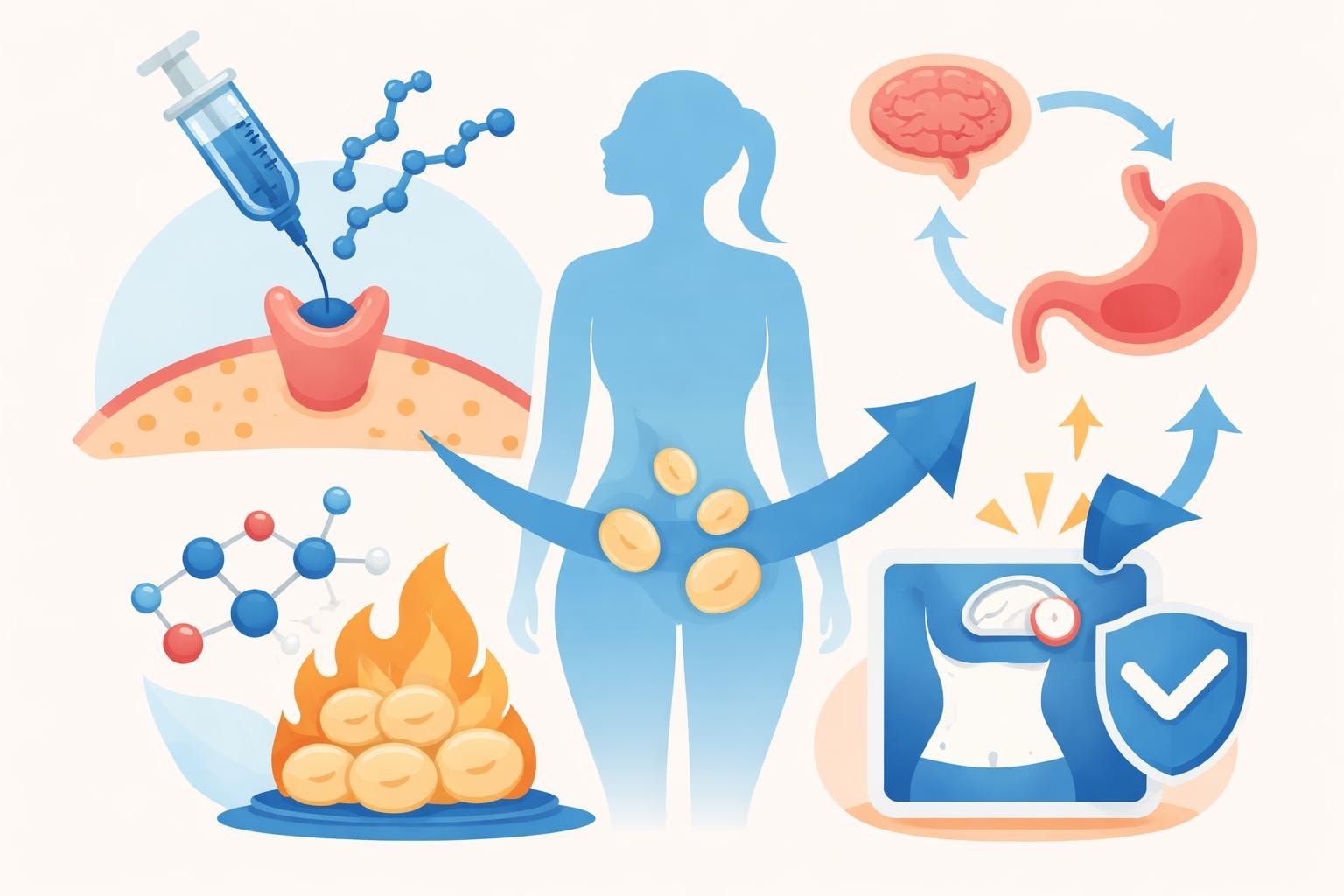
Peptides are naturally occurring or synthetic chains of amino acids that serve as signaling molecules in the body. When it comes to weight management, fat loss peptides function by targeting specific receptors that control hunger, saturation, glucose metabolism, and lipolysis.
The primary mechanism involves mimicking or enhancing natural hormones that regulate body composition. Some peptides activate receptors in the brain that control appetite and food intake, while others influence how efficiently cells burn stored fat for energy. This dual approach addresses both the behavioral and metabolic components of weight management.
Receptor-Based Mechanisms
Fat loss peptides typically work through G protein-coupled receptors (GPCRs) that regulate metabolic processes. When these peptides bind to their target receptors, they initiate cascading effects that can:
- Slow gastric emptying to promote sustained fullness
- Enhance insulin sensitivity for better glucose control
- Increase thermogenesis and energy expenditure
- Promote the breakdown of stored triglycerides
- Reduce inflammatory markers associated with obesity
The sophistication of these mechanisms explains why peptide therapy often produces more comprehensive results than simple calorie restriction. Rather than forcing the body into starvation mode, these compounds work with natural regulatory systems to optimize metabolic function.

Most Effective Fat Loss Peptides in 2026
The peptide landscape for weight management has expanded significantly, with several compounds demonstrating remarkable efficacy in clinical and research settings. Each offers distinct advantages depending on individual goals and metabolic profiles.
GLP-1 Receptor Agonists
Glucagon-like peptide-1 (GLP-1) receptor agonists represent the most widely studied category of fat loss peptides. These compounds mimic the natural GLP-1 hormone that regulates blood sugar and appetite.
Semaglutide has become a cornerstone therapy, with research participants experiencing average weight reductions of 15-20% of body weight over 68 weeks. The peptide works by activating GLP-1 receptors in the pancreas, brain, and digestive tract. Those interested in this approach can explore semaglutide as part of their weight management strategy.
Tirzepatide takes this concept further by acting as a dual agonist, targeting both GLP-1 and glucose-dependent insulinotropic polypeptide (GIP) receptors. Clinical trials have shown even more impressive results, with some participants achieving up to 22% body weight reduction. The tirzepatide peptide represents the cutting edge of metabolic optimization.
| Peptide | Mechanism | Average Weight Loss | Duration |
|---|---|---|---|
| Semaglutide | GLP-1 agonist | 15-20% | 68 weeks |
| Tirzepatide | GLP-1/GIP dual agonist | 18-22% | 72 weeks |
| Retatrutide | Triple agonist | 20-24% | 48 weeks |
| Tesamorelin | GHRH analog | 5-8% (visceral) | 26 weeks |
Growth Hormone Secretagogues
Another category of fat loss peptides works by stimulating natural growth hormone (GH) production. Growth hormone plays a crucial role in body composition by promoting lipolysis and preserving lean muscle mass during caloric restriction.
Tesamorelin specifically targets visceral adipose tissue-the dangerous fat that accumulates around internal organs. This tesamorelin peptide was originally developed to address lipodystrophy but has shown promise for broader metabolic benefits. Unlike systemic weight loss, tesamorelin preferentially reduces abdominal fat while maintaining or even increasing lean mass.
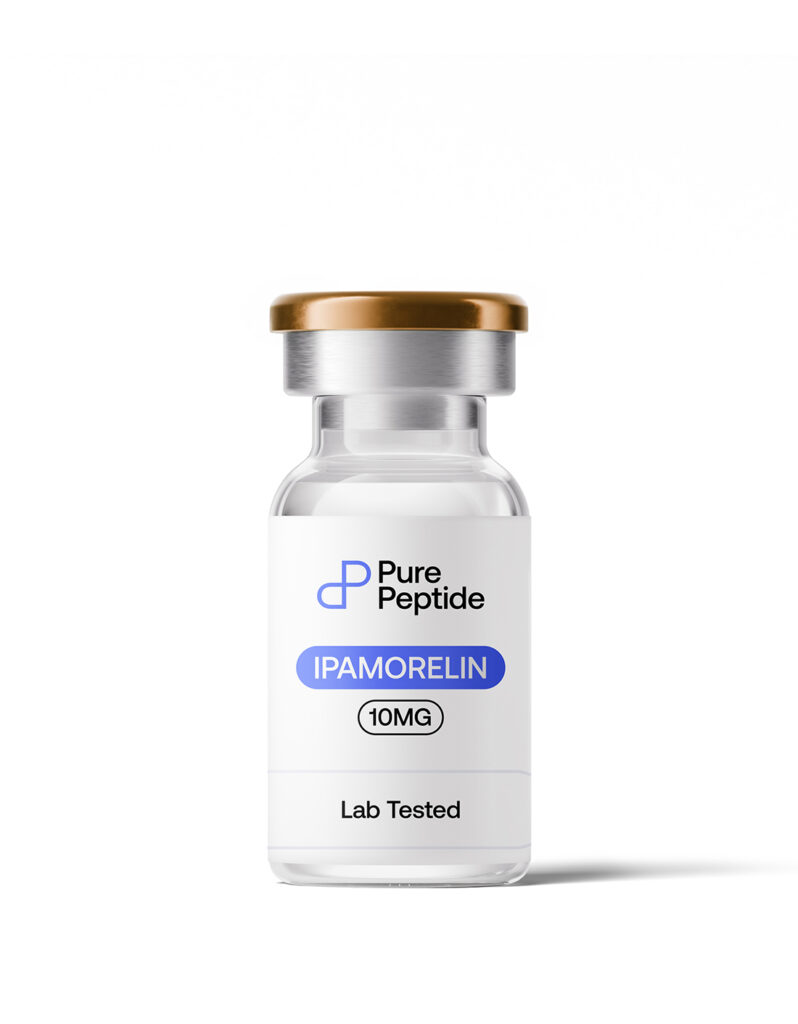
CJC-1295 and Ipamorelin work synergistically to elevate growth hormone levels without the dramatic spikes that can cause side effects. The CJC-1295 and ipamorelin blend offers sustained GH elevation that supports overnight fat burning and recovery.
Emerging Multi-Receptor Agonists
The newest frontier in peptide therapy involves compounds that activate three or more receptor systems simultaneously.
Retatrutide acts as a triple agonist, targeting GLP-1, GIP, and glucagon receptors. Early phase 2 trials demonstrated weight reductions exceeding 24% in some participants. This retatrutide peptide represents the next generation of metabolic optimization, addressing multiple pathways that regulate energy balance.
Comparing Fat Loss Peptides to Traditional Methods
Traditional weight loss approaches typically focus on creating a caloric deficit through diet modification and increased physical activity. While these fundamentals remain important, fat loss peptides offer several distinct advantages that enhance results and improve adherence.
Metabolic Adaptation Prevention
One of the biggest challenges in sustained weight loss is metabolic adaptation-the body's tendency to reduce energy expenditure in response to caloric restriction. This survival mechanism can reduce metabolic rate by 200-400 calories per day, making further fat loss increasingly difficult.
Fat loss peptides help counteract this adaptation by:
- Maintaining lean muscle mass, which drives resting metabolism
- Supporting thyroid function and metabolic hormone production
- Reducing hunger signals that intensify during traditional dieting
- Improving insulin sensitivity to optimize nutrient partitioning
Appetite Regulation vs. Willpower
Traditional dieting relies heavily on sustained willpower to resist hunger signals. Fat loss peptides fundamentally change this equation by modulating the biological drive to eat. GLP-1 receptor agonists, for example, reduce subjective hunger ratings by up to 60% in clinical studies.
This isn't about suppressing appetite through stimulants that stress the nervous system. Instead, these peptides normalize satiety signaling so that smaller portions feel genuinely satisfying. The difference in adherence rates speaks to this advantage-peptide-assisted programs show completion rates above 70%, compared to 20-30% for diet-only interventions.

Optimizing Results with Fat Loss Peptides
Success with peptide therapy extends beyond simply administering the compound. Several factors determine the magnitude and sustainability of results.
Dosing Protocols and Timing
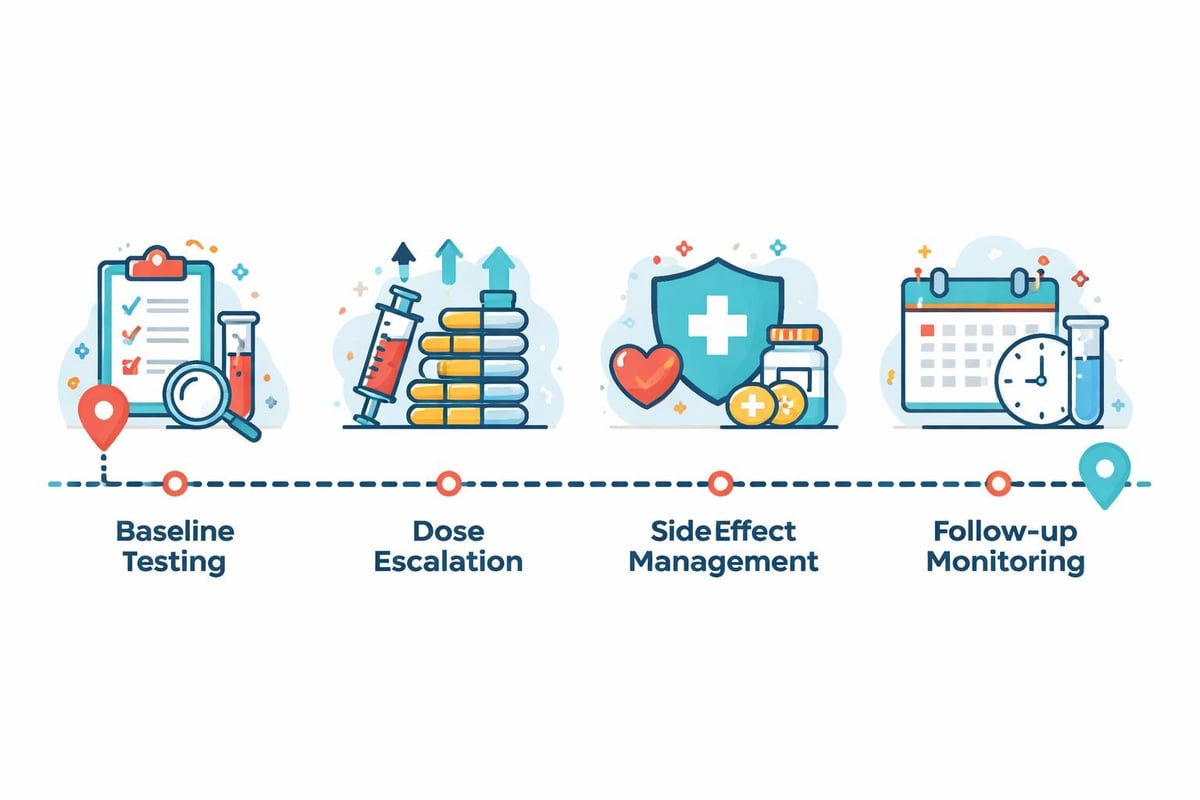
Most fat loss peptides require gradual dose escalation to minimize gastrointestinal side effects. A typical protocol might begin with:
- Week 1-4: 0.25 mg weekly (for semaglutide-class peptides)
- Week 5-8: 0.5 mg weekly
- Week 9-12: 1.0 mg weekly
- Week 13+: Maintenance dose of 1.0-2.4 mg weekly
Timing matters as well. GLP-1 agonists work best when administered on the same day each week, while growth hormone secretagogues show optimal results when taken before bed on an empty stomach.
Complementary Lifestyle Factors
Peptide therapy produces the most dramatic results when combined with supportive nutrition and training protocols. Rather than requiring extreme measures, the focus shifts to sustainability:
Nutrition priorities include:
- Adequate protein intake (0.8-1.2g per pound of target body weight)
- Emphasis on whole, minimally processed foods
- Strategic meal timing to work with peptide mechanisms
- Hydration to support metabolic processes
Training considerations include:
- Resistance training 3-4 times weekly to preserve muscle
- Moderate cardiovascular activity for metabolic health
- Recovery practices to support hormonal optimization
- Progressive overload to maintain metabolic demand
Proper Reconstitution and Storage
The efficacy of fat loss peptides depends heavily on proper handling. Lyophilized peptides must be reconstituted with bacteriostatic water using sterile technique and appropriate injection syringes.
Storage requirements vary by peptide, but most reconstituted solutions should be:
- Refrigerated at 2-8°C (36-46°F)
- Protected from light exposure
- Used within 30-60 days of reconstitution
- Never frozen after reconstitution
Quality Considerations for Fat Loss Peptides
The therapeutic benefits of peptide therapy are only as reliable as the quality of the compounds themselves. The peptide industry spans a wide spectrum from pharmaceutical-grade products to questionable underground sources.
Purity Standards and Testing
High-quality peptides should meet or exceed 98% purity as verified through high-performance liquid chromatography (HPLC). This testing method separates and quantifies each component in the sample, identifying any degradation products, manufacturing impurities, or contamination.
Mass spectrometry provides additional verification by confirming the exact molecular weight and structure of the peptide. Together, these analytical methods ensure that the product contains what the label claims without harmful additives.
Reputable suppliers provide certificates of analysis from independent third-party laboratories. These documents should be batch-specific, recent, and include:
- HPLC purity percentage
- Mass spectrometry confirmation
- Endotoxin levels
- Heavy metal screening
- Microbial contamination testing
Manufacturing and Purification Methods
The synthesis and purification process significantly impacts the final product quality. Solid-phase peptide synthesis (SPPS) is the gold standard for producing research peptides, allowing for precise amino acid sequence control.
After synthesis, multiple purification steps remove incomplete sequences, protecting groups, and other impurities. Advanced purification methods include:
- Reverse-phase HPLC for separation by hydrophobicity
- Size-exclusion chromatography to remove aggregates
- Ion-exchange chromatography for charge-based separation
- Lyophilization under controlled conditions for stability
Premium suppliers invest in these comprehensive purification processes to ensure maximum efficacy and safety. When exploring options in the shop, looking for detailed quality specifications helps identify trustworthy sources.
Safety Profile and Monitoring
While fat loss peptides offer powerful benefits, responsible use requires understanding potential side effects and implementing appropriate monitoring protocols.
Common Side Effects
The most frequently reported side effects with GLP-1 receptor agonists include:
- Nausea (typically subsides after 2-4 weeks)
- Occasional vomiting during dose escalation
- Diarrhea or constipation
- Mild headaches
- Injection site reactions
These effects are generally dose-dependent and diminish as the body adapts. Slower dose escalation significantly reduces their incidence and severity.
Growth hormone secretagogues may cause:
- Temporary water retention
- Mild joint discomfort
- Increased hunger (typically transient)
- Sleep disruption if timing is suboptimal
Monitoring and Bloodwork
Comprehensive metabolic panels help track progress and identify any concerning changes. Recommended monitoring includes:
| Marker | Baseline | Follow-up Frequency | Significance |
|---|---|---|---|
| Fasting glucose | Yes | Every 3 months | Metabolic health |
| HbA1c | Yes | Every 3-6 months | Long-term glucose control |
| Lipid panel | Yes | Every 3 months | Cardiovascular risk |
| Liver enzymes | Yes | Every 3-6 months | Hepatic function |
| Thyroid panel | Yes | Every 6 months | Metabolic rate |
| IGF-1 | If using GH peptides | Every 3 months | GH activity |
Contraindications
Certain individuals should avoid or carefully consider peptide therapy:
- Personal or family history of medullary thyroid carcinoma
- Multiple endocrine neoplasia syndrome type 2
- Active pancreatitis or history of peptide-induced pancreatitis
- Pregnancy or planned pregnancy
- Severe gastrointestinal disorders
Combining Multiple Peptides for Enhanced Results
Advanced protocols often stack multiple peptides to address different aspects of body composition and metabolic health. When done thoughtfully, these combinations can produce synergistic effects.
Complementary Mechanisms
Pairing peptides with different mechanisms creates a comprehensive approach:
GLP-1 agonist + Growth hormone secretagogue combines appetite regulation with enhanced lipolysis and muscle preservation. This stack addresses both caloric intake and metabolic output.
Multi-receptor agonist + Recovery peptide supports intensive training during fat loss phases. Adding compounds like BPC-157 helps manage the physical demands of maintaining activity levels while in a deficit.
Cycling Strategies
Some practitioners implement cycling protocols to prevent receptor desensitization and maintain responsiveness:
- 12 weeks on primary fat loss peptide
- 4 weeks at maintenance dose or transition peptide
- Resume primary protocol with potentially lower maintenance dose
This approach may help sustain long-term results, though individual responses vary considerably.
Long-Term Sustainability and Maintenance
The most significant challenge with any weight loss intervention is maintaining results after the initial reduction phase. Fat loss peptides offer unique advantages for long-term weight maintenance.
Transitioning to Maintenance
Rather than abruptly discontinuing peptide therapy, gradual transitions to maintenance protocols preserve results while minimizing rebound weight gain. Strategies include:
- Reducing to the minimum effective dose for weight stability
- Transitioning from daily to less frequent dosing protocols
- Implementing periodic "pulse" protocols (1 month on, 1 week off)
- Combining lower peptide doses with optimized lifestyle factors
Metabolic Advantages
Research suggests that individuals who achieve weight loss through peptide-assisted protocols may have better metabolic outcomes than those using traditional methods alone. Preserved lean muscle mass, improved insulin sensitivity, and normalized hunger signaling create a more favorable environment for maintenance.
Studies tracking participants 1-2 years after discontinuing peptide therapy show that those who maintain lifestyle modifications retain 60-80% of their initial weight loss-significantly better than the typical 20-30% retention seen with diet-only approaches.
Practical Implementation Guidelines
Starting a peptide protocol requires careful planning and systematic execution. These practical steps help ensure safe and effective implementation.
Pre-Start Preparation
Before beginning any fat loss peptide protocol:
- Complete comprehensive baseline bloodwork
- Document starting metrics (weight, body composition, measurements, photos)
- Establish realistic timeline and goal weight
- Gather necessary supplies (syringes, alcohol pads, storage containers)
- Create support system and accountability measures
Administration Best Practices
Proper injection technique maximizes results and minimizes complications:
- Rotate injection sites to prevent lipohypertrophy
- Use alcohol pads for sterile preparation
- Inject subcutaneously at a 45-90 degree angle
- Apply gentle pressure after injection (no rubbing)
- Dispose of sharps properly in puncture-resistant container
Tracking and Adjustment
Systematic tracking helps identify what's working and when adjustments are needed:
- Weekly weigh-ins (same day, same time, same conditions)
- Bi-weekly progress photos in consistent lighting
- Monthly body composition analysis
- Quarterly bloodwork to monitor metabolic markers
- Daily journal of hunger levels, energy, and side effects
When progress stalls, potential adjustments include dose modifications, adding complementary lifestyle interventions, or transitioning to an alternative peptide with different mechanisms.
Fat loss peptides represent a significant advancement in metabolic optimization, offering targeted approaches that work with the body's natural regulatory systems rather than against them. The key to successful implementation lies in selecting high-quality compounds, following evidence-based protocols, and combining peptide therapy with sustainable lifestyle practices. Pure Peptide provides access to premium quality peptides with verified purity and potency, backed by rigorous testing and quality control standards. Whether you're beginning your weight management journey or looking to optimize existing protocols, starting with products you can trust makes all the difference in achieving your goals.