

The world of peptide-based skincare and wellness solutions continues to expand rapidly, with hexapeptide 9 emerging as one of the most promising compounds for addressing age-related concerns. This six-amino-acid sequence has garnered significant attention from researchers and formulators due to its unique ability to stimulate collagen synthesis and enhance skin firmness. Unlike many traditional anti-aging ingredients that work through irritation or exfoliation, hexapeptide 9 operates at the cellular level by mimicking natural biological signals. Understanding how this peptide functions, its evidence-based benefits, and optimal application strategies can help individuals make informed decisions about incorporating it into their wellness regimens.
Understanding the Molecular Structure and Mechanism
Hexapeptide 9 belongs to the broader family of signal peptides, which are short chains of amino acids designed to communicate specific instructions to cells. The specific sequence of this peptide allows it to penetrate the skin barrier and interact with fibroblasts, the cells responsible for producing collagen, elastin, and other structural proteins in the dermis.
How Signal Peptides Function
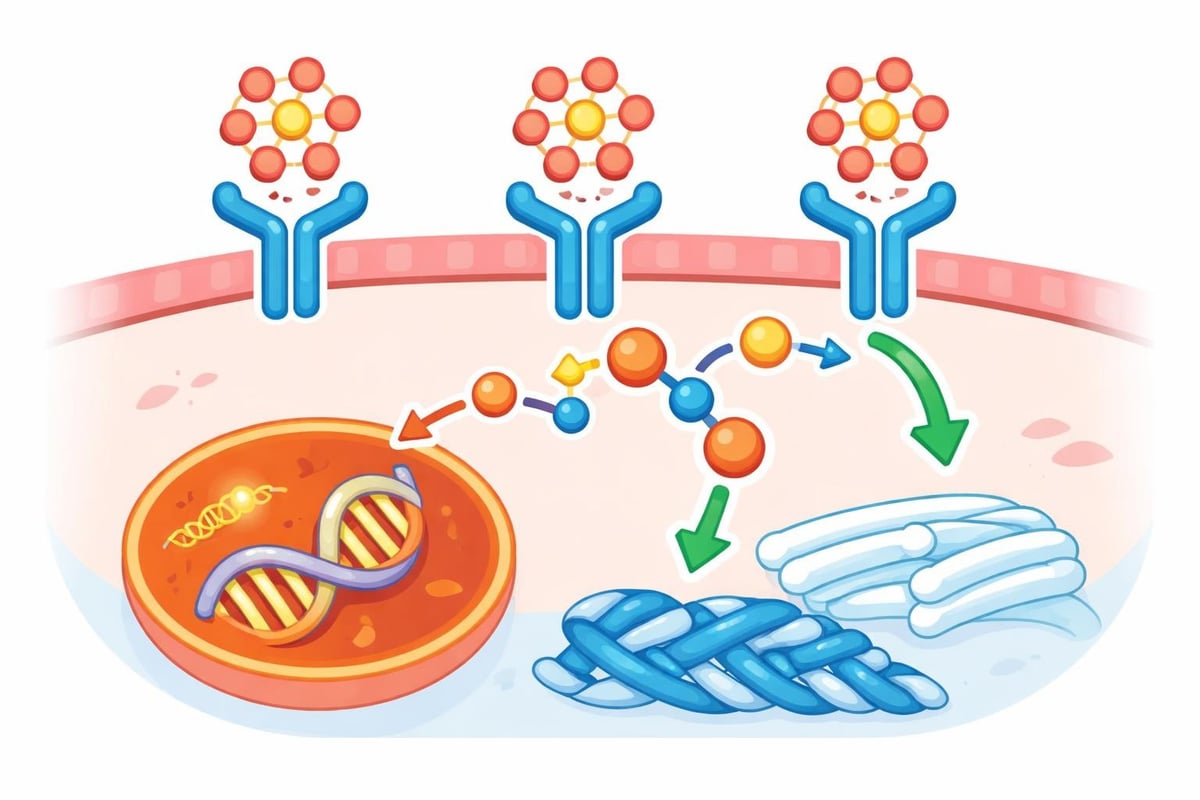
When hexapeptide 9 reaches fibroblast cells, it acts as a messenger molecule that triggers increased production of extracellular matrix components. This process differs fundamentally from how retinoids or acids work, making peptides an excellent option for those seeking gentler yet effective anti-aging solutions.
Key mechanisms include:
- Binding to specific cell surface receptors
- Activating intracellular signaling cascades
- Upregulating genes responsible for collagen synthesis
- Supporting the organization of dermal matrix proteins
- Reducing matrix metalloproteinase activity that breaks down collagen
The molecular weight of hexapeptide 9 allows for optimal penetration while maintaining stability in formulations. This balance is critical for peptides to deliver measurable results, as they must reach viable skin layers without degrading during storage or application.
Research published in clinical trials comparing peptide efficacy demonstrates how modified versions of this peptide can outperform traditional ingredients in reducing visible signs of aging. The study evaluated a cyclized form of hexapeptide 9 against retinol, finding superior improvements in skin texture and firmness.
Evidence-Based Benefits and Clinical Applications
The growing body of research surrounding hexapeptide 9 reveals multiple applications across skincare and tissue regeneration. Scientists continue to explore how this peptide can address various age-related changes at the cellular level.
Collagen Production Enhancement
One of the most significant benefits documented in studies involves the peptide's ability to stimulate type I and type III collagen synthesis. These collagen types comprise the majority of skin's structural support, and their decline contributes to wrinkle formation and sagging.
| Benefit Category | Mechanism | Timeframe for Results |
|---|---|---|
| Collagen Synthesis | Fibroblast activation | 4-8 weeks |
| Skin Firmness | ECM reorganization | 6-12 weeks |
| Wrinkle Reduction | Dermal thickness increase | 8-16 weeks |
| Hydration Support | GAG production | 2-4 weeks |
According to research on hexapeptide 9 applications, consistent use leads to measurable improvements in skin elasticity and smoothness. The peptide doesn't just increase collagen quantity but also supports proper fiber organization for functional structural improvement.
Anti-Aging and Skin Texture Improvements
Beyond collagen stimulation, hexapeptide 9 contributes to comprehensive skin rejuvenation through multiple pathways. The peptide influences glycosaminoglycan production, which helps maintain dermal hydration and volume.
Observable improvements include:
- Reduction in fine line depth and visibility
- Enhanced skin bounce and resilience
- Improved overall smoothness and texture
- More even skin tone and reduced dullness
- Better moisture retention capacity
The detailed analysis of hexapeptide 9 functions highlights how this ingredient works synergistically with other skincare actives. This compatibility makes it valuable for comprehensive anti-aging formulations that address multiple concerns simultaneously.
Comparing Hexapeptide 9 to Traditional Anti-Aging Ingredients
Understanding how hexapeptide 9 stacks up against established anti-aging compounds helps contextualize its place in modern skincare science. While retinoids have long dominated the anti-aging market, peptides offer distinct advantages for certain users and applications.
Retinol Versus Peptide Approaches
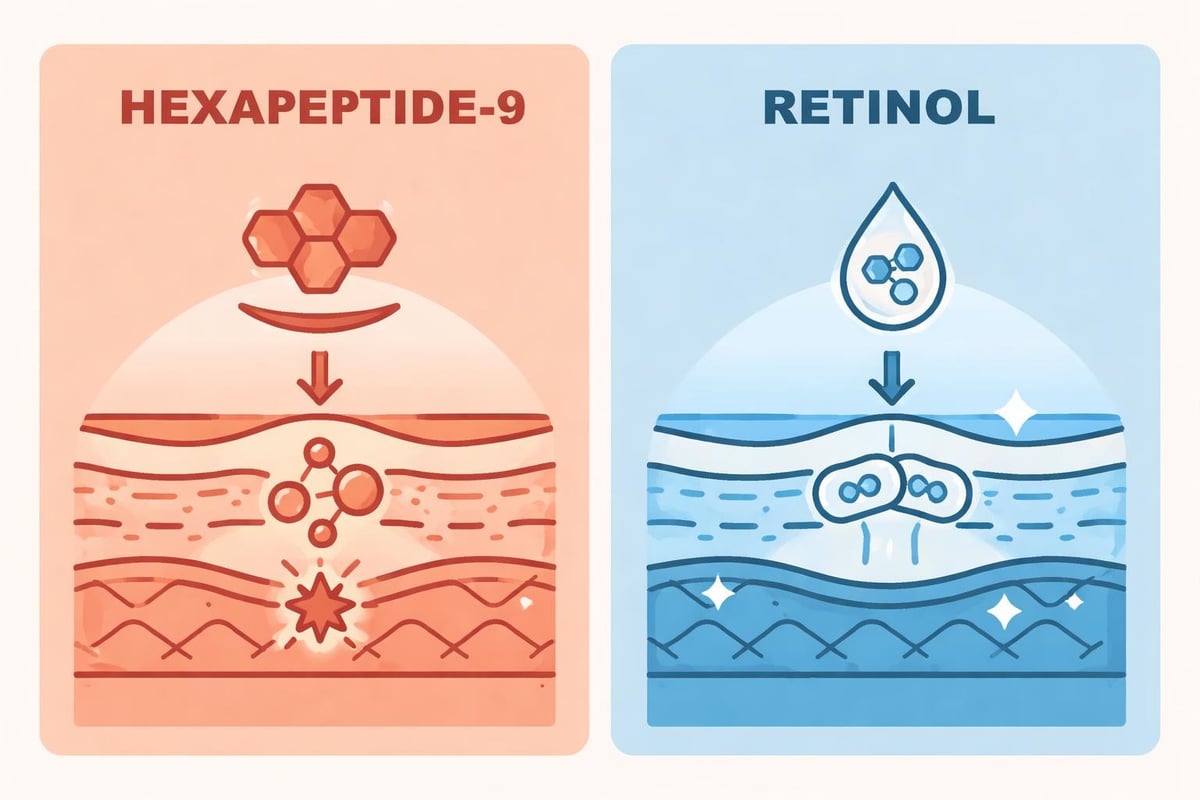
Recent comparative clinical trials reveal fascinating insights into how hexapeptide 9 performs against vitamin A derivatives. The randomized, double-blinded study demonstrated that cyclized hexapeptide 9 produced superior results in reducing aging symptoms while causing significantly less irritation.
| Feature | Hexapeptide 9 | Retinol |
|---|---|---|
| Irritation Risk | Low | Moderate to High |
| Photosensitivity | None | Significant |
| Pregnancy Safety | Generally safer | Contraindicated |
| Results Timeline | 6-12 weeks | 8-16 weeks |
| Mechanism | Signal peptide | Cell turnover acceleration |
This doesn't mean hexapeptide 9 should replace all retinoid use, but rather that it provides a valuable alternative for sensitive skin types or those who cannot tolerate vitamin A derivatives. Many formulators now combine both ingredients at appropriate concentrations for complementary benefits.
Combination Strategies
The comprehensive ingredient overview emphasizes that hexapeptide 9 works exceptionally well in multi-ingredient formulations. Pairing it with other peptides, antioxidants, and hydrating compounds can amplify overall results.
Optimal Use Protocols and Application Guidelines
Maximizing the benefits of hexapeptide 9 requires understanding proper concentration ranges, application techniques, and complementary practices. While this peptide demonstrates excellent tolerance profiles, strategic use enhances efficacy.
Concentration and Formulation Considerations
Effective hexapeptide 9 concentrations typically range from 2% to 10% in skincare formulations. Higher concentrations don't necessarily produce proportionally better results, as receptor saturation limits cellular response beyond certain thresholds.
Formulation factors that influence efficacy:
- pH levels between 5.0 and 7.0 for stability
- Inclusion of penetration enhancers for deeper delivery
- Appropriate preservative systems to prevent degradation
- Encapsulation technologies for sustained release
- Complementary ingredients that support collagen synthesis
Those exploring peptide-based solutions should review quality peptide sources that maintain strict purity standards. The stability of hexapeptide 9 depends heavily on proper manufacturing and storage conditions.
Application Timing and Frequency
For topical applications, hexapeptide 9 works best when applied to clean, slightly damp skin. This allows optimal penetration while the skin barrier is temporarily more permeable. Most protocols recommend twice-daily application for consistent results.
- Cleanse skin thoroughly to remove barriers to absorption
- Apply hexapeptide 9 serum or formulation to target areas
- Allow 60-90 seconds for initial absorption
- Layer additional products from thinnest to thickest consistency
- Use sun protection during daytime hours
- Maintain consistent application for minimum 8-12 weeks
The ingredient analysis resources note that results accumulate over time rather than appearing immediately. Patience and consistency prove essential for realizing the full potential of peptide therapies.
Safety Profile and Considerations
One of hexapeptide 9's most attractive features is its excellent safety record across diverse populations. Unlike many potent anti-aging ingredients, this peptide rarely causes adverse reactions when properly formulated.
Tolerance and Side Effect Profile
Clinical studies consistently report minimal side effects associated with hexapeptide 9 use. The peptide's biomimetic nature means the body recognizes and processes it without triggering inflammatory responses common with more aggressive treatments.
Reported tolerance characteristics:
- Suitable for sensitive skin types
- No photosensitivity concerns
- Minimal irritation or redness
- Compatible with most other actives
- Low allergenic potential
However, individuals should still perform patch testing before widespread application, particularly when using concentrated formulations. Those with specific peptide allergies or sensitivities should consult healthcare providers before beginning use.
Special Population Considerations
While hexapeptide 9 demonstrates better safety profiles than many alternatives, certain populations should exercise additional caution. Pregnant and breastfeeding individuals should discuss peptide use with their physicians, though current evidence suggests lower risk compared to retinoids.
The detailed skincare applications guide provides additional context for understanding appropriate use across different demographics and skin conditions.

Quality Standards and Product Selection
Not all hexapeptide 9 products deliver equivalent results. Variations in purity, stability, and formulation quality significantly impact efficacy, making informed product selection crucial for achieving desired outcomes.
Purity and Manufacturing Standards
High-quality hexapeptide 9 should meet minimum purity standards of 95% or higher, with rigorous testing to confirm amino acid sequence accuracy. Contamination or degradation can reduce effectiveness while potentially introducing unwanted substances.
Quality indicators to evaluate:
- Third-party testing and certificates of analysis
- Proper storage in light-protected, temperature-controlled environments
- Clear labeling of peptide concentration and additional ingredients
- Manufacturer reputation and production facility certifications
- Stability testing data demonstrating shelf life
Reputable suppliers like Pure Peptide emphasize quality control measures that ensure peptide integrity from production through delivery. These standards become increasingly important as the peptide market expands.
Evaluating Product Claims
The peptide industry contains both legitimate scientific innovation and exaggerated marketing claims. Consumers should approach product selection with critical thinking and focus on evidence-based benefits rather than unrealistic promises.
When researching options, reviewing customer experiences and testimonials provides practical insights into real-world results. However, individual responses vary based on skin type, age, environmental factors, and overall skincare regimen.
Integration with Comprehensive Wellness Approaches
While hexapeptide 9 offers impressive benefits on its own, combining it with other evidence-based practices amplifies results and supports overall skin health. A holistic approach addresses aging through multiple complementary mechanisms.
Synergistic Lifestyle Factors
The effectiveness of any topical ingredient depends partially on supporting internal health factors. Collagen synthesis requires adequate nutrition, hydration, and cellular resources that lifestyle choices directly influence.
Supporting practices include:
- Consuming sufficient protein and vitamin C for collagen building blocks
- Maintaining hydration for optimal cellular function
- Protecting skin from UV damage through sun protection
- Managing stress levels that affect skin barrier function
- Getting adequate sleep for cellular repair processes
For those exploring comprehensive peptide-based wellness solutions, exploring various peptide applications reveals how different compounds address distinct aspects of health and aging.
Multi-Peptide Strategies
Many advanced formulations combine hexapeptide 9 with other signal peptides, carrier peptides, and neurotransmitter-affecting peptides for comprehensive benefits. This strategy targets multiple aging pathways simultaneously rather than relying on a single mechanism.
| Peptide Type | Primary Function | Complements Hexapeptide 9 |
|---|---|---|
| Copper Peptides | Wound healing, antioxidant | Yes, different pathways |
| Matrixyl (Palmitoyl Pentapeptide) | Collagen stimulation | Yes, synergistic effect |
| Argireline | Expression line reduction | Yes, different mechanism |
| Tripeptide-1 | Collagen support | Yes, complementary action |
Understanding how different peptides work together helps create optimized regimens tailored to specific concerns and goals. Those interested in exploring various options can review available peptide product ranges to identify appropriate solutions.
Future Research Directions and Emerging Applications
The science surrounding hexapeptide 9 continues evolving as researchers explore new applications, delivery methods, and combination strategies. Ongoing studies investigate both refinements to existing uses and entirely novel applications.
Enhanced Delivery Systems
Current research focuses on improving how hexapeptide 9 penetrates skin and reaches target cells. Innovations in encapsulation technology, nanocarriers, and penetration enhancement may significantly boost efficacy in coming years.
Scientists are also exploring cyclized versions of the peptide, which demonstrate improved stability and potentially enhanced receptor binding. The superior performance of cyclized variants in clinical trials suggests this modification holds promise for next-generation formulations.
Expanded Therapeutic Applications
While hexapeptide 9 currently focuses primarily on cosmetic anti-aging applications, researchers are investigating potential uses in wound healing, scar reduction, and post-procedure recovery. The peptide's ability to stimulate organized collagen production may benefit these therapeutic contexts.
Ongoing studies also examine how hexapeptide 9 interacts with other emerging technologies like microneedling, radiofrequency treatments, and laser therapies. Combining peptide delivery with these modalities may enhance results beyond what either approach achieves independently.
For those interested in staying current with peptide research and applications, consulting frequently asked questions can provide answers to common concerns while highlighting emerging developments in the field.
Hexapeptide 9 represents a scientifically validated approach to addressing age-related skin changes through targeted collagen stimulation and cellular signaling. Its excellent safety profile, documented efficacy, and compatibility with other ingredients make it a valuable component of comprehensive anti-aging strategies. Whether you're exploring peptide therapies for the first time or seeking to optimize existing regimens, Pure Peptide offers premium-quality peptide solutions backed by rigorous purity standards and expert formulation guidance to support your wellness journey.