

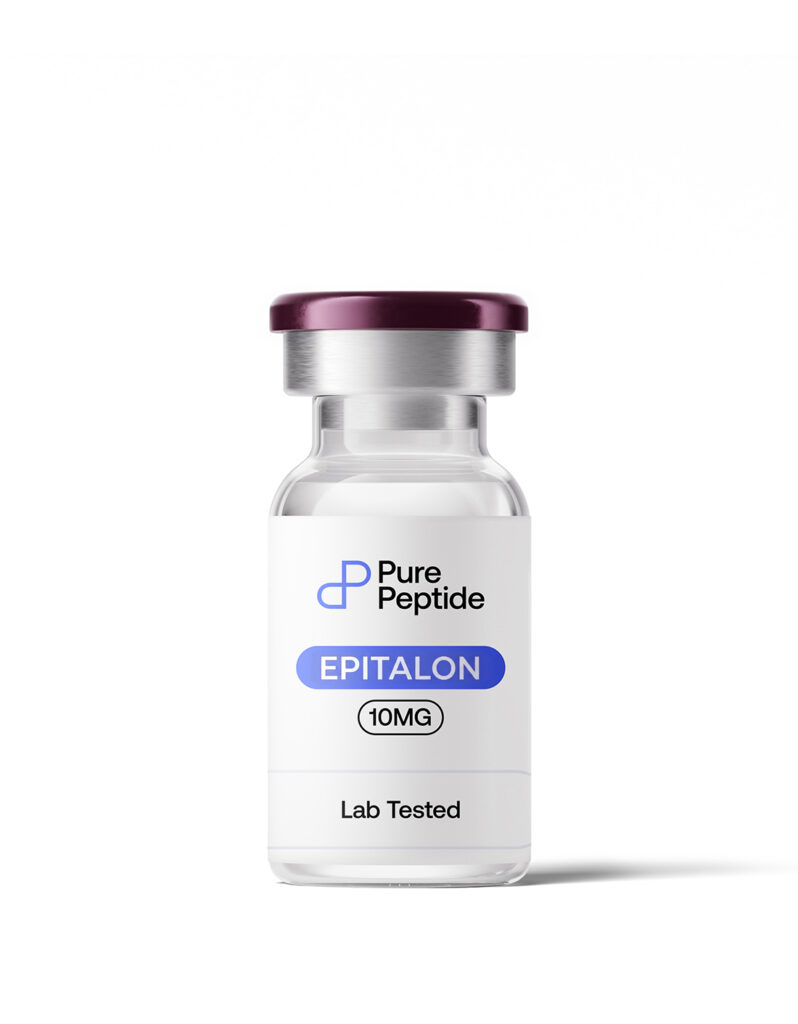
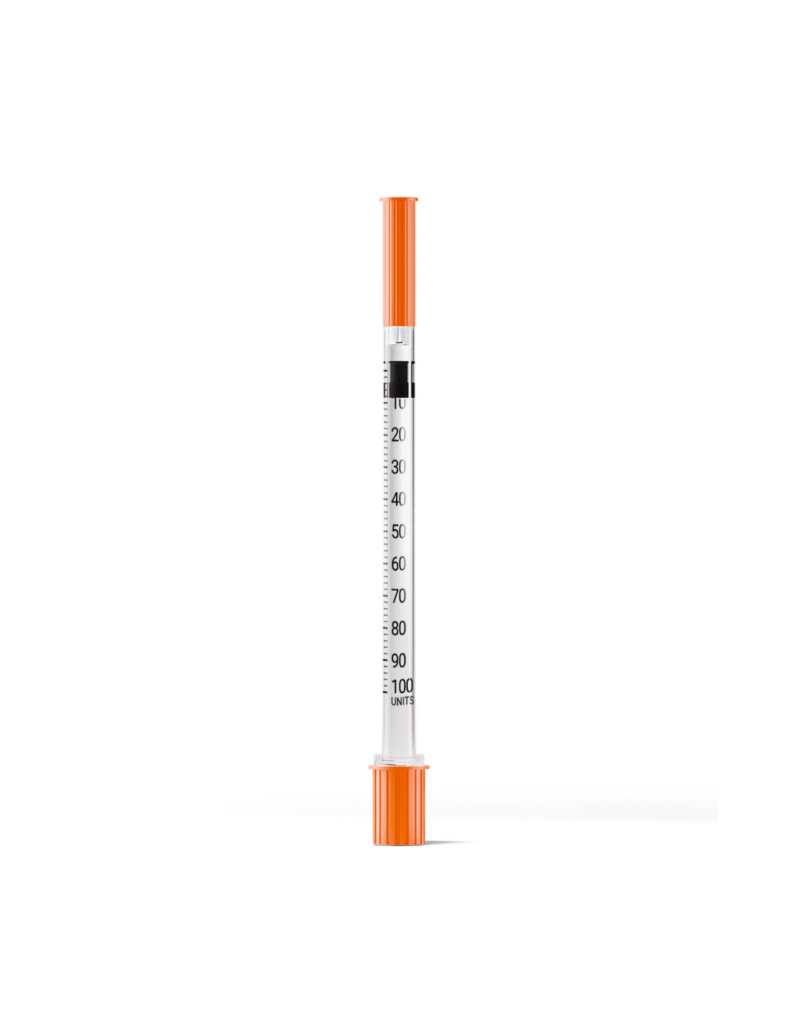
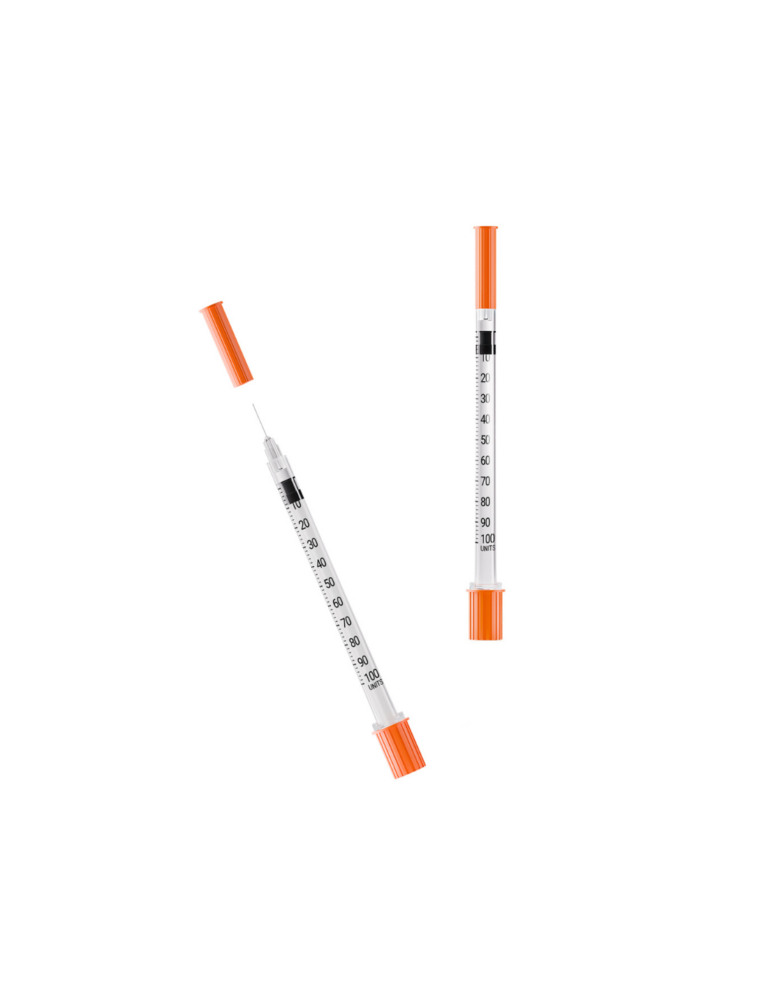

Research into performance-enhancing peptides has accelerated significantly over the past decade, with compounds designed to optimize muscle growth, recovery, and body composition gaining attention from researchers and athletes alike. Among these peptides, igf1 lr3 stands out as a modified version of naturally occurring Insulin-Like Growth Factor 1, engineered to provide extended biological activity and enhanced effectiveness. This synthetic peptide has become a subject of considerable scientific inquiry due to its potential applications in supporting muscle development, cellular repair, and metabolic optimization.
Understanding the Science Behind IGF-1 LR3
Insulin-Like Growth Factor 1 Long R3, commonly abbreviated as igf1 lr3, represents a synthetically modified variant of endogenous IGF-1. The modification involves substituting arginine for glutamic acid at position 3 and adding a 13-amino acid extension at the N-terminus. These structural alterations fundamentally change how the peptide interacts with binding proteins in the body.
The primary advantage of these modifications lies in reduced binding affinity to IGF binding proteins (IGFBPs). Natural IGF-1 binds strongly to these proteins, which limits its bioavailability and shortens its half-life in circulation. According to comprehensive research on IGF-1 LR3 structure and activity, the modified version exhibits approximately three times longer half-life compared to standard IGF-1, extending from hours to potentially 20-30 hours.

Biochemical Mechanisms and Cellular Actions
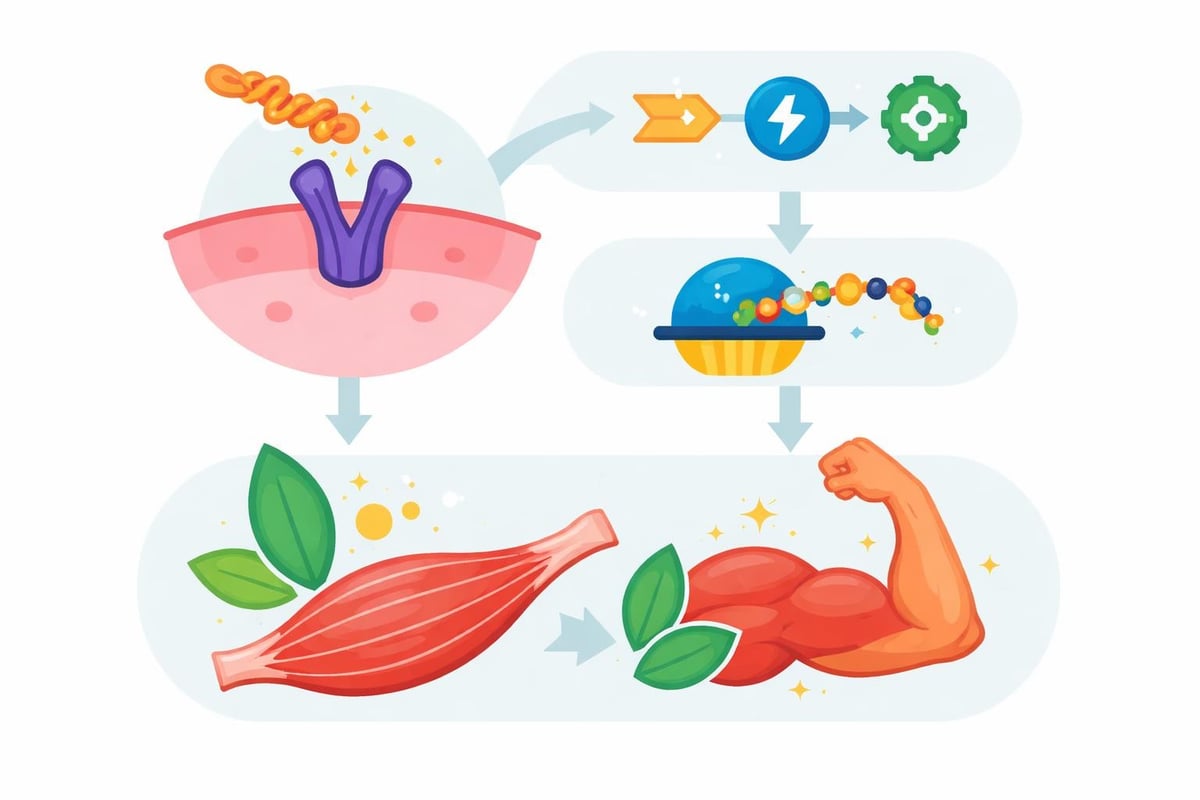
IGF-1 LR3 operates through activation of the IGF-1 receptor, triggering downstream signaling cascades that influence cellular proliferation, differentiation, and survival. This activation initiates the PI3K/AKT pathway, a critical signaling mechanism involved in protein synthesis, glucose metabolism, and cell growth regulation.
Key cellular processes influenced by igf1 lr3 include:
- Enhanced protein synthesis through mTOR pathway activation
- Increased glucose uptake in muscle tissue
- Reduced protein breakdown (anti-catabolic effects)
- Accelerated satellite cell activation for muscle repair
- Enhanced nitrogen retention in muscle tissue
The peptide's reduced binding to IGFBPs means more molecules remain free in circulation to interact with target receptors. This characteristic potentially makes igf1 lr3 more efficient than natural IGF-1 at lower concentrations, though individual responses vary based on multiple physiological factors.
Research Applications and Potential Benefits
Scientific investigation into igf1 lr3 has explored various applications, particularly in contexts related to muscle tissue development and metabolic function. While much research remains in preclinical stages, existing studies provide insights into the peptide's mechanisms and potential effects.
Muscle Growth and Development
Research examining muscle tissue responses to igf1 lr3 has demonstrated promising results in laboratory settings. Studies indicate that the peptide may support hyperplasia, the formation of new muscle cells, alongside traditional hypertrophy mechanisms that increase existing cell size. This dual action distinguishes it from many other compounds that primarily influence cell enlargement.
The peptide's influence on satellite cells represents a particularly significant mechanism. These dormant cells activate during muscle damage or stress, fusing with existing muscle fibers to support repair and growth. Scientific evidence on IGF-1 LR3’s muscle-building properties suggests enhanced satellite cell recruitment and proliferation in response to training stimulus.
| Mechanism | Effect on Muscle Tissue | Time Frame |
|---|---|---|
| Protein Synthesis | Increased production of contractile proteins | Hours to days |
| Satellite Cell Activation | Enhanced muscle repair capacity | Days to weeks |
| Hyperplasia | Formation of new muscle cells | Weeks to months |
| Glycogen Storage | Improved energy substrate availability | Hours to days |
Recovery and Tissue Repair
Beyond muscle growth, igf1 lr3 shows potential in supporting recovery processes following intense physical stress. The peptide's influence on cellular proliferation extends to various tissue types, potentially accelerating repair of damaged structures including tendons, ligaments, and connective tissues.
Recovery enhancement appears linked to several mechanisms. Increased protein synthesis provides building blocks for tissue reconstruction. Enhanced nutrient uptake ensures adequate substrate availability for repair processes. Anti-inflammatory effects may reduce excessive damage responses that can impair healing.
Athletes and researchers have noted particular interest in recovery applications, as reduced downtime between training sessions could enable more consistent progressive overload. However, individual responses vary considerably based on training status, nutrition, sleep quality, and genetic factors.
Dosage Protocols and Administration Guidelines
Establishing appropriate dosage protocols for igf1 lr3 requires careful consideration of individual factors, research objectives, and safety parameters. The peptide is typically administered through subcutaneous injection, with dosing frequency influenced by its extended half-life.
Common Dosage Frameworks
Research protocols have explored various dosing strategies, though standardized clinical guidelines remain limited due to the investigational nature of this compound. Detailed dosage information and research protocols suggest that conservative approaches typically start with lower amounts to assess individual tolerance.
Factors influencing appropriate dosage include:
- Body weight and composition
- Training intensity and frequency
- Concurrent supplement or medication use
- Previous peptide experience
- Specific performance or research objectives
The extended half-life of igf1 lr3 allows for less frequent administration compared to standard IGF-1, with many protocols utilizing every-other-day or three-times-weekly schedules. This reduced frequency may improve compliance and reduce injection site irritation.
Administration Techniques and Storage
Proper handling and storage of peptide compounds ensures maximum potency and safety. IGF-1 LR3 typically arrives as lyophilized powder requiring reconstitution with bacteriostatic water before use. For those exploring various peptide options, understanding proper preparation techniques is essential.
Reconstituted peptides generally require refrigeration at temperatures between 2-8°C (36-46°F) and should be used within prescribed timeframes to prevent degradation. Lyophilized powder stored properly in freezer conditions may maintain stability for extended periods.
Injection technique follows standard subcutaneous protocols, with common sites including abdominal tissue, thigh regions, or upper arm areas. Rotating injection sites helps prevent lipodystrophy and maintains consistent absorption patterns.
Safety Considerations and Potential Side Effects
While igf1 lr3 shows promise in research contexts, understanding potential risks and contraindications remains paramount. As with any biologically active compound, individual responses vary and some users experience adverse effects.
Documented Side Effects
Common reported side effects associated with igf1 lr3 use include hypoglycemia (low blood sugar), joint discomfort, and temporary water retention. The peptide's influence on glucose metabolism means individuals must monitor blood sugar levels carefully, particularly those with diabetes or insulin sensitivity issues.
Potential benefits and associated risks highlight the importance of medical supervision and regular monitoring during peptide protocols. More serious but less common concerns include potential effects on cell proliferation that warrant careful consideration.
Risk mitigation strategies include:
- Regular blood glucose monitoring, especially around injection times
- Adequate carbohydrate intake to prevent hypoglycemic episodes
- Gradual dose escalation to assess individual tolerance
- Periodic blood work to monitor metabolic markers
- Awareness of medications or supplements that influence blood sugar
Contraindications and Precautions
Certain populations should exercise extreme caution or avoid igf1 lr3 entirely. Individuals with active malignancies face theoretical risks due to the peptide's growth-promoting effects on cellular proliferation. Those with diabetic retinopathy may experience worsening of their condition.
Pregnant or nursing women should avoid investigational peptides due to unknown effects on fetal or infant development. Individuals with cardiovascular conditions require medical supervision given potential fluid retention effects.
Quality Standards and Sourcing Considerations
The peptide marketplace presents significant variability in product quality, purity, and authenticity. Compounds of questionable origin may contain impurities, incorrect concentrations, or entirely different substances than advertised. This variability poses both efficacy and safety concerns.
Purity and Testing Standards
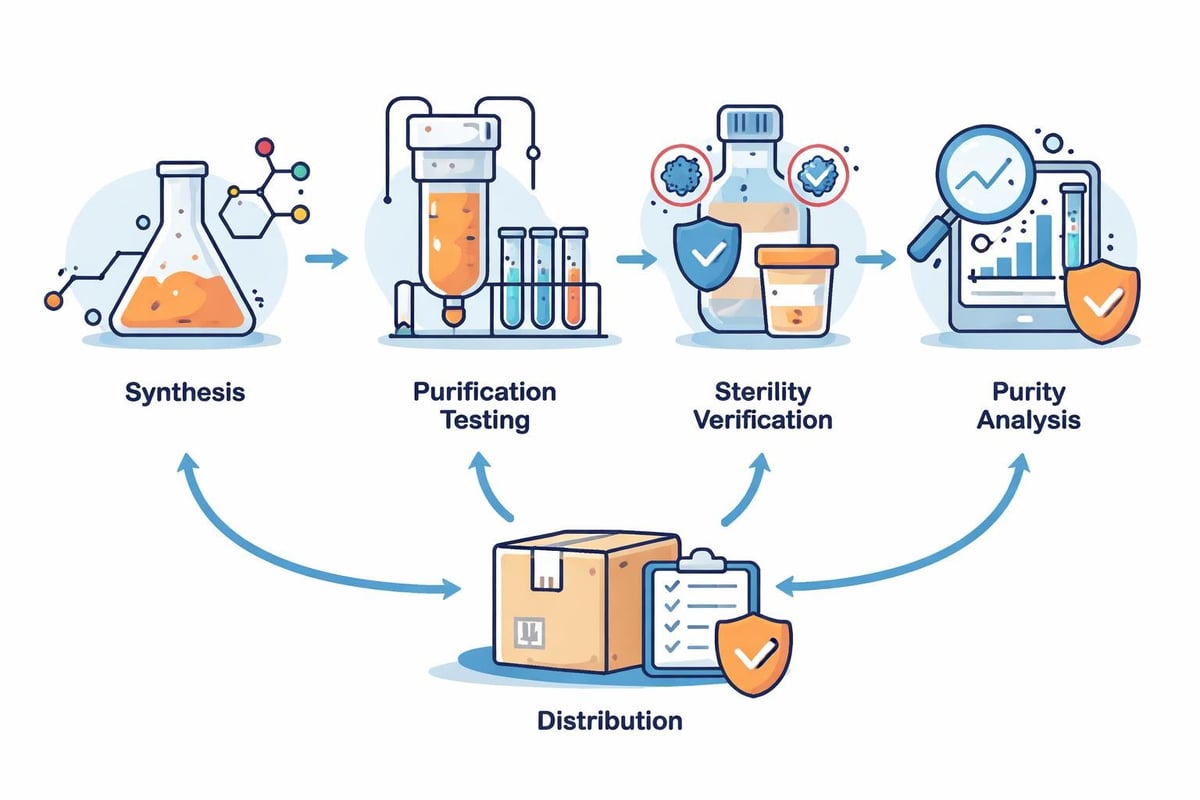
Reputable suppliers implement rigorous testing protocols including high-performance liquid chromatography (HPLC) to verify peptide identity and purity. Mass spectrometry provides additional confirmation of molecular structure. Third-party testing offers independent verification of manufacturer claims.
| Quality Indicator | Testing Method | Acceptable Range |
|---|---|---|
| Peptide Purity | HPLC Analysis | ≥98% |
| Molecular Weight | Mass Spectrometry | Within 0.01% of theoretical |
| Bacterial Endotoxins | LAL Test | <10 EU/mg |
| Sterility | USP Standards | No growth detected |
Premium suppliers invest in advanced purification methods and stringent quality control standards to ensure consistent product quality. These processes increase production costs but significantly reduce contamination risks and improve therapeutic reliability.
Selecting Reliable Suppliers
When researching peptide sources, several factors distinguish reputable providers from questionable vendors. Transparency regarding testing procedures, willingness to provide certificates of analysis (COA), and clear communication about peptide specifications all indicate professional operations.
Organizations specializing in research peptides, such as those offering comprehensive peptide catalogs, typically maintain higher standards than generic supplement retailers. These specialized providers understand the technical requirements and regulatory considerations specific to peptide compounds.
Customer reviews and community feedback provide additional insights into supplier reliability, though such information requires careful evaluation. Consistent positive experiences across multiple independent sources carry more weight than isolated testimonials.
Integration with Training and Nutrition
For individuals exploring igf1 lr3 in performance contexts, integration with comprehensive training and nutrition protocols maximizes potential benefits. The peptide functions as one component within a broader framework of progressive resistance training, adequate nutrition, and recovery optimization.
Optimizing Training Protocols
Research suggests that igf1 lr3 may enhance training adaptations when combined with structured progressive overload programs. The peptide's influence on protein synthesis and recovery could support increased training volume or frequency, though individual capacity varies significantly.
Training considerations when using igf1 lr3:
- Maintain progressive resistance training stimulus
- Monitor recovery markers and adjust volume accordingly
- Ensure adequate rest between sessions for tissue repair
- Consider periodization strategies to prevent overtraining
- Track performance metrics to assess response patterns
The peptide does not replace fundamental training principles. Consistent mechanical tension, metabolic stress, and muscle damage remain the primary drivers of muscular adaptation. IGF-1 LR3 may enhance these processes but cannot substitute for inadequate programming.
Nutritional Strategies
Adequate nutrition provides essential substrates for the anabolic processes initiated by igf1 lr3. Protein intake must meet or exceed standard recommendations for muscle growth, typically 1.6-2.2 grams per kilogram bodyweight daily. Carbohydrate availability becomes particularly important given the peptide's effects on glucose metabolism.
Timing nutrient intake around training and injection schedules may optimize results, though rigid adherence to specific timing windows appears less critical than total daily intake. Some protocols emphasize carbohydrate consumption near injection times to mitigate hypoglycemia risk while supporting anabolic signaling.
Micronutrient sufficiency supports the numerous enzymatic processes involved in protein synthesis and cellular repair. Deficiencies in zinc, magnesium, vitamin D, or other nutrients may limit adaptive capacity regardless of peptide intervention.
Regulatory Status and Legal Considerations
The legal status of igf1 lr3 varies significantly across jurisdictions and contexts. In the United States, the peptide is not approved by the FDA for human consumption and remains classified as an investigational compound. This status means it may be sold for research purposes but not marketed for human use.
Athletic Competition and Testing
Most professional and amateur sports organizations prohibit igf1 lr3 use under performance-enhancing substance regulations. The World Anti-Doping Agency (WADA) lists growth factors including IGF-1 analogs as prohibited substances both in and out of competition.
Athletes subject to drug testing should recognize that modern analytical methods can detect peptide use for extended periods. Detection windows depend on dosage, frequency, and individual metabolism, but sophisticated testing protocols continue advancing their capabilities.
Research and Personal Use Contexts
Individuals exploring peptides for personal research should understand the distinction between legal possession and intended use. Many suppliers explicitly state that products are "for research purposes only" to comply with regulatory frameworks. Users assume personal responsibility for compliance with applicable laws.
Healthcare providers occasionally explore peptide therapy in clinical contexts, though such use typically occurs within established medical practice frameworks and patient care relationships. Comprehensive FAQ resources can help clarify common questions about peptide research and applications.
Combining IGF-1 LR3 with Other Compounds
Some research protocols explore synergistic effects between igf1 lr3 and other peptides or supplements. Theoretical mechanisms suggest certain combinations may produce enhanced results compared to single-compound approaches, though evidence remains largely anecdotal or preliminary.
Peptide Stacks and Synergies
Growth hormone secretagogues like ipamorelin theoretically complement IGF-1 LR3 through different mechanisms. While growth hormone secretagogues stimulate endogenous production, IGF-1 LR3 provides direct receptor activation. This multi-pathway approach may produce distinct effects.
Recovery-focused peptides such as TB-500 address different aspects of tissue repair and may combine well with IGF-1 LR3's growth-promoting effects. However, combining multiple biologically active compounds increases complexity and potential for unexpected interactions.
Considerations for peptide combinations:
- Start with single compounds to assess individual responses
- Introduce additional peptides gradually to identify effects
- Monitor for unexpected interactions or amplified side effects
- Adjust dosages when combining multiple compounds
- Maintain detailed records of protocols and outcomes
Supplement Support Strategies
Beyond peptides, certain supplements may support the physiological processes influenced by igf1 lr3. Creatine monohydrate enhances cellular energy production and may complement growth-promoting effects. Essential amino acids provide building blocks for increased protein synthesis.
Glucose disposal agents or insulin-mimetic supplements theoretically support carbohydrate metabolism affected by the peptide, though such combinations require careful monitoring to prevent excessive blood sugar reduction. Conservative approaches prioritize safety over marginal efficacy gains.
Future Research Directions
Scientific investigation into igf1 lr3 continues evolving, with researchers exploring novel applications and refining understanding of its mechanisms. Ongoing studies examine dose-response relationships, optimal timing protocols, and potential therapeutic applications beyond muscle growth.
Emerging research explores tissue-specific targeting strategies that could enhance benefits while minimizing systemic effects. Delivery method innovations may improve bioavailability or allow more precise dosing. Long-term safety studies will provide crucial data for risk assessment.
The intersection of peptide research with personalized medicine approaches presents intriguing possibilities. Genetic profiling might eventually identify individuals most likely to respond favorably to specific peptides like igf1 lr3, enabling more targeted application strategies.
Regulatory developments will shape future availability and research directions. Increased medical interest could lead to formal clinical trials examining specific therapeutic applications. Conversely, regulatory restrictions might limit access or redirect research efforts.
Understanding igf1 lr3 requires appreciating both its potential applications and inherent limitations as an investigational compound. The peptide represents one tool among many for supporting muscle growth, recovery, and body composition optimization, with effectiveness dependent on proper integration within comprehensive training and nutrition frameworks. For those seeking premium quality peptides backed by rigorous testing standards and transparent quality assurance, Pure Peptide offers extensively purified compounds designed to meet the demands of serious researchers and performance-focused individuals committed to evidence-based approaches.