

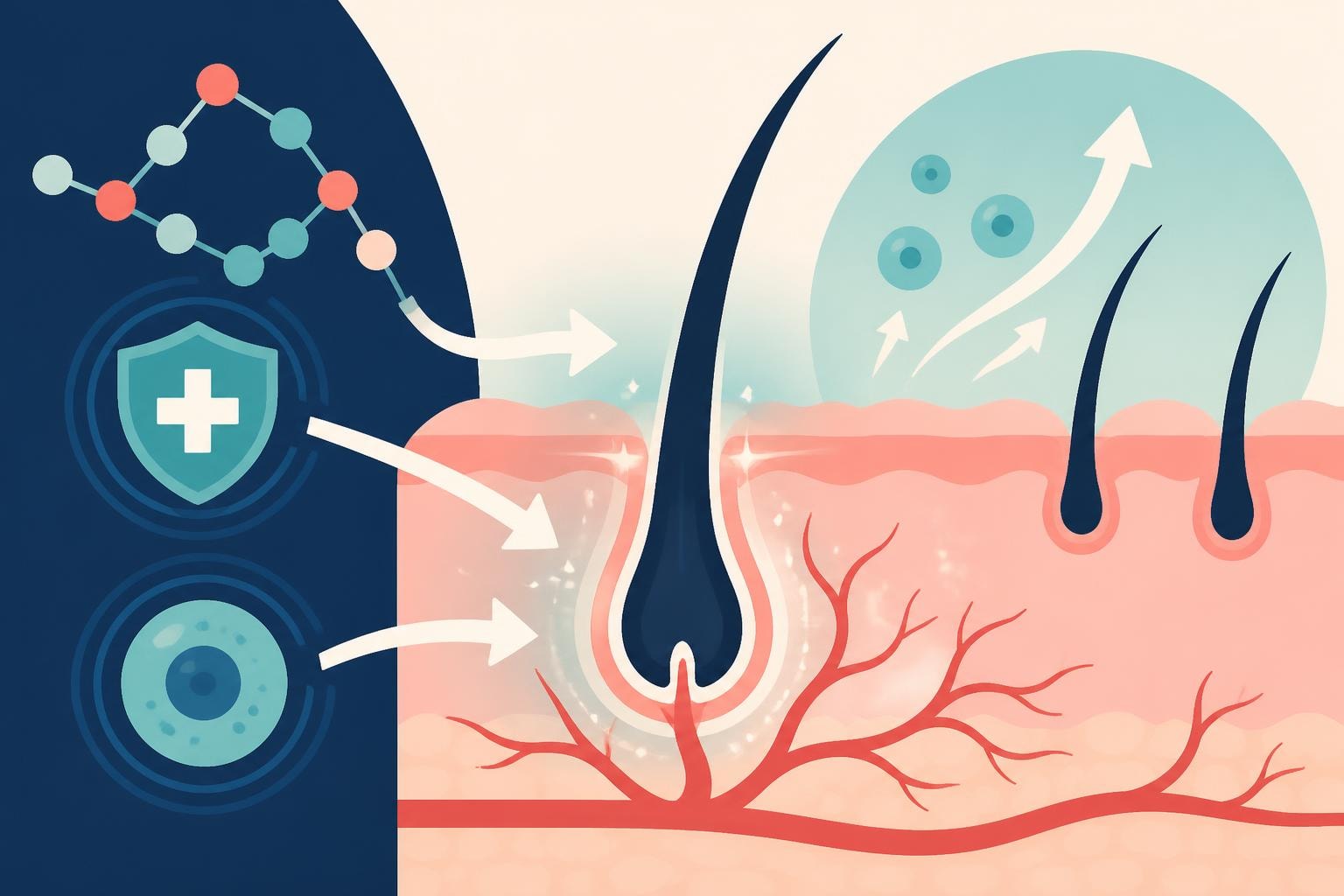
Hair loss affects millions of people worldwide, driving an ongoing search for effective treatments beyond traditional options. Among emerging therapeutic compounds, peptides have gained significant attention for their regenerative properties. BPC-157, a synthetic peptide originally studied for tissue repair and gut health, has recently sparked interest in the hair restoration community. While research into bpc 157 hair growth remains preliminary, early findings suggest this compound may influence follicle health through multiple biological pathways. Understanding the mechanisms, potential benefits, and limitations of BPC-157 for hair restoration helps individuals make informed decisions about incorporating peptides into their wellness protocols.
Understanding BPC-157 as a Regenerative Peptide
BPC-157 stands for Body Protection Compound-157, a synthetic pentadecapeptide derived from a protective protein found naturally in human gastric juice. Researchers initially investigated this compound for its ability to accelerate healing in various tissues, including tendons, ligaments, muscles, and the gastrointestinal tract.
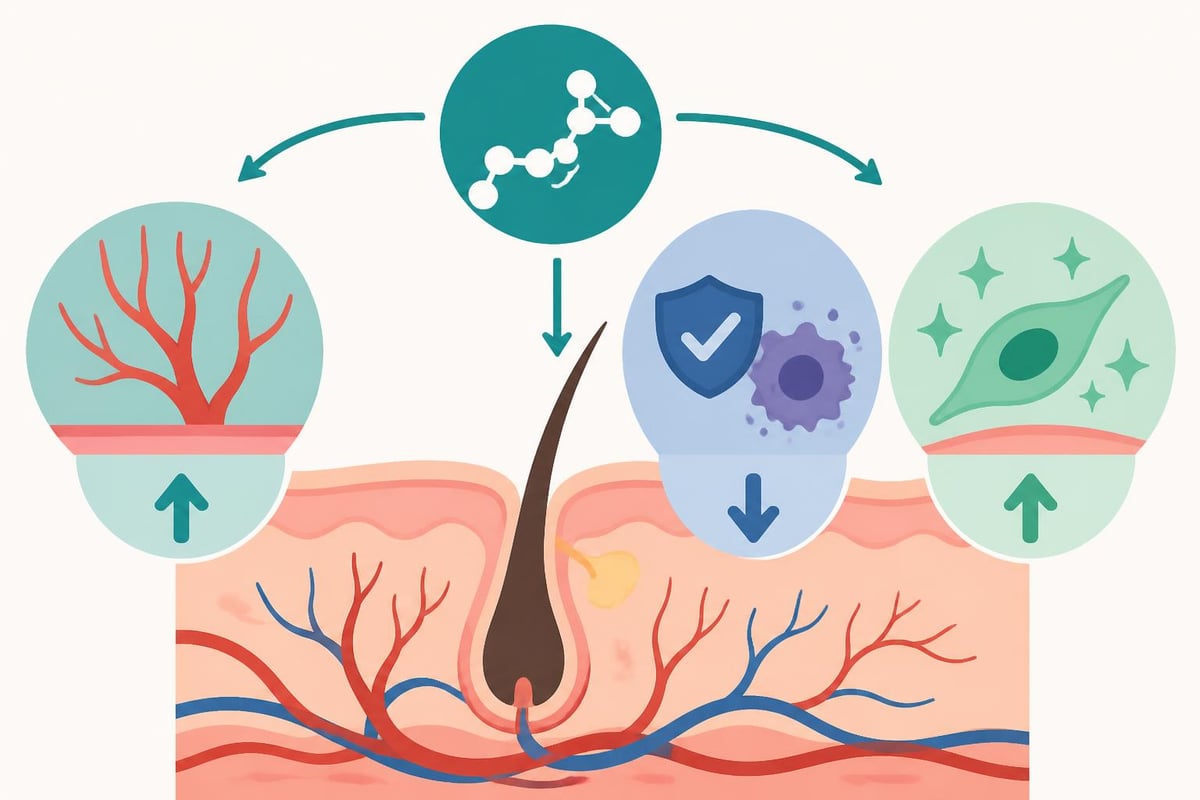
The peptide works through several well-documented mechanisms that support tissue regeneration. BPC-157 promotes angiogenesis, the formation of new blood vessels, which improves nutrient and oxygen delivery to damaged areas. It also modulates growth factors such as vascular endothelial growth factor (VEGF) and fibroblast growth factor (FGF), both crucial for cellular repair processes.
The Connection Between Tissue Repair and Hair Follicles
Hair follicles are among the most metabolically active structures in the human body, requiring constant nutrient supply and cellular turnover. Each follicle undergoes cyclical phases of growth (anagen), regression (catagen), and rest (telogen). Disruptions to this cycle through inflammation, poor circulation, or cellular damage can lead to hair thinning and loss.
Given BPC-157's demonstrated effects on tissue regeneration, researchers have begun exploring whether these same mechanisms might benefit hair follicle health. The peptide's anti-inflammatory properties and ability to enhance blood flow present theoretical advantages for addressing common causes of hair loss.
Scientific Mechanisms Behind BPC 157 Hair Growth Potential
The theoretical foundation for bpc 157 hair growth rests on several biological mechanisms that indirectly support follicle health. While direct human studies on BPC-157 and hair regeneration remain limited, existing research on the peptide's broader effects provides valuable insights.
Angiogenesis and Follicle Nourishment
Hair follicles depend on a rich vascular network to deliver essential nutrients, oxygen, and growth signals. BPC-157's well-documented angiogenic properties could theoretically improve microcirculation in the scalp, creating a more favorable environment for hair growth.
Studies have shown that BPC-157 upregulates VEGF expression, a key protein responsible for blood vessel formation. Enhanced vascularity around hair follicles may:
- Increase nutrient delivery to actively growing follicles
- Remove metabolic waste products more efficiently
- Support longer anagen (growth) phases
- Improve follicle miniaturization reversal
Anti-Inflammatory Effects on the Scalp Environment
Chronic inflammation plays a significant role in many forms of hair loss, including androgenetic alopecia and alopecia areata. Inflammatory cytokines can disrupt the hair growth cycle, trigger premature follicle regression, and damage stem cells necessary for regeneration.
BPC-157 demonstrates anti-inflammatory properties by modulating several inflammatory pathways. The peptide has been shown to reduce pro-inflammatory cytokines while promoting regulatory factors that resolve inflammation. For individuals experiencing hair loss linked to inflammatory conditions, this mechanism presents particular interest.
| Inflammatory Factor | BPC-157 Effect | Relevance to Hair Growth |
|---|---|---|
| TNF-alpha | Decreased | Reduces follicle damage |
| IL-6 | Modulated | Supports healing phase |
| NF-κB pathway | Inhibited | Prevents chronic inflammation |
| Growth factors | Increased | Promotes regeneration |
Cellular Protection and Stem Cell Support
Hair follicles contain stem cell populations responsible for generating new hair shafts during each growth cycle. Protecting these stem cells from oxidative stress and cellular damage is essential for maintaining hair density over time.
Research suggests BPC-157 exhibits cytoprotective properties, shielding cells from various forms of stress. The peptide may help preserve follicular stem cell function by reducing oxidative damage and supporting mitochondrial health, though specific studies on hair follicle stem cells are still needed.
Current Research Status and Evidence Gaps
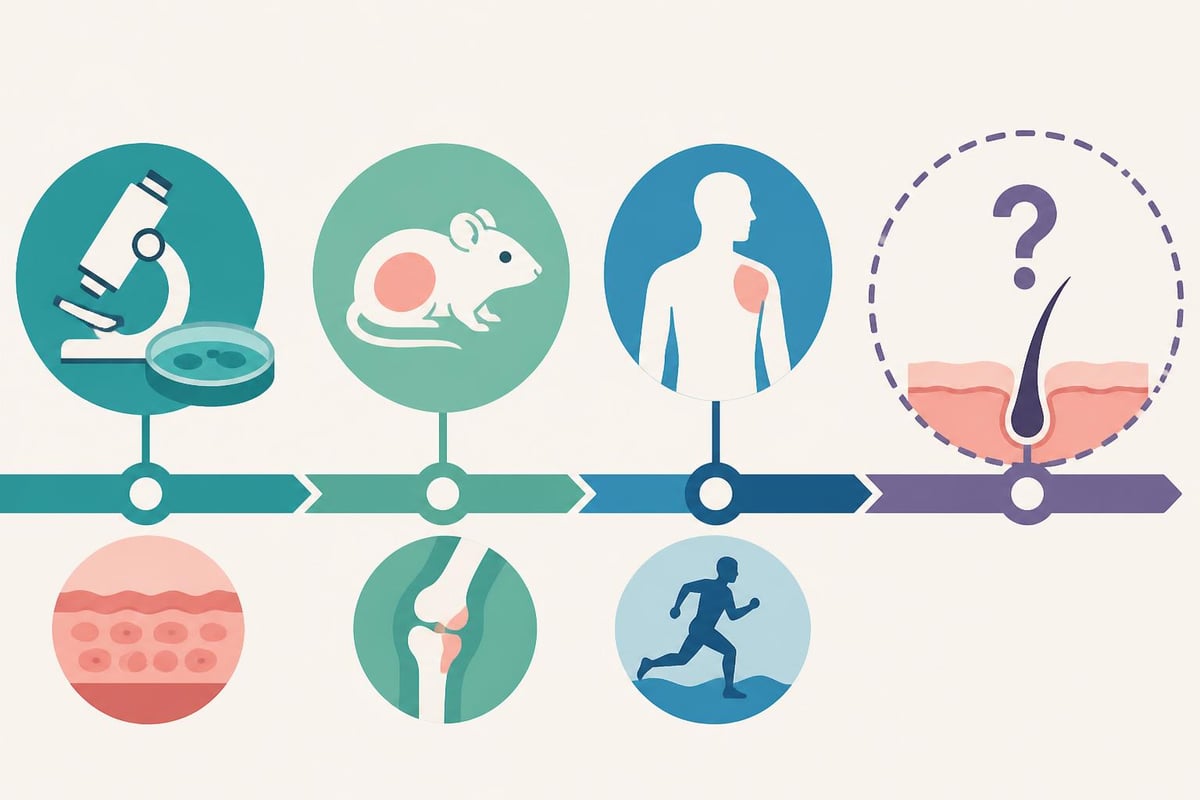
While the theoretical basis for bpc 157 hair growth appears promising, it's essential to distinguish between established evidence and speculation. As of 2026, no large-scale clinical trials have specifically examined BPC-157's effects on human hair growth.
What the Research Shows
Most BPC-157 research has focused on wound healing, musculoskeletal injuries, and gastrointestinal protection. According to comprehensive research on BPC-157’s mechanisms, the peptide demonstrates consistent regenerative effects across various tissue types. These findings provide a foundation for hypothesizing about hair follicle applications, but direct translation requires caution.
Animal studies have documented BPC-157's ability to accelerate healing in skin wounds, which involves some overlapping processes with hair follicle regeneration. However, hair growth represents a unique biological system with distinct requirements.
The Evidence Gap for Hair Applications
Several critical questions remain unanswered:
- Optimal dosing protocols for hair growth versus other therapeutic uses
- Administration routes most effective for scalp delivery (systemic versus topical)
- Timeline expectations for visible results in various hair loss conditions
- Combination strategies with established treatments like minoxidil or finasteride
- Long-term safety specifically for hair restoration purposes
Individuals considering BPC-157 for hair concerns should understand these limitations. The peptide's effects on hair growth remain largely theoretical, based on extrapolation from other tissue repair studies rather than dedicated hair research.
Practical Considerations for Using BPC-157
Those interested in exploring bpc 157 hair growth potential should approach the subject with realistic expectations and careful planning. Understanding proper administration, dosing considerations, and quality factors helps maximize potential benefits while minimizing risks.
Administration Methods and Their Implications
BPC-157 can be administered through several routes, each with distinct advantages and limitations for hair growth applications:
Subcutaneous injection remains the most common method for systemic delivery. This approach ensures high bioavailability and allows the peptide to circulate throughout the body, potentially reaching scalp tissues through the bloodstream. Pure Peptide offers guidance on safe injection sites and proper techniques for those new to peptide administration.
Oral administration offers convenience but faces questions about digestive breakdown and absorption efficiency. While some anecdotal reports suggest oral BPC-157 provides benefits, bioavailability through this route remains under investigation.
Topical application directly to the scalp represents an intriguing but largely unexplored option. Theoretically, localized delivery could maximize follicle exposure while minimizing systemic distribution. However, BPC-157's molecular structure may limit skin penetration without specialized formulation.
Dosing Protocols and Timing Considerations
Standard BPC-157 dosing for general regenerative purposes typically ranges from 200 to 500 micrograms daily, often divided into two administrations. For hair growth applications specifically, no established protocol exists.
Most individuals exploring BPC-157 for hair concerns follow general regenerative dosing guidelines, with injection sites rotated to avoid tissue irritation. Treatment duration varies considerably, with some protocols suggesting continuous use for 4-12 weeks followed by a rest period.
Important dosing factors include:
- Body weight and individual metabolism
- Severity and type of hair loss
- Concurrent treatments or medications
- Response monitoring and adjustment needs
Quality and Purity Standards
The peptide market includes significant variation in product quality, making source selection critical. BPC-157's stability and efficacy depend heavily on proper synthesis, purification, and storage.
High-quality peptides should include third-party testing verification, proper sterilization, and clear reconstitution instructions. Pure Peptide maintains rigorous quality control standards to ensure peptide purity and potency, factors essential for both safety and effectiveness.
Storage conditions significantly impact peptide stability. Lyophilized (freeze-dried) BPC-157 typically remains stable at room temperature for short periods but benefits from refrigeration for longer-term storage. Once reconstituted with bacteriostatic water, the solution requires refrigeration and should be used within recommended timeframes.
Potential Benefits and Realistic Expectations
Setting appropriate expectations helps individuals evaluate whether exploring bpc 157 hair growth makes sense for their situation. While promising mechanisms exist, outcomes remain variable and unpredictable.
Theoretical Advantages for Different Hair Loss Types
BPC-157's mechanisms may offer varying relevance depending on hair loss etiology:
Androgenetic alopecia (pattern baldness) involves follicle miniaturization driven by hormonal factors. BPC-157's anti-inflammatory and angiogenic effects might support follicle health but wouldn't directly address hormonal mechanisms.
Telogen effluvium (stress-related shedding) occurs when large numbers of follicles enter the resting phase prematurely. Enhanced circulation and cellular protection could theoretically support faster recovery.
Alopecia areata (autoimmune hair loss) involves inflammatory attack on follicles. BPC-157's immunomodulatory properties present potential interest, though specific research is lacking.
Age-related thinning may benefit from the peptide's general regenerative effects and stem cell protection, though expectations should remain modest.
Timeline and Measurable Outcomes
Hair growth occurs slowly, with the anagen phase lasting several years in healthy follicles. Even effective treatments typically require 3-6 months before visible improvements emerge. For BPC-157, which lacks established efficacy data for hair growth, patience becomes even more critical.
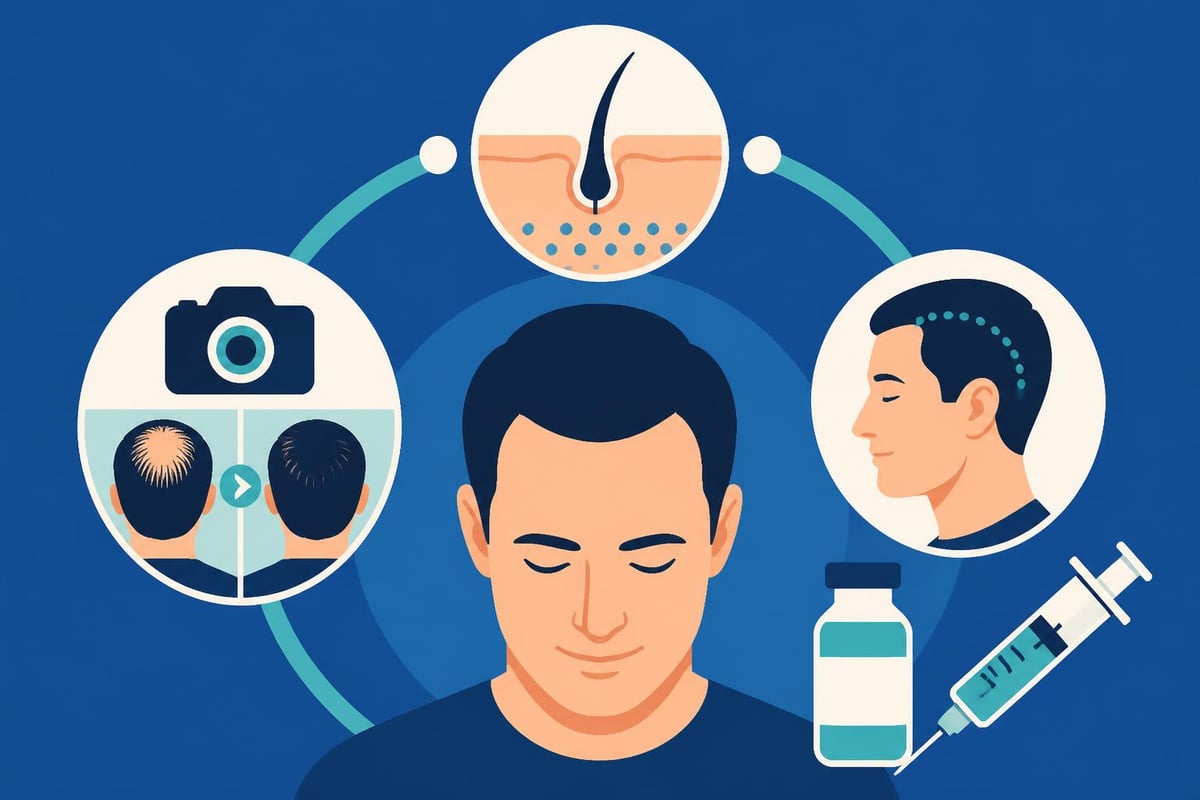
Individuals should track progress through:
- Standardized photographs under consistent lighting
- Hair count measurements in specific scalp regions
- Subjective assessments of hair thickness and density
- Shedding patterns during washing or brushing
According to detailed information on BPC-157 benefits and protocols, the peptide's effects on other tissues often manifest within weeks, but hair regeneration timelines may differ significantly.
Safety Profile and Potential Concerns
BPC-157 has demonstrated a favorable safety profile in available research, with minimal reported adverse effects. However, several considerations warrant attention, particularly for individuals using peptides long-term or in combination with other treatments.
Known Side Effects and Contraindications
Clinical studies and anecdotal reports suggest BPC-157 is generally well-tolerated. Most users report no significant adverse effects when following appropriate dosing guidelines. Potential considerations include:
- Injection site reactions (mild redness, tenderness)
- Temporary fatigue or headaches in some individuals
- Unknown interactions with certain medications
- Lack of long-term safety data beyond several months
Specific populations should exercise particular caution, including pregnant or nursing women, individuals with active cancers, and those with cardiovascular conditions requiring medical supervision.
Interaction Potential with Hair Loss Medications
Many individuals considering BPC-157 for hair growth already use established treatments. Understanding potential interactions helps ensure safe combination use.
Minoxidil (topical vasodilator) shares some mechanistic overlap with BPC-157 regarding improved circulation. Combining these approaches theoretically might offer additive benefits, though no studies have evaluated this combination.
Finasteride or dutasteride (5-alpha reductase inhibitors) work through entirely different mechanisms targeting hormonal pathways. BPC-157 shouldn't directly interfere with these medications, though comprehensive interaction data is unavailable.
Low-level laser therapy and other device-based treatments present no obvious contraindications with peptide use.
Quality Control and Contamination Risks
The unregulated nature of the peptide market creates potential risks. Contaminated or improperly synthesized products may contain:
- Incorrect peptide sequences reducing efficacy
- Bacterial endotoxins from poor manufacturing
- Heavy metal contaminants
- Inadequate sterility leading to infection risk
Sourcing peptides from reputable suppliers with transparent testing becomes non-negotiable for safety. Pure Peptide’s product line undergoes rigorous purity verification to minimize these risks.
Integrating BPC-157 Into a Comprehensive Hair Health Strategy
Viewing bpc 157 hair growth potential as one component of a broader approach yields more realistic expectations and better overall outcomes. Peptides work best when combined with foundational health practices and evidence-based treatments.
Nutritional Support for Hair Growth
Hair follicles require specific nutrients for optimal function. Deficiencies in iron, zinc, biotin, vitamin D, and protein can all impair growth regardless of peptide use. Addressing nutritional gaps through diet or supplementation creates a foundation for any regenerative approach.
Lifestyle Factors Affecting Follicle Health
Several modifiable factors influence hair growth independently of pharmacological interventions:
- Stress management reduces telogen effluvium risk
- Sleep quality supports growth hormone secretion and cellular repair
- Scalp care practices maintain healthy follicle environments
- Exercise improves circulation and hormonal balance
Combining Approaches for Synergistic Benefits
Strategic combination of treatments may offer advantages beyond single interventions. A comprehensive approach might include:
- Established medical treatments (minoxidil, finasteride) for hormonal hair loss
- BPC-157 for potential regenerative and anti-inflammatory effects
- Nutritional optimization to remove deficiency barriers
- Scalp stimulation through massage or microneedling
- Stress reduction practices to minimize telogen effluvium
This layered strategy addresses hair loss through multiple mechanisms while managing expectations appropriately. Pure Peptide offers various peptides for recovery and regeneration that some users incorporate into comprehensive wellness protocols.
Monitoring Progress and Adjusting Protocols
Given the experimental nature of using BPC-157 for hair concerns, systematic tracking becomes essential for evaluating personal response and making informed decisions about continuing treatment.
Establishing Baseline Measurements
Before beginning any new hair growth protocol, document current status through:
| Assessment Method | Frequency | Purpose |
|---|---|---|
| Standardized photos | Monthly | Visual progress tracking |
| Hair density counts | Every 3 months | Quantitative measurement |
| Shedding journals | Daily/Weekly | Pattern identification |
| Scalp health checks | Monthly | Environment assessment |
Recognizing Response Patterns
Individual responses to peptides vary considerably based on genetics, hair loss etiology, and overall health status. Some individuals may notice subtle improvements in hair texture or reduced shedding within weeks, while others may see no change despite months of consistent use.
Positive indicators might include reduced daily shedding, improved hair texture or thickness, new baby hairs along the hairline, or slower progression of thinning. Lack of response after 6 months of proper use suggests either the approach isn't effective for that individual or the primary hair loss mechanisms lie outside BPC-157's influence.
When to Adjust or Discontinue
Protocol adjustments should be data-driven rather than impulsive. Consider modifications if:
- No measurable improvement appears after 4-6 months
- Side effects emerge that outweigh potential benefits
- Financial costs exceed realistic benefit expectations
- Other treatments prove more effective for individual circumstances
Discontinuation doesn't necessarily mean failure, but rather recognition that hair loss mechanisms are complex and individualized. What works for one person may not work for another, making personalized assessment critical.
While research into bpc 157 hair growth remains in early stages, the peptide's established regenerative properties and favorable safety profile make it an intriguing option for those exploring comprehensive hair health strategies. Understanding both the theoretical potential and current evidence limitations allows individuals to make informed decisions aligned with their goals and expectations. If you're interested in exploring premium-quality peptides as part of your wellness journey, Pure Peptide offers rigorously tested products backed by transparent quality standards and knowledgeable customer support to help you navigate your options safely and effectively.