







The kisspeptin peptide has emerged as one of the most significant discoveries in reproductive endocrinology and metabolic research over the past two decades. Originally identified as a metastasis suppressor, this peptide family now stands at the forefront of understanding how the human body regulates reproductive function, metabolic processes, and hormonal balance. As researchers continue to uncover its multifaceted roles, kisspeptin has captured the attention of scientists, clinicians, and those interested in optimizing hormonal health through peptide therapy.
Understanding the Kisspeptin System
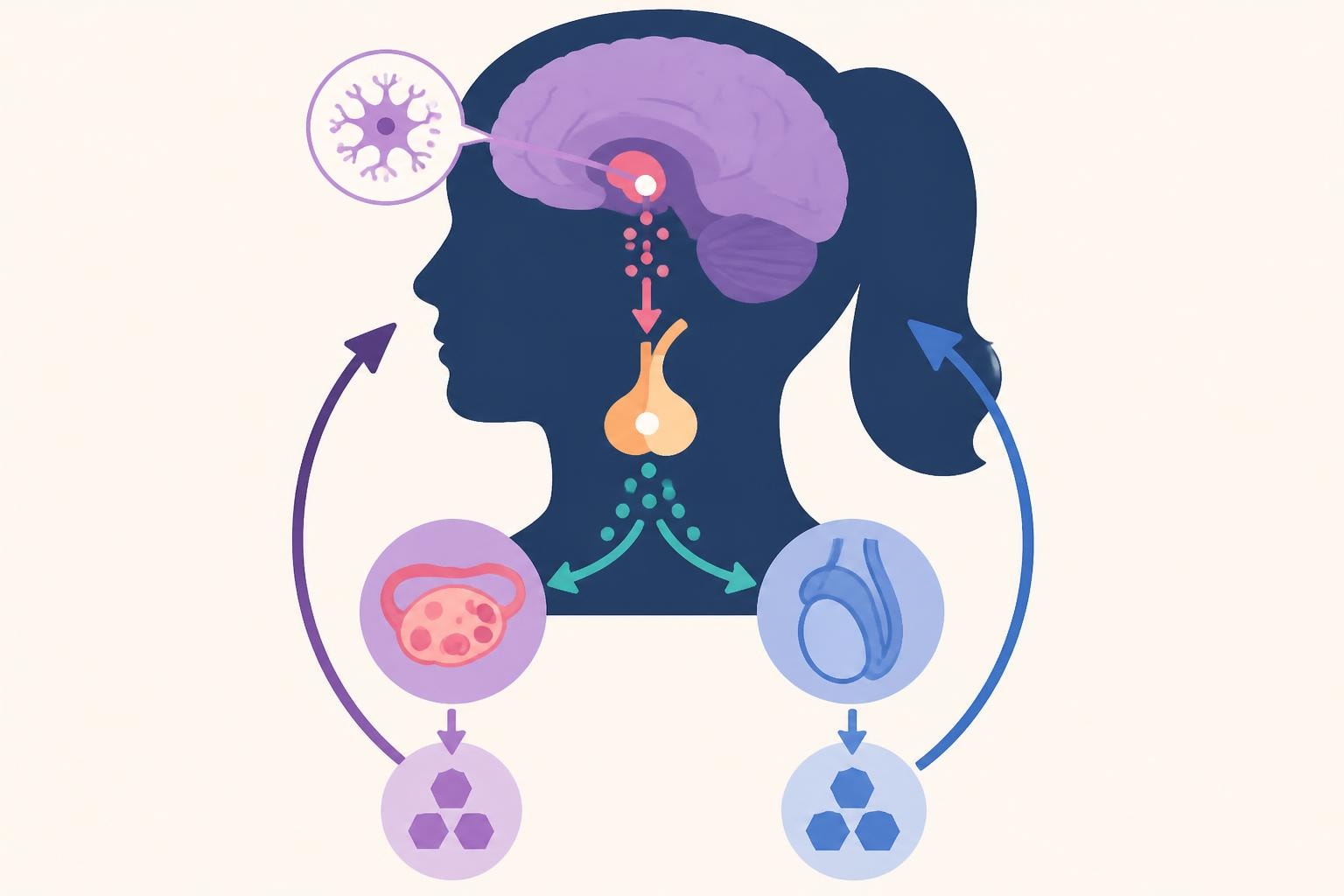
Kisspeptin peptide represents a family of neuropeptides encoded by the KISS1 gene. These peptides function as critical regulators of the hypothalamic-pituitary-gonadal (HPG) axis, which controls reproductive function in both males and females.
The kisspeptin system includes several peptide forms, with kisspeptin-54 being the longest naturally occurring variant. Shorter forms include kisspeptin-14, kisspeptin-13, and kisspeptin-10, all of which share the same C-terminal region responsible for biological activity. These peptides bind to the KISS1 receptor (KISS1R), also known as GPR54, triggering a cascade of downstream signaling events.
The Discovery and Evolution of Kisspeptin Research
The KISS1 gene was first identified in Hershey, Pennsylvania in 1996, hence the name derived from the famous Hershey's Kisses chocolate. Initial research focused on its role in suppressing cancer metastasis in melanoma and breast cancer. However, the groundbreaking discovery came when scientists observed that mutations in the KISS1R gene led to hypogonadotropic hypogonadism, revealing kisspeptin's essential role in reproductive function.
Since then, research has expanded significantly to examine kisspeptin's influence across the human lifespan, from puberty initiation to aging-related hormonal changes.
Mechanisms of Action and Biological Functions
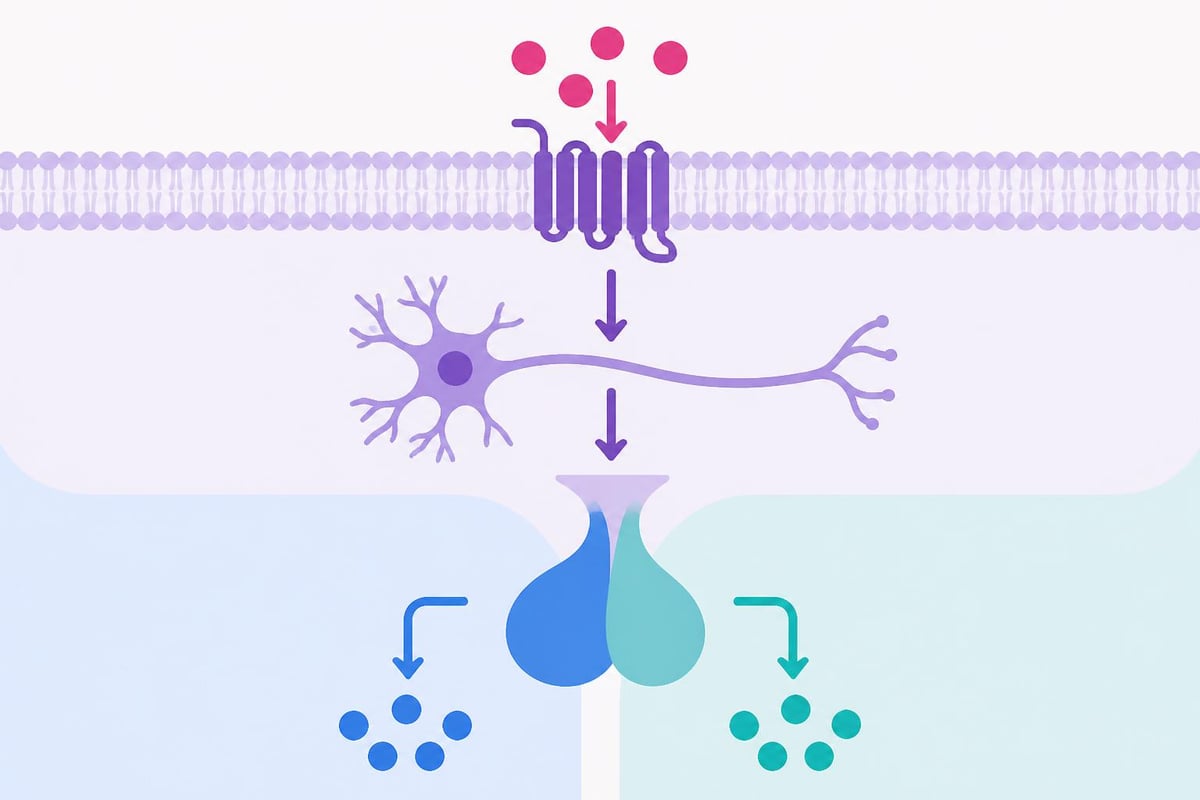
Kisspeptin peptide exerts its effects primarily through the activation of KISS1R, a G-protein coupled receptor expressed in various tissues throughout the body. The highest concentrations of KISS1R are found in the hypothalamus, particularly on gonadotropin-releasing hormone (GnRH) neurons.
Primary Signaling Pathways
When kisspeptin binds to KISS1R, it initiates several cellular responses:
- Activation of phospholipase C pathways leading to calcium mobilization
- Stimulation of mitogen-activated protein kinase (MAPK) cascades
- Modulation of ion channel activity affecting neuronal excitability
- Regulation of gene transcription related to reproductive function
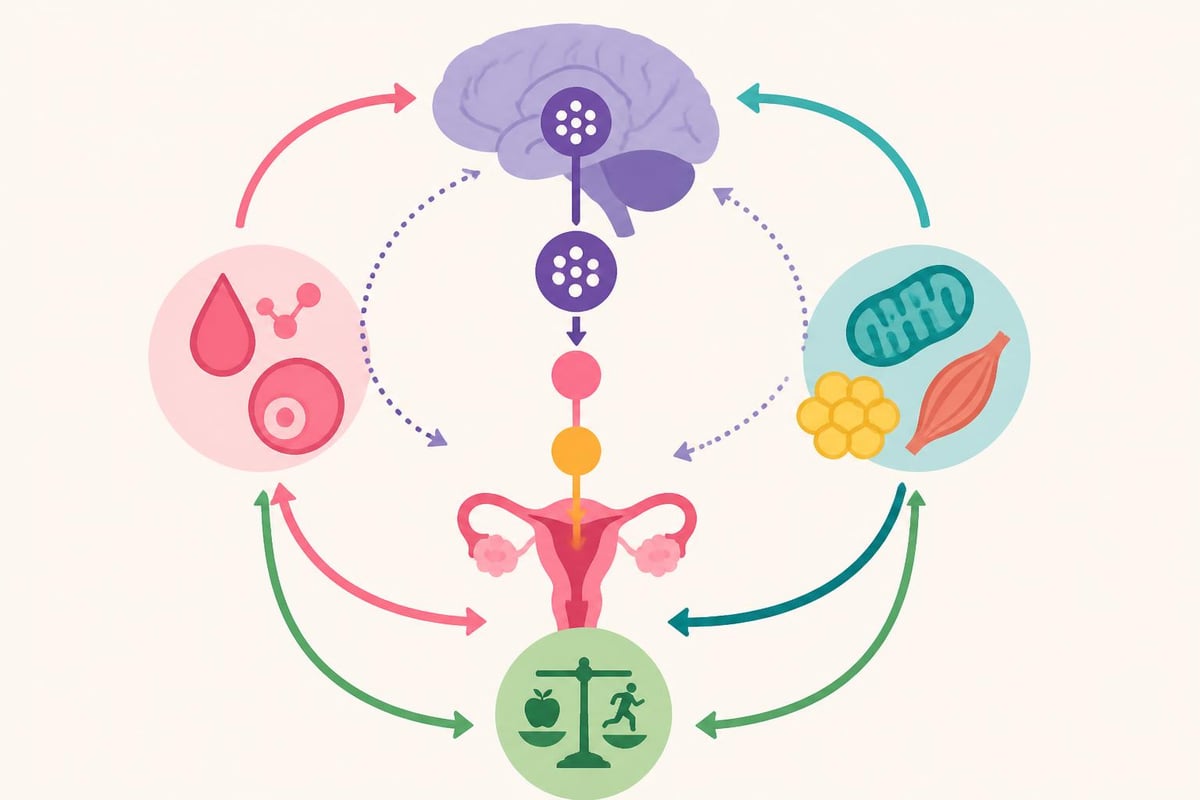
This receptor activation ultimately stimulates GnRH neurons to release GnRH in a pulsatile manner, which then triggers the pituitary gland to secrete luteinizing hormone (LH) and follicle-stimulating hormone (FSH). These gonadotropins regulate the production of sex hormones, including testosterone and estrogen.
Reproductive System Regulation
The role of kisspeptin in the urogenital system extends beyond simple hormone regulation. It serves as the master regulator of puberty onset, fertility, and pregnancy. Studies have shown that kisspeptin neurons are sensitive to sex steroid feedback, creating a sophisticated regulatory loop.
In females, kisspeptin levels fluctuate throughout the menstrual cycle, with a surge preceding ovulation. In males, kisspeptin maintains steady testosterone production and spermatogenesis. Understanding these patterns has opened new therapeutic avenues for fertility treatments and hormone optimization.
Metabolic Functions Beyond Reproduction
While reproductive control remains kisspeptin's most recognized function, emerging research reveals its significant metabolic roles. The peptide influences metabolism, mood, and behavior through pathways that extend far beyond the reproductive axis.
Energy Balance and Body Composition
Kisspeptin peptide interacts with energy-regulating centers in the brain, creating connections between reproductive function and metabolic status. This makes biological sense: reproduction requires substantial energy resources, and the body must assess whether adequate energy stores exist before allocating resources to reproduction.
| Metabolic Parameter | Kisspeptin Influence | Mechanism |
|---|---|---|
| Energy expenditure | Increases metabolic rate | Central nervous system signaling |
| Glucose metabolism | Modulates insulin sensitivity | Pancreatic and hepatic pathways |
| Fat distribution | Influences adipocyte function | Direct and indirect hormonal effects |
| Appetite regulation | Interacts with hunger signals | Hypothalamic integration |
Research indicates that kisspeptin levels correlate with body mass index and metabolic health markers. Individuals with metabolic syndrome often show disrupted kisspeptin signaling, suggesting a potential therapeutic target for metabolic disorders.
Emotional and Cognitive Effects
The kisspeptin system extends into brain regions associated with emotion and cognition. Neural mechanisms in the amygdala demonstrate how kisspeptin modulates not only hormone secretion but also emotional processing and social behavior.
Studies have shown that kisspeptin administration can influence:
- Mood states and emotional reactivity
- Sexual behavior and attraction
- Social bonding and pair bonding behaviors
- Stress responses and resilience
These effects occur through kisspeptin's interaction with limbic system structures, particularly the amygdala, which processes emotional information and social cues.
Clinical Applications and Therapeutic Potential
The therapeutic applications of kisspeptin peptide continue to expand as researchers identify new clinical scenarios where modulating this system proves beneficial. Current and emerging applications span reproductive medicine, endocrinology, and metabolic health.
Fertility and Reproductive Medicine
Kisspeptin-based therapies represent a promising frontier in reproductive medicine. Unlike traditional fertility treatments that may overstimulate the ovaries, kisspeptin works through more physiological pathways.
Clinical trials have explored kisspeptin for:
- Triggering final oocyte maturation in IVF cycles
- Treating hypothalamic amenorrhea in women
- Addressing delayed puberty in adolescents
- Managing polycystic ovary syndrome (PCOS)
- Supporting male factor infertility
The advantage of kisspeptin therapy lies in its ability to stimulate the body's natural hormone production rather than replacing hormones directly. This approach reduces the risk of multiple pregnancies and ovarian hyperstimulation syndrome, common complications in conventional fertility treatments.
Hormone Optimization and Anti-Aging
For those seeking to optimize hormonal function as part of anti-aging protocols, kisspeptin presents unique opportunities. The peptide's ability to stimulate endogenous hormone production makes it attractive for maintaining healthy testosterone and estrogen levels.
Understanding proper peptide administration techniques remains essential for anyone considering peptide therapy, including kisspeptin protocols. Quality preparation and administration directly impact therapeutic outcomes.
Research Developments and Modified Analogues
The scientific community continues to develop modified kisspeptin analogues with enhanced properties. Beta amino acid-modified analogues demonstrate improved receptor binding, extended half-life, and increased resistance to enzymatic degradation compared to native kisspeptin.
Advantages of Modified Peptides
Native kisspeptin has a relatively short half-life in the bloodstream, typically measured in minutes. This rapid clearance necessitates frequent dosing or continuous infusion for therapeutic applications. Modified analogues address this limitation through structural modifications that preserve biological activity while improving pharmacokinetics.
Key improvements in modified kisspeptin peptides include:
- Extended duration of action allowing less frequent dosing
- Improved bioavailability through enhanced stability
- Greater receptor selectivity reducing off-target effects
- Fluorescent labeling for research applications
- Oral bioavailability in some experimental formulations
These advances bring kisspeptin therapy closer to practical clinical implementation, making treatment protocols more convenient and potentially more effective.
Dosing Considerations and Protocols
Current research on kisspeptin provides valuable context for understanding appropriate dosing strategies. While protocols vary based on specific therapeutic goals, research suggests that intermittent dosing may better mimic physiological kisspeptin secretion patterns.
The pulsatile nature of kisspeptin release in the body suggests that therapeutic protocols should consider timing and frequency alongside total dose. Continuous exposure to kisspeptin can lead to receptor desensitization, potentially diminishing therapeutic effects over time.

Safety Profile and Considerations
The kisspeptin peptide demonstrates a favorable safety profile in clinical trials conducted to date. As a naturally occurring peptide that plays essential physiological roles, the body recognizes and processes kisspeptin through normal metabolic pathways.
Clinical Trial Safety Data
Multiple Phase I and Phase II clinical trials have evaluated kisspeptin administration in humans. These studies consistently report minimal adverse effects, with the most common being:
- Mild injection site reactions
- Temporary flushing or warmth
- Transient increases in blood pressure
- Headache in some subjects
Serious adverse events remain rare in controlled research settings. However, the long-term effects of kisspeptin administration require further investigation through extended follow-up studies.
Contraindications and Precautions
Certain populations should exercise caution with kisspeptin therapy. Individuals with hormone-sensitive conditions, such as certain cancers, may need to avoid interventions that stimulate sex hormone production. Pregnant women represent another group where kisspeptin administration requires careful consideration, despite the peptide's natural role in pregnancy.
| Population | Consideration | Recommendation |
|---|---|---|
| Hormone-sensitive cancer history | May stimulate tumor growth | Consult oncologist before use |
| Pregnant women | Natural levels already elevated | Avoid unless medically indicated |
| Cardiovascular conditions | May affect blood pressure | Monitor cardiovascular parameters |
| Adolescents | Developing endocrine system | Use only under specialist supervision |
Integration with Other Peptide Therapies
The kisspeptin system interacts with numerous other peptide signaling pathways, creating opportunities for synergistic therapeutic approaches. Many individuals exploring peptide therapy combine multiple peptides to address various health goals simultaneously.
Complementary Peptide Combinations
When considering comprehensive wellness protocols, kisspeptin can potentially complement other peptides. For instance, individuals using BPC-157 for recovery or GHK-Cu for anti-aging benefits might also benefit from optimizing their hormonal balance through kisspeptin support.
The key to successful combination therapy lies in understanding how different peptides interact within the body's complex regulatory networks. Kisspeptin's primary effects on the HPG axis generally operate through different mechanisms than growth factors, recovery peptides, or metabolic modulators.
Potential synergies exist between kisspeptin and:
- Growth hormone secretagogues for comprehensive hormonal optimization
- Metabolic peptides addressing insulin sensitivity and body composition
- Anti-inflammatory peptides supporting overall wellness
- Cognitive enhancement peptides working through complementary pathways
Proper planning and professional guidance help ensure that combination protocols enhance rather than interfere with each therapeutic agent's intended effects.
Future Directions in Kisspeptin Research
The expanding body of kisspeptin research and evidence points toward numerous exciting future applications. Ongoing studies investigate kisspeptin's potential roles in conditions ranging from metabolic syndrome to neuropsychiatric disorders.
Emerging Research Areas
Scientists currently explore kisspeptin's involvement in several novel therapeutic areas. Research into neurodegenerative diseases examines whether kisspeptin signaling influences cognitive decline and neuroprotection. Cardiovascular research investigates direct effects on blood vessel function independent of sex hormone modulation.
Mental health applications represent another frontier, with studies examining kisspeptin's role in depression, anxiety, and stress-related disorders. The peptide's influence on emotional processing and social cognition suggests potential applications in conditions affecting interpersonal relationships and emotional regulation.
Technological Advances
Advances in peptide synthesis, modification, and delivery systems continue to improve the therapeutic potential of kisspeptin. Novel delivery methods, including intranasal formulations and long-acting depot preparations, may soon make kisspeptin therapy more accessible and convenient.
Precision medicine approaches incorporating genetic testing for KISS1 and KISS1R variants could enable personalized kisspeptin therapy tailored to individual genetic profiles. This level of customization may optimize therapeutic outcomes while minimizing unnecessary interventions.
Practical Considerations for Peptide Users
For individuals considering kisspeptin peptide therapy, several practical factors deserve attention. Quality, purity, and proper handling significantly impact therapeutic outcomes and safety.
Quality and Sourcing
The peptide industry varies widely in manufacturing standards and quality control. Premium peptides undergo rigorous purification processes and comprehensive testing to verify identity, purity, and potency. Certificate of analysis documentation provides transparency about peptide quality.
Those exploring peptide therapy should prioritize sources that demonstrate commitment to quality through:
- Third-party testing and verification
- Transparent manufacturing processes
- Proper storage and shipping conditions
- Clear labeling and documentation
- Responsive customer support
Storage and Preparation
Proper peptide storage preserves potency and prevents degradation. Lyophilized (freeze-dried) kisspeptin peptide typically remains stable at room temperature for short periods but benefits from refrigeration for extended storage. Reconstituted peptides require refrigeration and use within specified timeframes.
Reconstitution with appropriate bacteriostatic water and proper sterile technique prevents contamination and maintains peptide integrity. Learning correct preparation methods ensures consistent dosing and optimal therapeutic results.
Kisspeptin peptide represents a powerful regulator of reproductive function, metabolic health, and hormonal balance with applications spanning fertility, anti-aging, and metabolic optimization. Understanding this peptide's mechanisms and therapeutic potential empowers informed decisions about hormonal health strategies. Whether you're exploring options for reproductive health, hormone optimization, or metabolic support, Pure Peptide offers premium quality peptides manufactured to the highest purity standards, ensuring you receive products that meet rigorous quality control specifications for your wellness journey.