
Kisspeptin has emerged as a focal point in peptide research, particularly regarding reproductive health and hormone regulation. As interest in this peptide grows, more individuals are seeking to buy kisspeptin for research purposes. Understanding the critical factors surrounding quality, purity, safety considerations, and sourcing practices becomes essential for anyone considering this peptide. This comprehensive guide explores everything you need to know about kisspeptin acquisition, from regulatory frameworks to quality verification methods.
Understanding Kisspeptin and Its Research Applications
Kisspeptin represents a neuropeptide that plays a pivotal role in regulating the hypothalamic-pituitary-gonadal axis. This peptide family includes several variants, with kisspeptin-10 being the most commonly studied form. The peptide binds to the GPR54 receptor, triggering a cascade of reproductive hormone release.
Research has documented kisspeptin's involvement in multiple physiological processes beyond reproductive function. Studies indicate potential applications in metabolic regulation, cardiovascular function, and emotional processing. The neurological functions of kisspeptin signaling extend to areas like the amygdala, where it influences hormone secretion patterns.
Current Research Landscape
The scientific community continues to expand knowledge about kisspeptin through clinical trials and laboratory investigations. Researchers are examining its potential therapeutic applications across various medical conditions. For instance, ongoing clinical research explores kisspeptin administration in patients with specific endocrine disorders.
Key research areas include:
- Reproductive health and fertility optimization
- Hormone replacement therapy alternatives
- Metabolic syndrome interventions
- Cardiovascular function enhancement
- Mood and emotional regulation
Understanding these applications helps contextualize why individuals seek to buy kisspeptin for research purposes. However, the investigational status of this peptide requires careful consideration of regulatory and safety factors.

Regulatory Considerations When You Buy Kisspeptin
The regulatory landscape surrounding kisspeptin varies significantly across jurisdictions and intended uses. In the United States, kisspeptin currently lacks FDA approval for human therapeutic use, classifying it as an investigational peptide. This designation carries important implications for anyone looking to buy kisspeptin.
The regulatory status of kisspeptin remains complex, with availability primarily through compounding pharmacies under specific circumstances. Athletes should note that kisspeptin appears on the World Anti-Doping Agency (WADA) Prohibited List, making it unsuitable for competitive sports use.
Legal Framework Across Different Countries
| Region | Regulatory Status | Availability | Notes |
|---|---|---|---|
| United States | Investigational | Research/Compounding | No FDA approval |
| European Union | Research Only | Limited | Varies by member state |
| Canada | Unscheduled | Research Institutions | Health Canada oversight |
| Australia | Prescription | TGA Regulation | Restricted access |
The legal considerations surrounding kisspeptin emphasize the importance of understanding local regulations before attempting to purchase this peptide. Different countries maintain distinct frameworks governing peptide acquisition and use.
When you buy kisspeptin, verifying that your supplier operates within applicable legal boundaries becomes paramount. Legitimate vendors typically provide clear documentation regarding intended use restrictions and comply with regional pharmaceutical regulations.
Quality Standards and Purity Verification
Quality represents the cornerstone consideration when seeking to buy kisspeptin. Peptide purity directly influences both efficacy and safety profiles, making verification essential. Premium suppliers implement rigorous testing protocols to ensure product integrity.
Critical Quality Markers
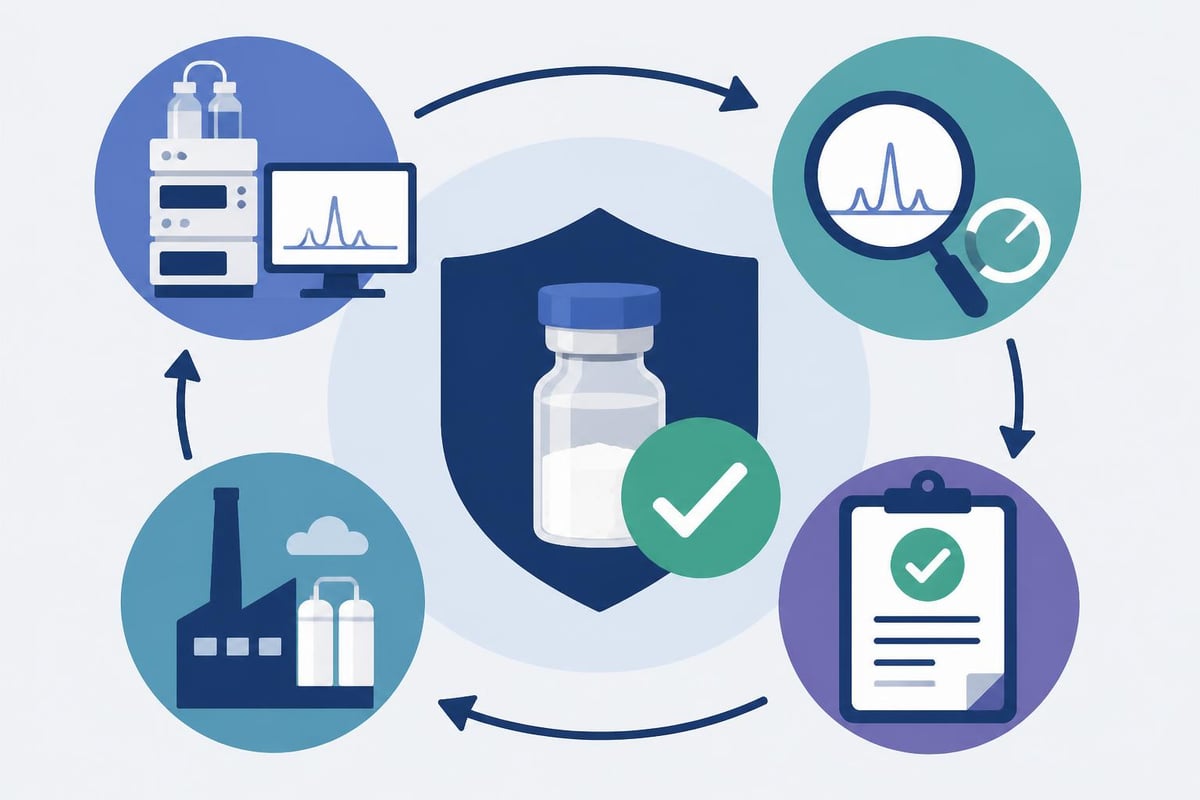
Certificate of Analysis (COA): Every batch should include comprehensive testing documentation. A proper COA demonstrates peptide identity, purity percentage, and absence of contaminants. When evaluating suppliers, requesting certificates of analysis provides transparency about product quality.
Purity Percentages: Research-grade kisspeptin should demonstrate purity levels exceeding 98%. Lower purity percentages indicate potential contamination or degradation, which can affect experimental outcomes or safety profiles.
Testing Methodologies: High-quality suppliers employ multiple analytical techniques:
- High-Performance Liquid Chromatography (HPLC)
- Mass Spectrometry (MS)
- Nuclear Magnetic Resonance (NMR)
- Amino Acid Analysis (AAA)
These methodologies confirm peptide sequence accuracy, molecular weight, and structural integrity. Third-party laboratory verification adds another layer of credibility to quality claims.
Manufacturing Standards
Advanced purification methods separate quality peptides from inferior products. Suppliers should maintain Good Manufacturing Practice (GMP) standards or equivalent quality systems. These protocols ensure consistent production processes, contamination control, and proper handling procedures.
Sterility testing becomes particularly important for injectable peptides. Bacterial endotoxin testing and sterility assurance confirm that products meet safety requirements for research applications. When you buy kisspeptin, inquire about these testing procedures to verify supplier commitment to quality.
Safety Profile and Risk Assessment
Before deciding to buy kisspeptin, understanding the safety considerations remains crucial. While research suggests generally favorable safety profiles in clinical settings, potential risks warrant careful evaluation. The comprehensive safety profile provides detailed information about clinical evidence and adverse event reporting.
Documented Safety Concerns
Desensitization Potential: One significant concern involves receptor desensitization with repeated exposure. The pharmacological limitations of kisspeptin include tachyphylaxis, where effectiveness diminishes with continuous use. This phenomenon necessitates careful protocol design and potential cycling strategies.
Short Half-Life Challenges: Kisspeptin demonstrates rapid clearance from circulation, typically measured in minutes rather than hours. This characteristic requires frequent dosing schedules and complicates practical application outside controlled research settings.
Population-Specific Risks: Certain groups may face elevated risk profiles. The detailed risk assessment identifies considerations for:
- Pregnant or nursing individuals
- Those with hormone-sensitive conditions
- Individuals with cardiovascular complications
- Patients taking concurrent medications affecting hormone levels
Administration and Monitoring
Proper administration techniques minimize potential complications when using kisspeptin for research purposes. Understanding safe injection sites and protocols ensures appropriate handling and reduces contamination risks.
Monitoring parameters during kisspeptin research should include:
- Hormone level tracking (LH, FSH, testosterone/estrogen)
- Cardiovascular vital signs
- Adverse event documentation
- Response assessment metrics
These monitoring practices help identify potential issues early and inform protocol adjustments. Working with qualified healthcare professionals or research supervisors provides oversight and expertise in managing any emerging concerns.
Sourcing Strategies for Kisspeptin Acquisition
Identifying reputable suppliers represents a critical step when you buy kisspeptin. The peptide market includes varying quality levels, from pharmaceutical-grade products to questionable sources. Distinguishing legitimate vendors from unreliable operators protects both research integrity and personal safety.
Evaluating Supplier Credentials
Transparency Indicators: Quality suppliers provide detailed product information, including synthesis methods, storage recommendations, and handling guidelines. They maintain responsive customer support teams capable of addressing technical questions about their products.
Documentation Availability: Beyond COAs, reputable vendors offer safety data sheets (SDS), reconstitution instructions, and dosage guidance for research applications. This comprehensive documentation demonstrates professional operations and commitment to customer education.
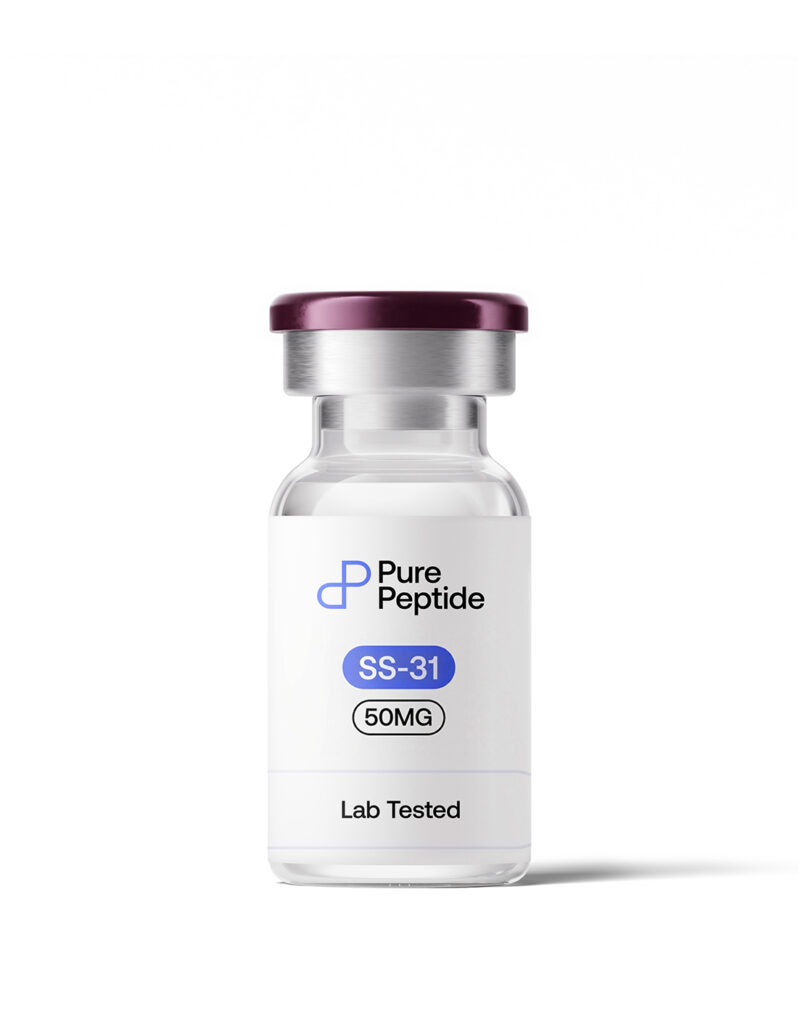
Industry Standing: Established suppliers typically maintain positive reputations within research communities. Customer reviews, professional recommendations, and longevity in the peptide industry serve as valuable indicators. The Pure Peptide shop exemplifies a vendor committed to quality standards and customer support.
Red Flags to Avoid
| Warning Sign | Implication | Action |
|---|---|---|
| No COA provided | Unknown purity/identity | Avoid purchase |
| Extremely low prices | Potential quality compromise | Verify credentials |
| Vague product descriptions | Lack of professionalism | Seek alternatives |
| No contact information | Limited accountability | Do not purchase |
| Medical claims | Regulatory violations | Report and avoid |
When evaluating where to buy kisspeptin, these warning signs help identify potentially problematic vendors. Legitimate suppliers focus on research applications and avoid making therapeutic claims about their products.
Pricing Considerations
Price alone should not determine purchasing decisions, but understanding market ranges helps identify unrealistic offers. Kisspeptin pricing reflects manufacturing complexity, purity levels, and batch testing requirements. Suspiciously low prices often indicate compromised quality or counterfeit products.
Consider total value rather than unit price alone:
- Product purity percentage
- Included documentation and support
- Shipping and handling practices
- Return or quality guarantee policies
Storage and Handling Best Practices
Proper storage maintains kisspeptin stability and potency after purchase. Peptides demonstrate sensitivity to environmental conditions, requiring specific handling protocols. Understanding these requirements prevents product degradation and ensures research validity.
Pre-Reconstitution Storage
Lyophilized kisspeptin powder should remain frozen at temperatures between -20°C and -80°C. This maintains stability for extended periods, typically 12-24 months when properly stored. Avoid repeated freeze-thaw cycles, which can damage peptide structure.
Keep vials protected from light exposure, which can trigger degradation. Store in original packaging or transfer to amber vials when necessary. Maintain low humidity environments to prevent moisture contamination of lyophilized powder.
Post-Reconstitution Management
Once reconstituted with bacteriostatic water or sterile saline, kisspeptin requires refrigeration at 2-8°C. Shelf life after reconstitution typically ranges from 2-4 weeks, though stability studies specific to each product should guide usage timelines.
Reconstitution Protocol:
- Allow lyophilized vial to reach room temperature
- Clean vial stopper with alcohol swab
- Add bacteriostatic water slowly down vial side
- Gently swirl (never shake) until dissolved
- Inspect for particulates or discoloration
- Label with reconstitution date
- Store refrigerated immediately
Following proper reconstitution techniques preserves peptide integrity. Detailed dosage protocols for various peptides demonstrate best practices applicable to kisspeptin handling.
Research Protocol Development
Developing appropriate research protocols requires understanding kisspeptin's pharmacological properties and documented effects. The comprehensive studies index compiles peer-reviewed research that informs protocol design.
Dosing Considerations
Clinical research has explored various kisspeptin dosing regimens, typically ranging from 0.01 to 4.0 nmol/kg body weight. However, these clinical parameters apply to controlled research settings with professional oversight. Individual protocols should account for:
- Research objectives and endpoints
- Subject characteristics and health status
- Duration of investigation
- Monitoring capabilities
- Safety parameters and stopping criteria
The short half-life of kisspeptin necessitates frequent administration schedules in many research designs. Some protocols employ continuous infusion methods, while others utilize bolus injections at specific intervals.
Monitoring and Assessment
Comprehensive monitoring protocols track both efficacy markers and safety parameters. Hormone assays provide primary endpoint measurements, while cardiovascular monitoring, subjective questionnaires, and adverse event tracking ensure participant safety.
Key Monitoring Components:
- Baseline parameter establishment
- Regular interval assessments
- Adverse event documentation systems
- Response variability analysis
- Long-term follow-up planning
These elements create a framework for responsible research conduct when working with kisspeptin.

Alternative Peptides and Complementary Options
While kisspeptin addresses specific research questions related to reproductive hormones and metabolic function, other peptides may serve complementary or alternative purposes. Understanding the broader peptide landscape helps researchers select appropriate compounds for their objectives.
Peptides for Related Applications
Individuals interested in kisspeptin often explore peptides targeting similar physiological systems or research goals. For example, those focused on anti-aging applications might consider peptides categorized under anti-aging formulations, while reproductive health researchers might examine libido-supporting peptides.
The diversity of available peptides enables targeted approaches to specific research questions:
- Recovery peptides support tissue repair and healing processes
- Muscle growth formulations target anabolic pathways and hypertrophy
- Weight loss peptides influence metabolic rate and appetite regulation
- Ancillary compounds provide support functions or mitigate side effects
Each category addresses distinct physiological mechanisms, allowing researchers to design comprehensive protocols that may include multiple peptide compounds. When you buy kisspeptin as part of a broader research program, understanding these complementary options enhances protocol sophistication.
Consultation and Professional Guidance
The complexity of peptide research underscores the importance of professional consultation. Healthcare providers, research supervisors, and peptide specialists offer valuable expertise in protocol design, safety monitoring, and results interpretation. The pharmacological limitations emphasized by experts highlight why professional guidance proves essential.
Specialists can help navigate:
- Appropriate peptide selection for research objectives
- Dosing strategy optimization
- Monitoring parameter establishment
- Adverse event management
- Data interpretation and analysis
This collaborative approach maximizes research quality while maintaining safety standards throughout investigation periods.
Global Perspectives on Kisspeptin Research
International research efforts continue expanding knowledge about kisspeptin's physiological roles and potential applications. The global regulatory landscape varies considerably, reflecting different national approaches to peptide research and therapeutic development.
Regional Research Contributions
Different regions contribute unique insights to kisspeptin science. European institutions have published extensively on reproductive endocrinology applications, while Asian research centers explore metabolic and cardiovascular dimensions. North American studies often focus on clinical translation and therapeutic development pathways.
This geographic diversity enriches the overall evidence base, providing multiple perspectives on kisspeptin's effects across varied populations. When evaluating research to inform decisions about whether to buy kisspeptin, considering international evidence provides a more complete picture than relying solely on single-nation studies.
Future Research Directions
Emerging research areas promise to expand understanding of kisspeptin's potential applications. Current investigation trends include:
- Modified kisspeptin analogs with extended half-lives
- Combination therapies with complementary peptides
- Novel delivery systems improving bioavailability
- Population-specific response patterns
- Long-term safety profile characterization
These evolving research directions may influence future availability and applications for those who buy kisspeptin for investigational purposes.
Quality Assurance and Vendor Accountability
Maintaining accountability throughout the supply chain ensures that individuals who buy kisspeptin receive products matching stated specifications. Quality assurance extends beyond initial manufacturing to encompass storage, shipping, and customer support.
Supply Chain Integrity
Premium peptide suppliers implement quality controls at every supply chain stage. This includes:
Manufacturing Oversight: Direct relationships with synthesis facilities enable quality monitoring from production initiation. Suppliers should verify that manufacturing partners maintain appropriate certifications and follow standardized protocols.
Storage Protocols: Proper temperature control during warehousing prevents degradation before products reach customers. Cold chain management systems maintain optimal conditions from manufacturing through delivery.
Shipping Practices: Insulated packaging with ice packs or dry ice ensures temperature stability during transit. Tracking systems provide transparency about shipment status and handling conditions.
Customer Support: Responsive support teams address questions about product handling, storage, and quality concerns. This ongoing relationship demonstrates vendor commitment to customer success.
When evaluating where to buy kisspeptin, these supply chain elements distinguish professional operations from less reliable sources. Vendors prioritizing quality assurance throughout their operations provide greater confidence in product integrity.
Return and Quality Guarantee Policies
Reputable suppliers stand behind their products with clear quality guarantee policies. Understanding return policies before purchase provides recourse if products fail to meet expectations or arrive damaged.
Quality guarantees typically cover:
- Product purity meeting stated specifications
- Proper packaging and temperature maintenance
- Accurate labeling and documentation
- Contamination-free products
- Timely delivery and handling
These policies protect customers while incentivizing suppliers to maintain high standards throughout their operations.
Information Resources and Continuing Education
Staying informed about kisspeptin research developments enhances protocol design and safety awareness. Multiple resources provide ongoing education for those working with this peptide.
Scientific Literature
Peer-reviewed publications represent the gold standard for peptide information. Regular review of current literature ensures awareness of emerging findings, safety updates, and novel applications. Accessing scientific databases and subscribing to relevant journals maintains current knowledge.
The compilation of 50 peer-reviewed studies on kisspeptin offers a starting point for literature review, prioritizing human clinical research over animal models.
Educational Platforms
Beyond academic literature, educational platforms provide practical guidance on peptide handling, protocol development, and safety practices. Many suppliers maintain educational resources addressing common questions and best practices.
For example, exploring comprehensive frequently asked questions can clarify common concerns about peptide acquisition, storage, and use. These resources complement scientific literature with practical implementation guidance.
Community Knowledge Sharing
Research communities, both online and offline, facilitate knowledge exchange among individuals working with peptides. While maintaining appropriate skepticism about unverified claims, these communities can provide practical insights and experiential knowledge complementing formal research.
Professional conferences, symposiums, and workshops offer opportunities for direct interaction with experts and fellow researchers. These venues enable discussion of challenges, protocol refinements, and emerging trends in peptide research.
Understanding the multifaceted considerations surrounding kisspeptin acquisition empowers informed decision-making for research purposes. Quality verification, regulatory compliance, safety assessment, and proper handling practices form the foundation for responsible peptide research. Whether you're exploring reproductive endocrinology, metabolic function, or other research applications, selecting a supplier committed to purity and transparency remains paramount. Pure Peptide provides premium quality peptides with rigorous testing protocols and comprehensive support, helping researchers access the compounds they need with confidence in product integrity and safety standards.