

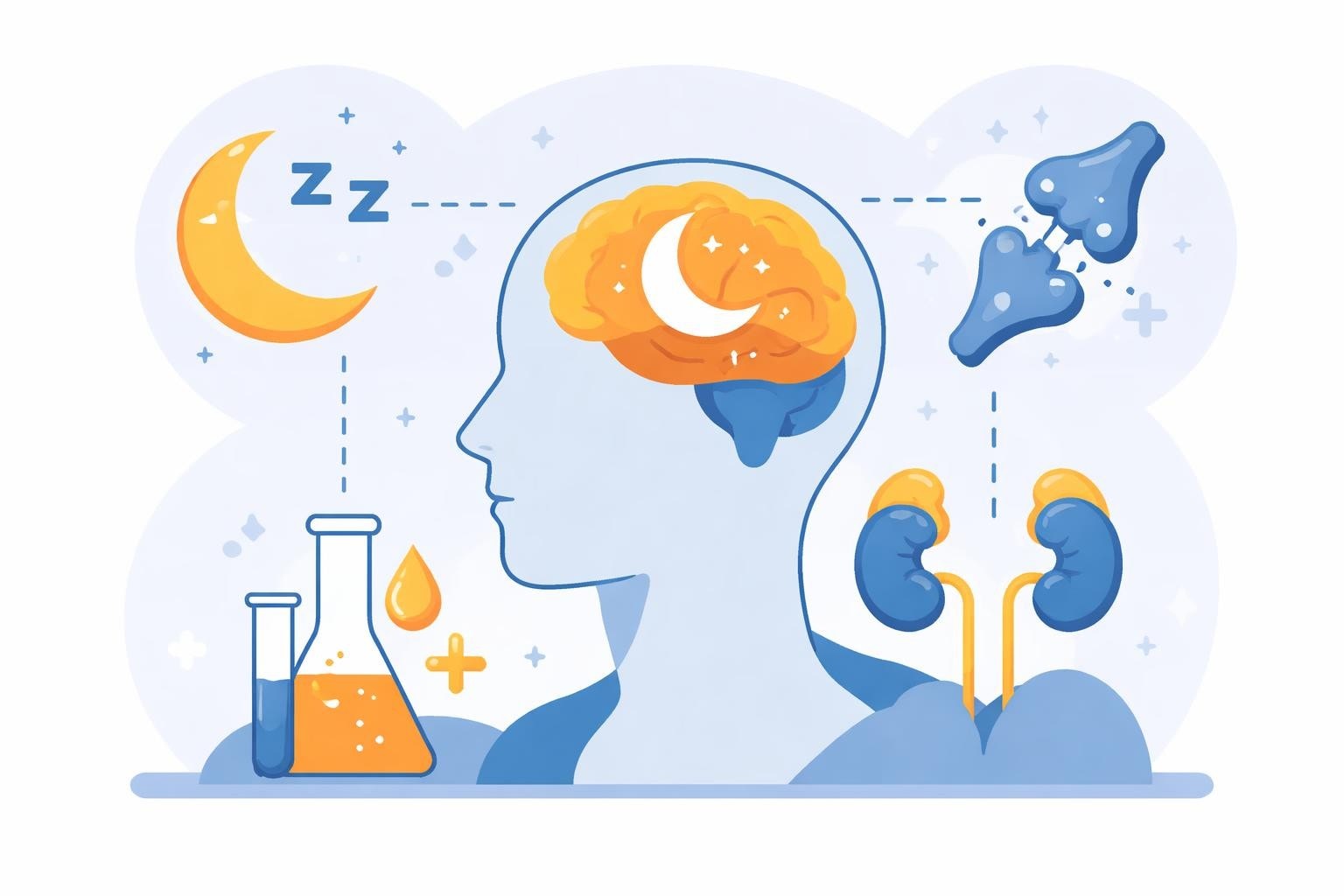
Delta sleep inducing peptide represents one of the most intriguing neuropeptides discovered in sleep research, offering potential therapeutic applications that extend far beyond simple sleep promotion. First isolated from rabbit brain tissue in 1977, this naturally occurring nonapeptide has garnered significant scientific attention for its multifaceted effects on sleep architecture, neurotransmitter regulation, and hormonal homeostasis. As research continues to reveal the complex mechanisms underlying this compound, the peptide community has grown increasingly interested in its potential applications for optimizing recovery, enhancing cognitive function, and supporting overall wellness through improved sleep quality.
Understanding Delta Sleep Inducing Peptide Structure and Origins
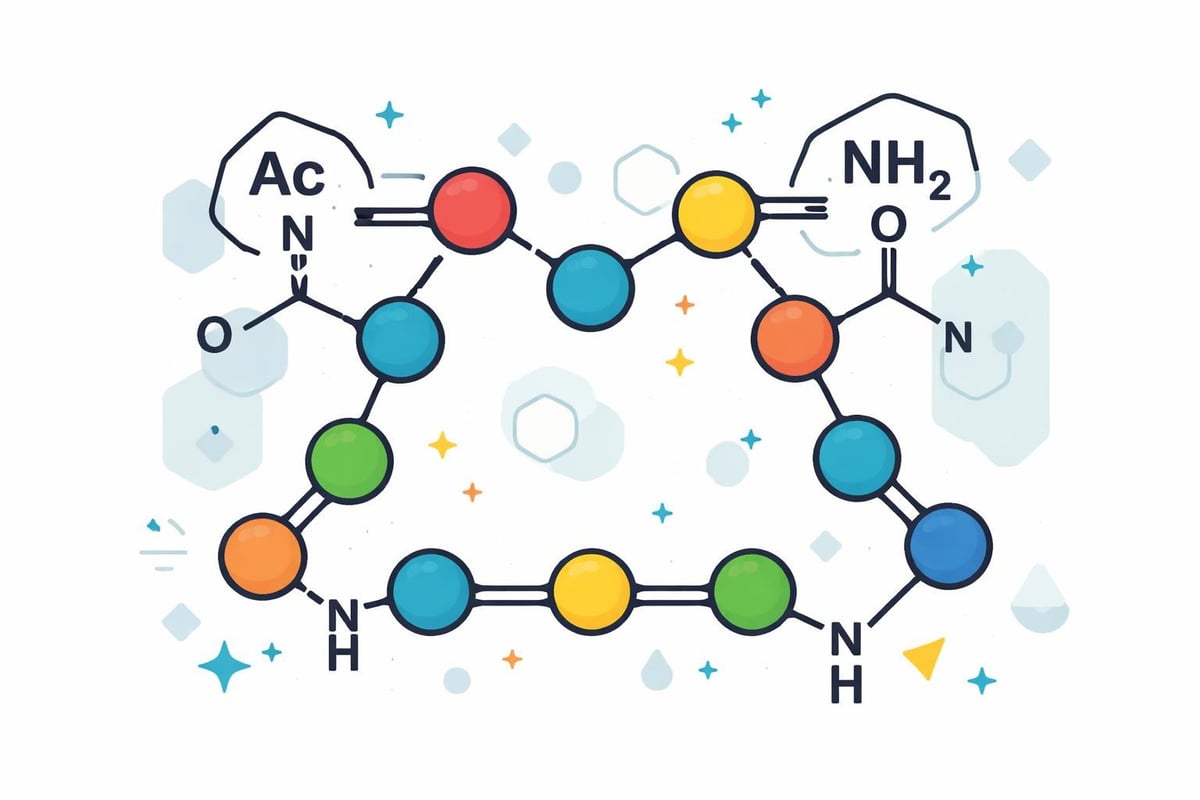
The delta sleep inducing peptide consists of nine amino acids arranged in a specific sequence: Trp-Ala-Gly-Gly-Asp-Ala-Ser-Gly-Glu. This unique configuration allows it to cross the blood-brain barrier and interact with various neurological pathways. Swiss researchers originally discovered this peptide while investigating substances that could promote deep sleep states in experimental models.
Unlike many synthetic sleep aids, this compound occurs naturally in the brain and peripheral tissues of mammals. Its endogenous presence suggests it plays a fundamental role in normal physiological processes related to sleep-wake cycles and stress adaptation.
Chemical Properties and Stability
The molecular structure of delta sleep inducing peptide exhibits remarkable stability compared to other short-chain peptides. This stability contributes to its biological activity and potential therapeutic utility. The peptide's amphipathic nature enables it to interact with both hydrophilic and lipophilic cellular components.
Key structural characteristics include:
- Molecular weight of approximately 849 Daltons
- Presence of both acidic and neutral amino acids
- Glycine residues providing structural flexibility
- Tryptophan residue contributing to receptor binding affinity
Research methodologies for studying this peptide have evolved significantly since its discovery. Modern analytical techniques now allow researchers to examine its interactions at the molecular level, revealing insights into receptor binding dynamics and cellular signaling cascades.
Mechanisms of Action in Sleep Regulation
The primary mechanism through which delta sleep inducing peptide influences sleep involves modulation of neurotransmitter systems and neurohormonal pathways. Studies on DSIP’s effects on neurotransmitter levels demonstrate its ability to influence serotonin, dopamine, and GABA systems, all critical for maintaining healthy sleep architecture.
This peptide doesn't simply sedate the nervous system. Instead, it appears to normalize sleep patterns by addressing underlying dysregulation in neurochemical signaling. Research indicates it may enhance slow-wave sleep, the deepest and most restorative phase of the sleep cycle.
Neurotransmitter System Interactions
Delta sleep inducing peptide demonstrates remarkable specificity in its effects on brain chemistry. Research has shown that DSIP stimulates melatonin secretion, the body's primary sleep-regulating hormone, while also influencing serotonin pathways that govern mood and circadian rhythms.
The peptide's interaction with the dopaminergic system represents another crucial mechanism. Studies indicate DSIP can inhibit somatostatin release through dopaminergic pathways, which has implications for growth hormone regulation and metabolic processes during sleep.
| Neurotransmitter System | Effect of DSIP | Physiological Outcome |
|---|---|---|
| Serotonergic | Increased synthesis and release | Improved mood, enhanced sleep initiation |
| Dopaminergic | Modulated receptor activity | Balanced hormonal secretion patterns |
| GABAergic | Enhanced inhibitory signaling | Reduced neuronal excitability, deeper sleep |
| Adrenergic | Regulated receptor sensitivity | Normalized stress response |
The complexity of these interactions highlights why delta sleep inducing peptide produces effects distinct from conventional sedative medications. Rather than forcing the brain into unconsciousness, it appears to facilitate natural sleep processes through multiple complementary pathways.
Clinical Applications and Research Findings
The therapeutic potential of delta sleep inducing peptide has been investigated across numerous clinical domains. Early studies focused primarily on sleep disorders, but subsequent research has revealed broader applications in stress management, pain modulation, and neurological conditions.
Clinical trials evaluating DSIP in chronic insomniacs demonstrated improvements in both sleep latency and overall sleep quality. Participants reported falling asleep more quickly and experiencing fewer nighttime awakenings, with effects persisting even after discontinuation of the peptide.
Sleep Disorder Management
Individuals struggling with chronic insomnia represent one of the primary target populations for delta sleep inducing peptide research. Traditional sleep medications often produce dependency, tolerance, and undesirable side effects including morning grogginess and cognitive impairment.
Key advantages observed in clinical settings include:
- No reported development of tolerance with extended use
- Minimal next-day sedation or cognitive impairment
- Preservation of natural sleep architecture
- Potential benefits for sleep maintenance, not just initiation
- Low incidence of adverse effects in clinical trials
Beyond primary insomnia, researchers have investigated this peptide's utility in circadian rhythm disorders, particularly among shift workers and individuals with jet lag. The compound's ability to help normalize disrupted sleep-wake cycles makes it particularly valuable for these populations.

Stress Adaptation and Neuroprotection
The relationship between delta sleep inducing peptide and stress response systems extends beyond sleep regulation. Research indicates this compound may help organisms adapt to various stressors by modulating cortisol secretion and enhancing cellular stress resistance.
Studies on anticonvulsive effects suggest potential neuroprotective properties, particularly under conditions of metabolic stress. These findings have sparked interest in the peptide's possible applications for conditions involving neuronal hyperexcitability.
| Clinical Application | Research Status | Potential Benefits |
|---|---|---|
| Chronic Insomnia | Multiple clinical trials completed | Improved sleep quality and duration |
| Stress-Related Disorders | Preliminary human studies | Enhanced stress adaptation |
| Pain Management | Animal models and case reports | Reduced pain perception |
| Seizure Disorders | Preclinical investigation | Anticonvulsive properties |
Dosing Protocols and Administration Methods
Clinical research involving delta sleep inducing peptide has employed various administration routes and dosing regimens. Most studies have utilized intravenous or intramuscular injection, though subcutaneous administration has also shown efficacy in experimental protocols.
Typical dosing ranges in clinical trials have varied from 1 to 25 nanomoles per kilogram of body weight, with lower doses often proving sufficient for sleep promotion. The peptide's short half-life necessitates strategic timing relative to desired sleep onset.
Timing and Frequency Considerations
For sleep optimization, administration typically occurs 30 to 60 minutes before intended bedtime. This timing allows the peptide to reach peak concentrations as natural circadian sleep pressure increases, creating synergistic effects that promote sleep initiation.
Administration considerations include:
- Cycling protocols to prevent potential receptor downregulation
- Individual response variability requiring personalized dosing
- Interaction potential with other sleep-promoting compounds
- Timing relative to meals and other peptide administration
Many practitioners recommend starting with conservative doses and adjusting based on individual response patterns. Keeping detailed sleep logs can help identify optimal dosing strategies for specific individuals. Those interested in learning more about peptide protocols can explore resources available through Pure Peptide’s FAQ section.
Comparative Analysis with Other Sleep-Promoting Compounds
Delta sleep inducing peptide occupies a unique position among sleep-promoting substances due to its endogenous nature and specific mechanisms of action. Unlike pharmaceutical sleep aids that primarily function through GABA receptor agonism, this peptide works through multiple complementary pathways.
DSIP Versus Traditional Sleep Medications
Benzodiazepines and non-benzodiazepine hypnotics dominate the pharmaceutical sleep aid market, yet they carry significant drawbacks including dependency potential, altered sleep architecture, and cognitive impairment. Delta sleep inducing peptide appears to avoid many of these limitations.
| Compound Category | Mechanism | Dependency Risk | Sleep Architecture Impact |
|---|---|---|---|
| DSIP | Multi-pathway neuromodulation | Minimal reported | Preserves natural patterns |
| Benzodiazepines | GABA-A receptor agonism | High | Reduces slow-wave sleep |
| Z-drugs | Selective GABA-A modulation | Moderate | Variable effects |
| Melatonin | Circadian rhythm regulation | None | Minimal direct impact |
The peptide's ability to enhance slow-wave sleep specifically sets it apart from most pharmaceutical options, which often suppress this critical sleep stage. Slow-wave sleep plays essential roles in physical recovery, immune function, and metabolic regulation.

Synergistic Approaches
Some research suggests delta sleep inducing peptide may work synergistically with other compounds that support sleep and recovery. Combining it with complementary peptides or natural sleep promoters might enhance overall effectiveness while allowing for lower individual doses.
Potential complementary compounds include:
- Melatonin for circadian rhythm entrainment
- Glycine for thermoregulatory effects on sleep
- Magnesium for neuromuscular relaxation
- L-theanine for anxiety reduction without sedation
Those exploring comprehensive peptide protocols can browse available options at Pure Peptide’s shop to identify products that align with individual wellness goals.
Neuroendocrine Effects Beyond Sleep
While sleep promotion remains the most studied application, delta sleep inducing peptide influences numerous hormonal systems with implications for recovery, performance, and overall health. Its effects on the hypothalamic-pituitary axis contribute to metabolic optimization during sleep periods.
Growth Hormone and Recovery Optimization
The relationship between sleep quality and growth hormone secretion is well-established, with the majority of daily growth hormone release occurring during slow-wave sleep. By enhancing this critical sleep stage, delta sleep inducing peptide may indirectly support the anabolic processes necessary for muscle recovery and tissue repair.
Athletes and fitness enthusiasts particularly value interventions that optimize recovery without compromising training adaptations. The peptide's ability to support natural physiological processes rather than artificially manipulating them makes it appealing for this population.
Research into growth hormone dynamics reveals several important patterns:
- Peak secretion occurs during the first slow-wave sleep episode
- Sleep fragmentation significantly reduces total growth hormone output
- Aging decreases both slow-wave sleep and growth hormone secretion
- Improving sleep architecture can partially restore youthful secretion patterns
Cortisol Regulation and Stress Response
Delta sleep inducing peptide's influence on the hypothalamic-pituitary-adrenal axis has implications for stress resilience and metabolic health. Chronic stress and elevated cortisol levels disrupt sleep quality, creating a vicious cycle that impairs recovery and performance.
By helping normalize cortisol rhythms and improve stress adaptation, this peptide may break the stress-sleep disruption cycle. Maintaining healthy cortisol patterns supports fat metabolism, preserves lean muscle mass, and promotes cognitive function.
Quality Considerations and Purity Standards
The therapeutic potential of delta sleep inducing peptide depends entirely on product quality and purity. Synthesis methods, purification processes, and storage conditions all impact the final product's efficacy and safety profile.
Manufacturing and Purification Methods
High-quality peptide production requires sophisticated solid-phase peptide synthesis techniques followed by rigorous purification through high-performance liquid chromatography. These processes remove synthesis byproducts, truncated sequences, and contaminants that could reduce effectiveness or cause adverse reactions.
Critical quality indicators include:
- Purity level (typically ≥98% for research-grade peptides)
- Correct amino acid sequence verification through mass spectrometry
- Sterility testing for injectable preparations
- Proper lyophilization maintaining peptide stability
- Third-party testing documentation
Pure Peptide maintains strict quality control standards through advanced purification methods and comprehensive testing protocols, ensuring customers receive peptides that meet the highest purity specifications. Questions about specific product certifications can be directed to the contact team.
Storage and Handling Protocols
Proper storage significantly impacts peptide stability and longevity. Delta sleep inducing peptide should typically be stored as lyophilized powder at refrigerated or frozen temperatures, protected from light and moisture. Once reconstituted, the peptide requires refrigeration and should be used within specified timeframes to maintain potency.
Temperature fluctuations during shipping represent a common concern among peptide users. Reputable suppliers implement cold-chain logistics and provide storage instructions to preserve product integrity from manufacturing through end use.
Safety Profile and Adverse Effects
Clinical trials and experimental studies have generally reported favorable safety profiles for delta sleep inducing peptide, particularly when compared to conventional pharmaceutical sleep aids. However, as with any bioactive compound, individual responses vary and potential interactions require consideration.
Reported Side Effects and Contraindications
The most commonly reported effects in clinical studies include mild headaches, slight dizziness, and transient changes in blood pressure. These effects typically resolve quickly and occur less frequently than with traditional sleep medications.
| Adverse Effect | Frequency in Studies | Severity |
|---|---|---|
| Headache | Occasional | Mild |
| Dizziness | Rare | Mild |
| Blood pressure changes | Rare | Mild, transient |
| Nausea | Very rare | Mild |
| Morning grogginess | Very rare | Mild |
Contraindications remain poorly defined due to limited large-scale clinical trials, but caution is advised for individuals with severe cardiovascular conditions, pregnant or nursing women, and those taking medications affecting neurotransmitter systems. Consultation with qualified healthcare providers before beginning any peptide protocol remains essential.
Drug Interactions and Precautions
Delta sleep inducing peptide's effects on neurotransmitter systems suggest potential interactions with psychiatric medications, particularly those affecting serotonin or dopamine pathways. Individuals taking antidepressants, antipsychotics, or dopamine agonists should exercise particular caution.
Additionally, combining this peptide with other central nervous system depressants, including alcohol or sedative medications, may produce additive effects requiring dose adjustments. Starting with conservative doses while monitoring response patterns helps minimize interaction risks.
Future Research Directions and Emerging Applications
The scientific understanding of delta sleep inducing peptide continues to evolve as researchers explore novel applications and refine mechanistic insights. Several promising research directions may expand therapeutic possibilities beyond current applications.
Cognitive Enhancement and Neuroprotection
Emerging research suggests delta sleep inducing peptide may offer cognitive benefits independent of its sleep-promoting effects. Studies investigating its influence on memory consolidation, learning capacity, and age-related cognitive decline show preliminary promise.
The peptide's potential neuroprotective properties, particularly under conditions of metabolic stress or excitotoxicity, represent another active research area. These effects may have implications for neurodegenerative conditions and traumatic brain injury recovery.
Ongoing research areas include:
- Long-term cognitive outcomes with sustained use
- Neuroprotective mechanisms in animal models of neurodegeneration
- Synergistic effects with other nootropic compounds
- Applications in age-related sleep architecture deterioration
Metabolic and Performance Applications
Athletes and fitness enthusiasts have shown growing interest in peptides that support recovery and performance optimization. Delta sleep inducing peptide's ability to enhance slow-wave sleep and potentially influence growth hormone dynamics makes it relevant for this population.
Future research may clarify optimal protocols for recovery enhancement, training adaptation support, and performance optimization. Understanding how this peptide integrates with comprehensive wellness strategies will help practitioners develop evidence-based recommendations.
Individuals interested in exploring peptide options for recovery and performance can review the complete selection at Pure Peptide to identify products aligned with their specific goals.
Delta sleep inducing peptide represents a scientifically fascinating compound with therapeutic potential extending from sleep optimization to neuroendocrine regulation and stress adaptation. As research continues to reveal its multifaceted mechanisms and applications, this naturally occurring nonapeptide offers a compelling alternative to conventional sleep medications while supporting broader wellness objectives. Pure Peptide provides access to premium-quality peptides manufactured under stringent purity standards, ensuring you receive compounds that meet the highest efficacy and safety specifications for your health optimization journey. Explore the comprehensive selection and discover how advanced peptide protocols can support your wellness goals at Pure Peptide.