
The world of peptide research continues to expand with innovative tools that enable scientists to better understand protein function, localization, and interaction. Among these critical research tools, the flag peptide stands out as a cornerstone technology in molecular biology and biotechnology. This small but mighty amino acid sequence has transformed how researchers purify, detect, and study proteins in laboratory settings. Originally developed in the 1980s, the flag peptide has become an indispensable component in countless research applications, from basic science investigations to pharmaceutical development. Understanding its properties, applications, and implementation can provide valuable insights for anyone working with peptides or studying protein biochemistry.
Understanding the FLAG Peptide Structure and Properties
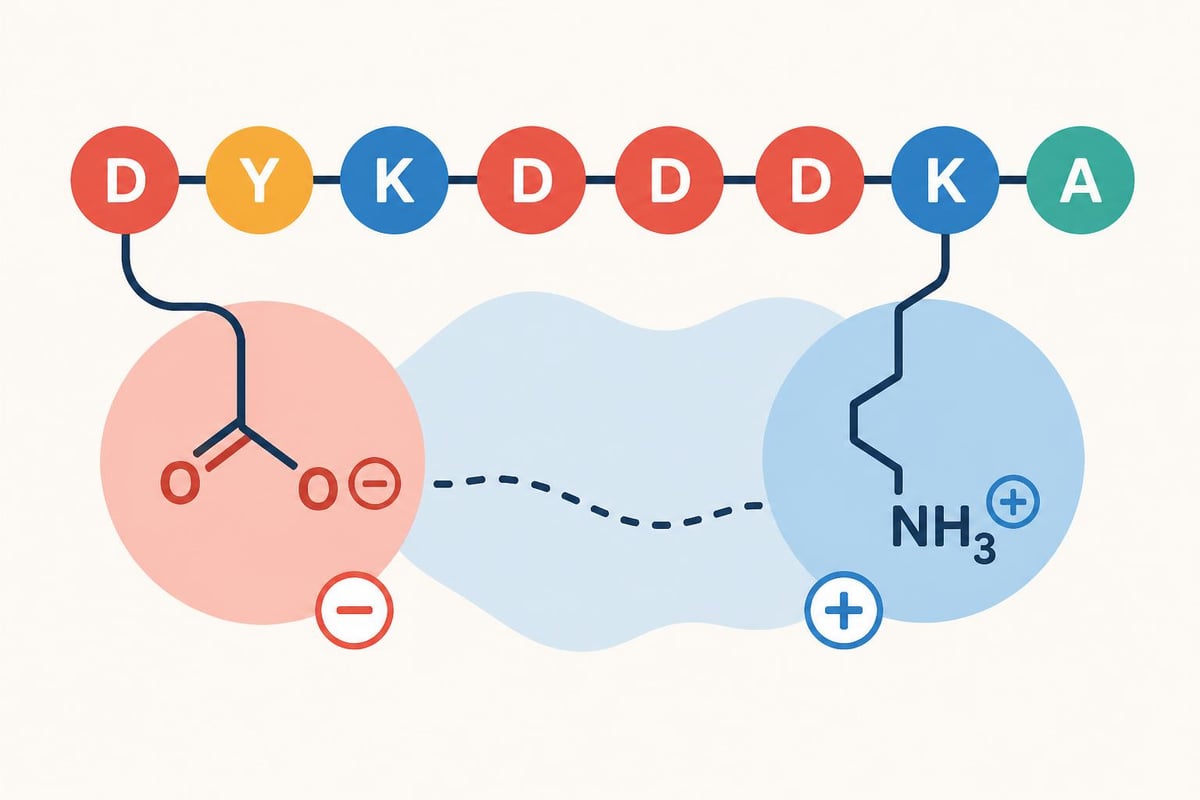
The flag peptide consists of a short, hydrophilic sequence of eight amino acids: Asp-Tyr-Lys-Asp-Asp-Asp-Asp-Lys (DYKDDDDK). This specific sequence was carefully designed to be highly antigenic while remaining small enough not to interfere with the normal function of tagged proteins. The chemical composition of the FLAG peptide includes multiple aspartic acid residues that contribute to its hydrophilic nature and excellent solubility in aqueous solutions.
Molecular Characteristics
The molecular weight of the flag peptide is approximately 1012.9 daltons, making it one of the smallest epitope tags available for protein research. Its compact size offers several advantages over larger fusion tags:
- Minimal structural interference with target protein folding and function
- High solubility in physiological buffers and experimental conditions
- Strong immunogenicity that enables reliable antibody recognition
- Flexibility in positioning at N-terminus, C-terminus, or internal locations
The peptide's negative charge at physiological pH, due to the multiple aspartic acid residues, contributes to its excellent performance in various experimental conditions. This charge distribution also facilitates elution during purification procedures using competitive displacement with free flag peptide.
Applications in Protein Purification and Detection
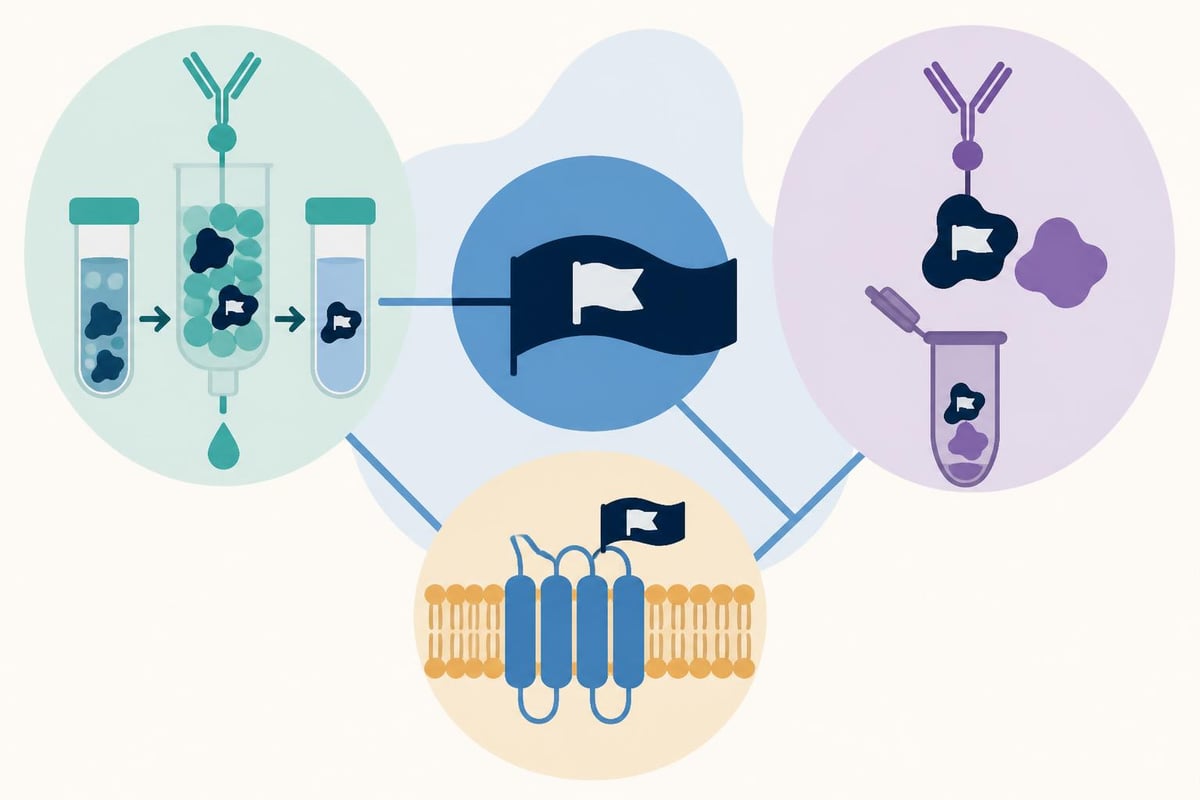
The primary application of the flag peptide involves its use as an affinity tag for recombinant protein purification. When genetically fused to a target protein, this tag enables efficient isolation through immunoaffinity chromatography. Researchers at LifeTein have documented extensive applications of this technology in molecular biology workflows.
Purification Methodology
Protein purification using the flag peptide tag follows a straightforward protocol that delivers high-yield results. The process leverages monoclonal antibodies specifically designed to recognize the DYKDDDDK sequence with exceptional specificity and affinity.
Standard Purification Steps:
- Express the FLAG-tagged protein in appropriate host cells
- Prepare cell lysate under optimal buffer conditions
- Load lysate onto anti-FLAG antibody-conjugated resin
- Wash away unbound proteins and contaminants
- Elute target protein using competitive FLAG peptide solution
- Concentrate and buffer exchange as needed
The purification efficiency typically exceeds 95% purity in a single step, making it considerably faster than traditional multi-column chromatography approaches. The detailed specifications from BioCat highlight the importance of using high-quality flag peptide for optimal elution results.
| Purification Method | Purity Achieved | Time Required | Cost Efficiency |
|---|---|---|---|
| FLAG Affinity | 95-99% | 2-4 hours | High |
| His-Tag | 85-95% | 3-5 hours | Medium |
| GST Fusion | 80-90% | 4-6 hours | Medium |
| Traditional Column | 70-85% | 1-3 days | Low |
Detection and Localization Studies
Beyond purification, the flag peptide serves as an excellent detection tag for Western blotting, immunofluorescence, and immunoprecipitation experiments. The availability of high-affinity monoclonal antibodies makes it possible to detect even low-abundance proteins in complex biological samples.
Researchers commonly use FLAG-tagged constructs to study protein localization within cells, protein-protein interactions, and post-translational modifications. The small size of the tag minimizes artifacts that might otherwise alter protein trafficking or cellular distribution.
Advantages Over Alternative Tagging Systems
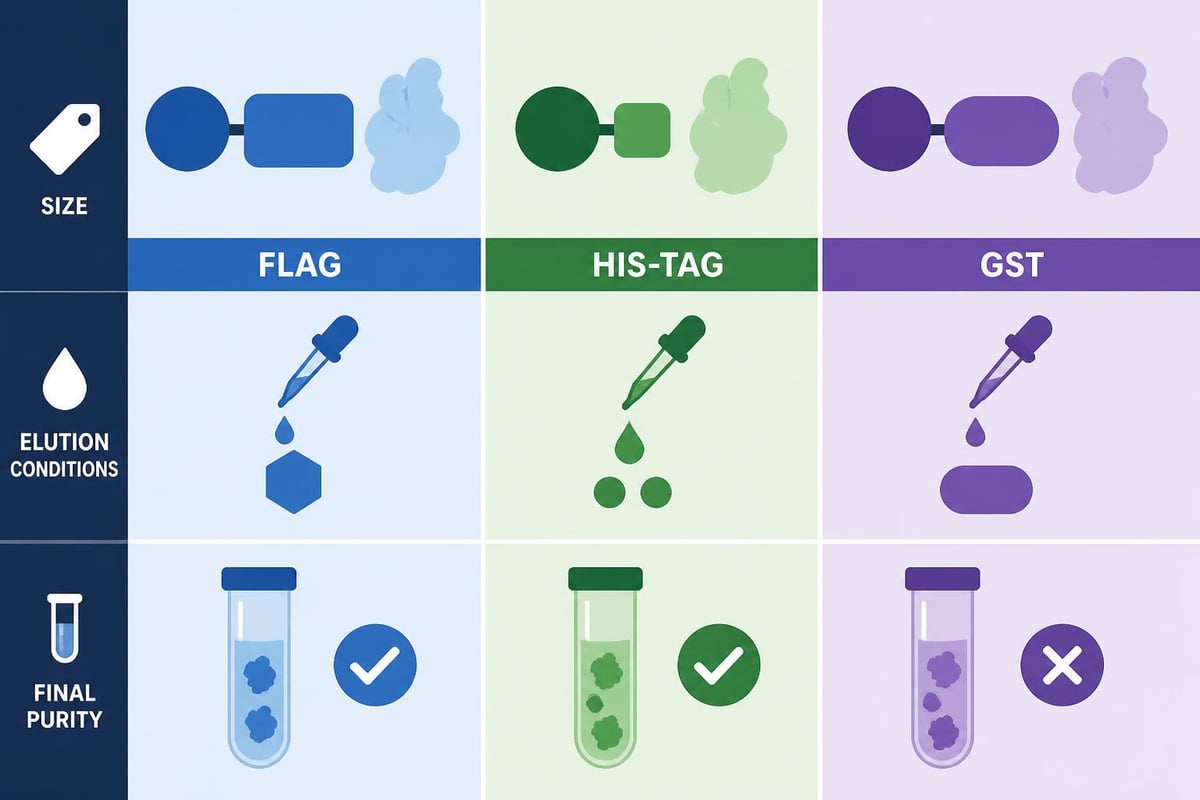
The flag peptide offers distinct advantages when compared to other commonly used protein tags. While systems like polyhistidine tags, glutathione S-transferase (GST), and maltose-binding protein (MBP) each have their merits, the FLAG system provides unique benefits for specific applications.
Comparative Analysis
Size considerations represent a critical factor when selecting an epitope tag. The flag peptide's eight amino acid length contrasts sharply with larger fusion partners that can span several hundred amino acids. This compact footprint reduces the likelihood of interfering with protein folding, enzymatic activity, or cellular localization.
Key Advantages:
- Native conditions: Purification occurs under physiological pH and salt concentrations
- Mild elution: Competitive elution with free peptide avoids harsh conditions
- Versatile positioning: Can be placed at either terminus or internal sites
- Protease cleavage sites: Often incorporated for tag removal if needed
- Multiple FLAG tags: Tandem repeats increase purification efficiency
The immunoaffinity approach used with flag peptide eliminates the need for metal chelation or unusual substrates, making downstream applications more straightforward. This becomes particularly important when studying proteins sensitive to metal ions or when conducting enzymatic assays immediately after purification.
Implementation in Research Workflows
Successfully incorporating flag peptide technology into research protocols requires attention to molecular cloning, expression optimization, and purification strategy. The tag can be introduced through standard molecular biology techniques, including PCR-based methods and restriction enzyme cloning.
Expression System Considerations
Different expression hosts present varying challenges and opportunities for FLAG-tagged protein production. Bacterial systems offer rapid production and cost-effectiveness, while mammalian cells provide proper post-translational modifications for eukaryotic proteins.
Expression Host Selection:
| Host System | Advantages | Limitations | Recommended For |
|---|---|---|---|
| E. coli | Fast, inexpensive, high yield | No glycosylation | Prokaryotic proteins |
| Yeast | Post-translational modifications | Different glycosylation pattern | Screening studies |
| Insect Cells | Proper folding, modifications | Moderate cost | Membrane proteins |
| Mammalian | Native modifications | Expensive, slower | Therapeutic proteins |
Expression levels can be optimized by adjusting induction conditions, temperature, and culture duration. For proteins toxic to host cells, inducible promoters provide temporal control over expression timing. Those working with premium peptide preparations understand the importance of expression optimization for final product quality.
Quality Control and Validation
Confirming successful FLAG-tagging requires validation through multiple approaches. Western blotting with anti-FLAG antibodies provides initial confirmation, while mass spectrometry offers definitive proof of correct fusion protein production.
Functional assays remain critical to verify that the flag peptide tag does not compromise protein activity. Enzymatic assays, binding studies, or cellular phenotype analysis should demonstrate that tagged proteins retain their biological function. Understanding proper handling and storage of peptide materials ensures experimental reproducibility.
Advanced Applications and Emerging Technologies
The versatility of the flag peptide extends beyond standard purification and detection protocols. Innovative researchers have developed creative applications that leverage the tag's unique properties for specialized investigations.
Protein Complex Studies
Co-immunoprecipitation using FLAG-tagged bait proteins enables identification of protein-protein interactions and multi-protein complex composition. This approach, combined with mass spectrometry, reveals interaction networks critical for understanding cellular processes.
The flag peptide system facilitates affinity purification followed by mass spectrometry (AP-MS) workflows that map protein interaction landscapes. Researchers can identify both stable complex members and transient binding partners by carefully controlling washing stringency and buffer composition.
Membrane Protein Research
Membrane proteins present unique challenges for purification and study due to their hydrophobic nature and tendency to aggregate. The flag peptide tag has proven particularly useful for these difficult targets when combined with appropriate detergents and solubilization strategies.
Research on peptide folding and membrane insertion demonstrates the importance of understanding biophysical properties when working with membrane-associated proteins. The FLAG system's compatibility with various detergents makes it adaptable to different membrane protein families.
Commercial Availability and Material Selection
Selecting high-quality flag peptide for research applications directly impacts experimental success. Commercial suppliers offer the peptide in various formats, including lyophilized powder and pre-dissolved solutions at standardized concentrations.
Quality Specifications
When procuring flag peptide, researchers should verify several critical quality parameters. Purity levels typically should exceed 95% as determined by high-performance liquid chromatography (HPLC). Product specifications from Selleckchem demonstrate industry standards for peptide quality and characterization.
Essential Quality Metrics:
- Purity: ≥95% by HPLC analysis
- Sequence verification: Mass spectrometry confirmation
- Endotoxin levels: <1 EU/mg for cell culture applications
- Storage stability: Documented shelf life data
- Solubility: Verified in standard buffer systems
Chemical property databases provide reference standards for validating commercial peptide preparations. These resources help researchers verify that purchased materials meet specifications necessary for reliable experimental outcomes.
Cost-Effectiveness and Scale
The economics of FLAG-based purification become favorable at most experimental scales. While the initial investment in anti-FLAG antibody resin may seem substantial, the resin's reusability across multiple purification cycles distributes costs over many experiments.
For large-scale applications, researchers can regenerate affinity columns multiple times before replacement becomes necessary. Proper column maintenance and storage extend resin lifespan significantly, improving overall cost-effectiveness compared to disposable purification systems.
Optimization Strategies for Maximum Performance
Achieving optimal results with flag peptide technology requires systematic optimization of multiple experimental parameters. Buffer composition, pH, salt concentration, and elution conditions all influence purification efficiency and protein recovery.
Buffer Optimization
The choice of lysis and wash buffers significantly impacts both binding efficiency and final protein purity. Standard Tris-buffered saline (TBS) at pH 7.4 provides excellent performance for most applications, though some proteins benefit from alternative buffer systems.
Critical Buffer Components:
- pH range: 7.2-7.6 for optimal antibody binding
- Salt concentration: 150 mM NaCl maintains specificity
- Detergents: 0.1% Triton X-100 or NP-40 for membrane proteins
- Protease inhibitors: Essential for maintaining protein integrity
- Reducing agents: DTT or β-mercaptoethanol when needed
Temperature control during purification prevents protein degradation and maintains antibody affinity. Conducting all steps at 4°C significantly improves recovery of labile proteins while preserving enzymatic activity.
Elution Strategy Selection
Two primary elution approaches exist for FLAG-tagged protein recovery: competitive elution using free flag peptide or pH-mediated elution. Competitive elution with excess free peptide represents the gentler approach, maintaining native protein structure and activity.
The concentration of free flag peptide for competitive elution typically ranges from 100-200 μg/mL. Higher concentrations may be required for proteins with particularly strong antibody affinity or when working with tandem FLAG tags.
Integration with Modern Peptide Applications
While the flag peptide originated as a research tool, understanding its principles provides insights relevant to therapeutic and performance peptides. The same attention to sequence design, purity, and quality control applies across all peptide applications.
Companies focused on therapeutic peptides, such as those offering BPC-157 or TB-500 for recovery applications, apply similar purification and validation methodologies. The principles underlying FLAG technology inform quality control standards throughout the peptide industry.
Quality Parallels in Therapeutic Peptides
The rigorous characterization required for flag peptide preparations mirrors the quality standards necessary for therapeutic peptide products. HPLC purity analysis, mass spectrometry verification, and endotoxin testing represent universal requirements across both research and application-focused peptide manufacturing.
Growth hormone secretagogues like Ipamorelin and metabolic regulators such as Tesamorelin undergo similar analytical validation to ensure batch-to-batch consistency. This shared quality framework ensures that whether peptides serve research or personal optimization goals, they meet stringent purity and potency requirements.
Understanding research-grade peptide standards helps users appreciate the importance of sourcing peptides from reputable suppliers who maintain comprehensive quality control programs. The diverse product range available from specialized suppliers demonstrates the breadth of applications where high-purity peptides deliver value.
Technical Considerations and Troubleshooting
Even with optimized protocols, researchers occasionally encounter challenges when working with FLAG-tagged proteins. Common issues include low expression levels, poor binding efficiency, or co-purification of contaminating proteins.
Addressing Expression Challenges
When FLAG-tagged proteins exhibit low expression, several factors may be responsible. Codon optimization for the host organism can dramatically improve translation efficiency. Additionally, the position of the FLAG tag may affect protein stability or expression.
Trying both N-terminal and C-terminal FLAG tags often reveals which configuration produces higher yields. Some proteins tolerate internal FLAG insertion, though this requires careful design to avoid disrupting functional domains.
Binding and Elution Problems
Insufficient binding to anti-FLAG resin typically results from buffer incompatibility or tag accessibility issues. Ensuring the FLAG sequence remains exposed and not buried within the folded protein structure proves critical for antibody recognition.
If standard competitive elution fails to recover bound protein, increasing the free flag peptide concentration or extending incubation time may improve results. Alternatively, pH-based elution using glycine-HCl at pH 3.5 provides a more stringent approach, though this may compromise protein activity.
Troubleshooting Guide:
| Problem | Likely Cause | Solution |
|---|---|---|
| Low yield | Poor expression | Optimize induction conditions |
| No binding | Inaccessible tag | Try alternative tag position |
| High background | Insufficient washing | Increase wash volume/stringency |
| Inactive protein | Harsh elution | Switch to competitive elution |
Maintaining proper reconstitution procedures and storage protocols ensures peptide materials remain active throughout experiments. These same principles apply to flag peptide used for competitive elution, where degraded or improperly stored peptide may show reduced effectiveness.
Future Directions and Innovations
The flag peptide system continues to evolve as researchers develop new variations and applications. Recent innovations include tandem FLAG tags for enhanced purification, photo-cleavable FLAG sequences for controlled tag removal, and dual-tag systems combining FLAG with complementary epitopes.
Next-Generation Tag Systems
Efforts to improve upon the original flag peptide design focus on increasing specificity, reducing cost, and expanding functionality. Some laboratories have developed FLAG variants with altered sequences that maintain antibody recognition while offering improved properties for specific applications.
Combining FLAG tagging with other emerging technologies, such as CRISPR-based genome editing, enables endogenous protein tagging without traditional cloning requirements. This approach preserves native expression levels and regulatory elements while adding the benefits of epitope-tagged proteins.
The ongoing refinement of peptide synthesis and purification technologies continues to reduce costs while improving quality. As with therapeutic peptides ranging from anti-aging compounds to growth hormone products, advances in manufacturing efficiency make these tools increasingly accessible to diverse research applications.
The flag peptide represents a fundamental tool in modern molecular biology, enabling efficient protein purification and detection across countless research applications. Understanding its properties, applications, and optimization strategies provides valuable insights into peptide technology that extends beyond laboratory research. Whether you're exploring research-grade peptides or therapeutic applications for performance enhancement and recovery, working with a trusted supplier ensures access to premium quality materials backed by rigorous testing. Pure Peptide delivers the purity, potency, and reliability necessary for achieving your health and research goals through advanced peptide formulations.