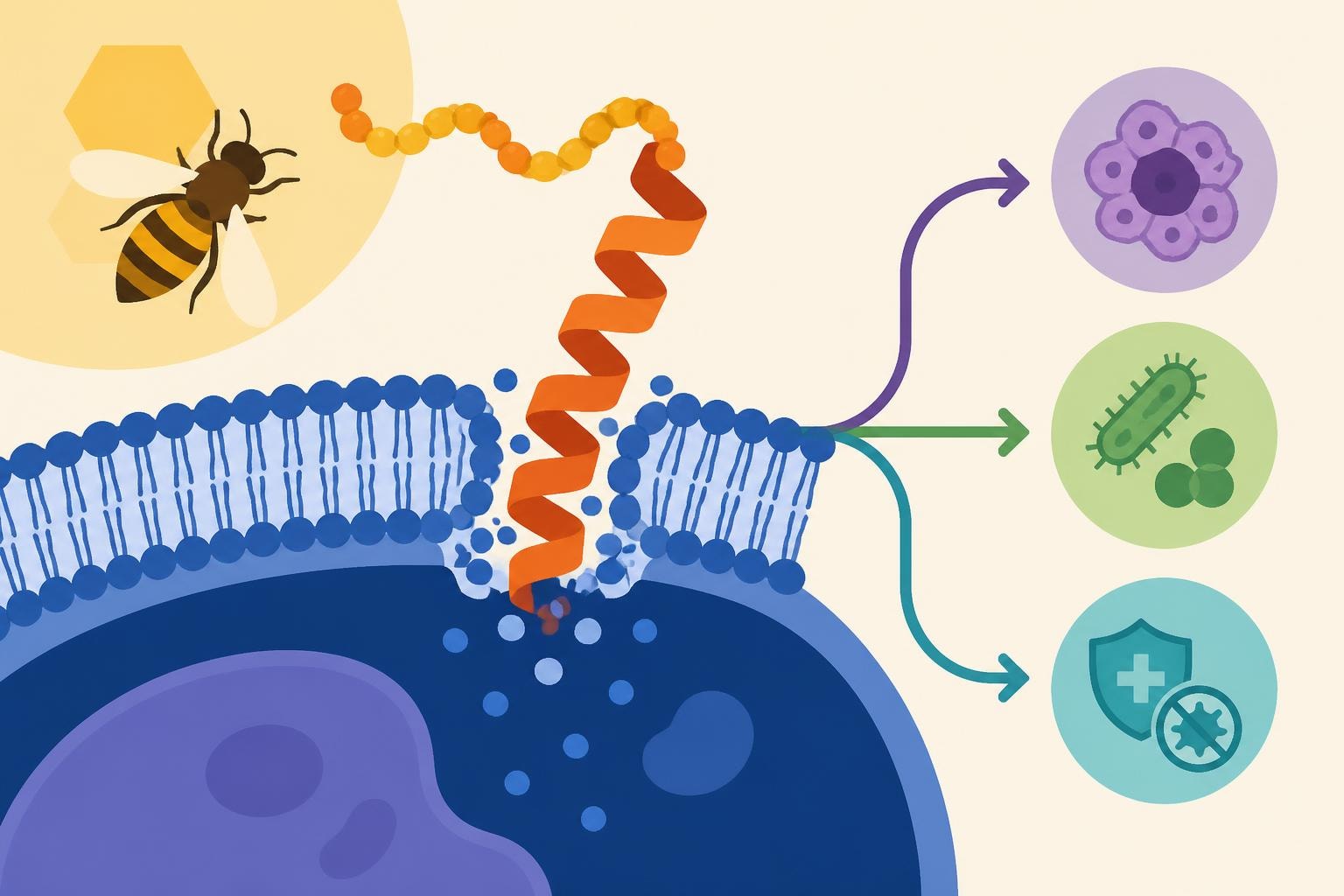
Melittin bee venom represents one of nature's most powerful bioactive peptides, comprising approximately 50% of dry honeybee venom. This 26-amino acid peptide has captured significant attention from researchers and therapeutic peptide companies due to its diverse biological activities. From antimicrobial properties to potential anticancer applications, melittin bee venom demonstrates remarkable therapeutic potential that extends far beyond its role as the primary pain-producing component of bee stings.
Understanding the Molecular Structure of Melittin
Melittin consists of 26 amino acids arranged in a specific sequence that gives this peptide its unique properties. The molecule features a predominantly hydrophobic N-terminus and a hydrophilic C-terminus with a strong positive charge. This amphipathic structure allows melittin to interact with cell membranes in distinctive ways.
The Mechanism of Membrane Interaction
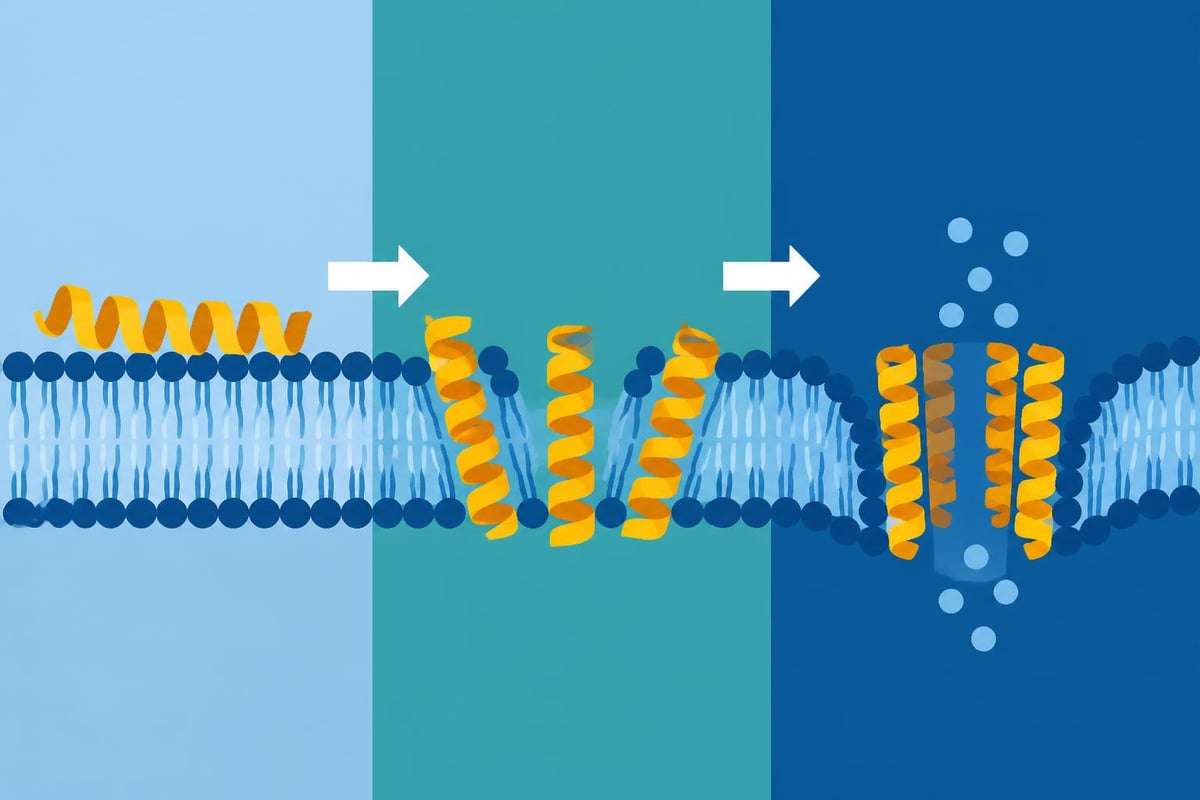
The peptide adopts an alpha-helical conformation when it encounters lipid bilayers, which explains its ability to penetrate cellular membranes. Research has shown that melittin bee venom initially binds to membrane surfaces before undergoing reorientation to form transmembrane pores, a process that requires overcoming specific free energy barriers.
Key structural features include:
- 26 amino acid residues with high hydrophobic content
- Alpha-helical secondary structure in membrane environments
- Positive charge concentration at the C-terminus
- Amphipathic nature enabling membrane disruption
- Molecular weight of approximately 2,840 Daltons
Antimicrobial Properties and Applications
Melittin bee venom exhibits broad-spectrum antimicrobial activity against bacteria, fungi, and certain viruses. The peptide's mechanism involves disrupting microbial cell membranes through pore formation, leading to cell lysis. This non-specific mechanism makes it difficult for microorganisms to develop resistance, unlike traditional antibiotics.
Research into enhanced antimicrobial variants like Melp5 has demonstrated improved cell membrane poration capabilities. These modifications aim to increase therapeutic efficacy while reducing toxicity to human cells.
Spectrum of Antimicrobial Activity
| Microorganism Type | Melittin Effectiveness | Mechanism |
|---|---|---|
| Gram-positive bacteria | High | Membrane disruption |
| Gram-negative bacteria | Moderate to High | Lipopolysaccharide interaction |
| Fungi | Moderate | Cell wall penetration |
| Enveloped viruses | High | Viral envelope destruction |
The peptide's antimicrobial potential has sparked interest in developing topical formulations and wound healing applications. However, its cytotoxic effects on mammalian cells remain a significant challenge that researchers continue to address through structural modifications and delivery system innovations.
Anticancer Research and Therapeutic Potential
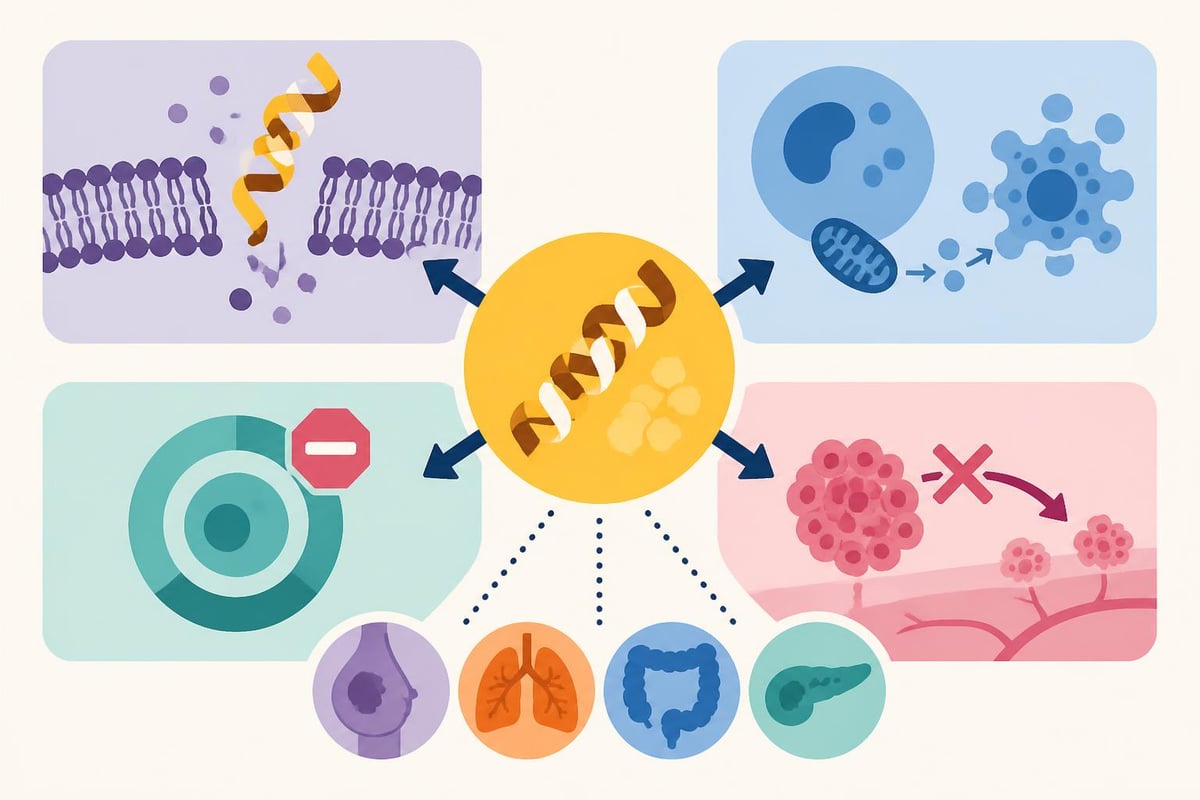
One of the most promising areas of investigation involves melittin bee venom's anticancer properties. Studies have documented the peptide's ability to induce apoptosis, inhibit proliferation, and suppress metastasis across various cancer cell lines. The anticancer efficacy of melittin has been demonstrated in multiple human cancer models, including breast, lung, liver, and prostate cancers.
Mechanisms of Anticancer Action
Melittin bee venom exerts its anticancer effects through several pathways:
- Direct membrane lysis of cancer cells due to altered membrane composition
- Apoptosis induction through mitochondrial pathway activation
- Cell cycle arrest at specific checkpoints
- Inhibition of angiogenesis to prevent tumor blood vessel formation
- Suppression of metastatic potential through matrix metalloproteinase regulation
- Modulation of growth factor signaling pathways
Cancer cells often exhibit different membrane properties compared to healthy cells, including altered lipid composition and increased negative surface charge. These differences make cancer cells more susceptible to melittin's membrane-disrupting effects, providing a degree of selectivity.
Research teams have explored combination therapies pairing melittin with conventional chemotherapy agents. These approaches aim to enhance treatment efficacy while potentially reducing the required doses of toxic chemotherapy drugs. The synergistic effects observed in laboratory studies suggest promising avenues for clinical development, though significant work remains before therapeutic applications can be realized.
Anti-Inflammatory Effects and Pain Management
Despite being responsible for the pain associated with bee stings, melittin bee venom demonstrates potent anti-inflammatory properties when administered in controlled, sub-toxic doses. This paradoxical effect has generated interest in developing the peptide for inflammatory condition management.
Inflammatory Pathway Modulation
The peptide influences inflammation through multiple mechanisms:
- Phospholipase A2 activation leading to downstream anti-inflammatory effects
- Nuclear factor-kappa B (NF-κB) pathway inhibition reducing inflammatory cytokine production
- Cyclooxygenase-2 (COX-2) suppression decreasing prostaglandin synthesis
- Mast cell stabilization at appropriate concentrations
Traditional medicine practices, particularly in Asian countries, have utilized bee venom therapy for arthritis, chronic pain, and inflammatory skin conditions. Modern research seeks to validate these traditional uses while understanding the molecular mechanisms involved.
Diabetes and Metabolic Applications
Emerging research has explored melittin's potential applications in diabetes mellitus treatment, investigating its effects on glucose metabolism and insulin sensitivity. Preliminary studies suggest that melittin bee venom may influence pancreatic beta-cell function and glucose uptake in peripheral tissues.
Metabolic Effects Under Investigation
| Metabolic Parameter | Observed Effect | Research Stage |
|---|---|---|
| Blood glucose levels | Potential reduction | Preclinical |
| Insulin sensitivity | Possible improvement | Early research |
| Pancreatic function | Beta-cell protection | Laboratory studies |
| Lipid metabolism | Modulation observed | Animal models |
The peptide's influence on metabolic pathways remains an active area of investigation, with researchers working to identify optimal dosing strategies and delivery methods that could translate laboratory findings into therapeutic applications.
Biotechnological Production and Quality Considerations
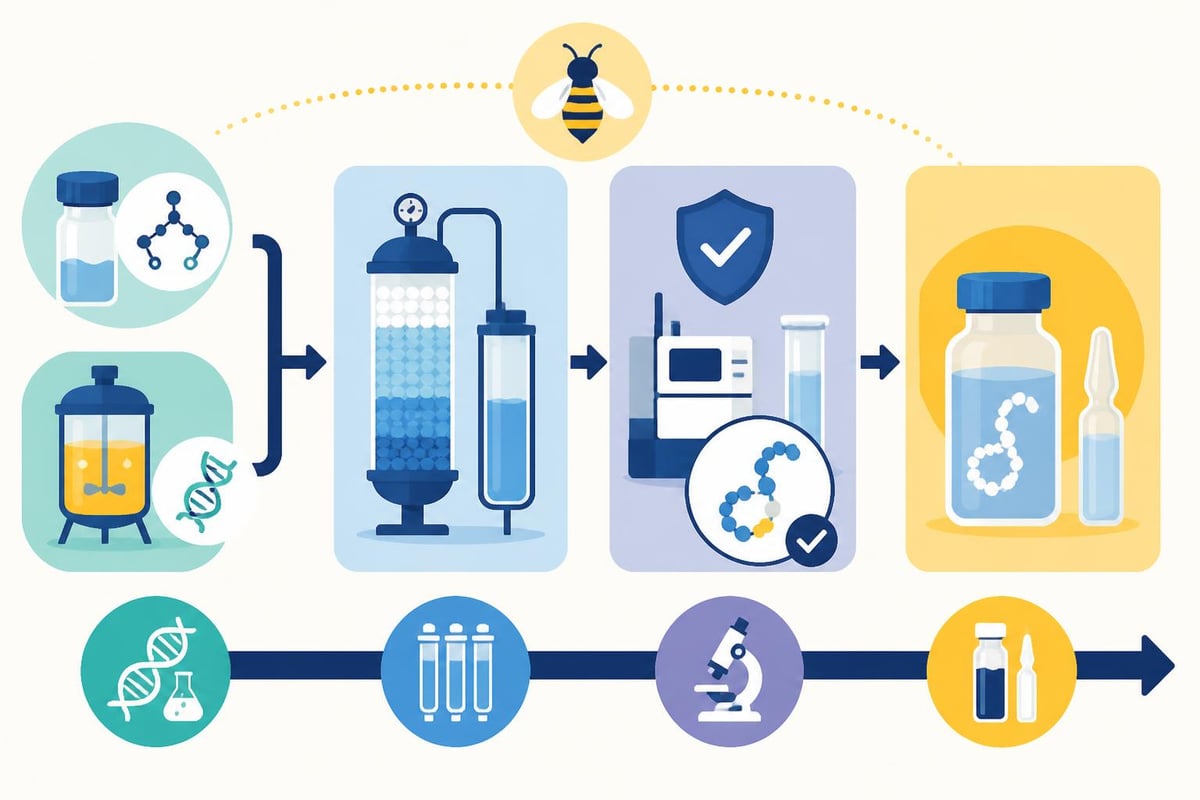
Natural extraction of melittin from bee venom presents significant challenges, including batch-to-batch variability, limited supply, and potential contamination with other venom components. Modern biotechnology has addressed these limitations through recombinant production methods and synthetic peptide manufacturing.
Production methods include:
- Recombinant expression in bacterial systems (E. coli)
- Solid-phase peptide synthesis for research applications
- Semi-synthetic approaches combining both methods
- Purification through high-performance liquid chromatography
Quality control becomes paramount when working with bioactive peptides. Premium quality peptides require rigorous testing protocols including mass spectrometry, amino acid analysis, and purity verification through analytical HPLC. Companies like Pure Peptide implement advanced purification methods and stringent quality control standards to ensure consistent therapeutic-grade materials.
The biotechnological applications extend beyond therapeutic uses. Researchers have explored melittin's potential as a biosensor component, drug delivery enhancer, and research tool for studying membrane biology. These diverse applications of melittin and related peptides from bee and wasp venoms highlight the versatility of these natural compounds.
Delivery Systems and Bioavailability Challenges
One of the primary obstacles in developing melittin bee venom therapeutics involves managing its non-selective cytotoxicity and optimizing delivery to target tissues. The peptide's potent membrane-disrupting activity affects both diseased and healthy cells, necessitating innovative delivery strategies.
Advanced Delivery Approaches
Researchers have developed several strategies to improve melittin's therapeutic index:
- Nanoparticle encapsulation using liposomes, polymeric nanoparticles, or gold nanoparticles
- Targeted conjugation with antibodies or targeting peptides for specific cell recognition
- Prodrug formulations that activate only in target tissue environments
- Localized administration through topical, intralesional, or direct tumor injection
These delivery systems aim to concentrate melittin at disease sites while minimizing systemic exposure. The enhanced permeability and retention effect in tumors, for example, allows certain nanoparticle formulations to preferentially accumulate in cancerous tissues compared to normal organs.
Safety Profile and Toxicological Considerations
Understanding melittin bee venom's safety profile remains critical for therapeutic development. The peptide exhibits dose-dependent effects ranging from beneficial anti-inflammatory actions at low concentrations to hemolytic activity and tissue damage at higher doses.
Toxicity factors include:
- Hemolytic activity causing red blood cell rupture
- Histamine release triggering allergic-type reactions
- Nephrotoxicity at elevated systemic concentrations
- Hepatotoxicity observed in animal studies with high doses
- Potential immunogenic responses with repeated exposure
The therapeutic window between beneficial effects and toxicity remains narrow, emphasizing the importance of precise dosing, appropriate delivery systems, and careful patient selection. Proper injection techniques and safety protocols become essential when working with potent bioactive peptides.
Current Research Directions and Future Perspectives
The scientific community continues to expand understanding of melittin's biological activities and therapeutic potential. Recent investigations have examined water dynamics around melittin, providing insights into its functional interactions at the molecular level. These fundamental studies contribute to rational design of improved variants with enhanced selectivity and reduced toxicity.
Emerging Research Areas
Current research priorities include:
- Structure-activity relationship studies identifying critical amino acids for specific functions
- Hybrid peptide design combining melittin with other bioactive sequences
- Synergistic combination therapies pairing melittin with existing treatments
- Personalized medicine approaches using biomarkers to identify responsive patients
- Novel formulation technologies improving stability and bioavailability
The intersection of melittin research with other therapeutic peptide developments creates opportunities for cross-application of technologies and insights. Understanding gained from melittin studies contributes to broader peptide therapeutic development, including compounds focused on weight loss, muscle growth, recovery, and anti-aging applications.
Regulatory Landscape and Clinical Development
Despite promising preclinical data, melittin bee venom faces significant regulatory hurdles before widespread therapeutic use. The peptide's classification, manufacturing requirements, and clinical trial design present unique challenges that developers must navigate carefully.
Clinical Development Stages
| Development Phase | Key Requirements | Current Status |
|---|---|---|
| Preclinical | Safety, efficacy, mechanism | Multiple active studies |
| Phase I | Human safety, dosing | Limited trials |
| Phase II | Efficacy signals, optimal dose | Early stage investigations |
| Phase III | Large-scale efficacy proof | Not yet initiated |
| Regulatory approval | Comprehensive data package | Future milestone |
Regulatory agencies require extensive documentation of manufacturing processes, quality control measures, stability data, and comprehensive safety profiles. The peptide nature of melittin necessitates specialized handling, storage, and administration protocols that add complexity to clinical development programs.
Integration with Peptide Therapeutic Strategies
Melittin bee venom represents one component of a broader renaissance in peptide therapeutics. The pharmaceutical industry has recognized peptides' unique advantages, including high potency, selectivity, and reduced off-target effects compared to small molecules. The knowledge gained from melittin research contributes to this expanding field.
Modern peptide therapeutic development emphasizes purity, consistency, and efficacy. These same principles that guide melittin research apply across all therapeutic peptide applications. Whether addressing metabolic conditions, supporting recovery processes, or promoting longevity through anti-aging pathways, peptide quality remains paramount.
The scientific rigor applied to understanding melittin's mechanisms informs development of other bioactive peptides. Lessons learned about membrane interaction, cellular uptake, and biological stability translate across peptide classes, accelerating the entire field's progress toward effective therapeutic interventions.
Melittin bee venom demonstrates remarkable therapeutic potential across diverse applications, from antimicrobial and anticancer effects to anti-inflammatory and metabolic benefits. While significant research advances our understanding of this powerful peptide, translating laboratory findings into clinical therapies requires continued investigation, innovative delivery systems, and rigorous quality standards. Whether you're interested in cutting-edge peptide research or seeking premium quality peptides for your wellness goals, Pure Peptide provides access to thoroughly tested, pharmaceutical-grade compounds backed by advanced purification methods and comprehensive quality control protocols.