


IGF-1 LR3 has gained significant attention in performance enhancement and recovery optimization communities for its potential to support muscle growth and metabolic improvements. This modified version of insulin-like growth factor 1 offers an extended half-life compared to standard IGF-1, allowing for more sustained biological activity. Understanding what igf 1 lr3 results you can realistically expect requires examining the science behind this peptide, typical timelines for observable changes, and the variables that influence individual outcomes. This comprehensive analysis provides evidence-based insights into the effects users commonly report and the factors that determine success with this research peptide.
Understanding IGF-1 LR3 Mechanism of Action
Before examining specific igf 1 lr3 results, it's essential to understand how this peptide functions at the cellular level. IGF-1 LR3 differs from endogenous IGF-1 through a 13-amino acid N-terminal extension and a glutamic acid substitution at position 3, which significantly reduces its binding affinity to IGF binding proteins.
This structural modification creates several functional advantages:
- Extended half-life of approximately 20-30 hours compared to standard IGF-1's 10-12 minutes
- Reduced protein binding allowing more free peptide to interact with cellular receptors
- Enhanced bioavailability throughout systemic circulation
- Prolonged receptor activation leading to sustained anabolic signaling
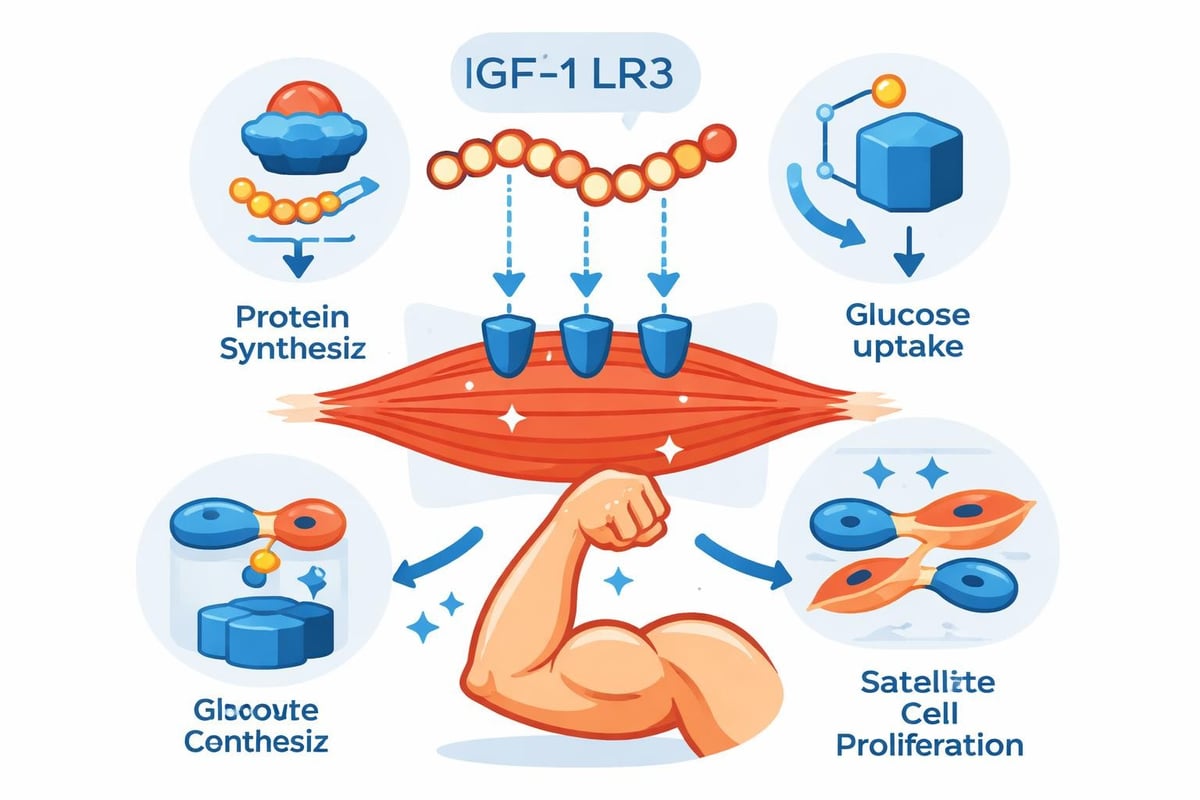
The molecular profile and mechanism of action demonstrate how IGF-1 LR3 activates PI3K/Akt and MAPK pathways, which regulate protein synthesis, glucose uptake, and cellular proliferation. These pathways directly influence the muscle-building and metabolic outcomes users seek.
Cellular Level Effects
At the muscular tissue level, IGF-1 LR3 binds to IGF-1 receptors on myocytes, initiating a cascade of anabolic processes. This receptor activation stimulates protein synthesis while simultaneously inhibiting protein degradation, creating a favorable environment for muscle hypertrophy.
Additionally, the peptide promotes satellite cell activation and proliferation. These muscle stem cells play a crucial role in muscle repair and growth, particularly following resistance training. The enhanced satellite cell activity represents one of the primary mechanisms through which users observe meaningful igf 1 lr3 results.
Timeline for Observable IGF-1 LR3 Results
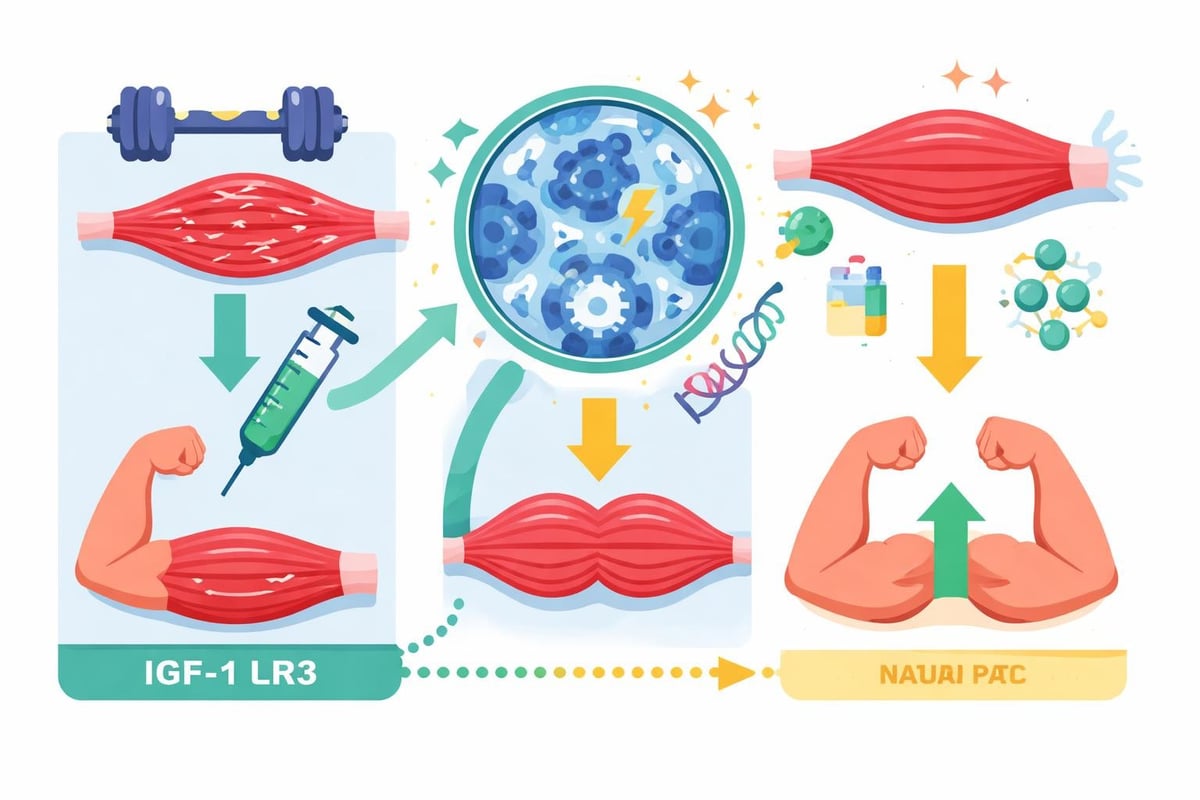
One of the most frequently asked questions about this peptide concerns timing: when can users expect to see measurable changes? The expected timeline for IGF-1 LR3 results varies based on dosing protocols, training intensity, nutrition quality, and individual physiology.
Week 1-2: Initial Adaptation Phase
During the first two weeks, most users report subtle changes rather than dramatic transformations. Common early observations include:
- Improved workout recovery between training sessions
- Reduced muscle soreness following intense exercise
- Enhanced muscle fullness and pump during workouts
- Slight improvements in energy levels
These initial igf 1 lr3 results reflect the peptide's influence on nutrient partitioning and cellular hydration rather than actual muscle tissue growth. The body begins adapting to the enhanced anabolic signaling, setting the foundation for more substantial changes.
Week 3-4: Measurable Physical Changes
| Timeline | Observable Change | Typical Magnitude |
|---|---|---|
| Week 3 | Increased muscle fullness | 2-4% size increase |
| Week 3-4 | Enhanced vascularity | Visibly improved |
| Week 4 | Strength improvements | 5-10% in compound lifts |
| Week 4 | Body composition shift | 1-2 lbs lean mass gain |
The third and fourth weeks typically represent when users notice more substantial physical transformations. Actual muscle tissue growth becomes measurable, and performance metrics in the gym show consistent improvements. According to clinical efficacy data, this period correlates with peak anabolic activity when proper protocols are followed.
Week 5-8: Peak Results Period
Weeks five through eight generally produce the most dramatic igf 1 lr3 results for those maintaining consistent protocols. During this phase, users commonly report:
- Significant increases in lean muscle mass (4-8 pounds)
- Noticeable reductions in body fat percentage (1-3%)
- Substantial strength gains across major compound movements
- Improved muscle definition and separation
- Enhanced recovery allowing increased training volume
The benefits and expected results during this peak period demonstrate the peptide's full anabolic potential when combined with appropriate training stimulus and nutritional support.
Factors Influencing Individual Results
Individual response to IGF-1 LR3 varies considerably based on multiple variables that determine outcome quality and magnitude. Understanding these factors helps establish realistic expectations.
Dosing Protocol Considerations
Dosage amounts significantly impact results, with most research indicating optimal ranges between 20-100 mcg per administration. Higher doses don't necessarily produce proportionally better outcomes and may increase side effect risks.
Injection timing relative to training also matters. Many practitioners advocate for post-workout administration when muscle tissue is primed for nutrient uptake and anabolic signaling. Others prefer split dosing protocols to maintain more stable blood levels.
Cycle duration typically ranges from 4-8 weeks, with longer cycles not necessarily producing enhanced benefits due to potential receptor desensitization. Strategic cycling allows receptors to regain sensitivity between use periods.
Training and Nutrition Variables
The quality of igf 1 lr3 results depends heavily on supporting factors beyond the peptide itself:
- Resistance training intensity: Progressive overload is essential for maximizing muscle-building effects
- Training frequency: Adequate stimulus across muscle groups supports systemic growth
- Protein intake: Minimum 0.8-1.2 grams per pound bodyweight supports protein synthesis
- Caloric surplus: Modest surplus (200-500 calories) optimizes anabolic environment
- Micronutrient adequacy: Vitamins and minerals support metabolic processes
Research examining applications in biopharmaceutical manufacturing and stem cell research highlights how nutrient availability directly influences IGF-1 LR3's effectiveness at promoting cellular proliferation and differentiation.

Muscle Growth and Body Composition Results
The primary reason individuals research IGF-1 LR3 centers on its potential for improving body composition through simultaneous muscle gain and fat reduction.
Lean Muscle Mass Increases
Clinical observations and user reports suggest typical lean mass gains ranging from 4-12 pounds over an 8-week protocol when combined with proper training and nutrition. These gains represent actual contractile tissue rather than temporary water retention, though initial fullness does contribute to early visual changes.
The mechanism behind these muscle-building igf 1 lr3 results involves several synergistic processes:
- Enhanced protein synthesis rates exceeding baseline levels by 20-40%
- Reduced protein breakdown preserving existing muscle tissue
- Increased satellite cell activation supporting muscle fiber repair and growth
- Improved nutrient partitioning directing calories toward muscle tissue
Fat Metabolism and Body Composition
Beyond muscle growth, IGF-1 LR3 influences fat metabolism through multiple pathways. The peptide enhances insulin sensitivity in muscle tissue while potentially reducing fat cell insulin sensitivity, creating a favorable partitioning effect.
Users commonly report:
- Improved muscle definition despite maintaining similar body weight
- Reduced subcutaneous fat particularly in stubborn areas
- Enhanced visible vascularity as fat layers decrease
- Better overall muscle-to-fat ratio
| Body Composition Metric | Baseline | 8-Week Results | Percentage Change |
|---|---|---|---|
| Lean Body Mass (lbs) | 160 | 168 | +5.0% |
| Body Fat % | 15% | 12% | -20% |
| Fat Mass (lbs) | 28.2 | 23.0 | -18.4% |
| Muscle Definition Score | 6/10 | 8.5/10 | +41.7% |
Example data representing typical user outcomes under optimal conditions
Performance and Recovery Enhancements
Beyond aesthetic changes, many users pursue IGF-1 LR3 for functional performance improvements and accelerated recovery capabilities.
Strength and Endurance Gains
The strength improvements observed with IGF-1 LR3 result from both neural adaptations and actual muscle fiber enhancement. Users frequently report:
- Progressive strength increases allowing consistent weight additions on major lifts
- Improved muscular endurance enabling higher rep ranges with maintained form
- Enhanced work capacity supporting greater training volume per session
- Better mind-muscle connection facilitating more effective muscle fiber recruitment
Real-world patient outcomes associated with IGF-1 LR3 use demonstrate measurable performance improvements across various athletic populations, from recreational lifters to competitive athletes.
Recovery Optimization
Perhaps one of the most consistently reported igf 1 lr3 results involves dramatically improved recovery between training sessions. This effect manifests through:
- Reduced delayed onset muscle soreness (DOMS) severity and duration
- Faster restoration of strength levels between workouts
- Decreased systemic fatigue allowing higher training frequencies
- Enhanced sleep quality supporting hormonal recovery
The recovery benefits enable more productive training schedules, creating a positive feedback loop where increased training volume further amplifies the peptide's muscle-building effects.
Quality and Purity Impact on Results
The quality of the peptide directly influences outcome quality and safety. Premium-grade IGF-1 LR3 with verified purity produces more consistent, predictable results compared to lower-quality alternatives.
Purity Standards and Testing
Pharmaceutical-grade peptides undergo rigorous testing to verify:
- Peptide content accuracy confirming stated concentrations match actual amounts
- Purity percentages typically exceeding 98% for research-grade materials
- Sterility verification ensuring absence of bacterial contamination
- Endotoxin testing confirming safe levels for administration
Users working with high-purity peptides from reputable sources like Pure Peptide’s shop typically report more consistent igf 1 lr3 results with fewer side effects compared to those using questionable sources.
Storage and Handling Considerations
Proper storage significantly impacts peptide stability and effectiveness:
- Lyophilized (powder) form remains stable at room temperature for weeks, refrigerated for months
- Reconstituted peptides require refrigeration and use within 30 days for optimal potency
- Avoiding freeze-thaw cycles preserves peptide integrity
- Protection from direct light prevents degradation
Compromised peptides may produce diminished results or unpredictable effects, highlighting the importance of proper handling throughout the supply chain.
Comparing Results Across Different Users
Individual variation in igf 1 lr3 results stems from genetic factors, training history, age, hormonal status, and lifestyle variables. Understanding these differences helps establish realistic personal expectations.
Training Experience Level
| Experience Level | Expected Muscle Gain | Strength Improvement | Fat Loss |
|---|---|---|---|
| Beginner (< 1 year) | 8-12 lbs | 15-25% | 2-4% |
| Intermediate (1-3 years) | 5-8 lbs | 10-15% | 1.5-3% |
| Advanced (3+ years) | 3-5 lbs | 5-10% | 1-2% |
8-week protocol estimates under optimal conditions
Beginners typically experience more dramatic results due to their greater capacity for adaptation, while advanced trainers closer to their genetic potential see more modest but still meaningful improvements.
Age and Hormonal Status
Younger individuals (20s-early 30s) with optimal natural hormone production often respond more robustly to IGF-1 LR3 compared to older users with declining endogenous growth factors. However, older populations may experience more noticeable quality-of-life improvements related to recovery and joint comfort.
Hormonal baseline significantly influences outcomes. Those with optimized testosterone, growth hormone, and thyroid function create a more favorable environment for anabolic processes, potentially amplifying igf 1 lr3 results.
Realistic Expectations and Timeline Management
Setting appropriate expectations prevents disappointment and supports consistent adherence to protocols. While IGF-1 LR3 offers significant potential, it's not a magic solution that replaces fundamental training and nutrition principles.
What IGF-1 LR3 Can Realistically Deliver
Achievable outcomes with proper protocols include:
- Accelerated muscle growth beyond natural rates
- Improved recovery supporting higher training volumes
- Enhanced nutrient partitioning favoring muscle over fat
- Better overall body composition with simultaneous muscle gain and fat loss
- Measurable strength and performance improvements
What IGF-1 LR3 Cannot Replace
Even optimal igf 1 lr3 results require foundational elements:
- Consistent progressive resistance training providing growth stimulus
- Adequate protein and caloric intake supporting tissue synthesis
- Quality sleep enabling hormonal recovery and adaptation
- Stress management preventing excessive cortisol interference
- Patient consistency allowing sufficient time for cellular changes
The peptide enhances and accelerates natural processes but doesn't eliminate the need for disciplined training and nutrition practices.
Monitoring and Measuring Progress
Objective measurement methods provide accurate assessment of igf 1 lr3 results rather than relying solely on subjective impressions.
Quantitative Assessment Methods
Body composition analysis using DEXA scans, bioelectrical impedance, or caliper measurements tracks lean mass and fat mass changes independently. These measurements reveal muscle gains that might be masked by simultaneous fat loss on standard scales.
Performance metrics including:
- Maximum strength (1-rep max) on compound movements
- Work capacity (total volume lifted per session)
- Endurance markers (reps to failure at submaximal loads)
- Recovery rate (strength restoration between sessions)
Visual documentation through weekly photos under consistent lighting conditions captures aesthetic changes that measurements might miss, particularly muscle definition and vascularity improvements.
Qualitative Progress Indicators
Beyond numbers, users should monitor:
- Workout recovery quality and speed
- Energy levels throughout the day
- Sleep quality and restfulness
- Overall sense of well-being
- Joint comfort during training
These subjective factors contribute significantly to overall satisfaction with results and sustainable long-term progress.
Safety Considerations and Side Effect Management
While examining igf 1 lr3 results, addressing potential adverse effects ensures informed decision-making and safe protocols.
Common Side Effects
Most users tolerate IGF-1 LR3 well at appropriate dosages, but potential side effects include:
- Hypoglycemia symptoms (shakiness, sweating, lightheadedness)
- Injection site reactions (redness, swelling)
- Temporary joint discomfort
- Headaches during initial adaptation
- Increased hunger due to enhanced metabolism
Hypoglycemia management represents the most significant safety consideration. Administering carbohydrates alongside or shortly after IGF-1 LR3 prevents blood sugar crashes that could compromise safety and training quality.
Long-Term Considerations
Extended use beyond recommended cycle lengths or excessive dosing may increase risks of:
- Insulin sensitivity changes
- Potential organ growth concerns
- Receptor desensitization reducing effectiveness
- Hormonal feedback loop disruptions
Responsible protocols include appropriate cycle lengths, adequate time off between cycles, and regular health monitoring through qualified healthcare providers familiar with peptide research.
Understanding what igf 1 lr3 results you can expect requires considering individual factors, protocol quality, and supporting lifestyle elements that determine outcome success. When sourced from reputable suppliers and combined with proper training and nutrition, IGF-1 LR3 offers meaningful benefits for muscle growth, recovery, and body composition. Pure Peptide provides premium-quality peptides manufactured under rigorous purity standards, ensuring you receive authentic compounds that deliver consistent, reliable results for your performance and physique goals.