

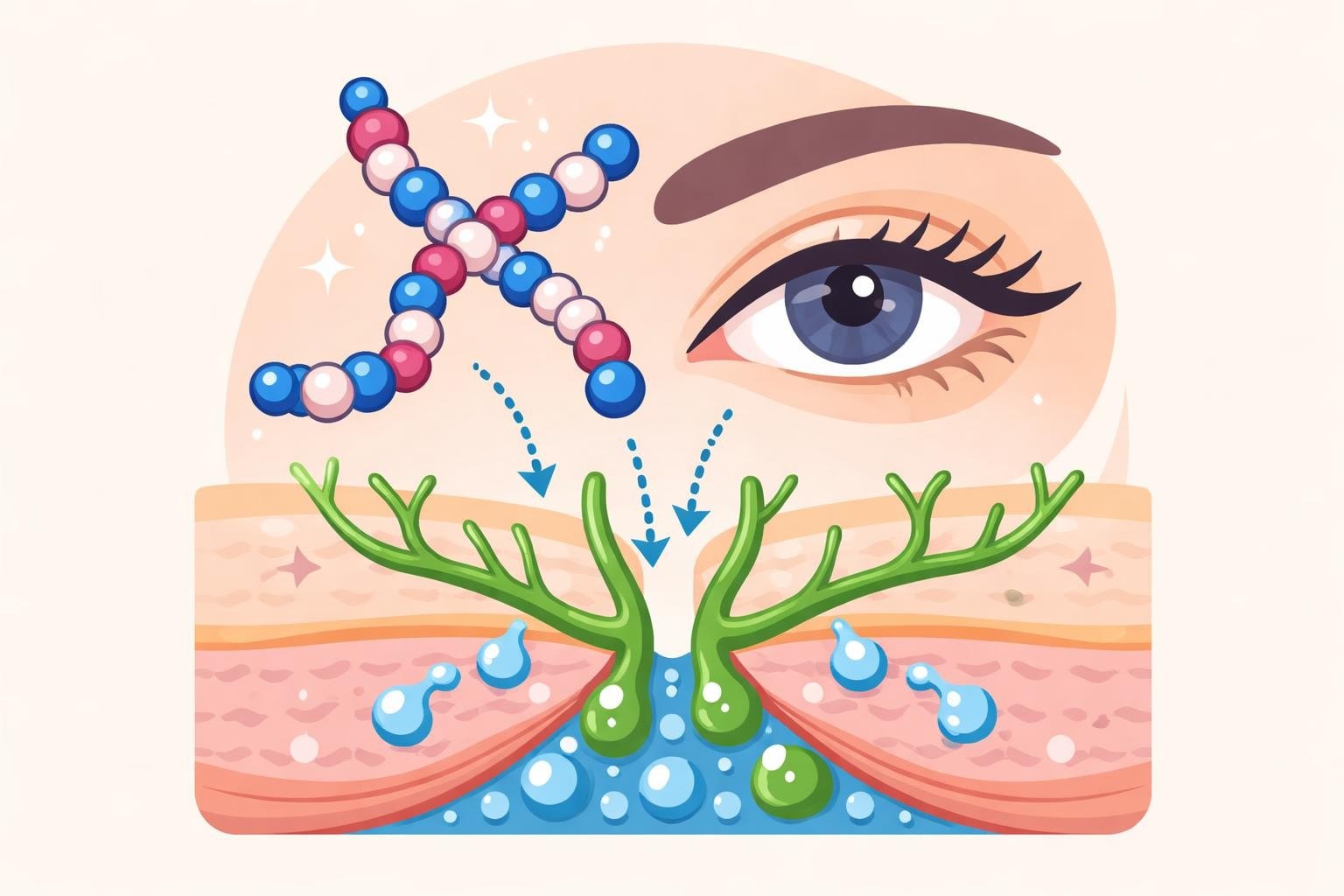
The world of peptide technology continues to expand with innovative compounds that address specific cosmetic and physiological concerns. Among these advances, dipeptide 2 has emerged as a specialized ingredient particularly valued for its role in managing under-eye concerns and supporting healthy microcirculation. This bioactive peptide consists of two amino acids bonded together, creating a molecule small enough to penetrate skin barriers while delivering targeted benefits. Understanding how this compound works and its practical applications can help both researchers and consumers make informed decisions about peptide-based solutions.
Understanding the Structure and Composition of Dipeptide 2
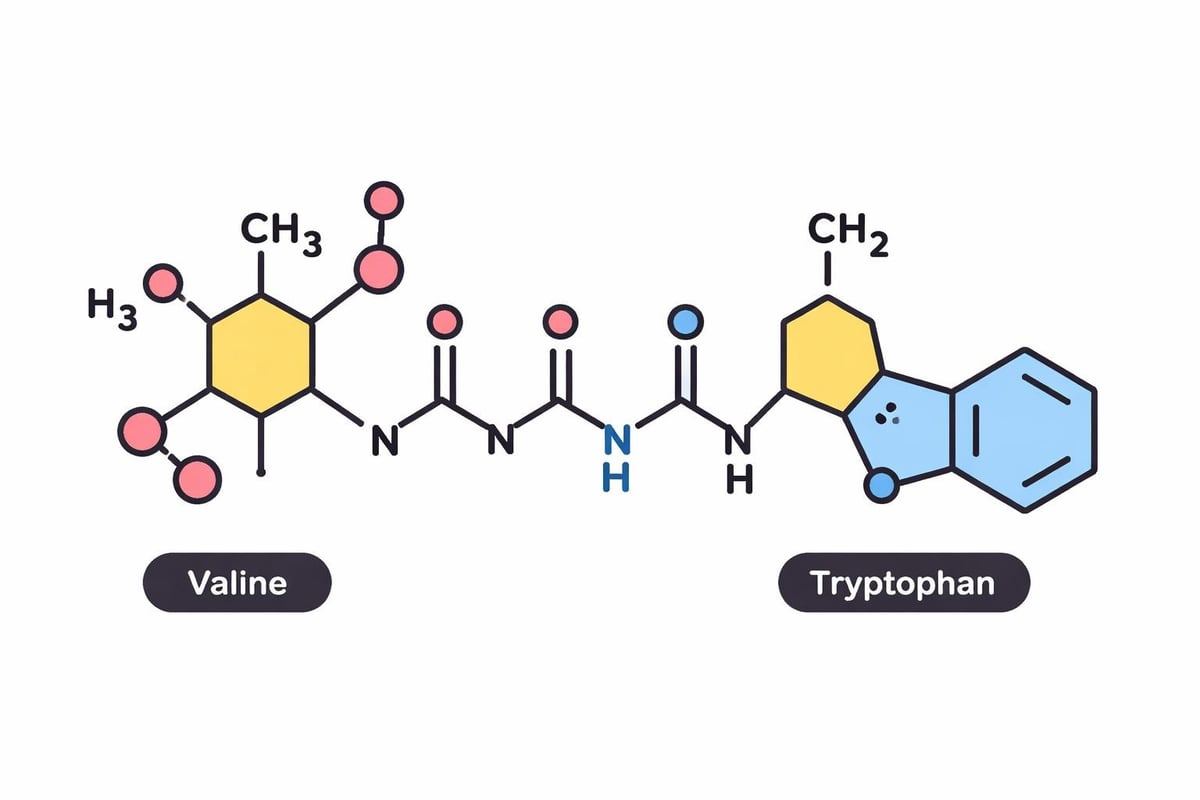
Dipeptide 2 represents a specific configuration of amino acids that forms a biologically active peptide chain. The molecular structure consists of valine and tryptophan amino acids linked through peptide bonds, creating a compound with unique biochemical properties.
Molecular Characteristics
The molecular weight and specific arrangement of amino acids in dipeptide 2 determine its ability to interact with cellular receptors and biological pathways. This particular configuration allows the peptide to:
- Maintain stability in formulation environments
- Penetrate the stratum corneum effectively
- Resist enzymatic degradation in topical applications
- Bind to specific receptor sites in target tissues
Key specifications include a molecular formula that supports both water and lipid solubility, making it versatile for various delivery systems. The peptide's small size relative to larger protein molecules enables efficient absorption through dermal layers.
Synthesis and Production Standards
Modern peptide synthesis techniques ensure consistent quality and purity levels. Manufacturers employ solid-phase peptide synthesis (SPPS) or recombinant DNA technology to produce dipeptide 2 with precise molecular structures. Quality control measures verify:
- Amino acid sequence accuracy
- Purity levels exceeding 95%
- Absence of contaminants or endotoxins
- Stability under storage conditions
- Batch-to-batch consistency
Primary Mechanisms of Action
Dipeptide 2 functions through several distinct biological pathways that contribute to its observed effects on tissue health and appearance. The compound's role in improving skin microcirculation represents one of its most significant mechanisms.
Lymphatic System Support
The lymphatic drainage system plays a crucial role in removing excess fluid and metabolic waste from tissues. Dipeptide 2 interacts with this system by:
- Enhancing lymphatic vessel function through receptor-mediated pathways
- Promoting fluid movement away from congested areas
- Supporting waste removal from interstitial spaces
- Reducing fluid accumulation in periorbital tissues
Research indicates that the peptide may influence the production or activity of proteins involved in lymphatic transport. This mechanism proves particularly relevant for addressing puffiness and swelling in delicate facial areas.
Vascular Permeability Modulation
Capillary walls that become overly permeable allow fluid to leak into surrounding tissues, contributing to edema and puffiness. Dipeptide 2 appears to help regulate this permeability by strengthening endothelial cell junctions and supporting normal vascular integrity.
| Mechanism | Primary Effect | Secondary Benefits |
|---|---|---|
| Lymphatic drainage | Fluid removal | Reduced puffiness |
| Vascular support | Capillary integrity | Improved circulation |
| Anti-inflammatory | Reduced swelling | Better skin appearance |
| Circulation enhancement | Oxygen delivery | Tissue health support |
The peptide's influence on microcirculation extends beyond simple fluid management. Improved blood flow delivers oxygen and nutrients more efficiently while removing metabolic byproducts that can contribute to skin discoloration.
Applications in Eye Care and Cosmetic Formulations
The under-eye area presents unique challenges due to its thin skin, high vascular density, and susceptibility to fluid retention. Dipeptide 2 has shown effectiveness in treating under-eye bags and related concerns through targeted action in this delicate region.
Addressing Periorbital Puffiness
Under-eye bags result from multiple factors including fluid accumulation, fat pad displacement, and weakened tissue structures. Dipeptide 2 specifically targets the fluid retention component through:
- Direct lymphatic stimulation that encourages drainage
- Reduction of capillary permeability to minimize leakage
- Support for connective tissue integrity around vessels
- Anti-inflammatory effects that reduce swelling
Clinical observations suggest that consistent application over several weeks produces visible improvements in puffiness reduction. The peptide works synergistically with other ingredients commonly found in eye care formulations.
Dark Circle Reduction Strategies
Dark circles under the eyes stem from various causes including vascular congestion, hyperpigmentation, and shadowing from structural changes. While dipeptide 2 primarily addresses vascular-related discoloration, its impact on circulation can contribute to overall improvement in under-eye appearance.
The skin-conditioning properties of dipeptide 2 support general skin health in the treated area, creating conditions for better light reflection and more even tone. Enhanced microcirculation helps remove hemoglobin breakdown products that contribute to bluish or purple discoloration.
Formulation Considerations
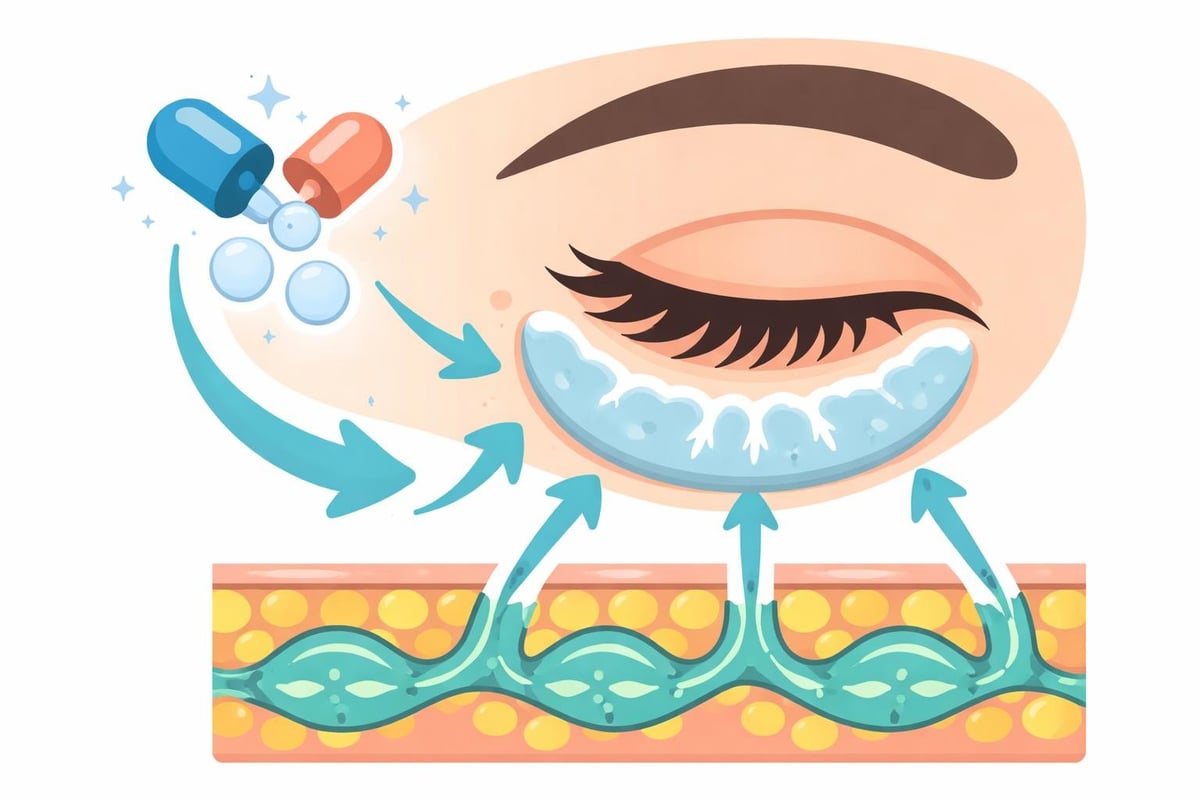
Cosmetic chemists incorporate dipeptide 2 into various product types designed for the delicate eye area:
- Lightweight gels that deliver the peptide without heaviness
- Serum formulations with complementary active ingredients
- Eye creams combining peptides with moisturizing agents
- Cooling applicators that enhance the decongestant effect
Concentration levels typically range from 0.5% to 3% depending on the product's overall formulation strategy. Stability testing ensures the peptide remains active throughout the product's shelf life.
Scientific Evidence and Research Findings
The efficacy of dipeptide 2 has been evaluated through various research methodologies including in vitro studies, ex vivo tissue models, and clinical trials with human volunteers. Understanding the evidence base helps contextualize claims and expectations.
Laboratory Studies
Controlled laboratory investigations have demonstrated dipeptide 2's ability to influence cellular behavior relevant to its proposed benefits. Studies examining lymphatic endothelial cells show enhanced expression of markers associated with improved lymphatic function.
Research highlights include:
- Increased production of proteins involved in fluid transport
- Reduced inflammatory markers in stressed cell cultures
- Protection of endothelial cells from oxidative damage
- Enhanced cellular communication in vascular tissues
These mechanistic studies provide the biological rationale for observed cosmetic effects and help researchers understand optimal application parameters.
Clinical Evaluation Methods
Human clinical trials assessing dipeptide 2 typically employ several measurement techniques to quantify improvements:
| Assessment Method | What It Measures | Typical Results |
|---|---|---|
| 3D imaging | Volume of under-eye bags | 10-25% reduction |
| Chromameter readings | Skin color uniformity | Improved evenness |
| Self-assessment | Perceived puffiness | Significant improvement |
| Expert grading | Overall appearance | Visible enhancement |
These multi-modal approaches provide comprehensive data about the peptide's real-world performance in cosmetic applications. Advanced testing protocols for skin rejuvenation continue to refine our understanding of optimal usage patterns.
Integration with Complementary Peptide Therapies
While dipeptide 2 offers specific benefits for under-eye concerns, the broader peptide landscape includes numerous compounds that support different aspects of health and appearance. Understanding how various peptides complement each other enables more comprehensive approaches to wellness goals.
Synergistic Peptide Combinations
Many formulations combine dipeptide 2 with other bioactive peptides to address multiple aging signs simultaneously. For example, pairing it with collagen-stimulating peptides creates products that both reduce puffiness and improve skin firmness.
The premium quality peptides available through specialized suppliers often include options for:
- Muscle recovery and growth support
- Anti-aging and skin health enhancement
- Metabolic function optimization
- Tissue repair and regeneration
These diverse peptide applications demonstrate the versatility of peptide technology across multiple health and wellness domains.
Systemic Peptide Applications
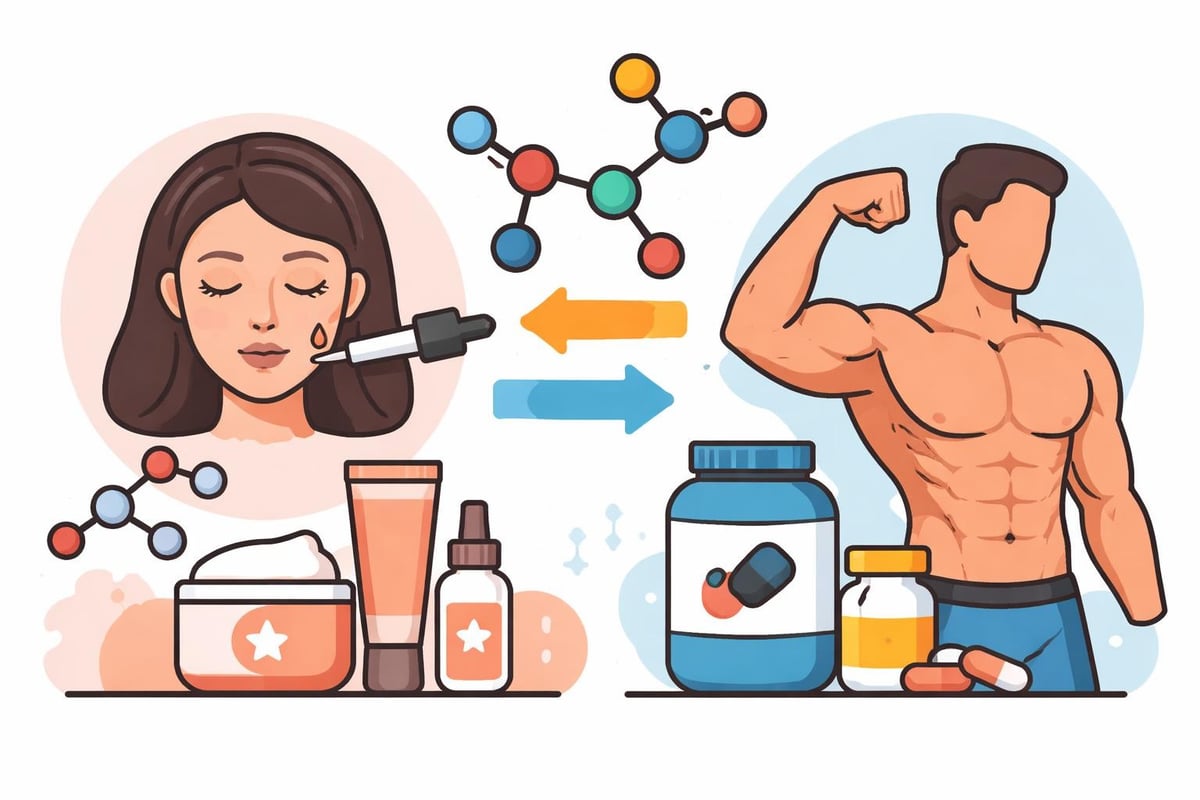
Beyond topical cosmetic use, peptide science encompasses systemic applications where compounds like BPC-157 and TB-500 support tissue healing and recovery throughout the body. While dipeptide 2 focuses on localized cosmetic benefits, the broader peptide category includes solutions for:
- Athletic recovery and performance
- Joint and connective tissue health
- Metabolic regulation and weight management
- Cellular regeneration and longevity support
This comprehensive approach to peptide utilization allows individuals to address multiple health objectives through scientifically validated compounds.
Practical Application Guidelines and Best Practices
Achieving optimal results with dipeptide 2 requires understanding proper application techniques, realistic timelines, and integration with comprehensive skincare routines. These practical considerations help users maximize the peptide's benefits.
Application Protocols
For topical dipeptide 2 formulations targeting under-eye concerns, consistent application following these guidelines produces the best outcomes:
- Apply twice daily (morning and evening) to clean, dry skin
- Use minimal product (a rice grain-sized amount per eye)
- Gently pat rather than rubbing to avoid tissue trauma
- Allow absorption before applying additional products
- Maintain consistency for at least 4-6 weeks
The delicate nature of periorbital skin demands gentle handling. Excessive pressure or aggressive application can counteract the peptide's decongestant benefits by causing irritation or additional fluid retention.
Timeline Expectations
Understanding realistic timelines helps set appropriate expectations and maintains compliance with application protocols:
Week 1-2: Initial hydration and subtle texture improvements
Week 3-4: Noticeable reduction in morning puffiness
Week 5-8: Visible improvement in bag appearance and skin tone
Week 9+: Continued refinement and maintenance of results
Individual responses vary based on factors including age, genetic predisposition to puffiness, lifestyle factors, and the severity of existing concerns. Skincare ingredients like dipeptide 2 work progressively, with cumulative benefits developing over time.
Complementary Lifestyle Factors
Maximizing dipeptide 2's effectiveness involves supporting its action through healthy lifestyle choices:
- Adequate hydration to support lymphatic function
- Sufficient sleep to reduce stress-related fluid retention
- Sodium intake moderation to minimize water retention
- Head elevation during sleep to reduce gravitational fluid pooling
- Regular physical activity to promote overall circulation
These synergistic factors create an environment where the peptide can work most effectively, producing more dramatic and sustainable results.
Quality Considerations and Sourcing Standards
The effectiveness of any peptide product depends critically on the quality of its active ingredients. Dipeptide 2 sourced from reputable manufacturers undergoes rigorous testing to ensure purity, potency, and safety.
Purity and Testing Requirements
High-quality dipeptide 2 meets stringent purity standards verified through analytical testing methods:
- High-performance liquid chromatography (HPLC) confirms identity and purity
- Mass spectrometry verifies molecular weight and structure
- Endotoxin testing ensures absence of bacterial contaminants
- Sterility testing confirms microbiological safety
- Stability studies document shelf-life under various conditions
These quality control measures distinguish pharmaceutical-grade peptides from lower-quality alternatives that may contain impurities or degraded material.
Manufacturing Standards
Reputable peptide suppliers follow Good Manufacturing Practices (GMP) that ensure consistent quality across production batches. Technical specifications for dipeptide 2 include documentation of synthesis methods, purification protocols, and quality verification.
Advanced purification methods remove synthesis byproducts and ensure the final peptide meets or exceeds stated purity levels. This attention to quality directly impacts the peptide's efficacy and safety profile.
Regulatory Status and Safety Profile
Dipeptide 2 has established a strong safety record in cosmetic applications, with regulatory acceptance in major markets worldwide. Understanding its regulatory classification and known safety parameters provides confidence in its use.
Cosmetic Ingredient Status
In cosmetic formulations, dipeptide 2 functions as a skin-conditioning agent with specific claims related to appearance improvement. Regulatory bodies evaluate safety data to ensure consumer protection:
- Generally recognized as safe for topical application
- No significant sensitization or irritation concerns in standard testing
- Compatible with typical cosmetic preservative systems
- Stable in properly formulated products
The peptide's small molecular size and specific amino acid composition contribute to its favorable safety profile when used as directed.
Contraindications and Precautions
While dipeptide 2 demonstrates excellent tolerability, certain precautions apply:
Patch testing recommended for individuals with sensitive skin or history of allergic reactions
Avoid contact with mucous membranes or inner eye area
Discontinue use if irritation or adverse reactions occur
Consult healthcare providers for individuals with specific medical conditions
These standard precautions apply to most cosmetic active ingredients and help ensure safe, effective use across diverse populations.
Future Directions in Peptide Research
The ongoing evolution of peptide science continues to reveal new applications and optimization strategies for compounds like dipeptide 2. Emerging research explores enhanced delivery systems, novel combinations, and expanded applications.
Advanced Delivery Technologies
Researchers investigate improved methods for delivering dipeptide 2 to target tissues:
- Liposomal encapsulation for enhanced penetration
- Nanotechnology-based delivery vehicles
- Time-release formulations for sustained activity
- Transdermal systems for improved bioavailability
These innovations may increase the peptide's effectiveness while reducing the required concentration or application frequency.
Expanded Application Research
While current use focuses primarily on periorbital concerns, investigators explore whether dipeptide 2 might benefit other areas prone to fluid retention or circulation challenges. Preliminary research examines applications in:
- General facial puffiness reduction
- Post-procedure swelling management
- Lower extremity fluid retention
- Vascular health support
As research into peptides for various applications continues, the understanding of optimal use cases and protocols will expand.
Product Selection and Quality Verification
Consumers seeking dipeptide 2 products face numerous options with varying formulations, concentrations, and quality levels. Making informed selections requires understanding key evaluation criteria.
Evaluating Product Claims
When assessing dipeptide 2 containing products, consider:
- Concentration transparency: Reputable brands disclose peptide percentages
- Supporting ingredients: Complementary actives that enhance benefits
- Clinical evidence: References to studies or trials
- Manufacturing standards: Information about quality control processes
- Realistic claims: Promises aligned with scientific evidence
Products making excessive claims or lacking transparency about formulation details warrant additional scrutiny before purchase.
Professional Recommendations
Dermatologists and skincare professionals can provide personalized guidance about incorporating dipeptide 2 into existing routines. Professional assessment considers individual skin types, specific concerns, and potential interactions with other treatments.
For those interested in the broader applications of peptide technology beyond cosmetic uses, exploring options from specialized suppliers who maintain strict quality standards ensures access to premium peptide products for various wellness goals.
Dipeptide 2 represents a scientifically validated approach to managing under-eye puffiness and supporting healthy microcirculation through targeted peptide action. Its specific mechanisms, well-documented safety profile, and proven effectiveness make it a valuable tool for addressing common cosmetic concerns. Whether seeking topical solutions for appearance enhancement or exploring the broader potential of peptide science for health optimization, quality and purity remain paramount. Pure Peptide provides access to rigorously tested, pharmaceutical-grade peptides manufactured under strict quality control standards, ensuring you receive compounds that deliver the results you expect with the safety you deserve.