

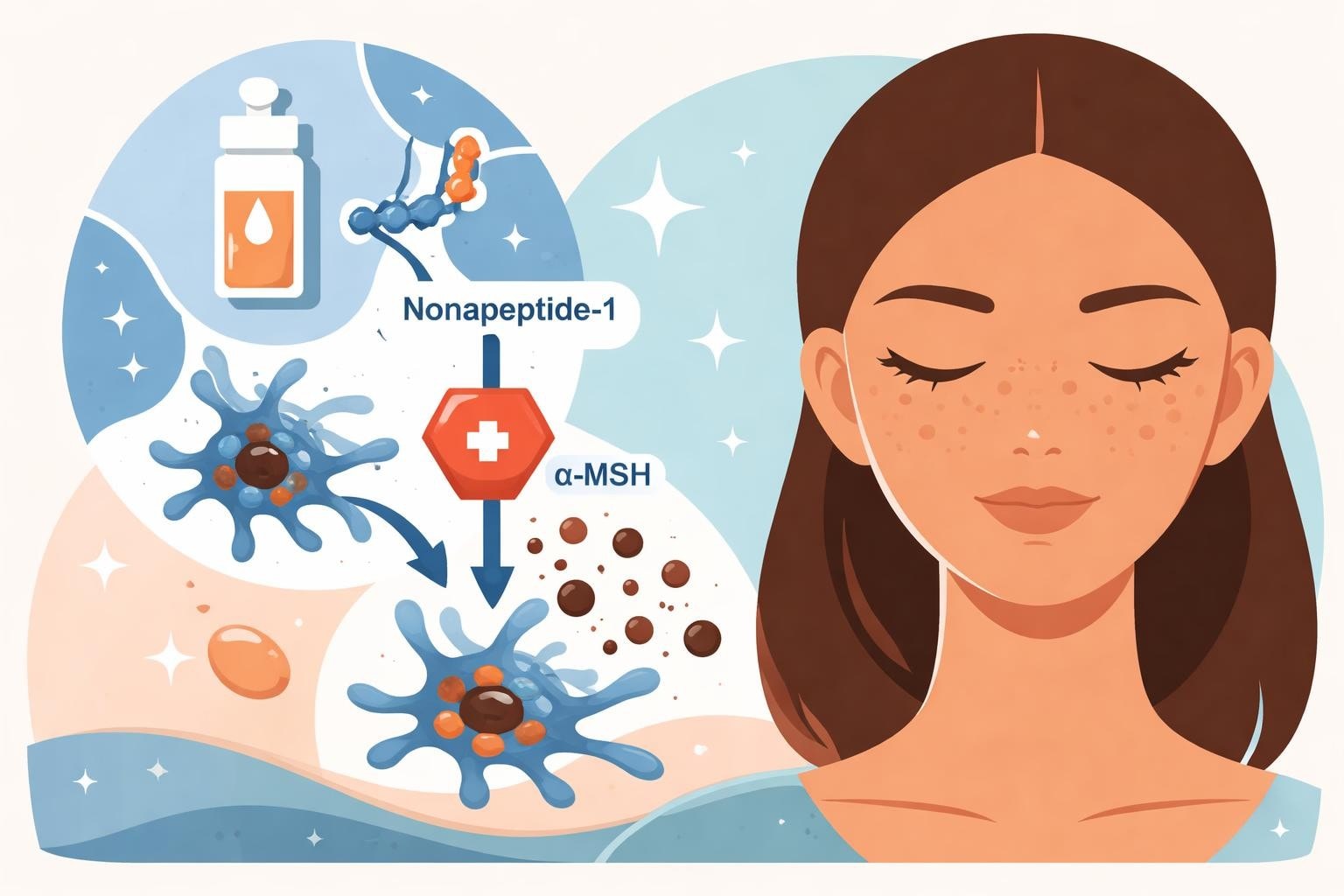
The skincare and peptide industries continue to evolve with groundbreaking discoveries that address common concerns like hyperpigmentation, age spots, and uneven skin tone. Among the most promising developments in recent years is nonapeptide 1, a synthetic peptide that has garnered significant attention for its ability to regulate melanin production without causing cytotoxic effects. This biomimetic peptide represents a sophisticated approach to skin brightening, offering a mechanism-based solution that works at the cellular level to prevent unwanted pigmentation while maintaining skin health and integrity.
Understanding the Science Behind Nonapeptide 1
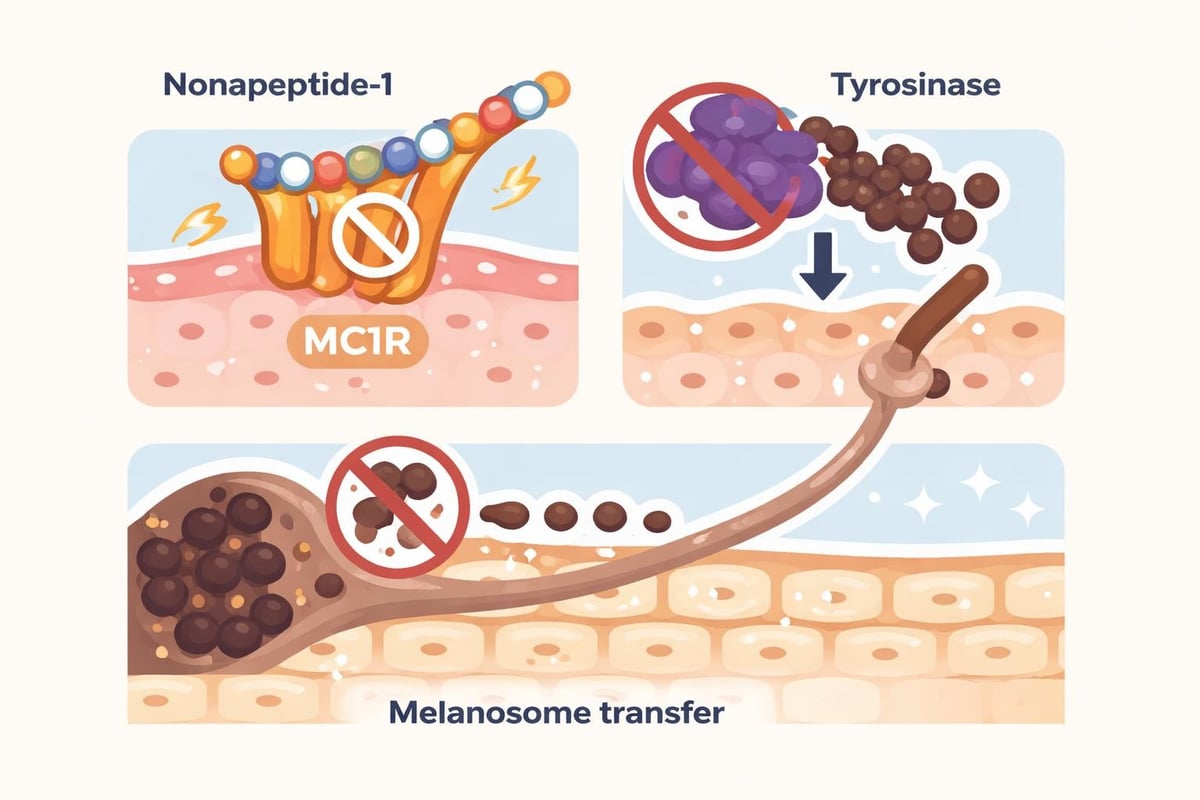
Nonapeptide 1 functions as a competitive antagonist to alpha-melanocyte-stimulating hormone (α-MSH), which plays a central role in triggering melanin synthesis within skin cells. By binding to melanocortin-1 receptors (MC1R) on melanocytes, this peptide effectively blocks the natural signaling pathway that would otherwise stimulate pigment production.
The molecular structure consists of nine amino acids arranged in a specific sequence that mimics certain portions of natural hormones while providing antagonistic properties. This precise configuration allows the peptide to dock onto MC1R receptors without activating them, essentially occupying the receptor sites and preventing α-MSH from initiating the melanogenesis cascade.
Melanin Production Inhibition Mechanisms
Research has demonstrated that nonapeptide 1 reduces melanin synthesis through multiple pathways:
- Receptor blocking: Direct competitive inhibition at MC1R prevents α-MSH binding
- Tyrosinase downregulation: Decreased expression and activity of the key enzyme responsible for melanin synthesis
- Melanosome transfer reduction: Slowed movement of melanin-containing organelles from melanocytes to keratinocytes
- Gene expression modulation: Altered transcription of melanogenesis-related genes
Studies indicate that this peptide can reduce melanin production by approximately 33%, making it a potent agent for addressing various forms of hyperpigmentation. The multi-faceted approach ensures comprehensive control over the pigmentation process from initiation through final melanin deposition.
Clinical Applications and Dermatological Benefits
The therapeutic potential of nonapeptide 1 extends across multiple dermatological concerns, positioning it as a versatile ingredient for addressing pigmentation disorders and cosmetic imperfections. Dermatologists and skincare formulators have incorporated this peptide into various treatment protocols for its reliable efficacy and favorable safety profile.
Targeted Hyperpigmentation Treatment
Nonapeptide 1 demonstrates particular effectiveness in managing several types of hyperpigmentation:
- Melasma management: Addresses hormonally-induced dark patches commonly appearing on facial skin
- Post-inflammatory hyperpigmentation: Reduces darkened areas following acne, injuries, or inflammatory conditions
- Age spot reduction: Lightens solar lentigines and other age-related pigmentation
- General skin brightening: Promotes more uniform complexion across treated areas
The α-MSH antagonist properties of nonapeptide 1 make it particularly valuable for individuals seeking alternatives to traditional skin-lightening agents that may carry higher risk profiles or regulatory concerns.
Comparative Advantages Over Traditional Approaches
| Feature | Nonapeptide 1 | Traditional Lightening Agents |
|---|---|---|
| Mechanism | Receptor antagonism | Varied (enzyme inhibition, cell toxicity) |
| Cytotoxicity | None observed | Potential concerns with some agents |
| Targeted Action | Specific MC1R binding | Often broader cellular effects |
| Safety Profile | Well-tolerated | Variable depending on agent |
| Regulatory Status | Generally favorable | Some restrictions on certain compounds |
This comparison highlights why peptide-based approaches like nonapeptide 1 have gained traction among both professionals and consumers seeking effective yet gentle solutions for pigmentation management.
Formulation Strategies and Application Methods
Successfully incorporating nonapeptide 1 into skincare formulations requires understanding its stability characteristics, optimal concentration ranges, and synergistic combinations with other active ingredients. Formulators must balance efficacy with product stability to ensure consistent results throughout the product's shelf life.
Optimal Concentration Guidelines
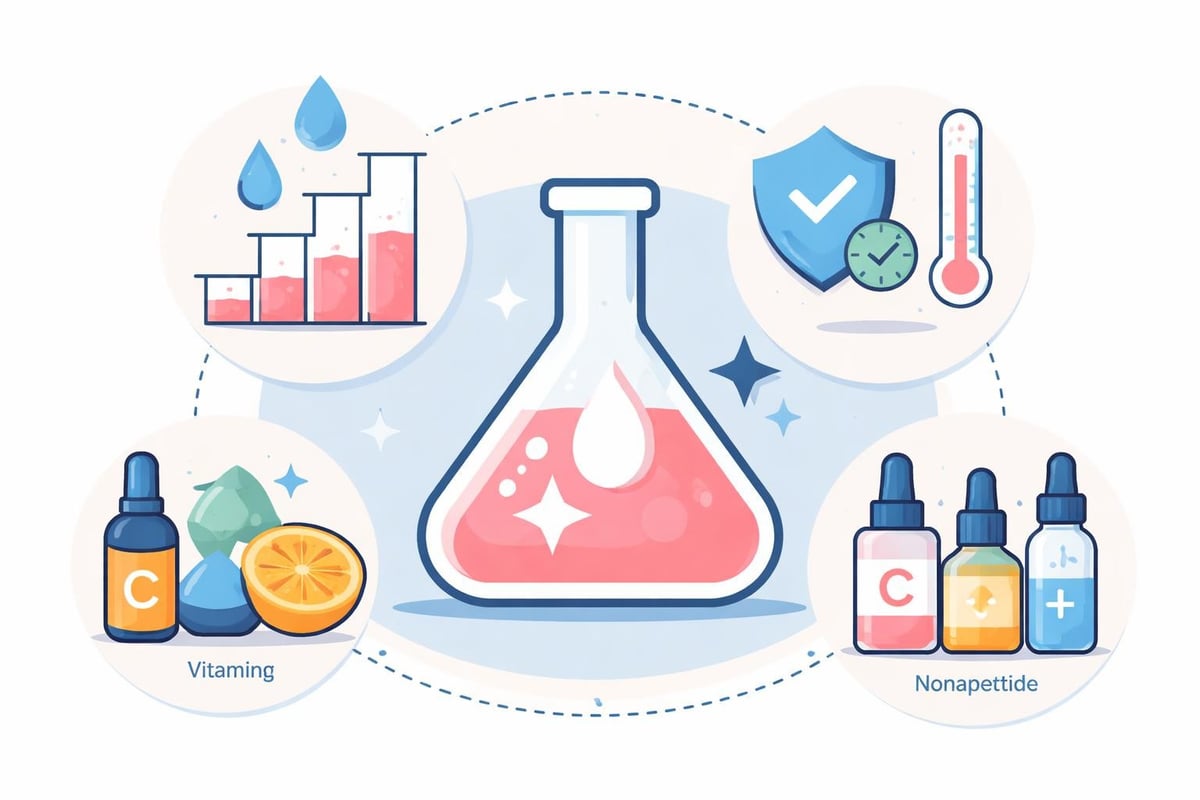
Research suggests effective concentration ranges typically fall between 0.05% and 2% in topical formulations. Lower concentrations may suffice for maintenance protocols or sensitive skin applications, while higher percentages are reserved for intensive treatment regimens addressing significant pigmentation concerns.
The peptide demonstrates good stability in aqueous solutions when properly preserved and stored away from extreme temperatures and light exposure. pH considerations also influence stability, with neutral to slightly acidic formulations generally providing optimal conditions for maintaining peptide integrity.
Synergistic Ingredient Combinations
Strategic pairing with complementary actives enhances overall formulation performance:
- Niacinamide: Provides additional melanin transfer inhibition and barrier support
- Vitamin C derivatives: Offers antioxidant protection and complementary brightening effects
- Alpha arbutin: Works through different melanogenesis pathways for additive benefits
- Licorice extract: Contributes anti-inflammatory properties alongside pigmentation control
These combinations create multi-pathway approaches to pigmentation management, potentially delivering superior results compared to single-ingredient formulations. The peptide-based nature of nonapeptide 1 makes it compatible with various delivery systems, from traditional creams and serums to advanced encapsulation technologies.
Mechanistic Research and Scientific Validation
The efficacy of nonapeptide 1 rests on substantial scientific investigation examining its effects at molecular, cellular, and clinical levels. Research on skin pigmentation has elucidated the precise mechanisms through which this peptide exerts its depigmenting effects, providing evidence-based support for its inclusion in skincare protocols.
Cellular-Level Effects
At the cellular level, nonapeptide 1 demonstrates remarkable specificity in its interactions with melanocytes. The peptide binds to MC1R with sufficient affinity to effectively compete with endogenous α-MSH, yet without triggering the downstream signaling cascade that leads to melanin production.
Gene expression studies reveal that treatment with this peptide results in downregulation of key melanogenesis markers, including tyrosinase, TRP-1 (tyrosinase-related protein 1), and TRP-2. This transcriptional suppression translates to reduced enzymatic activity within melanosomes, the specialized organelles where melanin synthesis occurs.
Clinical Efficacy Data
Human clinical trials have validated the skin-lightening effects observed in laboratory settings:
| Study Parameter | Results | Duration |
|---|---|---|
| Melanin reduction | 27-35% decrease | 8-12 weeks |
| Skin tone evenness | Significant improvement | 6-10 weeks |
| Hyperpigmentation spots | Visible lightening | 4-8 weeks |
| Safety profile | No adverse reactions | Throughout study |
| User satisfaction | 78-85% positive ratings | Post-treatment surveys |
These findings demonstrate consistent efficacy across diverse subject populations, establishing nonapeptide 1 as a reliable option for individuals seeking evidence-based pigmentation management solutions. The data also supports long-term safety, an essential consideration for ingredients intended for extended use.
Safety Considerations and Quality Standards
The safety profile of nonapeptide 1 represents one of its most compelling attributes, particularly when compared to certain traditional skin-lightening agents that have raised toxicity concerns. Understanding proper usage parameters and quality specifications ensures both effectiveness and safety in peptide applications.
Toxicity and Irritation Profiles
Extensive safety testing has demonstrated that nonapeptide 1 does not exhibit cytotoxic effects at cosmetically relevant concentrations. Unlike some historical skin-lightening compounds that work by damaging melanocytes or interfering with general cellular processes, this peptide operates through specific receptor antagonism without harming cell viability.
Dermatological irritation studies consistently show excellent tolerability, even among individuals with sensitive skin. The peptide's mechanism of action-blocking a specific receptor rather than disrupting broader cellular functions-contributes to this favorable safety profile.
Purity and Manufacturing Standards
Quality peptide products require rigorous manufacturing controls and analytical verification. Key quality parameters include:
- Peptide purity: Minimum 95% purity levels ensure consistent efficacy
- Sequence accuracy: Correct amino acid arrangement verified through analytical methods
- Sterility testing: Essential for products intended for any invasive or semi-invasive application
- Stability validation: Shelf-life testing under various storage conditions
- Batch-to-batch consistency: Reproducible manufacturing processes
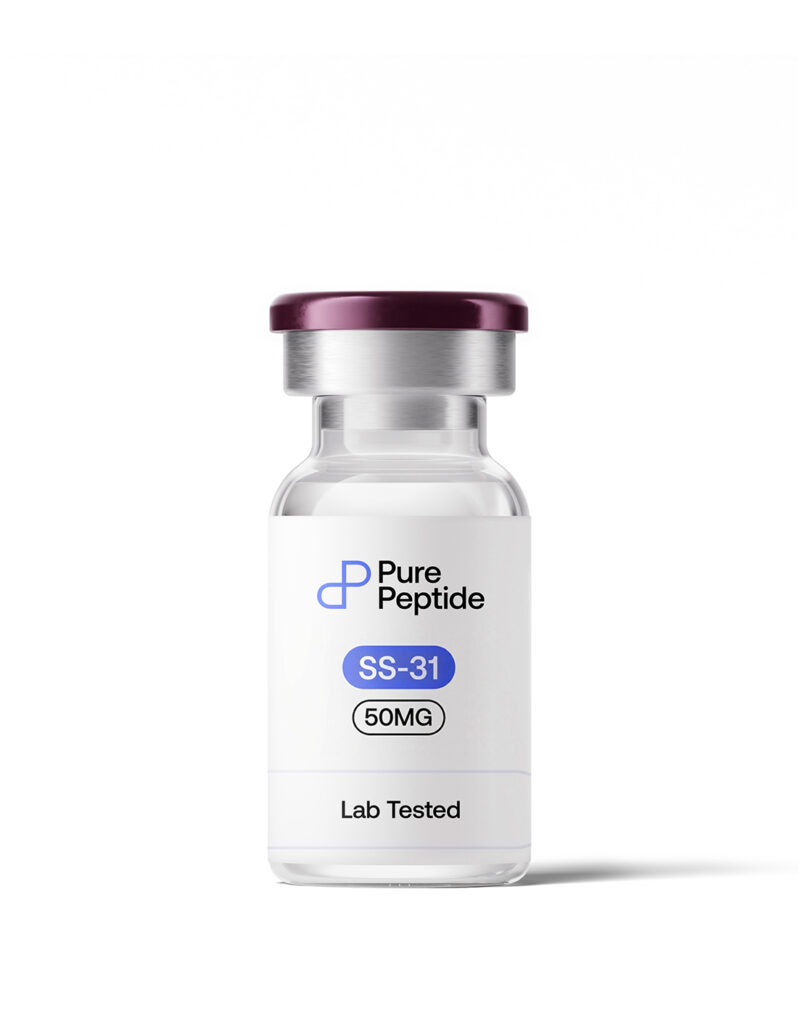
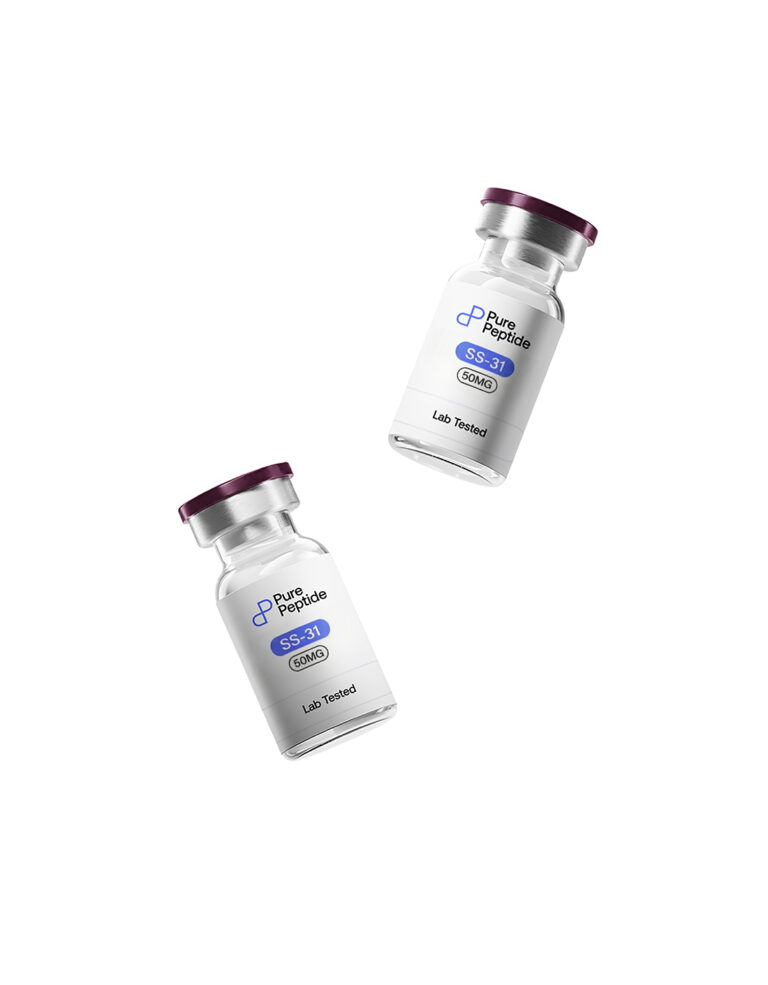
Companies like Pure Peptide implement stringent quality control measures and advanced purification methods to ensure their peptide products meet the highest standards for purity and efficacy. These manufacturing practices directly impact the reliability and safety of peptide-based treatments.
Integration into Comprehensive Skincare Protocols
Maximizing the benefits of nonapeptide 1 requires thoughtful integration into broader skincare regimens that address multiple aspects of skin health. Strategic layering, timing, and combination with supportive treatments create optimal conditions for achieving desired outcomes.
Daily Application Protocols
Proper application technique influences peptide penetration and efficacy:
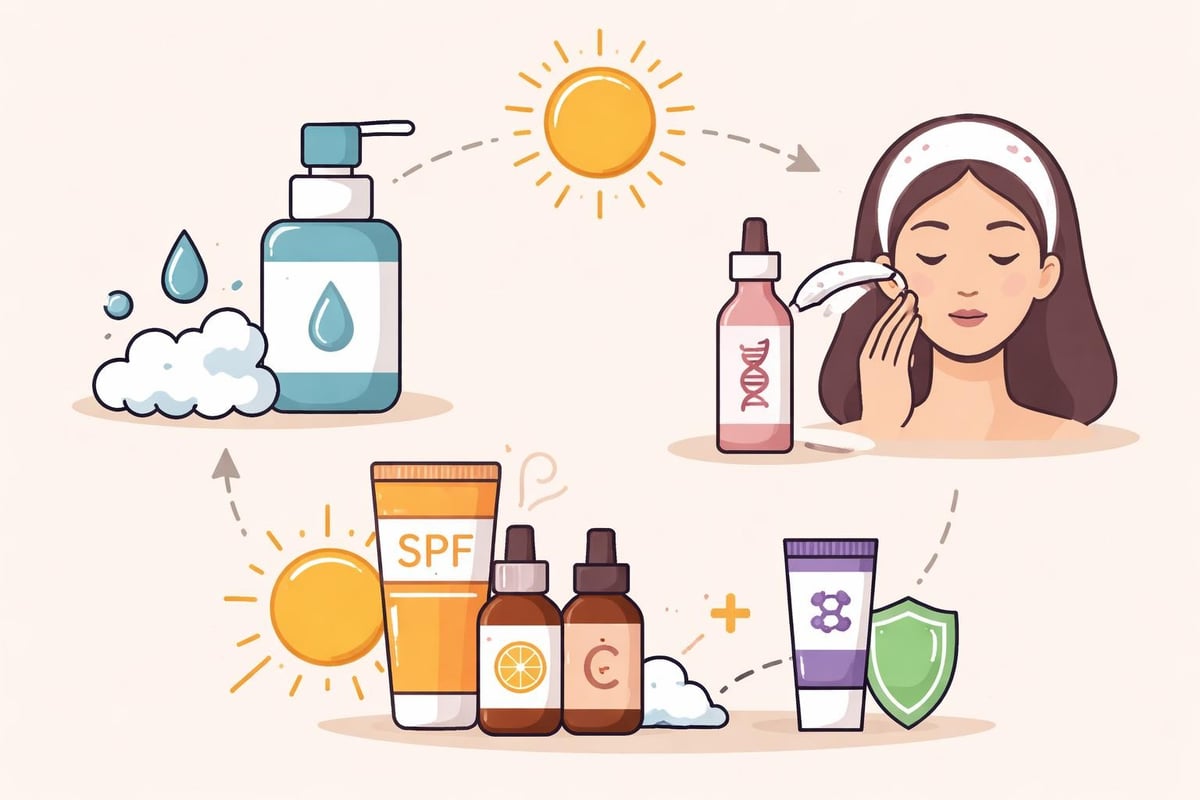
- Cleanse thoroughly: Remove impurities that might interfere with peptide absorption
- Apply to damp skin: Light moisture can enhance peptide penetration
- Use appropriate amount: Generally 2-3 drops for facial application
- Allow absorption time: Wait 3-5 minutes before applying additional products
- Follow with moisturizer: Seal in peptide and support barrier function
- Apply sun protection: Essential during daytime to prevent new pigmentation
Consistency proves critical for achieving optimal results, with most protocols recommending twice-daily application for intensive treatment phases, potentially reducing to once-daily maintenance after achieving desired improvements.
Complementary Treatments
Nonapeptide 1 works synergistically with various skincare approaches:
Chemical exfoliation: Gentle acids like lactic acid or mandelic acid improve peptide penetration by removing dead surface cells while providing their own brightening benefits. This combination accelerates visible improvements in skin tone uniformity.
Antioxidant support: Products containing NAD+ or other antioxidant peptides protect against oxidative stress that can trigger melanin production, creating a protective environment that supports the brightening effects of nonapeptide 1.
Barrier optimization: Maintaining healthy skin barrier function ensures optimal peptide delivery while preventing inflammation that might counteract pigmentation-control efforts. Ceramides, fatty acids, and cholesterol support this essential protective layer.
Future Directions and Emerging Applications
The versatility of peptide technology continues to expand, with ongoing research exploring novel applications for nonapeptide 1 beyond its established role in pigmentation management. These investigations promise to unlock additional therapeutic potential and broaden the peptide's utility across dermatological and aesthetic medicine.
Advanced Delivery Systems
Emerging encapsulation technologies aim to enhance nonapeptide 1 stability and penetration. Liposomal delivery, nano-emulsions, and polymer-based carriers protect the peptide from degradation while facilitating deeper dermal penetration. These sophisticated delivery platforms may enable lower concentrations to achieve equivalent or superior results compared to conventional formulations.
Microneedle patches represent another innovative approach, creating temporary microchannels that allow direct peptide delivery to deeper skin layers where melanocytes reside. This targeted delivery method could significantly enhance efficacy while maintaining the peptide's excellent safety profile.
Combination Peptide Formulations
The future of peptide skincare likely involves sophisticated multi-peptide formulations addressing multiple skin concerns simultaneously. Combining nonapeptide 1 with other specialized peptides creates comprehensive solutions:
- BPC-157: Supports skin healing and regeneration
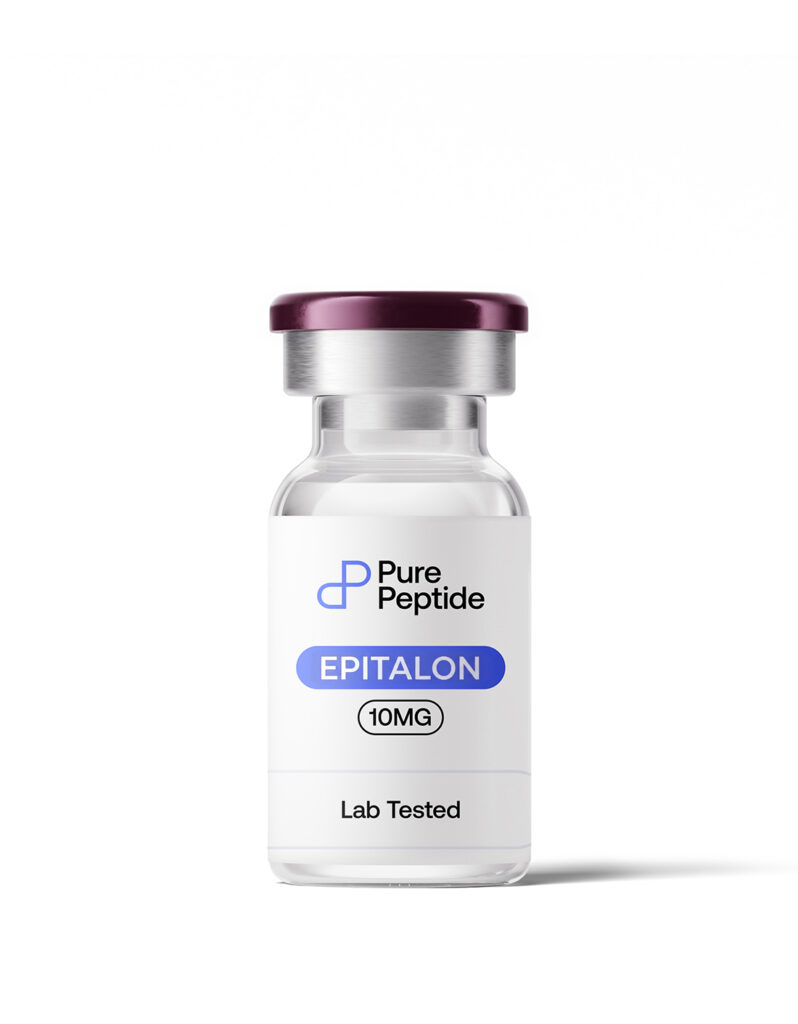
- Epitalon: Contributes anti-aging benefits through cellular rejuvenation
- Copper peptides: Enhance collagen synthesis while supporting skin repair
These combinations leverage the complementary mechanisms of different peptides, potentially delivering results superior to single-peptide approaches. The specificity of each peptide allows formulators to create targeted solutions without increasing irritation risk.
Personalized Pigmentation Protocols
Advances in genetic testing and skin analysis technology enable increasingly personalized approaches to pigmentation management. Understanding individual variations in MC1R expression, tyrosinase activity, and melanin transfer patterns allows practitioners to optimize nonapeptide 1 concentrations and application protocols for each patient's unique biology.
This precision approach maximizes efficacy while minimizing unnecessary exposure, representing the evolution toward truly individualized skincare that addresses specific genetic and environmental factors influencing pigmentation.
Regulatory Landscape and Market Positioning
The regulatory status of nonapeptide 1 varies across international markets, influencing its availability and approved applications. Understanding these regulatory frameworks helps both formulators and consumers navigate the complex landscape of peptide-based skincare products.
Global Regulatory Classifications
In most jurisdictions, nonapeptide 1 falls under cosmetic ingredient regulations rather than pharmaceutical classifications, provided it's marketed for cosmetic rather than therapeutic claims. This distinction affects labeling requirements, clinical testing obligations, and marketing communications.
The peptide appears on various international cosmetic ingredient databases with favorable safety assessments, facilitating its incorporation into commercial products. However, specific concentration limits and usage restrictions may apply in certain regions, requiring manufacturers to adjust formulations for different markets.
Quality Verification and Transparency
Consumer demand for transparency has prompted leading peptide suppliers to provide comprehensive documentation supporting product quality and authenticity. Essential verification elements include:
- Certificates of Analysis (COA): Independent laboratory testing confirming peptide identity and purity
- Amino acid sequencing data: Verification of correct peptide structure
- Stability testing results: Documentation of product shelf-life under specified conditions
- Manufacturing certifications: Evidence of GMP (Good Manufacturing Practice) compliance
Companies prioritizing these quality measures, such as those offering certificate of analysis documentation, demonstrate commitment to product integrity and consumer safety. This transparency builds trust and helps distinguish premium products from inferior alternatives.
Practical Considerations for Optimal Results
Achieving desired outcomes with nonapeptide 1 requires understanding both the biological mechanisms and practical application factors that influence efficacy. Real-world success depends on proper product selection, consistent usage, and realistic expectations regarding timelines and results.
Timeline Expectations
Understanding typical response patterns helps set appropriate expectations:
Weeks 1-2: Initial cellular changes occur, though visible improvements may not yet be apparent. The peptide begins binding to MC1R receptors and downregulating melanogenesis pathways.
Weeks 3-6: Early visible lightening of pigmented areas becomes noticeable. Existing melanin gradually fades as melanocyte activity decreases and normal skin turnover removes pigmented cells.
Weeks 7-12: Continued improvement in skin tone uniformity and reduction of hyperpigmented spots. Maximum benefits typically manifest within this timeframe for most individuals.
Maintenance phase: Ongoing application prevents pigmentation relapse by continuously blocking α-MSH signaling and maintaining reduced melanocyte activity.
Factors Influencing Individual Response
Several variables affect how quickly and dramatically individuals respond to nonapeptide 1 treatment:
| Factor | Impact on Results |
|---|---|
| Baseline pigmentation severity | More intense pigmentation may require longer treatment |
| Sun exposure habits | UV exposure counteracts benefits; protection essential |
| Skin type | Different Fitzpatrick types show varied response rates |
| Application consistency | Regular use critical for maintaining benefits |
| Product concentration | Higher percentages generally deliver faster results |
| Complementary skincare | Synergistic ingredients enhance overall efficacy |
Recognizing these variables helps individuals optimize their protocols and understand why results may differ from published study averages or other users' experiences.
Preventing Pigmentation Relapse
Maintaining results requires ongoing attention to factors that trigger melanin production. Controlling melanin production and preventing pigmentation relapse involves comprehensive strategies beyond peptide application alone.
Sun protection remains paramount, as UV exposure stimulates melanocyte activity through pathways independent of nonapeptide 1's mechanism of action. Broad-spectrum SPF 30+ application throughout daylight hours prevents new pigmentation while allowing the peptide to address existing concerns.
Hormonal fluctuations can trigger melasma and other pigmentation patterns in susceptible individuals. While nonapeptide 1 helps manage the visible manifestations, addressing underlying hormonal imbalances when possible provides more comprehensive control.
Nonapeptide 1 represents a scientifically validated approach to managing hyperpigmentation through specific receptor antagonism, offering effective results without the safety concerns associated with some traditional lightening agents. The peptide's multi-pathway effects on melanogenesis, combined with its excellent tolerability profile, position it as a valuable tool for addressing various pigmentation concerns. Whether you're seeking solutions for age spots, melasma, or general skin brightening, incorporating high-quality peptides into your regimen can deliver meaningful improvements. Pure Peptide provides premium quality peptides with rigorous purity standards and advanced purification methods, ensuring you receive products that meet the highest efficacy and safety benchmarks for your skincare and wellness goals.