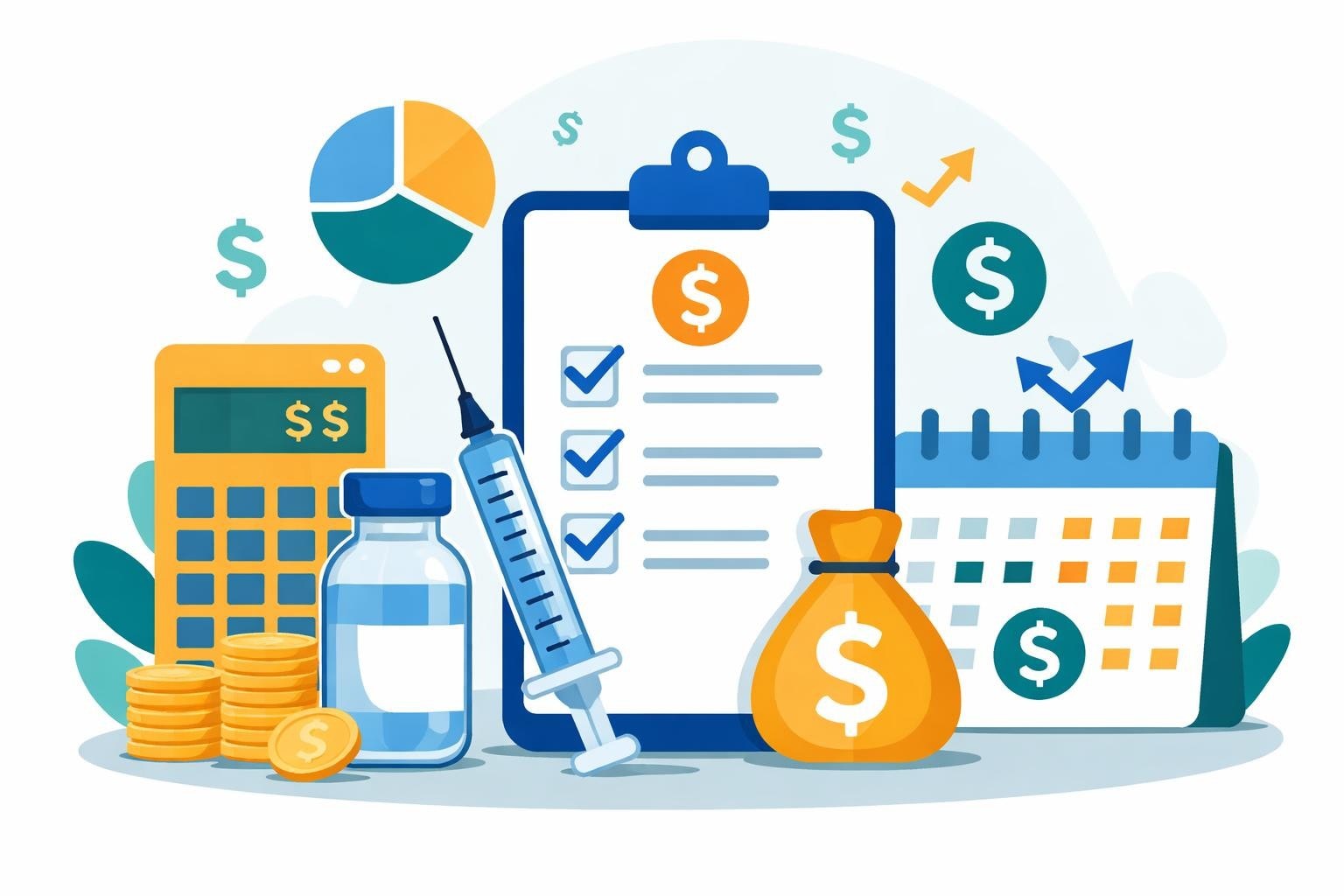
Understanding the financial commitment required for sermorelin therapy remains a critical consideration for anyone exploring growth hormone optimization. Sermorelin cost varies significantly based on multiple factors including dosage requirements, treatment duration, supplier quality standards, and whether you're purchasing through a clinic or directly from a peptide supplier. This comprehensive guide breaks down all the pricing elements you need to know before starting sermorelin therapy in 2026, helping you make informed decisions about this powerful anti-aging and performance enhancement peptide.
Understanding Sermorelin Therapy Investment
The financial landscape of sermorelin therapy has evolved considerably over recent years. Unlike traditional human growth hormone (HGH) treatments that can run thousands of dollars monthly, sermorelin offers a more cost-effective alternative while delivering comparable benefits for growth hormone optimization.
Monthly expenses for sermorelin therapy typically range from $200 to $800, depending on your dosage protocol and sourcing strategy. Clinic-based programs often charge premium rates that include medical consultations, monitoring, and compounded medications, while direct peptide purchases from quality suppliers like Pure Peptide offer more economical options without sacrificing purity standards.
Factors Influencing Treatment Expenses
Several key variables determine your total sermorelin cost throughout a treatment cycle:
- Dosage requirements based on your age, weight, and therapeutic goals
- Treatment duration ranging from 3-6 month minimum protocols to ongoing maintenance
- Supplier quality standards and purity testing protocols
- Administration frequency whether daily or multiple times per week
- Additional supplies including syringes, alcohol pads, and bacteriostatic water
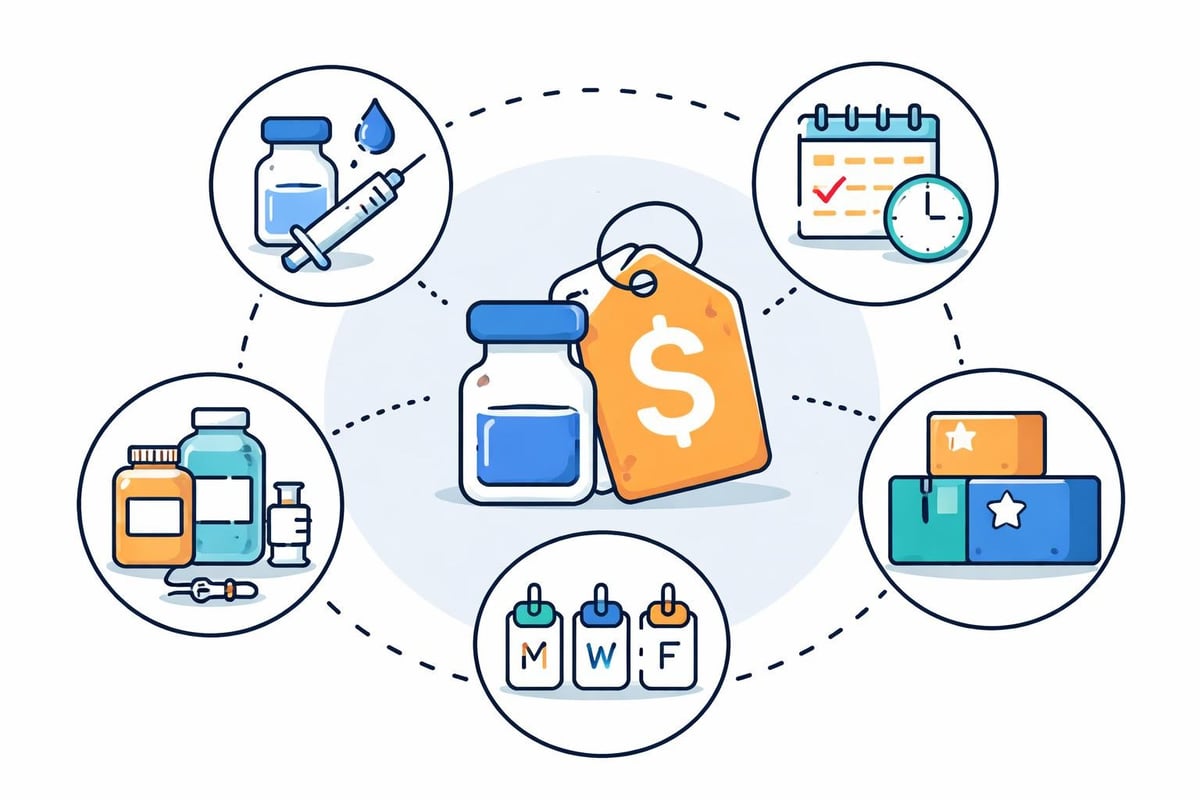
The concentration of your sermorelin solution significantly impacts per-dose pricing. Standard concentrations range from 3mg to 15mg per vial, with higher concentrations generally offering better value per microgram of active peptide. Most protocols call for doses between 200-500 mcg administered subcutaneously before bedtime, meaning a single 6mg vial could provide 12-30 doses depending on your specific regimen.
Pricing Breakdown by Source
| Source Type | Monthly Cost Range | Typical Inclusions | Quality Assurance |
|---|---|---|---|
| Medical Clinics | $500-$800 | Consultations, monitoring, compounding | Pharmacy-grade |
| Telehealth Programs | $300-$600 | Virtual consultations, prescriptions | Variable standards |
| Direct Peptide Suppliers | $200-$400 | Pure peptide product only | COA testing |
| Research Chemical Sites | $100-$250 | Product only, no support | Often unverified |
Direct purchases from established peptide suppliers represent the most economical approach for experienced users who understand proper reconstitution and dosing protocols. Pure Peptide maintains rigorous quality standards with certificate of analysis documentation for every batch, ensuring you receive pharmaceutical-grade sermorelin at competitive pricing.
Medical clinics charge premium rates but include comprehensive support services. These programs typically require initial consultations ranging from $150-$300, followed by monthly prescription fees. While this full-service approach suits beginners seeking medical guidance, experienced peptide users often find better value through direct sourcing combined with independent bloodwork monitoring.
Insurance Coverage Realities
Most insurance providers classify sermorelin therapy as an elective treatment rather than medically necessary care. Insurance rarely covers sermorelin because it's primarily prescribed for quality of life improvements and performance enhancement rather than treating specific disease states.
Even when growth hormone deficiency is documented through laboratory testing, insurance companies typically approve HGH injections for children with growth disorders but deny coverage for adult hormone optimization. This policy stance means patients should budget for sermorelin cost as an entirely out-of-pocket expense.
Some health savings accounts (HSAs) and flexible spending accounts (FSAs) may reimburse sermorelin expenses when prescribed by a licensed physician for documented hormone deficiency. However, you'll need proper medical documentation and itemized receipts to pursue reimbursement through these channels.
Calculating Your Total Treatment Investment
Beyond the peptide itself, several ancillary expenses contribute to your overall sermorelin cost structure. Proper planning requires accounting for these additional items from the outset.
Essential Supplies and Equipment
Every sermorelin protocol requires specific supplies for safe, effective administration:
- Bacteriostatic water for reconstitution, typically $15-25 per 30mL vial
- Insulin syringes with appropriate gauge needles, approximately $10-20 per 100-count box
- Alcohol prep pads for injection site sterilization, roughly $5-10 per box
- Sharps container for safe needle disposal, around $5-15 for home use
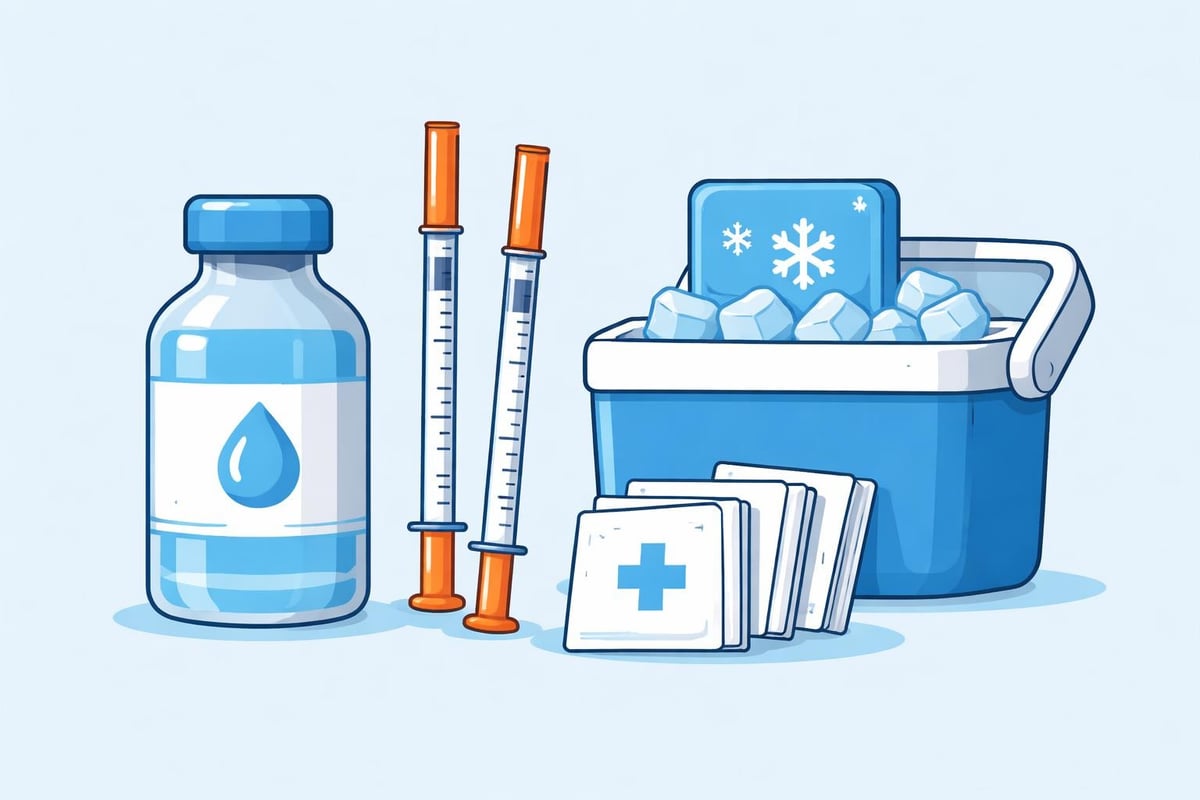
Quality ancillary supplies ensure proper peptide reconstitution and sterile administration technique. Cutting corners on these essential items risks contamination and reduces the effectiveness of your therapy investment.
Storage requirements add minimal cost but deserve consideration. Reconstituted sermorelin requires refrigeration at 36-46°F, while lyophilized powder remains stable at room temperature. Most users find their existing refrigerator adequate, though some invest in small dedicated medication fridges ($50-100) for temperature stability.
Laboratory Testing Expenses
Responsible sermorelin use includes baseline and follow-up laboratory testing to monitor progress and optimize dosing. Standard testing panels evaluate:
- IGF-1 levels (primary marker for growth hormone activity)
- Complete hormone panel including testosterone, thyroid, cortisol
- Metabolic markers like glucose, lipids, and liver enzymes
- Body composition analysis through DEXA scan or bioimpedance
Baseline testing typically costs $200-400 through commercial laboratories, with follow-up panels every 3-6 months running $150-300 depending on marker selection. Some clinics bundle testing into their program fees, while independent users can order discounted panels through direct-to-consumer laboratory services.
Comparing Value Across Peptide Options
Detailed sermorelin pricing analysis reveals that this peptide offers exceptional value compared to alternative growth hormone optimization strategies. When evaluated on a cost-per-benefit basis, sermorelin frequently outperforms both synthetic HGH and other growth hormone releasing peptides.
The table below illustrates comparative monthly costs for various hormone optimization approaches:
| Therapy Option | Average Monthly Cost | Administration | Prescription Required |
|---|---|---|---|
| Sermorelin | $250-$500 | Daily injection | Varies by jurisdiction |
| HGH (Somatropin) | $800-$3,000 | Daily injection | Yes (controlled) |
| CJC-1295/Ipamorelin | $200-$400 | 2-3x weekly | Varies by jurisdiction |
| MK-677 (Oral) | $60-$150 | Daily oral dose | No |
Sermorelin occupies a sweet spot offering pharmaceutical-grade efficacy at reasonable pricing. While oral alternatives like MK-677 cost less, they lack the precision and safety profile of peptide injections. Conversely, HGH delivers powerful results but carries significantly higher financial burden and regulatory restrictions.
Many experienced users find that combining sermorelin with complementary peptides provides synergistic benefits without dramatically increasing monthly expenses. Popular combinations include sermorelin with CJC-1295 for extended growth hormone release or with GHRP-6 for enhanced appetite and recovery support.
Optimizing Your Peptide Budget
Strategic planning substantially reduces your overall sermorelin cost without compromising treatment quality or results. Several proven approaches help maximize value throughout your therapy journey.
Bulk Purchasing Strategies
Volume purchases generate significant savings on peptide costs. Buying a 3-6 month supply upfront typically yields 15-25% discounts compared to monthly ordering. This approach requires proper storage planning and confidence in your selected supplier's quality standards.
Calculate your total dosage needs before committing to bulk orders. A standard 200 mcg daily protocol requires approximately 6mg monthly, meaning an 18mg supply covers three months. Always account for potential dose adjustments during initial protocol optimization when estimating total requirements.
Premium peptide suppliers like Pure Peptide offer competitive pricing on larger orders while maintaining strict purity standards verified through independent third-party testing. This combination of affordability and quality assurance delivers optimal value for budget-conscious users.
Supplier Selection Criteria
Not all peptide sources provide equivalent value despite similar pricing. Discriminating buyers evaluate several critical factors beyond simple cost comparison:
- Purity verification through certificates of analysis from independent laboratories
- Customer service quality including responsive communication and product knowledge
- Shipping reliability with appropriate cold chain management for peptide stability
- Return and replacement policies protecting against product defects or shipping issues
- Educational resources helping users optimize protocols and troubleshoot challenges
Affordable peptide therapy options increasingly emphasize transparency in testing and sourcing. Reputable suppliers readily provide batch-specific purity documentation and maintain consistent product quality across orders.

Price shopping without quality verification often results in substandard products that deliver disappointing results. Spending slightly more for verified pharmaceutical-grade peptides typically proves more economical than repeatedly purchasing questionable products that fail to deliver expected benefits.
Dosage Considerations and Cost Efficiency
Your prescribed dosage directly impacts monthly sermorelin cost, making protocol optimization both a therapeutic and financial consideration. Most users begin with conservative doses to assess tolerance before titrating to optimal levels based on subjective feedback and objective biomarkers.
Standard starting protocols range from 200-300 mcg administered subcutaneously before bedtime. This dosage provides growth hormone stimulation for most users while minimizing potential side effects like injection site reactions or temporary water retention. Conservative dosing also extends vial longevity, reducing monthly peptide expenses during the initial assessment phase.
Dose Titration and Timing
Experienced users frequently increase doses to 300-500 mcg after establishing baseline tolerance. Higher doses amplify growth hormone release but also accelerate product consumption and increase monthly costs proportionally. The key involves finding your minimum effective dose that delivers desired benefits without unnecessary expense.
Administration timing affects both results and cost efficiency. Sermorelin demonstrates greatest efficacy when administered 30 minutes before bedtime on an empty stomach, aligning with natural nocturnal growth hormone release patterns. This single daily injection protocol maximizes peptide utilization while keeping supply consumption predictable.
Some advanced protocols incorporate twice-daily administration or pre-workout dosing for enhanced recovery support. While these approaches may amplify certain benefits, they double your sermorelin cost and require careful evaluation of incremental value received.
Long-Term Treatment Planning
Sermorelin therapy typically requires sustained use for optimal results, making long-term financial planning essential. Unlike acute medical treatments with defined endpoints, growth hormone optimization represents an ongoing commitment for users seeking sustained benefits.
Most practitioners recommend minimum 3-6 month initial cycles to achieve meaningful improvements in body composition, recovery, sleep quality, and metabolic function. Comprehensive cost guides suggest budgeting for at least six months when evaluating total financial commitment.
Progressive benefits often emerge gradually rather than immediately:
- Weeks 1-4: Improved sleep quality and recovery
- Weeks 4-8: Enhanced energy levels and mental clarity
- Weeks 8-16: Visible body composition changes including fat loss and muscle development
- Weeks 16-24: Continued optimization of metabolic function and physical performance
Understanding this timeline prevents premature discontinuation due to perceived lack of immediate results. Budget planning should accommodate full protocol duration to maximize return on investment.
Maintenance Versus Intensive Protocols
After completing an initial intensive cycle, many users transition to maintenance protocols involving reduced dosing frequency or lower doses. This strategy preserves achieved benefits while significantly decreasing monthly sermorelin cost.
Typical maintenance approaches include:
- Reducing dose frequency to 3-4 times weekly instead of daily
- Lowering dose to minimum effective level (often 150-250 mcg)
- Implementing cycling patterns with periodic breaks to maintain sensitivity
- Combining with complementary lifestyle factors like strength training and quality sleep
Various peptide categories offer different maintenance characteristics. Sermorelin's relatively short half-life makes it well-suited for flexible dosing schedules compared to longer-acting alternatives like CJC-1295 DAC.
Alternative Sourcing Strategies
Beyond traditional retail channels, several alternative approaches exist for accessing sermorelin at competitive prices. Each strategy involves distinct tradeoffs between cost, convenience, and regulatory considerations.
Telehealth peptide programs have expanded significantly, offering prescription sermorelin through virtual consultations and mail-order fulfillment. These services typically charge $300-600 monthly including medical oversight and compounded medications. While more expensive than direct peptide purchases, telehealth programs provide legal prescription coverage and professional medical guidance.
Research peptide suppliers market sermorelin "for research purposes only" at substantially lower prices than clinic-based programs. Current pricing comparisons show significant variation across suppliers, with monthly costs potentially below $200 for research-grade products. However, these sources don't provide prescription coverage or guarantee pharmaceutical-grade purity.
International sourcing represents another option explored by cost-conscious users. Various overseas suppliers offer sermorelin at competitive prices, though this approach introduces concerns regarding customs regulations, product authenticity, and quality control standards. Domestic suppliers subject to regulatory oversight generally provide more reliable quality assurance.
Making Informed Investment Decisions
Evaluating sermorelin cost requires looking beyond simple price-per-vial calculations to assess total value delivered. The most economical option on paper frequently proves expensive when accounting for poor purity, inadequate customer support, or suboptimal results requiring protocol adjustments.
Quality peptide therapy delivers measurable improvements in body composition, recovery capacity, metabolic health, and overall vitality. When these benefits materialize as intended, monthly expenses represent reasonable investment in health optimization and longevity support. Conversely, cheap peptides that fail to deliver expected results waste money regardless of low sticker prices.
Pure Peptide’s quality standards exemplify the commitment to purity and efficacy that distinguishes premium suppliers from bargain alternatives. Independent laboratory verification, consistent product quality, and responsive customer support create value that transcends simple cost comparison.
Smart peptide users approach sermorelin cost as a health investment rather than a commodity expense. This mindset shift encourages focusing on results per dollar spent rather than simply minimizing upfront costs. When a $300 monthly investment delivers significant improvements in recovery, body composition, and quality of life, it represents excellent value compared to ineffective alternatives at half the price.
Building Your Peptide Protocol
Creating a comprehensive sermorelin protocol involves balancing therapeutic goals with budget constraints. Most users optimize this equation through iterative refinement based on subjective feedback and objective measurements.
Start with quality baseline testing to establish hormonal status and identify specific deficiencies or imbalances. This initial investment guides protocol design and provides benchmarks for measuring progress throughout treatment. Attempting to save money by skipping baseline labs often results in suboptimal dosing and missed opportunities for complementary interventions.
Source peptides from suppliers emphasizing purity verification and quality assurance. The modest premium for pharmaceutical-grade products delivers peace of mind and reliable results that justify slightly higher monthly expenses. Brands like Pure Peptide that prioritize transparency and testing create foundations for successful long-term protocols.
Invest in proper ancillary supplies including pharmaceutical-grade bacteriostatic water, sterile syringes, and appropriate storage solutions. These relatively inexpensive items ensure safe administration and maintain peptide stability throughout reconstitution and use.
Monitor progress through strategic follow-up testing at 3-month intervals initially, extending to 6-month intervals once protocols are optimized. This data-driven approach identifies necessary adjustments while documenting the value delivered by your peptide investment.
Strategic planning substantially reduces sermorelin cost while maintaining the quality standards necessary for optimal results. By understanding pricing factors, sourcing options, and protocol optimization strategies, you can design an effective treatment approach that fits your budget and delivers meaningful improvements in health and performance. Pure Peptide supports your optimization journey with pharmaceutical-grade peptides, rigorous purity testing, and comprehensive quality documentation, ensuring you receive maximum value from your peptide therapy investment.