



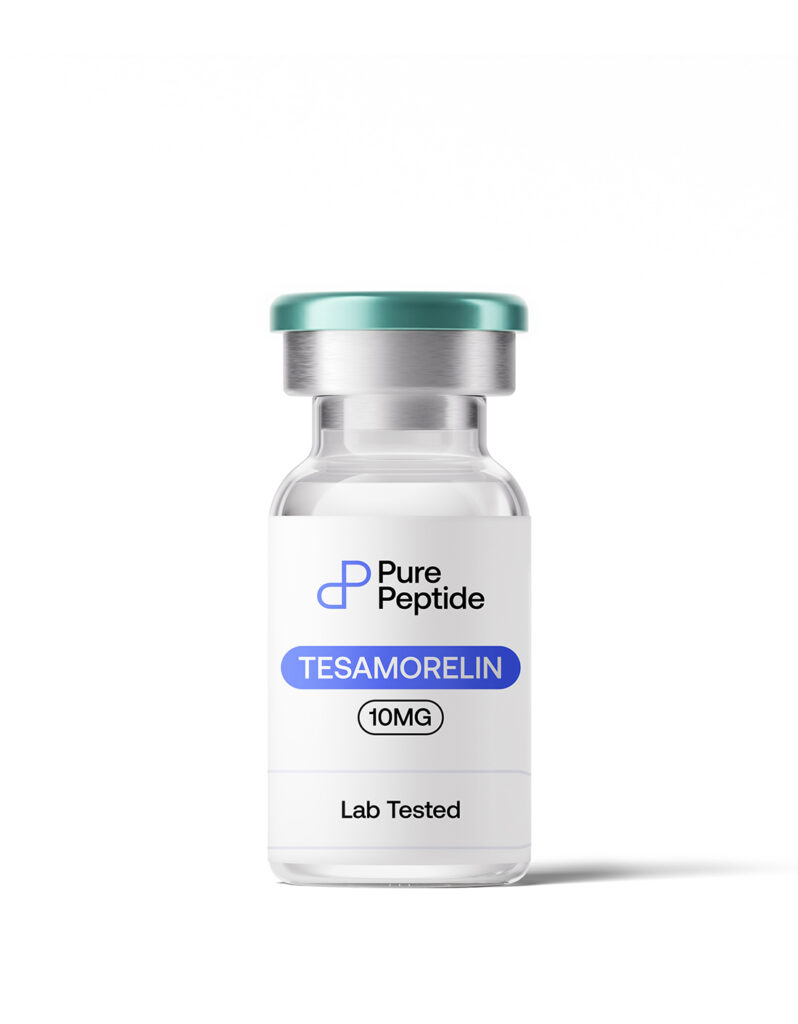


“Research grade peptides” sold to fitness consumers means high‑purity peptides marketed for weight loss, muscle growth, recovery, anti‑aging, or libido, not laboratory reagents sold to scientists. Health Canada has already seized unauthorized injectable peptide drugs sold under this label, and a “for research use only” sticker does not make an injectable legal or safe. Before buying anything, demand a lot‑specific certificate of analysis and talk to a healthcare professional.
TL;DR:
- Buying research grade peptides for human use in Canada is illegal without proper drug approval, regardless of labeling as “research use only.”
- Authenticating COAs involves verifying lot-specific testing methods, lab accreditation, and matching lot numbers, not generic purity claims.
- Injectables in lyophilized form require specific ancillaries like bacteriostatic water, syringes, and proper storage to ensure safety and effectiveness.
- Vendors should provide detailed, lot-specific documentation, including third-party testing results, before purchase to avoid regulatory and safety risks.
- Most marketed peptides are designed for physical or cosmetic results and are not laboratory reagents; their legal and safety status depends solely on their intended use and approval.
Table of Contents
- What research grade peptides cover for consumer buying
- Is buying research grade peptides in Canada legal?
- How do you read a peptide COA and spot red flags?
- What ancillaries do you need for reconstitution and storage?
- What should you ask a vendor before buying?
- Pure Peptide’s approach to quality and transparency
- Where documented purity actually gets you
- Sources
- FAQ
What research grade peptides cover for consumer buying
When fitness buyers search “research grade peptides,” they usually mean a specific shortlist of compounds marketed for physical results: semaglutide and tirzepatide analogues for weight management, BPC‑157 and TB‑500 for tissue recovery, CJC‑1295 and ipamorelin for growth hormone support, GHK‑Cu for skin and anti‑aging, and various blends pitched for libido or vitality. None of these are being discussed here as chemistry‑lab reagents.
These products show up in several forms, and the form changes what else you need to buy:
- Lyophilized (freeze‑dried) vials requiring reconstitution with bacteriostatic water before injection.
- Nasal sprays, positioned as a needle‑free option for certain peptides.
- Oral capsules or troches, generally lower bioavailability but simpler to use.
- Topical creams, common for skin‑focused peptides like GHK‑Cu.
Injectable formats need ancillaries: syringes, alcohol swabs, and a sharps container. That is the consumer meaning this article sticks to throughout. It is a different subject entirely from peptides sold in bulk to academic or pharmaceutical labs for analytical work, and this guide does not touch that market.
Is buying research grade peptides in Canada legal?
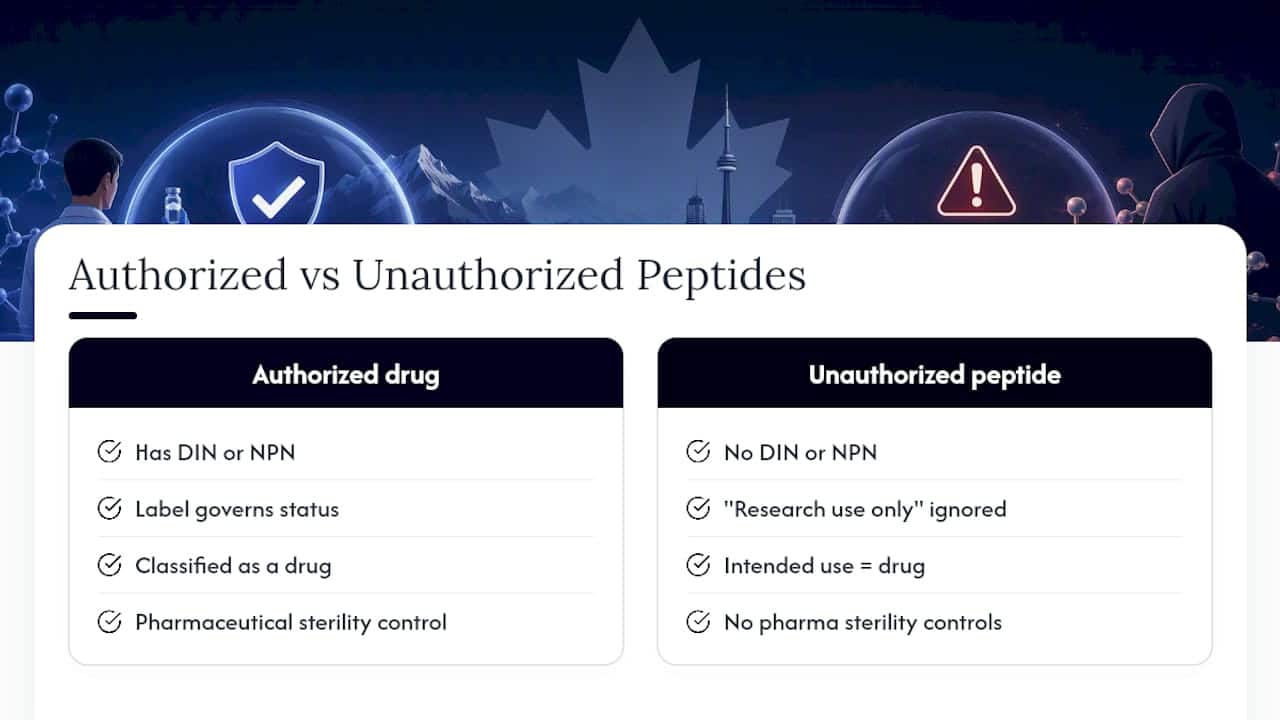
Buying injectable peptides intended for human use without proper drug authorization carries real legal and safety exposure in Canada, regardless of how the listing is labelled. Health Canada has publicly warned that many injectable peptide drugs sold online are unauthorized and can seriously harm users, and that “For Research Use Only” text on the package does not change that status. The agency has already seized multiple unauthorized injectable peptide products sold under this exact framing.
The regulatory reality: authorized drugs in Canada carry a Drug Identification Number (DIN) or Natural Product Number (NPN). Most peptides marketed for weight loss, muscle growth, or anti‑aging carry neither, because the seller is deliberately skirting drug approval by calling the product “research use only.”
Legal analysts have reached the same conclusion from the other direction. Gowling WLG’s regulatory review notes that a product’s intended use, not its label, determines its legal classification: a peptide marketed for physical performance meets the legal definition of a drug in Canada whether or not the vial says “research.”
The practical risks compound from there. Products manufactured without pharmaceutical sterility controls carry contamination risk. Vials get mislabelled or misidentified in transit. Dosing information is frequently absent or based on guesswork rather than clinical data. Clinicians interviewed by CBC News describe self‑administering these products as effectively self‑experimenting, and adverse events tied to unauthorized injectable peptides have already been reported in Canada. Selling or buying an unauthorized injectable drug is itself illegal here, and customs enforcement can flag or seize shipments crossing the border.
How do you read a peptide COA and spot red flags?
A trustworthy certificate of analysis is lot‑specific, not a generic purity statement copied across every batch a vendor sells. Look for the testing method (HPLC or mass spectrometry), the name of the testing lab, a lot number that matches the vial in your hand, and a test date. Peptide Report’s marketplace risk guide points out that the surrounding marketing context, not the disclaimer text, decides how regulators and informed buyers should treat a listing.
Label language falls into three rough tiers, and confusing them is where most buyers get into trouble:
- Drug prescribing information: approved dosing, indications, and DIN, issued for authorized pharmaceutical products.
- Supplement facts panels: ingredient and quantity disclosure for products regulated as natural health products, carrying an NPN.
- “Research use only” disclaimers: no human‑use claims, no dosing guidance, no consumer packaging, in theory reserved for laboratory sale.
The mismatch to watch for is a vendor using tier‑three language on the label while running a tier‑two operation everywhere else: dosing charts, user testimonials, and consumer‑style packaging built around a “for research purposes only” footer.
Common red flags include in‑house testing with no accredited third‑party lab involved, a general purity percentage with no lot number attached, and dosing suggestions posted right next to an RUO disclaimer.
Pro Tip: Ask the vendor to send the COA for the exact lot number printed on your vial, not a “representative” COA from their website. If they can’t match a lot number to a document, that is the whole answer.
What ancillaries do you need for reconstitution and storage?
Injectable peptides sold in lyophilized (freeze‑dried) powder form need a short list of ancillaries before anything gets used, and getting this wrong is where sterility problems usually start.
- Bacteriostatic water to reconstitute the powder, chosen over plain sterile water because it contains a preservative that resists bacterial growth across multiple draws.
- A reconstitution syringe to inject the water into the vial slowly, along the glass wall rather than directly onto the powder.
- Insulin syringes, marked in units, for measuring individual doses from the reconstituted solution.
- Alcohol wipes to disinfect the vial stopper before each needle insertion.
- A sharps container for safe disposal of used needles.
Reconstitution itself comes down to simple math: total peptide mass divided by diluent volume gives concentration, which then maps to units drawn on an insulin syringe. General reconstitution guidance outlines this process along with conservative storage windows, typically in the 14 to 30 day range once mixed, depending on the specific peptide’s stability. This is procedural background, not a substitute for professional handling instructions.
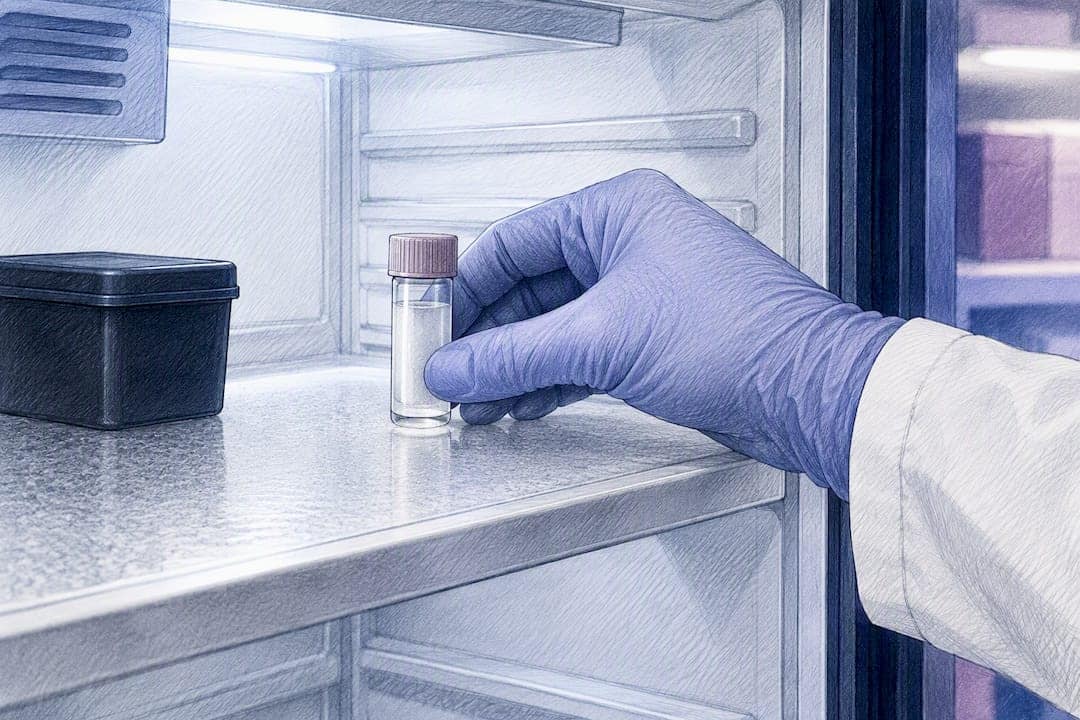
Once reconstituted, peptides generally need refrigeration and protection from light. Freeze‑thaw cycling degrades most peptides quickly, so a solution frozen and rethawed even once is a solution most sources recommend discarding rather than risk. Treat the discard window as a hard rule, not a suggestion, since a degraded peptide is either inactive or unpredictable in effect.
What should you ask a vendor before buying?
A few pointed questions at checkout separate a transparent seller from one hoping you won’t ask. Run through this list before you commit to an order:
- Can you provide a lot‑specific COA matching the exact batch shipped to me?
- Which accredited third‑party lab performed the testing, and can I verify their accreditation independently?
- Was the product tested for sterility and endotoxins, not just purity?
- What is your shipping timeline, and what is your return policy if a COA doesn’t match on arrival?
- Is there a real person I can reach with product questions, not just an automated inbox?
A vendor who answers with specific lab names, document links, and a clear policy is worth your business. Vague answers, generic “we test everything in-house” claims, or silence on sterility testing are reasons to pause the order, not proceed. If you have any underlying health condition, are on other medications, or are simply unsure whether a compound is appropriate for your goals, that pause should include a conversation with a licensed healthcare professional before your next purchase, not after.
Pure Peptide’s approach to quality and transparency
Every serious buyer decision in this category comes down to one question: can the seller prove what’s in the vial? Pure Peptide’s own purity standard is documented above 99% through third‑party lab certificates of analysis, tied to the compounds behind the categories on the site, from weight loss to recovery. That documentation, alongside clinically tested formulations and a growing base of customer reviews, is the standard we think this entire category should be held to. None of that replaces professional medical guidance. Verify every document a vendor sends you, and loop in a healthcare provider before starting anything new.
— Pure Peptide
Where documented purity actually gets you
Most of the noise in this market is marketing dressed up as science. Pure Peptide’s advantage over a typical online listing isn’t a louder purity claim, it’s that the claim comes with a document you can actually check against the vial in your hand. If you’re weighing weight loss, muscle growth, recovery, or anti‑aging options and keep hitting vendors who can’t produce a lot‑specific COA on request, that’s the gap Pure Peptide is built to close. Browse the current product categories and ancillaries, request the documentation for the exact lot you’re considering, and talk to a healthcare professional before your first dose. Start with the full product lineup to see what’s currently available.
Sources
- Think twice about injecting peptides bought online — unauthorized products can seriously harm (Health Canada alert)
- Investigative reporting on injectable peptides and expert cautions (CBC News)
- RUO marketplace risk guide and how to read ‘for research use only’ positioning (Peptide Report)
FAQ
Are research grade peptides legal to buy in Canada?
Buying injectable peptides intended for human use without a DIN or NPN carries legal risk, since Health Canada treats many of these products as unauthorized drugs regardless of “research use only” labelling. Non‑injectable forms and properly authorized products exist in a different category, so the format and authorization status both matter.
Does “for research use only” mean a peptide is safe?
No. That label describes an intended sales channel, not a safety guarantee, and Health Canada has stated explicitly that RUO wording does not make an injectable legal or safe for human use.
What does a real certificate of analysis include?
A credible COA lists the testing method, usually HPLC or mass spectrometry, the accredited lab’s name, a lot number matching your vial, and a test date. A generic purity percentage with no lot number attached is not verifiable and should be treated as marketing copy.
How much does research grade peptides cost, and what’s the typical timeline?
Pricing and current availability for Pure Peptide’s product categories, including weight loss, muscle growth, recovery, and anti‑aging lines, are listed directly on the product pages. Order‑to‑delivery timelines vary by product and shipping method, so check the specific listing for current estimates.
What ancillaries do I need alongside injectable peptides?
Bacteriostatic water for reconstitution, a reconstitution syringe, insulin syringes for dosing, alcohol wipes, and a sharps container cover the basics. General reconstitution guidance covers the underlying math, but this is background information, not a substitute for medical instruction.