


The discovery of thymosin peptides revolutionized our understanding of immune system regulation and cellular health. Originally isolated from the thymus gland in the 1960s, these naturally occurring peptides play a critical role in T-cell development, immune function, and tissue repair. As research continues to expand our knowledge of thymic factors, thymosin peptide has emerged as a promising therapeutic agent with applications ranging from immune enhancement to anti-aging interventions. Understanding the science behind these powerful peptides can help you make informed decisions about incorporating them into your health optimization strategy.
Understanding Thymosin Peptide Structure and Function
Thymosin peptide represents a family of polypeptide hormones secreted by the thymus gland, which serves as the primary site for T-lymphocyte maturation. These peptides were first identified through groundbreaking research demonstrating the existence of thymic factors that control T-cell development and immune function.
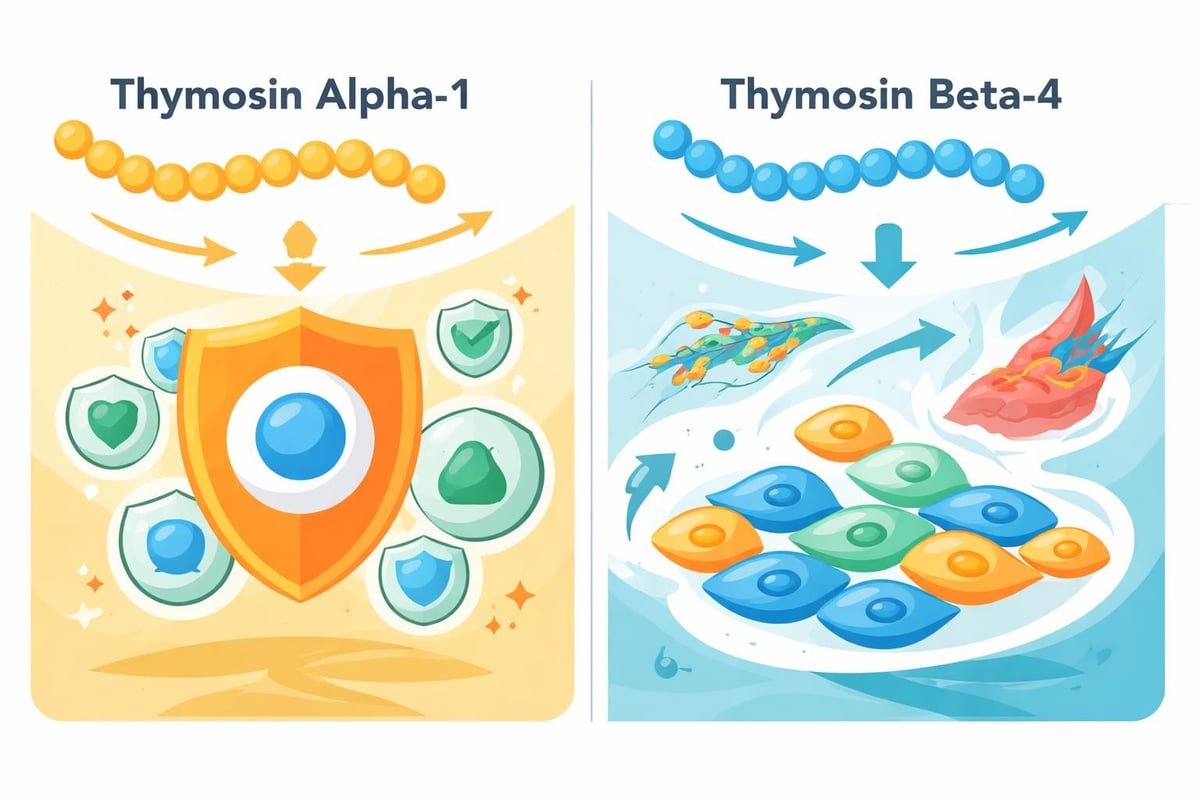
The thymosin family includes several distinct peptides, with Thymosin Alpha-1 (Tα1) and Thymosin Beta-4 (Tβ4) being the most extensively studied. Each variant exhibits unique biological properties and therapeutic applications.
Primary Thymosin Variants
Thymosin Alpha-1 consists of 28 amino acids and functions primarily as an immune modulator. This variant enhances T-cell function, increases vaccine effectiveness, and demonstrates antiviral properties. The peptide works by stimulating the maturation of T-cell precursors and modulating cytokine production.
Thymosin Beta-4 contains 43 amino acids and focuses on tissue repair and regeneration. This variant promotes wound healing, reduces inflammation, and supports cardiovascular health through multiple cellular pathways.
| Thymosin Variant | Amino Acids | Primary Function | Key Applications |
|---|---|---|---|
| Alpha-1 | 28 | Immune modulation | Viral infections, vaccines, cancer |
| Beta-4 | 43 | Tissue repair | Wound healing, cardiovascular, anti-aging |
| Beta-10 | 41 | Cell differentiation | Cancer research, immune regulation |
The molecular mechanisms through which thymosin peptide operates involve complex interactions with immune cells, growth factors, and cellular signaling pathways. These interactions create cascading effects that influence multiple physiological systems simultaneously.
Clinical Applications and Therapeutic Benefits
The therapeutic potential of thymosin peptide extends across numerous medical conditions and health optimization goals. Recent reviews of thymic peptides and hormones highlight the expanding evidence base supporting their clinical use.
Immune System Enhancement
Thymosin peptide demonstrates remarkable ability to strengthen immune function through multiple mechanisms. The peptide enhances the production and activity of T-cells, which serve as the frontline defense against pathogens and abnormal cells. This immune-boosting effect proves particularly valuable for individuals with compromised immune systems or those recovering from illness.
Clinical studies reveal that thymosin supplementation can:
- Accelerate recovery from viral infections
- Improve vaccine response rates
- Reduce infection frequency in immunocompromised patients
- Enhance natural killer cell activity
- Balance inflammatory responses
The antiviral applications of thymosin peptides continue to generate significant research interest, particularly in developing novel therapeutic strategies against emerging viral threats.
Anti-Aging and Cellular Regeneration
As the thymus gland naturally shrinks with age-a process called thymic involution-endogenous thymosin production declines. This reduction contributes to age-related immune dysfunction and decreased regenerative capacity. Supplementing with thymosin peptide may help counteract these effects.
The anti-aging benefits include improved skin elasticity, enhanced wound healing, reduced inflammation markers, and better cellular repair mechanisms. These effects align with the broader goals of peptide-based anti-aging strategies offered by specialized providers.
Cardiovascular and Tissue Repair
Thymosin Beta-4 specifically demonstrates significant potential for cardiovascular health and tissue regeneration. Research shows this variant can promote blood vessel formation, reduce cardiac fibrosis following injury, and improve heart function after myocardial infarction.
The tissue repair capabilities extend beyond cardiovascular applications:
- Wound Healing: Accelerates closure of acute and chronic wounds
- Muscle Repair: Enhances recovery from sports injuries and surgical procedures
- Nerve Regeneration: Supports neurological recovery and neuroprotection
- Corneal Healing: Improves recovery from eye injuries and surgeries
Research Developments and Manufacturing Standards
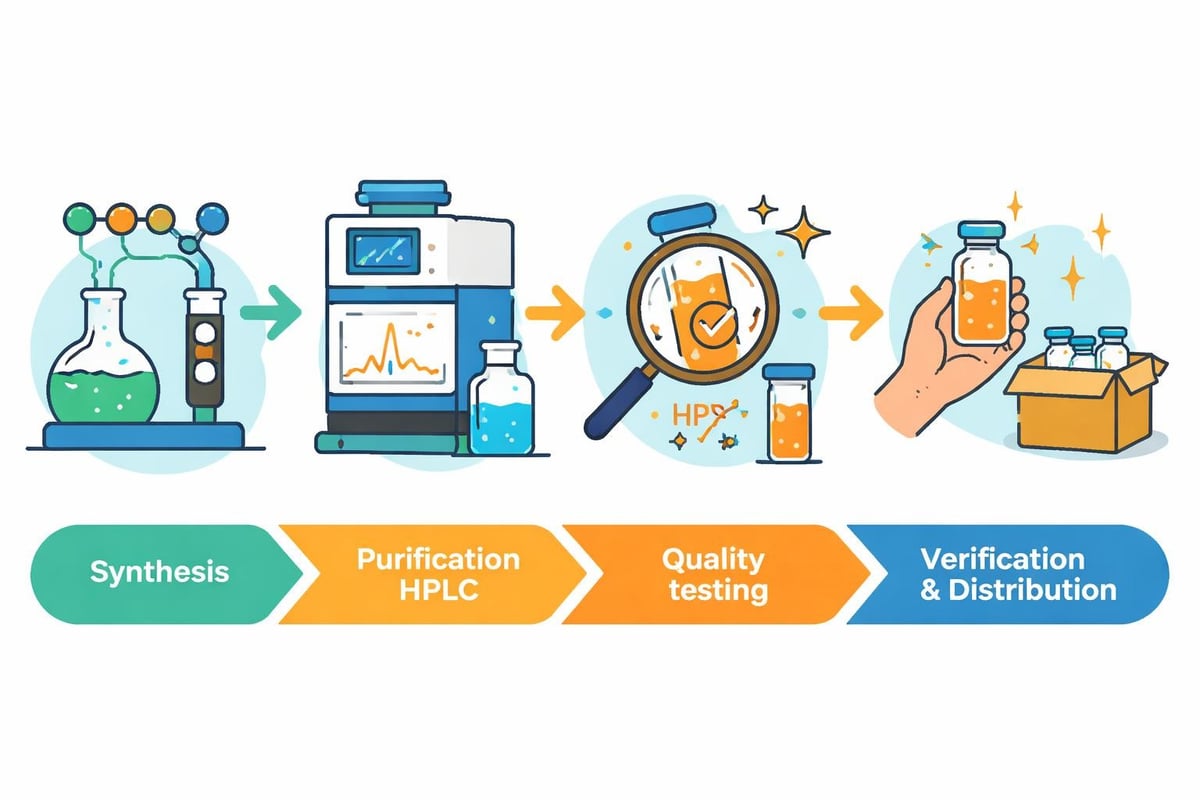
The production of high-quality thymosin peptide requires sophisticated manufacturing processes and rigorous quality control. Studies examining the biological activities and genetic engineering production of Thymosin Alpha-1 demonstrate the complexity involved in creating pharmaceutical-grade peptides.
Advanced Purification Methods
Modern thymosin peptide production employs recombinant DNA technology and solid-phase peptide synthesis. These methods ensure consistent amino acid sequences and eliminate contamination risks associated with animal-derived sources.
Key manufacturing considerations include:
- Amino acid sequence verification through mass spectrometry
- Purity assessment via high-performance liquid chromatography (HPLC)
- Endotoxin testing to ensure safety for human use
- Stability testing under various storage conditions
- Potency verification through biological assays
Pure Peptide maintains stringent quality control standards throughout the manufacturing process, ensuring each batch meets or exceeds industry benchmarks for purity and efficacy.
Emerging Research Directions
Current research explores novel applications for thymosin peptide across diverse medical fields. Investigators are examining its potential in treating autoimmune conditions, supporting cancer immunotherapy, and enhancing athletic performance and recovery.
| Research Area | Current Status | Potential Impact |
|---|---|---|
| Cancer Immunotherapy | Phase II/III trials | Enhanced treatment response |
| Autoimmune Diseases | Preclinical studies | Improved disease management |
| Athletic Recovery | Ongoing research | Faster healing, better performance |
| Chronic Infections | Clinical applications | Strengthened immune defense |
The therapeutic applications of thymic peptide hormones in cancer represent a particularly promising area of investigation, with evidence suggesting these compounds may enhance conventional cancer treatments while supporting immune function.
Dosing Protocols and Administration Guidelines
Implementing thymosin peptide therapy requires careful attention to dosing protocols, administration methods, and individual response monitoring. While specific recommendations vary based on therapeutic goals and individual factors, general guidelines help ensure safe and effective use.
Standard Dosing Approaches
Thymosin Alpha-1 typically follows subcutaneous administration protocols, with dosages ranging from 1.6 to 6.4 mg per injection. Treatment frequency varies from twice weekly to daily, depending on the condition being addressed and individual response patterns.
Common protocol structures include:
- Immune Support: 1.6-3.2 mg twice weekly for 8-12 weeks
- Acute Illness: 3.2-6.4 mg daily for 5-10 days
- Chronic Conditions: 1.6 mg twice weekly ongoing
- Anti-Aging: 1.6-3.2 mg 2-3 times weekly cyclically
Thymosin Beta-4 protocols generally involve higher doses due to its different molecular weight and mechanism of action, typically ranging from 2 to 10 mg per injection.
Administration Best Practices
Proper administration technique ensures optimal absorption and minimizes side effects. Subcutaneous injection remains the preferred delivery method for most thymosin peptide applications, offering consistent bioavailability and ease of use.
Key administration considerations:
- Rotate injection sites to prevent tissue irritation
- Use appropriate needle length (typically 0.5 inches for subcutaneous)
- Inject at room temperature for comfort
- Maintain sterile technique throughout the process
- Store reconstituted peptides according to manufacturer guidelines
Quality accessories like injection syringes and alcohol pads ensure safe and effective administration.
Safety Profile and Potential Considerations
Thymosin peptide demonstrates an excellent safety profile across numerous clinical studies, with minimal adverse effects reported in the majority of cases. Understanding potential considerations helps users maximize benefits while minimizing risks.
Common Response Patterns
Most individuals tolerate thymosin peptide well, experiencing few if any side effects. When reactions occur, they typically manifest as mild and transient symptoms.
Potential mild effects include:
- Temporary injection site reactions (redness, mild swelling)
- Occasional fatigue during initial treatment
- Mild flu-like symptoms as immune system responds
- Rare instances of headache or dizziness
These reactions generally resolve within days as the body adjusts to supplementation. Serious adverse events remain exceptionally rare in clinical literature.
Contraindications and Precautions
While thymosin peptide proves safe for most individuals, certain populations should exercise caution or avoid use altogether. Pregnant or breastfeeding women should abstain due to limited safety data in these populations. Individuals with active autoimmune conditions should consult healthcare providers before beginning therapy, as immune modulation effects could theoretically influence disease activity.
Persons with known allergies to thymic peptides or components of peptide formulations should avoid use. Those undergoing active cancer treatment should discuss timing and appropriateness with their oncology team, as thymosin may interact with certain immunotherapies.
Integration with Complementary Peptide Therapies
Thymosin peptide often works synergistically with other peptide compounds, creating comprehensive protocols that address multiple health objectives simultaneously. Understanding these combinations helps optimize therapeutic outcomes.
Strategic Peptide Stacking
Recovery and Repair Protocols commonly combine thymosin Beta-4 with BPC-157 or TB-500 to maximize tissue healing and reduce recovery time. This combination addresses injury repair through complementary mechanisms, with each peptide contributing unique benefits.
Anti-Aging Regimens may incorporate thymosin Alpha-1 alongside Epitalon to support both immune function and cellular longevity. These protocols address multiple aspects of aging simultaneously, creating comprehensive rejuvenation strategies.
Athletic Performance Programs often pair thymosin peptides with growth hormone secretagogues like CJC-1295 or Ipamorelin to enhance recovery, muscle growth, and overall performance capacity.
| Protocol Type | Primary Peptides | Supporting Compounds | Target Outcomes |
|---|---|---|---|
| Recovery | Thymosin Beta-4, BPC-157 | TB-500 | Tissue repair, reduced inflammation |
| Immune Support | Thymosin Alpha-1 | MOTS-C | Enhanced immunity, cellular health |
| Anti-Aging | Thymosin Alpha-1, Epitalon | NAD+ | Longevity, immune function |
| Performance | Thymosin Beta-4, Growth factors | Ipamorelin | Recovery, muscle growth |

Timing and Cycling Strategies
Effective peptide protocols consider timing of administration and cycling patterns to maintain effectiveness while preventing receptor desensitization. Thymosin peptide generally benefits from continuous use over 8-12 week periods, followed by brief rest phases.
Many practitioners recommend taking thymosin injections in the evening to align with natural immune system activity patterns. When combining multiple peptides, spacing injections by several hours may optimize individual compound absorption and activity.
Quality Assurance and Source Selection
The therapeutic efficacy of thymosin peptide directly correlates with product quality and purity. Selecting reliable sources that prioritize manufacturing standards ensures you receive compounds that deliver expected benefits safely.
Critical Quality Indicators
Purity Levels should consistently exceed 98% as verified through independent laboratory testing. High-performance liquid chromatography (HPLC) analysis provides definitive purity measurements and identifies potential contamination.
Third-Party Verification through certificates of analysis (COA) demonstrates manufacturer commitment to transparency and quality. These documents should detail peptide content, purity percentages, and absence of harmful contaminants.
Proper Storage and Handling throughout the supply chain preserves peptide integrity. Lyophilized (freeze-dried) peptides maintain stability at room temperature, while reconstituted solutions require refrigeration and timely use.
Reputable suppliers provide comprehensive product information, responsive customer support, and transparent quality documentation. Pure Peptide’s FAQ section addresses common questions about peptide quality, storage, and use.
Reconstitution and Storage Guidelines
Proper reconstitution ensures thymosin peptide maintains its therapeutic activity. Most lyophilized thymosin requires reconstitution with bacteriostatic water, following manufacturer-specific instructions for volume and technique.
Reconstitution best practices:
- Clean vial tops with alcohol before puncturing
- Inject bacteriostatic water slowly down the vial side
- Gently swirl (never shake) to dissolve powder
- Allow solution to clarify completely before use
- Store reconstituted peptide refrigerated at 2-8°C
Using bacteriostatic water rather than sterile water extends reconstituted peptide shelf life by inhibiting bacterial growth through benzyl alcohol content.
Real-World Applications and User Experiences
The practical application of thymosin peptide spans diverse user populations, from athletes seeking enhanced recovery to individuals managing chronic health conditions. Understanding real-world implementation provides valuable context for potential users.
Athletic and Performance Applications
Athletes and fitness enthusiasts incorporate thymosin peptide to accelerate recovery from training stress, reduce injury downtime, and maintain consistent performance levels. The tissue repair properties of Thymosin Beta-4 prove particularly valuable for addressing sports-related injuries and repetitive stress conditions.
Typical athletic protocols focus on injury prevention during intense training phases, rapid recovery following competitions or injuries, and maintenance of immune function during periods of high physical stress.
Medical and Therapeutic Uses
Clinical applications of thymosin peptide address serious health conditions under medical supervision. Patients with chronic viral infections may use Thymosin Alpha-1 to strengthen immune responses and improve treatment outcomes. Individuals recovering from surgery or traumatic injuries benefit from enhanced tissue repair and reduced inflammation.
The peptide's immune-modulating effects support patients undergoing cancer treatment, helping maintain immune function while receiving chemotherapy or radiation. These applications require careful medical oversight and integration with conventional treatment protocols.
Preventive and Wellness Strategies
Health-conscious individuals increasingly adopt thymosin peptide as part of preventive wellness strategies. Regular use may help maintain robust immune function, support healthy aging processes, and optimize recovery from daily physical and mental stress.
Wellness-focused protocols typically involve lower doses administered 2-3 times weekly, creating sustainable long-term support for immune health and cellular function. This approach aligns with broader peptide therapy goals focused on optimization rather than disease treatment.
Future Directions and Ongoing Innovation
The field of thymosin peptide research continues evolving rapidly, with new applications and improved formulations emerging regularly. Staying informed about these developments helps users optimize their therapeutic approaches and anticipate future opportunities.
Novel Delivery Systems
Researchers are investigating alternative delivery methods that may improve convenience and bioavailability. Oral formulations, transdermal patches, and sustained-release implants represent potential future innovations that could expand thymosin accessibility while maintaining therapeutic efficacy.
Combination Therapies
Scientific investigation increasingly focuses on synergistic combinations that amplify thymosin benefits. Research protocols examine pairings with stem cell therapies, growth factors, and other regenerative compounds to create comprehensive treatment approaches for complex conditions.
Personalized Peptide Medicine
Advances in genetic testing and biomarker analysis enable increasingly personalized peptide protocols. Future applications may incorporate individual genetic profiles, immune system assessments, and metabolic data to optimize thymosin dosing and timing for each user's unique physiology.
The integration of thymosin peptide into comprehensive health optimization strategies continues expanding as research validates its diverse applications and excellent safety profile. Whether pursuing athletic performance, immune support, or anti-aging benefits, understanding the science and practical implementation of thymosin peptide empowers informed decision-making.
Thymosin peptide represents a powerful tool for supporting immune function, tissue repair, and healthy aging through scientifically validated mechanisms. The peptide's excellent safety profile and diverse applications make it an attractive option for individuals seeking to optimize their health and performance. When selecting thymosin peptide products, prioritize quality, purity, and transparent manufacturing standards to ensure you receive compounds that deliver the expected therapeutic benefits. Pure Peptide offers premium-grade peptides manufactured under stringent quality control protocols, providing the purity and efficacy necessary for optimal results in your health optimization journey.