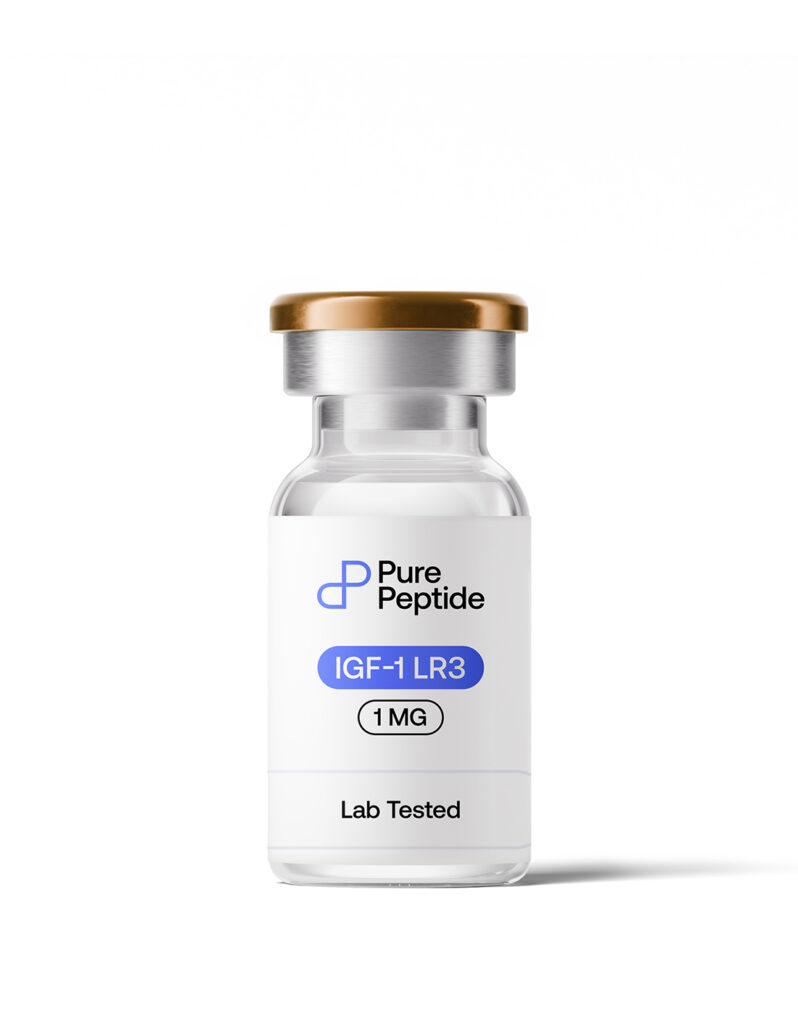
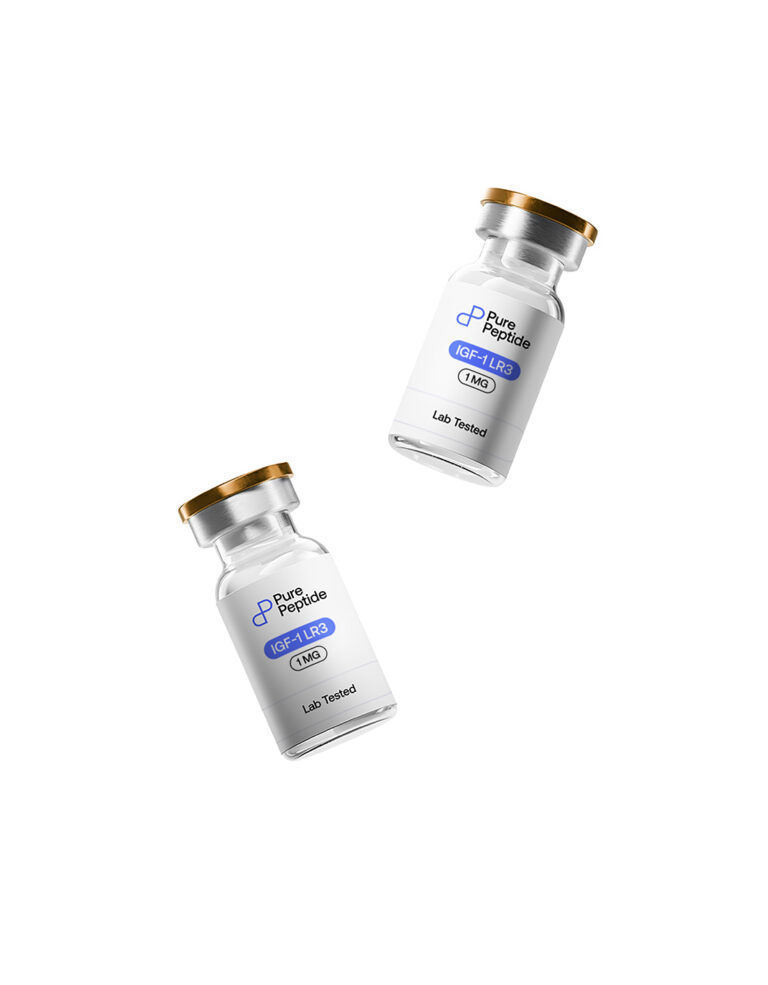

The decision to buy IGF LR3 represents a significant commitment to advanced peptide therapy for muscle growth and recovery enhancement. As one of the most sought-after peptides in the research and athletic performance communities, IGF-1 LR3 offers unique properties that distinguish it from standard IGF-1 formulations. This modified version of insulin-like growth factor demonstrates extended half-life and enhanced potency, making it a valuable compound for those pursuing serious body composition improvements. Understanding the complexities of purchasing this peptide requires knowledge of quality markers, supplier verification, proper dosing protocols, and legal considerations that govern peptide acquisition in 2026.
Understanding IGF-1 LR3 and Its Applications
IGF-1 Long R3, commonly abbreviated as IGF-1 LR3, is a synthetic analog of naturally occurring insulin-like growth factor 1. The modification involves an arginine substitution at position three and a 13-amino acid N-terminal extension, resulting in a peptide with approximately 2-3 times the half-life of standard IGF-1.
This extended duration of action provides several advantages for research applications and therapeutic protocols. The compound demonstrates reduced binding affinity to IGF binding proteins, allowing more active peptide to remain available in circulation and reach target tissues.
Molecular Properties and Mechanisms
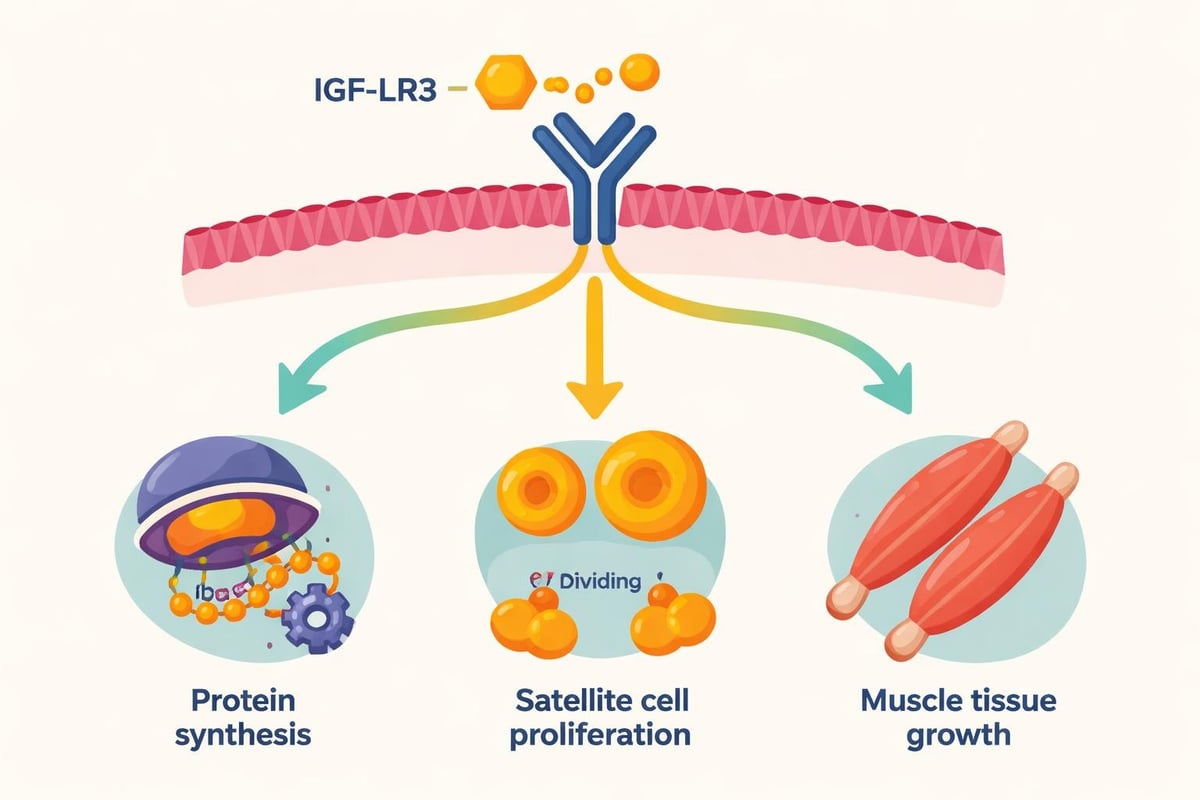
The molecular mechanisms of IGF-1 LR3 involve receptor activation that triggers multiple anabolic pathways within muscle tissue. Upon binding to IGF-1 receptors on muscle cells, the peptide initiates cascades that promote protein synthesis, glucose uptake, and cellular proliferation.
Key biological effects include:
- Enhanced muscle protein synthesis through mTOR pathway activation
- Increased satellite cell proliferation and differentiation
- Improved nutrient partitioning toward lean tissue
- Reduced protein breakdown via suppression of proteolytic pathways
- Enhanced recovery capacity following intense training
The peptide's ability to stimulate hyperplasia, the creation of new muscle cells, distinguishes it from compounds that solely promote hypertrophy. This dual mechanism contributes to the compound's popularity among researchers studying muscle development.
Critical Factors When You Buy IGF LR3
Quality verification stands as the paramount concern when sourcing this peptide. The peptide market contains numerous suppliers, but significant variation exists in product purity, concentration accuracy, and sterility standards.
Purity and Testing Certifications
Legitimate suppliers provide third-party laboratory testing documentation for each batch. These certificates of analysis should confirm:
| Test Parameter | Acceptable Range | Verification Method |
|---|---|---|
| Purity | ≥98% | HPLC analysis |
| Peptide Content | 95-105% of stated | Mass spectrometry |
| Bacterial Endotoxins | <10 EU/mg | LAL testing |
| Sterility | No growth detected | USP sterility test |
| Heavy Metals | <10 ppm | ICP-MS analysis |
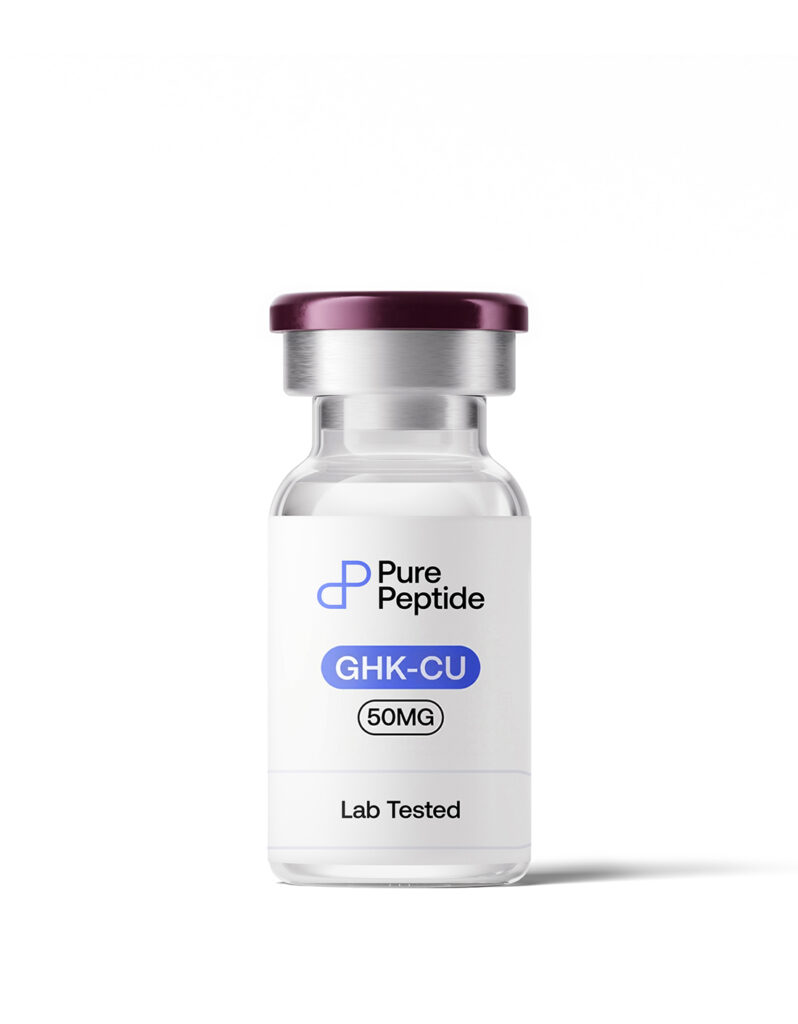
Pure Peptide maintains rigorous quality control protocols that exceed industry standards, ensuring each vial contains precisely measured peptide at verified purity levels. The IGF-1 peptide category demonstrates commitment to transparency through accessible testing documentation.
Storage and Handling Requirements
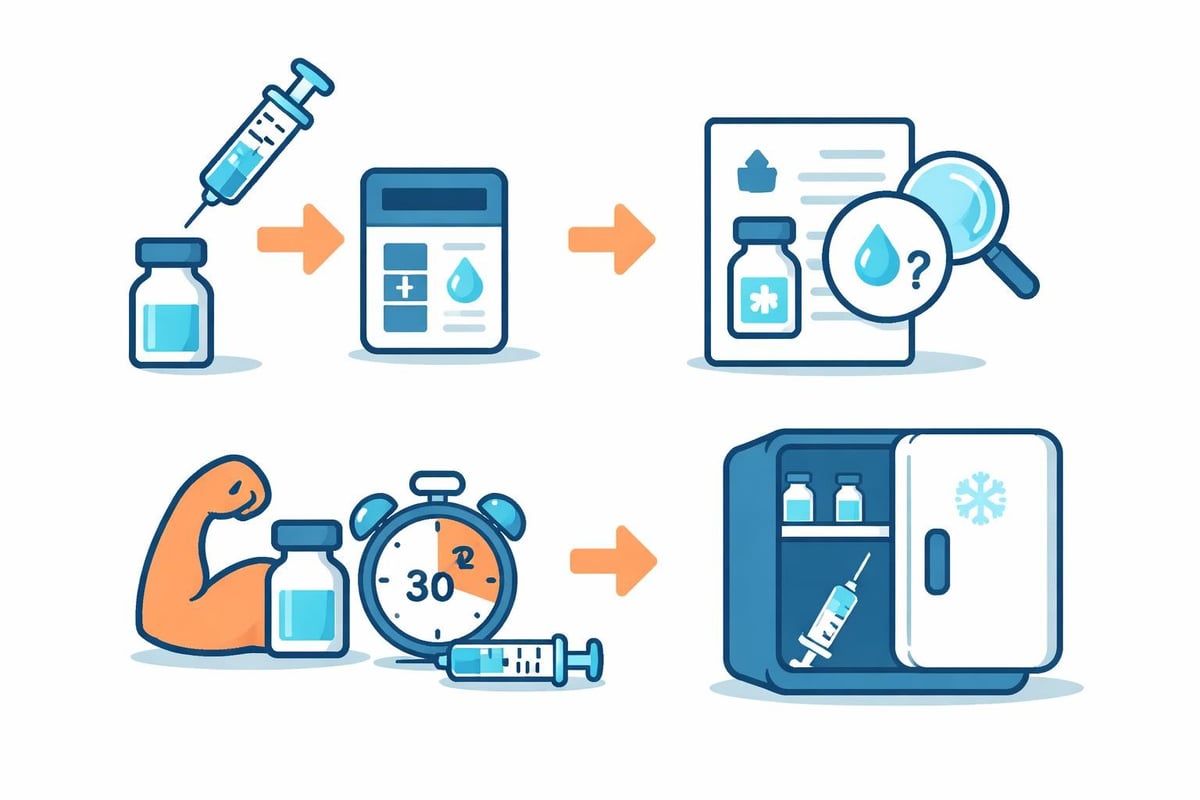
IGF-1 LR3 requires proper storage to maintain stability and biological activity. Lyophilized powder should remain refrigerated at 2-8°C and protected from light exposure. Once reconstituted with bacteriostatic water, the solution must be stored at the same temperature range and used within 30 days for optimal potency.
Temperature excursions during shipping can degrade peptide integrity. Reputable suppliers implement cold chain logistics with thermal packaging and expedited delivery to minimize this risk.
Dosing Protocols and Administration Guidelines
When individuals buy IGF LR3, understanding proper dosing becomes essential for both safety and efficacy. Research protocols typically employ subcutaneous injection as the preferred administration route, though intramuscular injection remains viable.
Standard Dosing Frameworks
Beginner protocols generally start at 20-40 mcg per day, administered bilaterally to target muscle groups post-workout. Advanced users may increase to 50-80 mcg daily, though higher doses amplify side effect risks without proportional benefits.
The compound's extended half-life allows for once-daily administration, though some protocols split the dose into morning and post-training applications. Duration cycles typically span 4-6 weeks, followed by equal-length breaks to prevent receptor desensitization.
Timing considerations include:
- Post-workout administration capitalizes on enhanced nutrient uptake
- Morning doses on rest days maintain consistent exposure
- Avoiding administration before sleep prevents potential hypoglycemic episodes
- Coordinating with carbohydrate intake optimizes anabolic response
The clinical efficacy data reveals dose-dependent responses, with diminishing returns observed above 60 mcg daily in most study populations.
Reconstitution Best Practices
Proper reconstitution preserves peptide structure and prevents degradation. Using bacteriostatic water as the solvent, inject the liquid slowly down the vial wall rather than directly onto the powder. Gentle swirling, not shaking, ensures complete dissolution without damaging the peptide bonds.
Calculate concentration carefully to ensure accurate dosing. For a 1 mg vial reconstituted with 2 mL of bacteriostatic water, the resulting concentration equals 500 mcg/mL, meaning a 50 mcg dose requires 0.1 mL of solution.
Safety Considerations and Side Effect Management
Before individuals buy IGF LR3, comprehensive understanding of the safety profile becomes imperative. While research indicates relative safety within recommended parameters, potential adverse effects require monitoring and management strategies.
Common Side Effects
The most frequently reported side effects correlate with the peptide's glucose metabolism effects. Hypoglycemia represents the primary concern, particularly when administered without adequate carbohydrate intake.
Early warning signs include:
- Excessive sweating and trembling
- Difficulty concentrating and mental fog
- Unexpected fatigue and weakness
- Increased hunger between meals
- Headaches and irritability
Joint discomfort affects approximately 15-20% of users, typically manifesting as mild stiffness or achiness. This effect often resolves with continued use as the body adapts to increased growth factor levels.
Water retention occurs in some individuals, resulting from enhanced cellular hydration and sodium retention. While this may temporarily mask fat loss progress, it generally subsides after cycle completion.
Risk Mitigation Strategies
Implementing safety protocols minimizes adverse event likelihood. Always consume adequate carbohydrates within the administration window, targeting 30-50 grams of fast-acting carbohydrates post-injection to prevent blood sugar crashes.
Starting with conservative doses allows tolerance assessment before escalation. Monitoring fasting glucose levels weekly provides objective data regarding metabolic impact.
Those with existing insulin resistance, diabetes, or metabolic disorders should exercise particular caution. Consultation with healthcare professionals before starting peptide protocols represents best practice, particularly for individuals with pre-existing conditions.
Supplier Selection and Verification Process
The process to buy IGF LR3 from reputable sources requires diligent supplier evaluation. The peptide market includes both legitimate research chemical companies and questionable operations producing substandard products.
Red Flags and Warning Signs
Several indicators suggest supplier unreliability:
- Absence of third-party testing documentation
- Prices significantly below market average
- Vague product descriptions lacking specificity
- Poor website security and payment processing
- Limited contact information or customer support
- No clear shipping and return policies
Conversely, trustworthy suppliers demonstrate transparency through detailed product specifications, accessible customer service, secure transaction processing, and established business histories. Pure Peptide exemplifies these standards through comprehensive product information and responsive support teams.
Verification Steps Before Purchase
| Verification Factor | What to Check | Why It Matters |
|---|---|---|
| Lab Testing | Current COA with batch matching | Confirms stated purity and content |
| Business Registration | Verifiable company information | Establishes legitimacy |
| Payment Security | SSL encryption, reputable processors | Protects financial information |
| Customer Reviews | Independent third-party feedback | Reveals actual customer experiences |
| Product Presentation | Professional packaging, proper labeling | Indicates quality control standards |
Researching supplier reputation through independent forums and review platforms provides valuable insights beyond marketing claims. Look for consistent positive feedback regarding product quality, shipping reliability, and customer service responsiveness.
Legal and Regulatory Considerations
Understanding the legal landscape surrounding peptide purchases protects buyers from unintended violations. In 2026, IGF-1 LR3 occupies a regulatory gray area in many jurisdictions, classified differently than pharmaceutical drugs but subject to certain restrictions.
Research Chemical Status
Most suppliers market IGF-1 LR3 as a research chemical "not for human consumption." This designation allows sale for laboratory research purposes while sidestepping pharmaceutical regulations. However, interpretation and enforcement vary significantly by location.
The World Anti-Doping Agency prohibits IGF-1 LR3 in competitive sports, classifying it under growth factors and related substances. Athletes subject to drug testing face potential sanctions for peptide use, regardless of legal purchase status.
Import regulations differ substantially across countries. Some nations permit personal importation for research purposes, while others strictly prohibit peptide imports without specific licenses. Buyers must verify local regulations before placing international orders.
Documentation and Record-Keeping
When you buy IGF LR3 for research purposes, maintaining proper documentation supports legitimate use claims. Retain all purchase records, certificates of analysis, and correspondence with suppliers. These materials demonstrate research intent if questions arise regarding peptide possession.

Integration with Comprehensive Performance Protocols
IGF-1 LR3 demonstrates enhanced effectiveness when incorporated within broader performance optimization strategies rather than used as a standalone intervention. Synergistic effects emerge when combined with appropriate training, nutrition, and recovery protocols.
Nutritional Optimization
The peptide's effects on glucose metabolism and protein synthesis require nutritional support for maximal benefit. Protein intake should meet or exceed 1 gram per pound of bodyweight daily, distributed across 4-6 meals to maintain positive nitrogen balance.
Carbohydrate timing becomes particularly important. Concentrating carbohydrate intake around training windows and peptide administration optimizes anabolic response while preventing hypoglycemic episodes. Many protocols implement carbohydrate cycling, with higher intake on training days and moderate reduction on rest days.
Essential fatty acid intake supports hormone production and cellular membrane integrity. Omega-3 supplementation from fish oil or algae sources complements IGF-1 LR3 protocols through anti-inflammatory effects that support recovery.
Training Adaptations
The enhanced recovery capacity provided by IGF-1 LR3 allows increased training volume tolerance. However, progressive overload should increase gradually to prevent overtraining despite improved recuperation.
Split routines targeting muscle groups with higher frequency often produce superior results compared to traditional bodybuilding splits. The peptide's muscle protein synthesis effects persist beyond the immediate post-workout window, making frequent stimulation advantageous.
Incorporating strategies for other performance goals, such as peptides for growth hormone release or best peptides for muscle growth, may provide complementary benefits through different mechanisms of action.
Price Considerations and Value Assessment
Cost represents a significant factor when individuals buy IGF LR3, with prices varying considerably based on supplier, quantity purchased, and product purity. Understanding fair market values prevents overpayment while avoiding suspiciously cheap products that likely indicate quality compromise.
Price Range Expectations
As of 2026, legitimate IGF-1 LR3 at ≥98% purity typically ranges from $40-70 per milligram when purchased in 1 mg vials. Bulk purchases often reduce per-unit costs, with 10-vial orders sometimes achieving 15-20% discounts.
Significantly lower prices should prompt scrutiny. Products advertised at $20-30 per milligram often contain lower actual peptide content, reduced purity, or lack proper sterility testing. The cost savings prove illusory when accounting for reduced efficacy and increased contamination risk.
Conversely, premium pricing above $80-90 per milligram generally reflects brand positioning rather than superior quality. Third-party testing documents remain the objective quality measure, regardless of price point.
Cost-Effectiveness Analysis
Calculating total protocol costs requires consideration beyond initial purchase price. A typical 4-week cycle at 50 mcg daily requires 1.4 mg total peptide content, translating to approximately $60-100 for the peptide itself.
Additional costs include:
- Bacteriostatic water for reconstitution ($10-15)
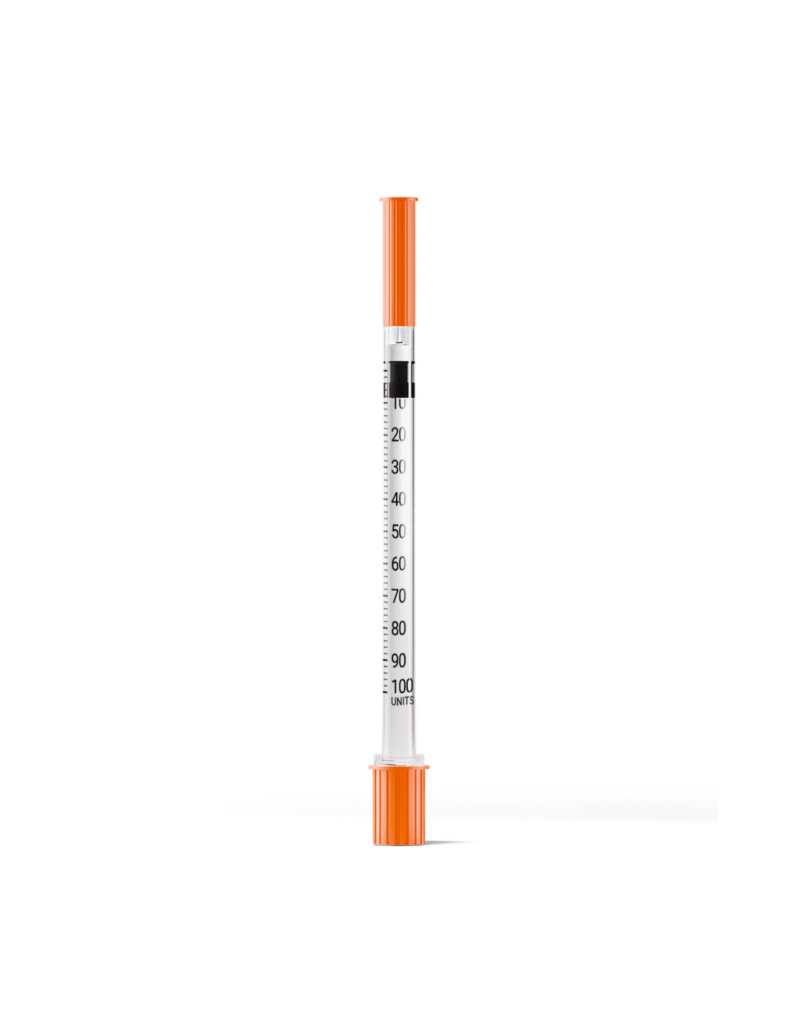
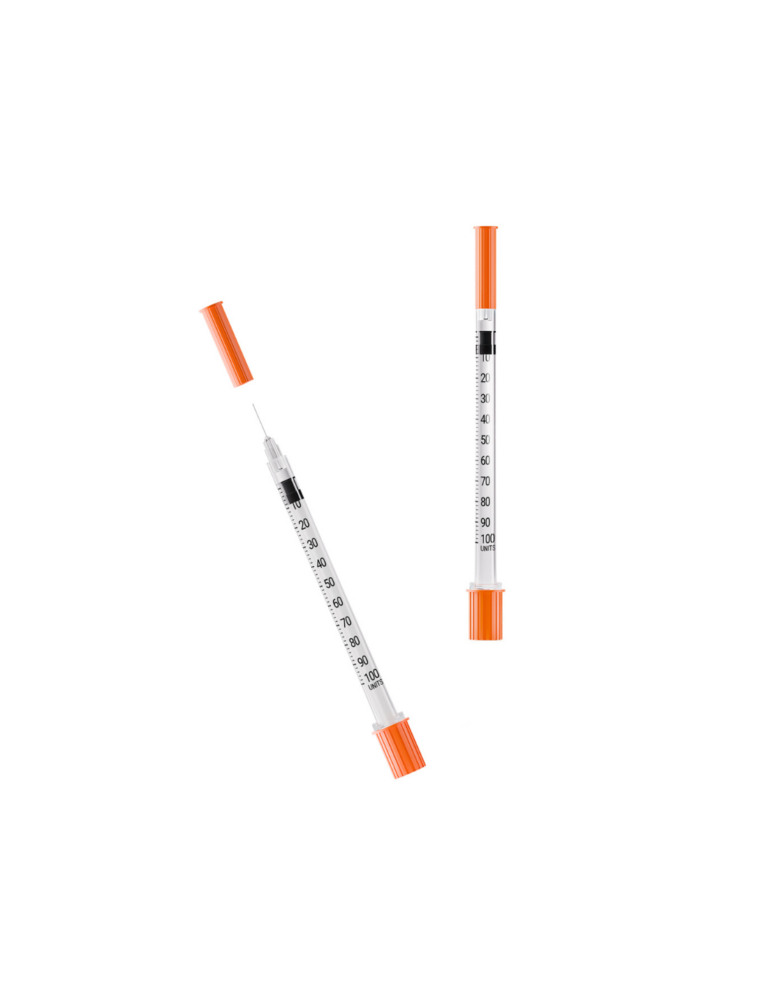
- Insulin syringes for administration ($5-10)
- Alcohol wipes and supplies ($5)
- Potential shipping and handling fees ($10-25)
Total cycle costs typically range from $90-150, positioning IGF-1 LR3 as a moderate investment compared to some alternative peptide protocols. Comparing this to other peptide options helps contextualize value relative to intended outcomes.
Quality Control and Product Verification
Beyond initial supplier vetting, ongoing quality verification ensures continued product integrity. Sophisticated buyers implement multiple verification layers to confirm they receive authentic, properly manufactured peptide.
Visual Inspection Protocols
Upon receipt, examine packaging integrity for signs of temperature exposure or tampering. The lyophilized peptide should appear as a white to off-white powder forming a cohesive cake at the vial bottom. Discoloration, excessive powder dispersion, or unusual odors suggest degradation or contamination.
Reconstituted solution should appear clear and colorless. Cloudiness, precipitation, or particulate matter indicates problems requiring product return. Never inject questionable solutions regardless of supplier reputation.
Performance Indicators
Subjective response patterns provide indirect quality verification. Typical onset of effects occurs within 5-7 days of protocol initiation, with enhanced pumps during training and improved recovery between sessions.
The comprehensive research database details expected response patterns, allowing comparison between documented outcomes and personal experience. Significant deviations may indicate product quality issues.
Blood glucose monitoring provides objective data regarding peptide activity. Functional IGF-1 LR3 produces measurable effects on glucose homeostasis, with slight reductions in fasting glucose levels and enhanced glucose disposal following carbohydrate intake.
Advanced Protocols and Combination Strategies
Experienced users often implement sophisticated protocols that combine IGF-1 LR3 with complementary peptides and compounds to maximize results while managing side effects. These advanced approaches require thorough knowledge of peptide interactions and cumulative effects.
Synergistic Peptide Combinations
Combining IGF-1 LR3 with growth hormone secretagogues creates complementary anabolic environments. Products like CJC-1295 increase endogenous growth hormone release, which then stimulates natural IGF-1 production that works alongside exogenous IGF-1 LR3.
This combination approach may produce superior results compared to either peptide alone:
- Enhanced overall anabolic signaling through multiple pathways
- Improved body composition with simultaneous muscle gain and fat loss
- Synergistic effects on recovery and tissue repair
- Maintained natural hormone production alongside exogenous support
Timing becomes crucial in combination protocols. Many users administer growth hormone secretagogues before bed to capitalize on natural nocturnal GH pulses, while dosing IGF-1 LR3 post-workout for localized muscle effects.
Cycling and Periodization Strategies
Strategic cycling prevents receptor downregulation and maintains responsiveness over extended timeframes. Common approaches include:
- 4 weeks on, 4 weeks off for standard protocols
- 6 weeks on, 6 weeks off for conservative approaches
- Rotating between different growth factor peptides every 4-6 weeks
- Implementing lower maintenance doses after initial loading phases
Periodization aligns peptide protocols with training phases. Bulk-building phases may employ higher doses and longer cycles, while cutting phases might utilize moderate doses focused on muscle preservation. Competition preparation often eliminates peptides 8-12 weeks before events to ensure full clearance.
Storage Longevity and Stability Considerations
When individuals buy IGF LR3 in larger quantities for cost efficiency, proper storage becomes essential for maintaining potency throughout the usage period. Understanding stability parameters prevents waste from degraded product.
Lyophilized Powder Stability
Unreconstituted lyophilized IGF-1 LR3 demonstrates remarkable stability when stored properly. Refrigerated storage at 2-8°C maintains full potency for 12-18 months from manufacture date. Freezer storage at -20°C or below extends this to 24-36 months.
However, freeze-thaw cycles degrade peptide structure. Once removed from frozen storage, peptides should remain refrigerated rather than refrozen. Dividing bulk purchases into smaller aliquots before freezing prevents repeated temperature cycling.
Room temperature stability proves limited, with significant degradation occurring within 2-4 weeks. Short-term temperature excursions during shipping generally produce minimal impact if total exposure remains under 48-72 hours.
Reconstituted Solution Stability
Post-reconstitution stability decreases substantially compared to lyophilized forms. Even under optimal refrigerated conditions, reconstituted IGF-1 LR3 degrades progressively, with approximately 10% potency loss occurring every 10-14 days.
This degradation pattern makes smaller volume reconstitution preferable for users following lower-dose protocols. Rather than reconstituting full vials that require extended storage, preparing smaller amounts ensures fresh solution throughout the cycle.
Bacteriostatic water's antimicrobial properties prevent bacterial contamination for approximately 28 days, though peptide degradation may occur before bacterial growth becomes problematic. Using reconstituted solutions beyond 30 days risks both reduced potency and sterility compromise.
Understanding the complexities of peptide acquisition ensures informed decisions that prioritize quality, safety, and effectiveness when pursuing advanced performance protocols. The considerations outlined above, from supplier verification through proper storage and administration, create frameworks for successful IGF-1 LR3 implementation. Whether you're exploring options to buy IGF LR3 for research purposes or developing comprehensive performance enhancement strategies, partnering with reputable suppliers ensures access to verified, high-purity compounds that meet rigorous quality standards. Pure Peptide provides premium peptide solutions backed by advanced purification methods, transparent third-party testing, and dedicated customer support to guide your peptide journey with confidence and safety.