




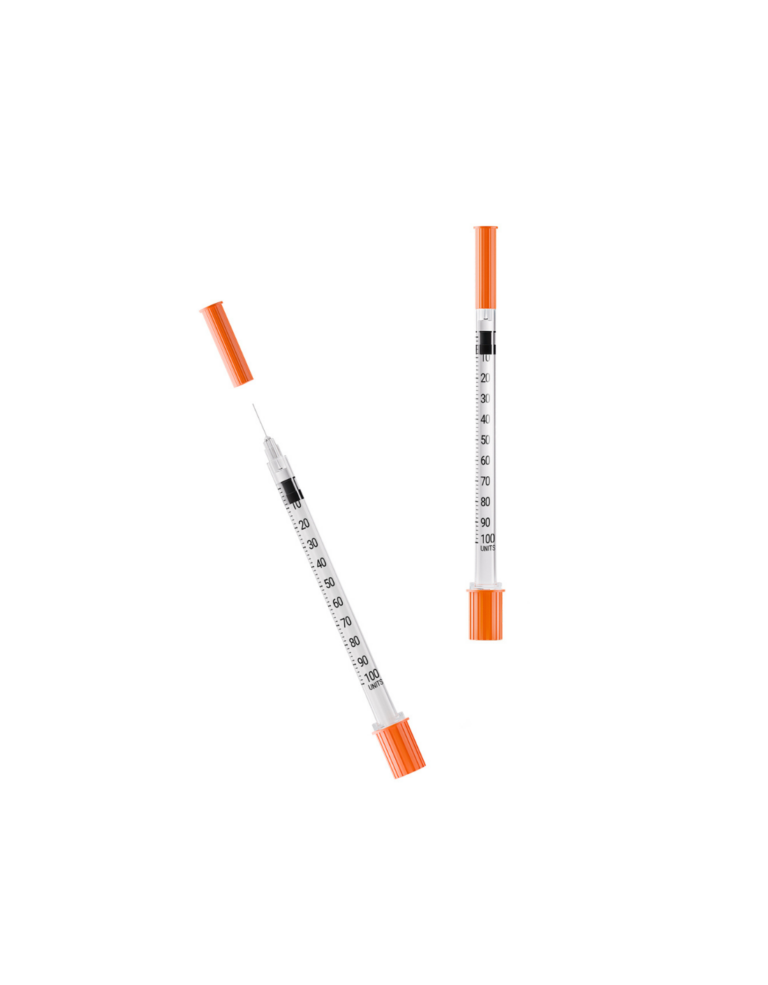

BPC-157 and KPV are two research peptides that people often set side by side, and they are not interchangeable. BPC-157 is studied mainly as a tissue-repair compound, with most of its animal data on tendon, muscle and gut injury. KPV is a tiny anti-inflammatory fragment studied mostly in gut and skin inflammation models. Neither has completed human trials showing it works, and neither is authorized by Health Canada. This guide sets out what each one is, what the evidence does and does not show, and what that means for a Canadian reader.
TL;DR
- BPC-157 is studied for repairing damaged tissue (tendon, muscle, gut lining). KPV is studied for calming inflammatory signalling, mostly in the gut and skin. Their proposed jobs differ.
- Both have animal and cell data only. We are not aware of a completed, peer-reviewed human trial confirming efficacy or safety for either one.
- Health Canada has not authorized either peptide, and it has seized injectable peptide products from fitness and wellness businesses. Athletes under WADA rules cannot use BPC-157, and KPV is caught by the same catch-all category.
- Stacking them is a plausible idea on paper and entirely untested in people. Dosing, frequency and duration have never been formally established.
- Source quality matters as much as the molecule: purity is only as good as the third-party lab certificate behind a specific batch.
Table of Contents
- What each peptide is
- BPC-157 vs KPV at a glance
- How their mechanisms differ
- What the evidence really shows
- Can you stack BPC-157 with KPV?
- Nasal spray, oral or injection: does the route matter?
- The legal picture in Canada
- If you compete: the WADA rules
- Purity and contamination: the risk people skip
- A practical way to choose between the two
- Our perspective
- Where our range fits
- FAQ
- Sources
What each peptide is
BPC-157
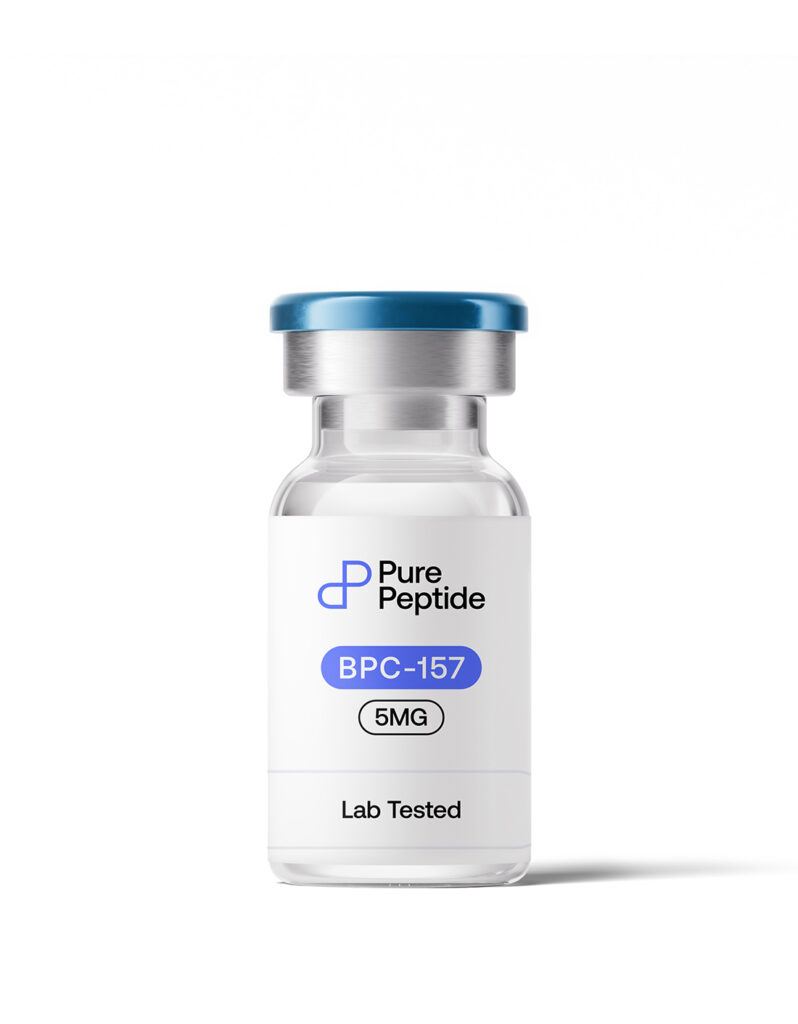
BPC-157 is a chain of 15 amino acids, a synthetic fragment modelled on a protein found in gastric juice. The name stands for “body protection compound.” In rodent studies it has been linked to faster healing of tendons, muscle, ligaments and the stomach lining, and researchers have proposed that it works partly through new blood vessel growth and nitric oxide signalling.
The catch is where the data comes from. A large share of the BPC-157 literature comes from one research network in Croatia, and independent labs have not broadly replicated it. Effects in animals also tend to depend on the dose and on the type of injury, which makes it hard to carry results over to a person with a sore shoulder or a gut complaint. If you want the full background on the compound itself, our page on BPC-157 and what it is studied for goes through the mechanisms in more detail.
KPV
KPV is much smaller: just three amino acids (lysine, proline, valine). It is the tail end of alpha-melanocyte-stimulating hormone (alpha-MSH), a signalling molecule involved in controlling inflammation. In mouse colitis models, KPV has been associated with less intestinal inflammation and better recovery of body weight, and in cell work it appears to dampen inflammatory signalling inside cells.
The human record is thinner still. There is no meaningful human literature on KPV at all. In the sources we reviewed, BPC-157 only edges ahead on evidence grading because human studies were at least attempted, not because they showed it works.
BPC-157 vs KPV at a glance
| BPC-157 | KPV | |
|---|---|---|
| Size | 15 amino acids | 3 amino acids |
| Origin | Fragment modelled on a gastric juice protein | Fragment of alpha-MSH |
| Main proposed role | Repair of damaged tissue | Dampening inflammatory signalling |
| Typical research focus | Tendon, muscle, ligament, stomach and gut injury | Colitis models, skin inflammation |
| Evidence base | Mostly rodent studies, heavily from one research group | Fewer studies: cell lines and mouse models |
| Completed human trials showing benefit | None that we are aware of | None |
| WADA status | Named on the Prohibited List, banned at all times | Not named, but covered by the non-approved substances category |
| Health Canada authorization | None | None |
The useful way to read this table: the two compounds are not rivals competing for the same job. One is proposed to rebuild, the other to quiet down. That is why “which one is better” is the wrong question, and “what problem am I actually trying to solve, and who should be guiding that?” is the right one.
How their mechanisms differ
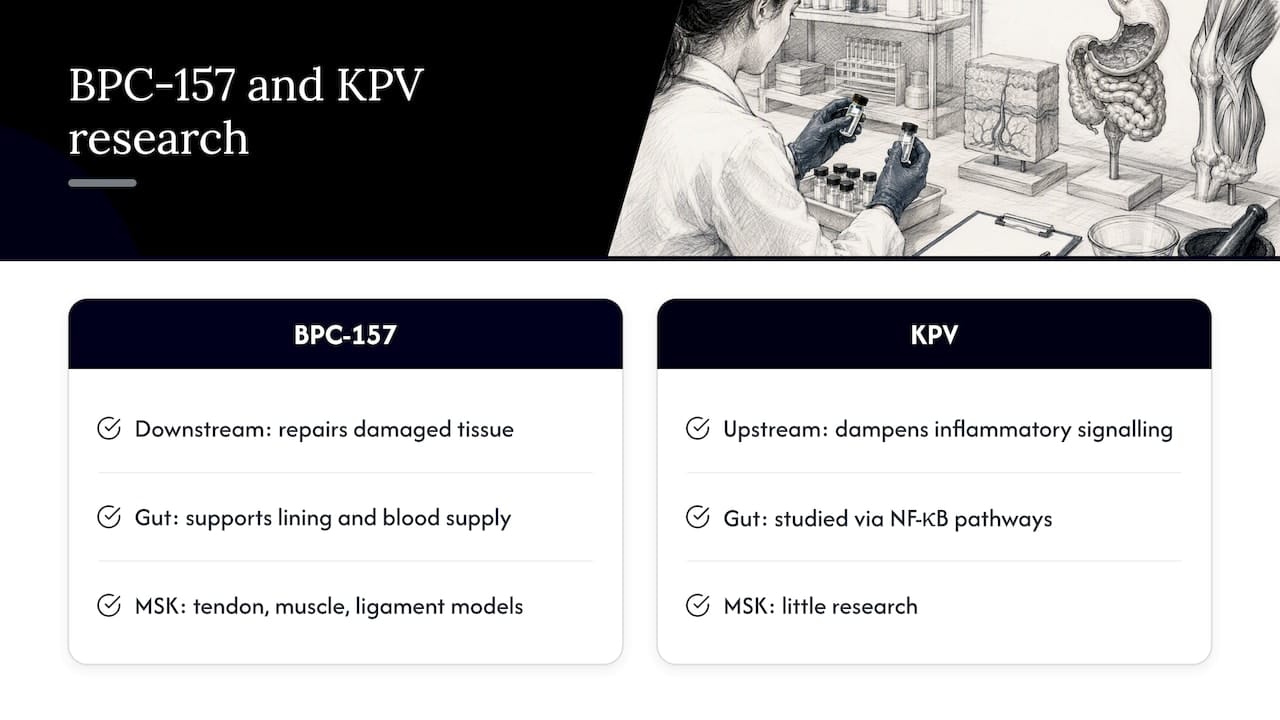
The simplest summary is that KPV is studied for what happens upstream, when the immune system is overactive, while BPC-157 is studied for what happens downstream, when tissue is already damaged and needs to repair.
In gut models, KPV is described as acting on inflammatory pathways such as NF-kB, which drive the tissue damage in conditions like colitis. BPC-157 is described as supporting the mucosal lining and the blood supply it depends on after injury. In a musculoskeletal context, only BPC-157 has a meaningful body of animal work: tendon, muscle and ligament injury models. KPV has little to say there. If recovery from sports injuries is your interest, our write-up on BPC-157 and tendon healing research covers what the animal data suggests.
There is one more wrinkle, and it affects KPV in particular. Much of the positive KPV animal data comes from oral delivery, where the tripeptide is thought to be taken up in the intestine by the PepT1 transporter. Many commercial products and blends are instead injected under the skin. That route bypasses the gut-targeting mechanism that produced the encouraging results, so the evidence and the way people actually use it do not line up well, as Peptide Front’s review of the KLOW blend points out.
What the evidence really shows
Here is the plain version, because a lot of comparison pages blur it.
- Animal data exists for both. BPC-157 has rodent data suggesting tissue repair. KPV has rodent data on reduced colitis.
- Human trials do not exist in any form that settles the question. A review of the peptide record notes there is no completed human trial confirming efficacy or safety for either compound for any health condition.
- No one has compared them directly. The side-by-side comparisons you see online are assembled from separate experiments that used different animals, models and doses. We are not aware of a study that put the two in the same experiment.
- Dosing is unknown for people. Without peer-reviewed human trials, the right dose, frequency and duration have never been formally established for human safety. Any number you read on a forum is a guess.
A fair summary, echoed by the experts we reviewed: the current enthusiasm is a hypothesis waiting for rigorous human testing, not an established therapy.
Can you stack BPC-157 with KPV?
This is one of the most common questions, and it is why blends combining the two (sometimes with other peptides) are now widely marketed.
The reasoning is tidy: KPV quiets inflammation while BPC-157 rebuilds, so together they might cover both sides of tissue damage. It is mechanistically plausible. It is also completely untested. Researchers point out that combinations could, in theory, reduce effectiveness if one peptide interferes with the other’s uptake, or produce unexpected toxicity. A plausible mechanism is not evidence of a benefit, and with two compounds that have no human efficacy data on their own, combining them multiplies the unknowns rather than reducing them.
If you are comparing BPC-157 with a different repair-focused peptide instead, see our overview of BPC-157 and TB-500 side by side.
Nasal spray, oral or injection: does the route matter?
It matters a great deal, and it is a reason not to treat studies as interchangeable. Results in animals depend on how the compound was delivered. A finding from oral dosing in a colitis model says little about a subcutaneous injection into the abdomen, and neither says much about a nasal spray. Nobody has established how well either peptide is absorbed or how long it lasts in people. For what is known about duration in the research, see our page on BPC-157 half-life and dosing questions.
The legal picture in Canada
This is where Canadian readers need to slow down, because much of what ranks for this keyword is written for the United States.
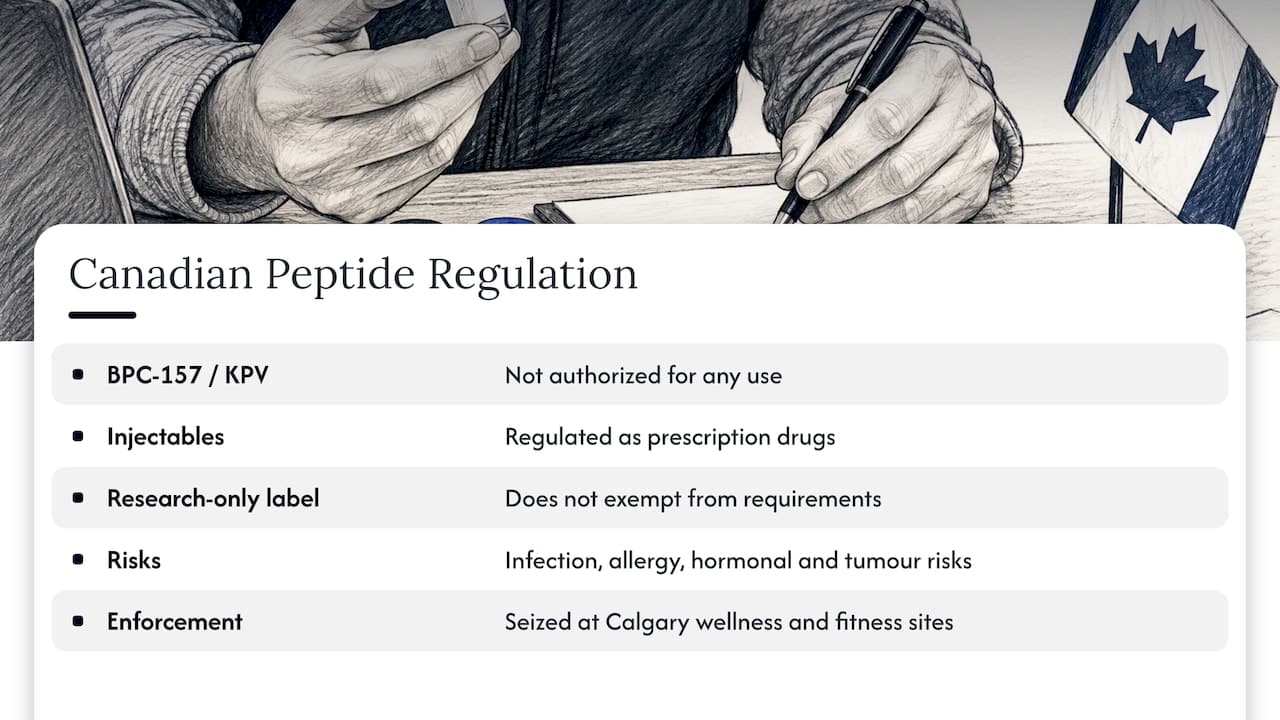
As of late 2026, Health Canada has not authorized BPC-157 or KPV for any use. Injectable peptide drugs are regulated as prescription drugs, and Health Canada says that peptides sold as bodybuilding products can mimic hormones and affect body processes. The department lists risks that include infection, allergic reactions, hormonal imbalances and potential promotion of tumour growth. Selling a compound labelled “for research use only” does not exempt it from those requirements.
Enforcement is real. Health Canada has warned about unauthorized injectable peptide drugs seized from a wellness centre in Calgary and about unauthorized health products seized at a fitness facility. Its advice in those notices is not to buy or use unauthorized drugs, to get prescription drugs only from licensed pharmacies, and to consult a licensed health care professional if you have already used such products and are worried.
In practice, that means: if you have a tendon injury, a gut condition or a skin problem, the person to see is your family doctor, a pharmacist, or a specialist such as a sports medicine physician or a gastroenterologist. If you have symptoms after using an unauthorized product, tell them exactly what you took.
If you compete: the WADA rules
Athletes face a separate hurdle. BPC-157 is explicitly named on the WADA Prohibited List under S0 (non-approved substances) and is banned at all times, in and out of competition. The 2026 List took effect on 1 January 2026, and the 2027 List, published on 21 September 2026, continues to prohibit non-approved drugs. KPV is not named, but as a non-approved pharmacological substance it falls under the same S0 catch-all. If you are tested under the Canadian anti-doping program or a federation that follows WADA, treat both as off limits and ask your sport’s anti-doping body before using anything.
Purity and contamination: the risk people skip
A compound can be harmless in theory and still hurt you through its source. Dr. Tumah at the Cleveland Clinic draws a distinction between the safety of a compound and the safety of where it came from. Because these peptides are sold on the gray market as research chemicals, there is no guarantee of purity, and products may carry toxins, heavy metals such as arsenic, or undeclared allergens.
That is why a batch-specific, third-party certificate of analysis is the minimum a buyer should look for. It does not make a research compound safe for human use, but it does tell you whether the vial contains what the label says.
A practical way to choose between the two
If you are reading about these peptides to understand them, this is how we would frame the comparison:
- Name the problem. Damaged tissue (a tendon, a muscle) points to the territory BPC-157 is studied in. Inflammatory gut or skin conditions point to the territory KPV is studied in. Neither is a substitute for a diagnosis.
- Check the evidence for that problem. For BPC-157, the data is rodent work, much of it from one group. For KPV, it is a few mouse studies and cell lines, often with oral delivery.
- Check your constraints. Are you a drug-tested athlete? Are you pregnant, on medication or managing a chronic condition? Those change the answer more than any comparison table.
- Talk to a licensed professional before using anything injectable. A pharmacist can check interactions, and a physician can tell you whether the symptom needs investigating first.
- Scrutinize the source. Demand a lot-specific lab report, not a generic claim.
Our perspective
We get the comparison question often, and our view is less exciting than the marketing around these compounds. BPC-157 and KPV are interesting molecules with real animal data, and that is exactly where the story stops for now. We would rather say so than promise results the research has not delivered.
What we can speak to is how we approach our own catalogue. Our products are supplied as research-grade compounds, each backed by third-party lab certificates of analysis, with purity documented above 99%. We believe that standard should be the floor for anyone handling these materials, because inconsistent purity is the avoidable part of the risk. We also think readers deserve to hear the other half plainly: a clean certificate does not turn a research compound into an approved therapy, and it does not replace advice from a clinician. Canadian regulators have not authorized these peptides, and athletes are bound by WADA rules whatever the purity.
So our advice is simple. Learn the evidence, be sceptical of any page that claims one peptide “wins,” and make decisions about your health with a licensed professional who knows your history.
— Pure Peptide
Where our range fits
If you are exploring recovery research, our catalogue of research-grade peptides and reconstitution supplies is on the Pure Peptide homepage, organized by area: weight loss, muscle growth, recovery, anti-aging, libido and ancillaries such as bacteriostatic water, syringes and alcohol pads. Our products are offered as research materials with third-party certificates of analysis, and as covered above, they are not authorized by Health Canada for human use. For background reading before you decide anything, start with our guide to peptides for recovery.
FAQ
Is KPV better than BPC-157?
Neither is proven better, because no study has compared them directly and neither has completed human trials. They are studied for different things: KPV for calming inflammatory signalling, BPC-157 for tissue repair. The better fit depends on the problem, and that conversation belongs with a physician.
Can you mix BPC-157 and KPV together?
Blends that combine them are sold, and the idea makes mechanistic sense. But the combination has never been tested in people, and researchers note that stacked peptides could interfere with each other or cause unexpected toxicity. Because dosing is not established even for each peptide alone, there is no evidence-based way to say how to combine them.
Are BPC-157 and KPV legal in Canada?
Health Canada has not authorized either peptide for any use, and injectable peptide drugs are treated as prescription drugs. Labelling a product “for research use only” does not change the regulatory requirements, and Health Canada has seized unauthorized peptide products from wellness and fitness businesses. Check any medication’s status in Health Canada’s Drug Product Database, or ask a pharmacist.
Are they allowed in sport?
No for BPC-157: it is named on the WADA Prohibited List and banned at all times. KPV is not named but is covered by the S0 category for non-approved substances. Athletes subject to testing should ask their sport’s anti-doping organization before using either.
What are the risks of buying research peptides online?
Besides the lack of human safety data, the main risk is the product itself. Gray-market products may be contaminated with toxins, heavy metals or undeclared allergens, according to the Cleveland Clinic, and Health Canada lists infection and allergic reaction among the risks of unauthorized injectables. A lot-specific third-party certificate of analysis helps you check contents but does not establish safety for human use.
Sources
- Using bodybuilding products, Health Canada
- Unauthorized injectable peptide drugs seized from Optimum Wellness Centre in Calgary, Canada.ca
- Unauthorized health products seized at Rize Fitness, Canada.ca
- WADA Prohibited List text, Tractatenblad 2026
- BPC-157 peptide, Cleveland Clinic
- KPV vs BPC-157: What the Evidence Says
- KLOW Peptide Blend review, Peptide Front