
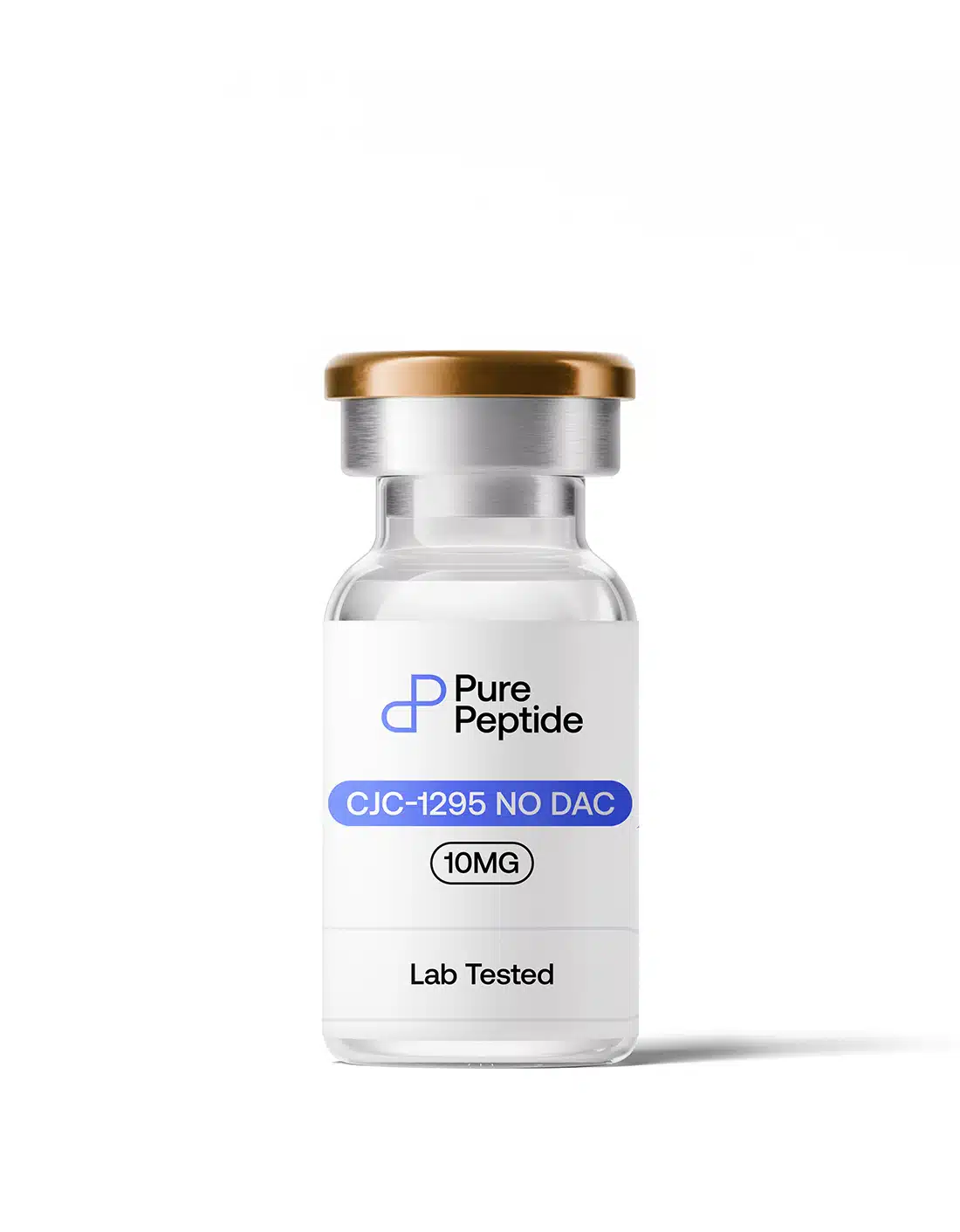


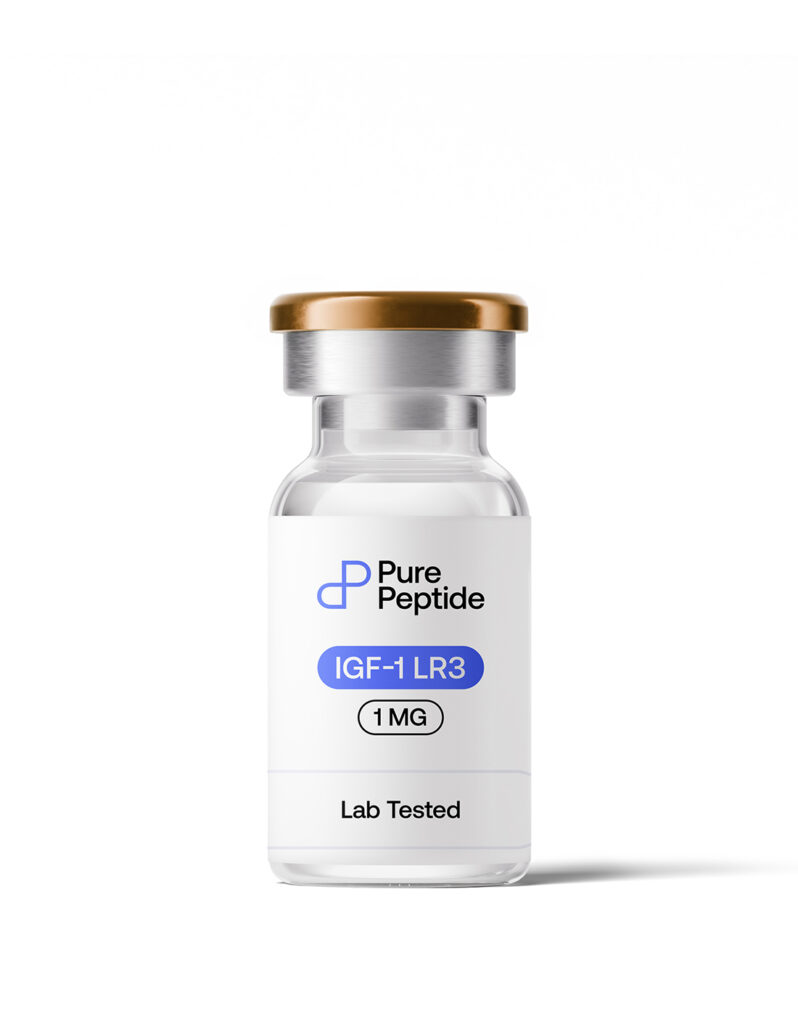



The most-discussed bulking peptide stacks pair a GHRH analogue like CJC-1295 with a GH secretagogue such as ipamorelin, sometimes alongside a recovery peptide like BPC-157 or a joint-support compound like collagen. IGF-1 LR3 shows up in more aggressive protocols, though human evidence for it is thinner. None of this is a substitute for medical guidance: Health Canada has seized unauthorized injectable peptides sold online, and any injectable peptide protocol belongs under a licensed clinician’s supervision.
TL;DR:
- Combining CJC-1295 with ipamorelin is common, but no large human trials confirm their synergy for muscle growth in healthy adults.
- IGF-1 LR3 and other aggressive peptides show limited human data, carry higher risks, and are typically unsupervised or unauthorized in Canada.
- Oral collagen peptides are the safest option with a well-established bioavailability and safety profile, making them a low-risk starting point.
- Injectable peptides demand medical oversight due to risks like infection, immune reactions, and regulatory issues, especially in legally restricted markets like Canada.
- Always verify peptide purity and legal status through authorized clinicians; unauthorized online products may pose serious health and legal risks.
Table of Contents
- What are the most common bulking peptide stacks?
- How do bulking peptides actually work in the body?
- What does a typical protocol look like?
- Is a bulking peptide stack legal and safe in Canada?
- What peptides should not be stacked together?
- What does the human evidence actually show?
- How should you approach this with a clinician?
- Pure Peptide’s take on evidence, purity, and clinician oversight
- Where Pure Peptide fits once you’ve talked to a clinician
- Sources
- FAQ
What are the most common bulking peptide stacks?
Several combinations dominate the conversation among people building a bulking peptide stack, and they differ a lot in risk profile, evidence quality, and how they’re taken.
- CJC-1295 + ipamorelin. The most frequently discussed pairing. CJC-1295 (a GHRH analogue) and ipamorelin (a growth hormone secretagogue) target different receptors on the pituitary, and early human pharmacology work found dose-dependent GH and IGF-1 elevation from CJC-1295 alone. Injectable, subcutaneous, moderate to high risk given the lack of large combination trials.
- IGF-1 LR3 additions. Sometimes layered onto a GHRH/GHS base to push growth signalling further downstream. It’s the least studied piece of a bulking peptide stack in trained, healthy adults, and the risk profile climbs accordingly. Injectable, high risk, minimal human data outside specific clinical populations.
- BPC-157 or TB-500 as recovery adjuncts. Not muscle-building peptides in the classic sense. People add them to manage joint and connective-tissue stress from heavier training loads. You can compare the two directly in this BPC-157 versus TB-500 breakdown. Injectable, moderate risk, mechanistic rather than large-trial evidence.
- Oral collagen peptides. The lowest-risk item on this list by a wide margin. Reviews of collagen peptide bioavailability describe a favourable safety profile compared with injectables, which is why some people use them as a low-risk starting point before considering anything injectable.
- Longer-acting GHRH-DAC formulations. Used by people who want fewer weekly injections. The DAC modification extends half-life substantially, which changes the GH release pattern from pulsatile to more sustained. That pharmacokinetic difference matters more than most stacking guides admit.
Route matters as much as compound choice. Oral collagen carries the lowest risk tier of anything here. Everything injectable, from CJC-1295 to IGF-1 LR3, sits in unauthorized-product territory in Canada unless prescribed and dispensed through a licensed pathway with a proper Drug Identification Number.
Competitive athletes need a separate flag entirely. WADA’s prohibited list bans GH secretagogues and most GHRH analogues outright, so a stack that’s merely risky for a recreational lifter is a disqualifying offence for a tested athlete.
How do bulking peptides actually work in the body?
Two distinct GH-axis mechanisms explain why people stack rather than pick one compound. GHRH analogues like CJC-1295 mimic the body’s natural growth hormone releasing hormone, prompting the pituitary to secrete GH through its normal signalling pathway. GHS compounds like ipamorelin act on a separate receptor, the ghrelin receptor, which triggers GH release through a different mechanism entirely. Pairing the two is a deliberate attempt to stack two independent triggers rather than one, and mechanistic studies do show synergistic GH pulses when both pathways fire together, though large randomized trials testing that specific combination don’t exist yet.
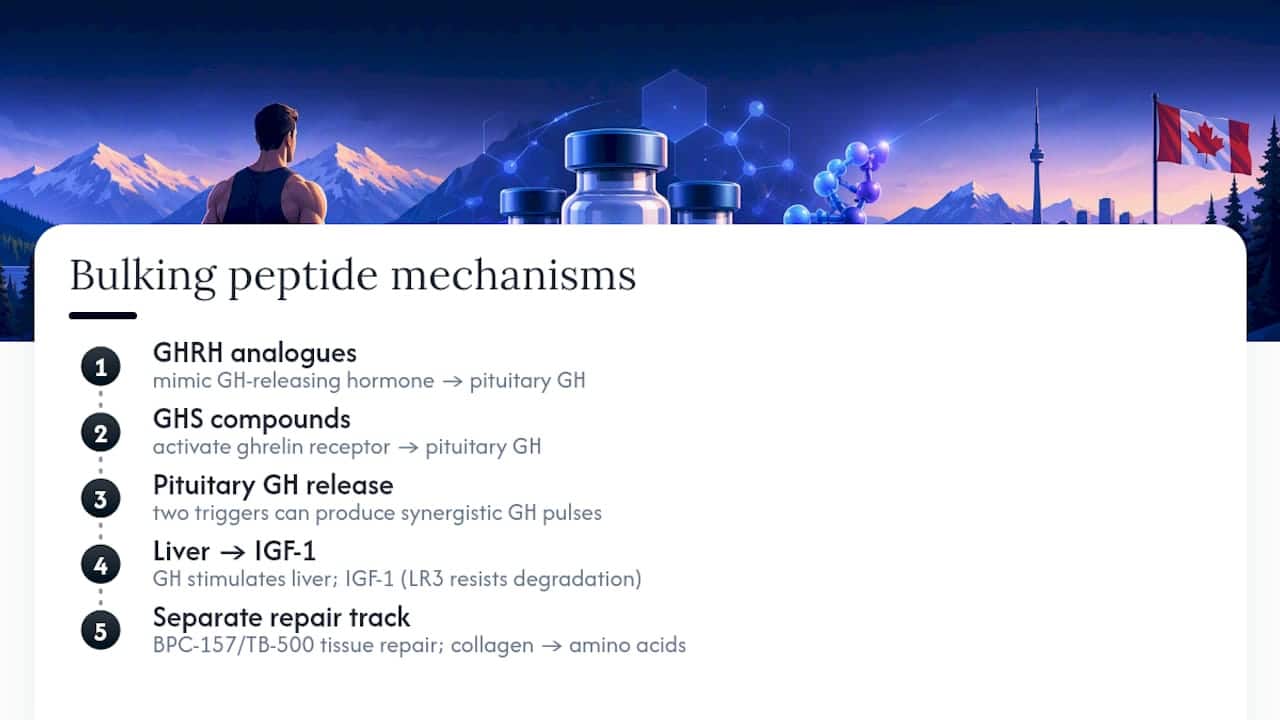
IGF-1 sits downstream of GH in the signalling chain. GH stimulates the liver (and some local tissues) to produce IGF-1, which then activates growth pathways in muscle cells. IGF-1 LR3 is a modified version designed to resist degradation and stay active longer. The biology is coherent on paper, but coherent mechanism and proven hypertrophy in trained humans are two different claims, and the second one remains largely unsupported outside specific clinical populations like patients with growth hormone deficiency.
Recovery peptides operate on a separate track altogether. BPC-157 and TB-500 are studied for their theorized role in tissue repair signalling rather than muscle growth directly, which is why people frame them as adjuncts to a bulking peptide stack rather than its foundation. Oral collagen peptides work through a different, better-characterized route: providing amino acid building blocks (particularly glycine and proline) that support connective tissue, with a safety profile that’s genuinely different from anything injected.
Pharmacokinetics change the calculation. CJC-1295 with DAC has a long half-life and produces sustained IGF-1 elevation, while modified GRF 1-29 clears faster and produces a more pulsatile GH pattern closer to the body’s natural rhythm. These aren’t interchangeable compounds despite frequently being discussed as if they were, and the choice between them changes how often injections happen and how GH behaves across a day. Our complete guide to CJC-1295 walks through that distinction in more detail.
What does a typical protocol look like?
Nobody should treat dosing as a fixed recipe. What follows describes common patterns discussed in clinical and enthusiast contexts, not a prescription.
- Timing pattern. Short-acting GHS compounds like ipamorelin are typically discussed as nightly, pre-sleep doses, timed to coincide with the body’s natural GH pulse during sleep. Long-acting DAC formulations follow a weekly or twice-weekly pattern instead, since sustained elevation doesn’t require the same timing precision.
- Reconstitution and handling. Injectable peptides arrive as lyophilized powder and require bacteriostatic water for reconstitution, along with sterile syringes and alcohol pads for injection-site prep. Reconstituted peptides need refrigeration and generally lose potency within weeks even when stored correctly.
- Sterile technique. Rotating injection sites, disinfecting the site before and after, and never reusing needles all reduce infection risk. This is a bigger deal than most casual guides suggest, because injection-site infection is one of the more common real-world adverse events reported with unsupervised use.
- Baseline and follow-up monitoring. Fasting glucose, lipid panels, and liver function tests come up repeatedly in clinical discussions of GH-axis peptide monitoring, alongside IGF-1 levels to track whether the compound is producing the expected physiological response.
Pro Tip: Products labelled “for research use only” are a red flag, not a loophole. That phrasing exists specifically so unauthorized sellers can skirt Health Canada oversight, and it tells you nothing about what’s actually in the vial.
Nothing here should read as a green light to self-administer. A clinician who understands your bloodwork and training history is the only party positioned to translate these patterns into an actual plan. Our peptide safety resource covers sterile technique and sourcing verification in more depth.
Is a bulking peptide stack legal and safe in Canada?
Injectable peptides are regulated as prescription drugs in Canada, and authorized products carry an eight-digit Drug Identification Number or a Natural Product Number. Anything sold without one, especially anything marketed as “research use only,” hasn’t been assessed for safety, efficacy, or quality by Health Canada.
That’s not a theoretical warning. Health Canada has publicly listed seized unauthorized injectable peptides including CJC-1295, BPC-157, ipamorelin, and TB-500, sold by retailers operating outside any regulatory oversight. The seizure notices exist because these products were reaching consumers.
Health Canada’s repeated seizure notices point to a genuine pattern: a meaningful share of the bodybuilding-focused injectable peptides circulating online are unauthorized, and buyers have no reliable way to confirm what’s actually in the product without third-party testing.
The medical risks stack up in a few predictable categories:
- Infection risk from non-sterile products or poor injection technique, ranging from local site infections to more serious systemic issues.
- Immunogenicity concerns, where the body mounts an unpredictable immune response to an injected peptide, with regulators specifically warning about severe adverse events from unverified products.
- Metabolic disturbance, including elevated blood glucose from sustained GH-axis stimulation.
- Drug interactions with existing prescriptions, particularly anything affecting blood sugar or clotting.
For competitive athletes, WADA’s 2026 prohibited list continues to ban GH secretagogues and most GHRH analogues, so a positive test isn’t a remote possibility. If you experience adverse effects, stop the product immediately, keep the packaging for identification, and seek medical attention rather than trying to manage symptoms yourself. Dispose of unused peptides and sharps through a pharmacy take-back program, not household trash.
What peptides should not be stacked together?
Some combinations raise the risk profile well beyond what any individual compound would carry on its own, and a few patterns come up often enough to name directly.
- Multiple potent GH stimulators plus exogenous anabolic hormones. Layering two or three GH-axis compounds on top of anabolic steroids compounds metabolic strain (glucose, lipids, cardiac load) in ways that are hard to monitor without regular labs.
- GH-axis peptides alongside diabetes medications. GH elevation raises blood glucose, which can work directly against insulin or metformin and destabilize glycemic control.
- Anticoagulants combined with injectable peptides. Injection-site bleeding risk and unpredictable interactions make this pairing one clinicians flag consistently.
- Multi-vendor “mixes” with no batch testing. Pre-mixed stacks from unverified sellers compound the sourcing risk of each individual peptide, and there’s no way to know what ratio, purity, or contamination you’re actually getting.
- Anything labelled “research use only” mixed with prescription medication. The labelling itself signals the seller is avoiding regulatory accountability, which is the worst possible combination with an existing prescription regimen.
What does the human evidence actually show?
The strongest human data in this space comes from CJC-1295 pharmacology trials, and even that evidence has real limits worth understanding before treating it as proof of anything beyond GH elevation.
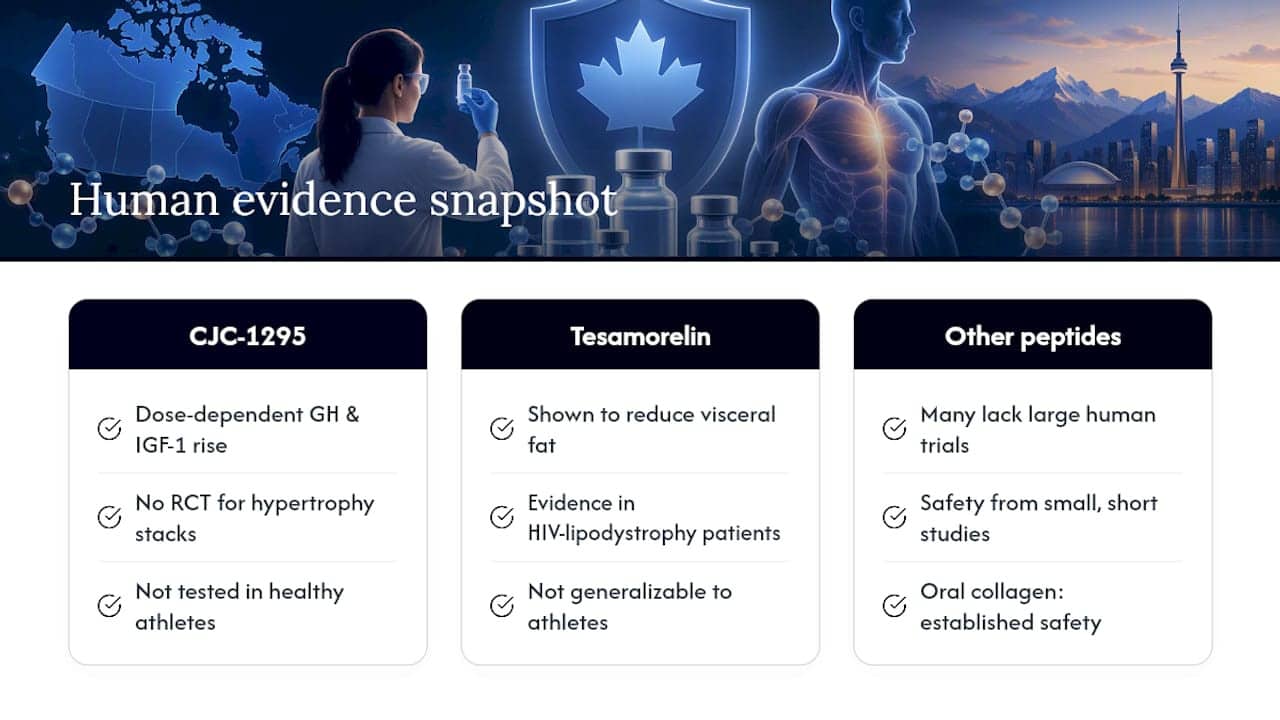
Early human trials found that CJC-1295 produced dose-dependent increases in growth hormone and IGF-1, with the DAC-modified version sustaining that elevation for an extended period compared to shorter-acting analogues. That’s real, measured, human pharmacology data, and it’s the closest thing to solid ground in this entire category.
What it doesn’t show is muscle hypertrophy in trained, healthy adults using a combination stack. No large randomized controlled trial has tested CJC-1295 plus ipamorelin, or any similar combination, for muscle mass outcomes in bodybuilders or athletes. The mechanistic case for synergy is coherent, but mechanism and proven outcome are separate claims, and the gap between them is exactly where most bulking peptide stack marketing overstates what’s known.
Some related clinical work exists in specific patient populations. Tesamorelin, a GHRH analogue, has documented effects on visceral fat reduction in patients with HIV-associated lipodystrophy, and that data is genuinely useful for understanding GHRH pharmacology. But translating findings from a specific clinical population to healthy, trained athletes chasing hypertrophy is a stretch that a lot of enthusiast content glosses over.
Broader systematic reviews of bodybuilding-oriented peptides reach a consistent conclusion: many popular compounds lack large human trials altogether, with safety data drawn from small samples and short follow-up periods. That’s not a reason to dismiss the biology outright. It’s a reason to treat most of what circulates online as informed speculation rather than settled science, and to weigh that gap seriously against the legal risk of sourcing unauthorized injectables.
Oral collagen peptides sit in a different evidence category entirely, with a more established safety and bioavailability profile precisely because they don’t carry the same immunogenicity and contamination risks as injectables. That’s worth remembering when a bulking peptide stack conversation defaults straight to injectable options as if they’re the only tools on the table.
How should you approach this with a clinician?
A structured pre-use checklist turns a vague “should I try this” conversation into something a clinician can actually act on. Bring baseline labs and a clear list of what you’re considering, not just a general interest in peptides.
- Get baseline labs first. Fasting glucose or HbA1c, a lipid panel, liver function tests, renal function, IGF-1, and reproductive hormone levels where relevant all give you and your clinician a starting point to compare against.
- Set a monitoring cadence. Clinicians typically recheck IGF-1, glucose, and liver enzymes on a periodic basis once a protocol starts, watching specifically for hyperglycaemia or abnormal liver function as stopping thresholds.
- Document product authorization. Ask for the Drug Identification Number or Natural Product Number on anything prescribed, and request a certificate of analysis for purity and contaminant testing on any peptide product you’re considering.
- Define stopping rules in advance. Agree with your clinician on specific red flags, abnormal bloodwork, injection-site infection signs, unexpected symptoms, that trigger immediate discontinuation rather than a wait-and-see approach.
Pro Tip: Bring this checklist to your appointment as a written brief rather than a verbal question. Clinicians can engage with specifics far more usefully than with “I’ve been reading about peptides online.”
Pure Peptide’s take on evidence, purity, and clinician oversight
The gap between what bulking peptide stacks promise online and what’s actually proven in humans is wider than most marketing admits, and we think that gap is exactly why sourcing and oversight matter more than compound selection. A peptide can only perform as well as its purity allows, which is why Pure Peptide formulates to exceed 99% purity and backs that with third-party certificates of analysis on its products.
Purity doesn’t replace medical judgment, though. We built this guide as something you can bring to a clinician rather than a substitute for one, because the honest answer to “which stack should I use” depends on your bloodwork, your training history, and your risk tolerance, not a generic recommendation. Authorized sourcing and a documented conversation with a licensed practitioner remain the two non-negotiables before anything injectable enters the picture.
— Pure Peptide
Where Pure Peptide fits once you’ve talked to a clinician
Once you and your clinician have settled on a direction, product quality becomes the next variable that actually matters. Pure Peptide supplies muscle-growth and recovery peptides formulated to exceed 99% purity, along with the ancillaries, bacteriostatic water, syringes, and alcohol pads, needed to handle them correctly at home. Every product line ships with third-party certificate-of-analysis backing, so you’re not guessing at what’s actually in the vial the way you would be with an unauthorized online seller.
If your clinician has flagged connective-tissue support as part of the plan, our recovery peptide category covers that range directly. Browse the full product catalogue to see purity documentation and category breakdowns before your next appointment, and bring the certificate of analysis with you so your clinician can review exactly what you’re proposing to use.
Sources
Check any peptide-related claim against a primary source rather than a forum post or a seller’s product page.
- Unauthorized injectable peptide drugs seized and sold by Canada Peptide may pose serious health risks – Canada.ca
- PubMed: Teichman study on CJC-1295 human pharmacology
This article is general information, not a substitute for advice from a qualified doctor. Consult a qualified healthcare professional about your own circumstances before acting on anything here.
FAQ
What is the best peptide stack for bulking muscle?
There’s no single “best” stack with human trial evidence behind it. CJC-1295 paired with ipamorelin is the most commonly discussed combination based on mechanistic GH-axis synergy, but no large randomized trial has tested that specific pairing for muscle mass outcomes, so any decision belongs in a supervised, clinician-guided context.
What peptides should not be stacked together?
Avoid layering multiple potent GH stimulators with exogenous anabolic hormones, since that combination compounds metabolic strain on glucose and lipid levels. GH-axis peptides also interact poorly with diabetes medications and anticoagulants, and pre-mixed products from multi-vendor sellers with no batch testing carry unpredictable contamination risk.
What is the strongest peptide to build muscle?
No single peptide has strong, large-scale human evidence for building muscle in healthy, trained adults. CJC-1295 has the best-documented human pharmacology data for raising GH and IGF-1 levels, but that’s a hormonal marker, not a proven hypertrophy outcome, and injectable use in Canada requires an authorized product and clinician oversight.
Does CJC-1295 increase muscle mass?
CJC-1295 reliably raises GH and IGF-1 levels in human pharmacology trials, and IGF-1 is mechanistically linked to muscle growth pathways. Direct evidence that it increases muscle mass in trained, healthy adults is limited, since no large controlled trial has tested that specific outcome in that population.
Are bulking peptide stacks legal to buy online in Canada?
Injectable peptides are regulated as prescription drugs in Canada, and only products carrying a Drug Identification Number or Natural Product Number are authorized. Health Canada has seized unauthorized injectable peptides sold by online retailers, so buying without proper authorization carries both legal and safety risk.