

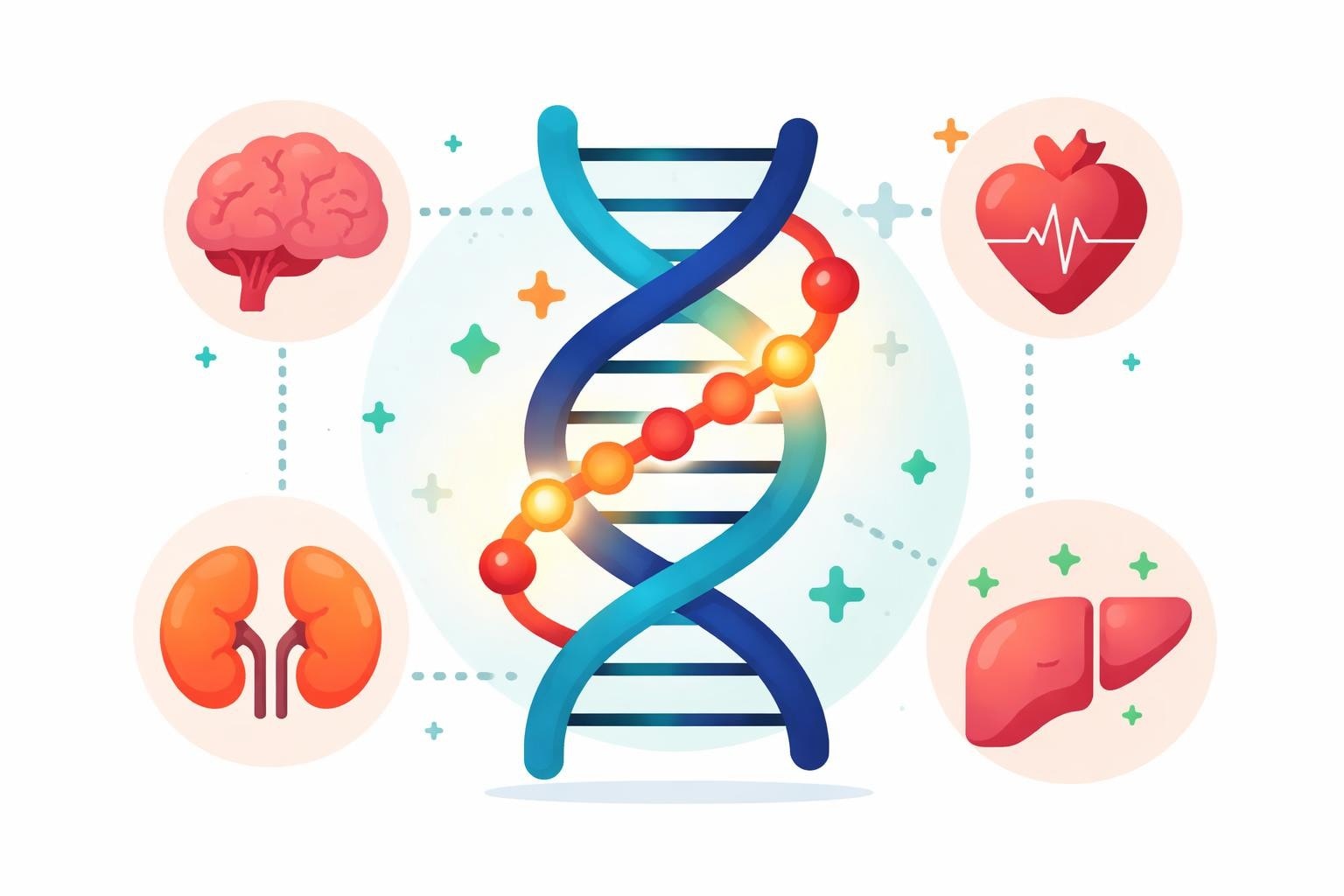
Peptide bioregulators represent a groundbreaking class of short-chain amino acid compounds that have captured the attention of researchers and health optimization enthusiasts worldwide. These naturally occurring molecules play a crucial role in cellular regulation, tissue repair, and age-related decline prevention. Unlike conventional peptides that primarily signal cellular responses, bioregulators work at the genetic level, influencing DNA transcription and protein synthesis to restore optimal cellular function. As scientific understanding of these compounds expands in 2026, their applications in regenerative medicine, anti-aging protocols, and targeted organ support continue to demonstrate remarkable potential for those seeking evidence-based approaches to longevity and wellness.
Understanding the Mechanism of Peptide Bioregulators
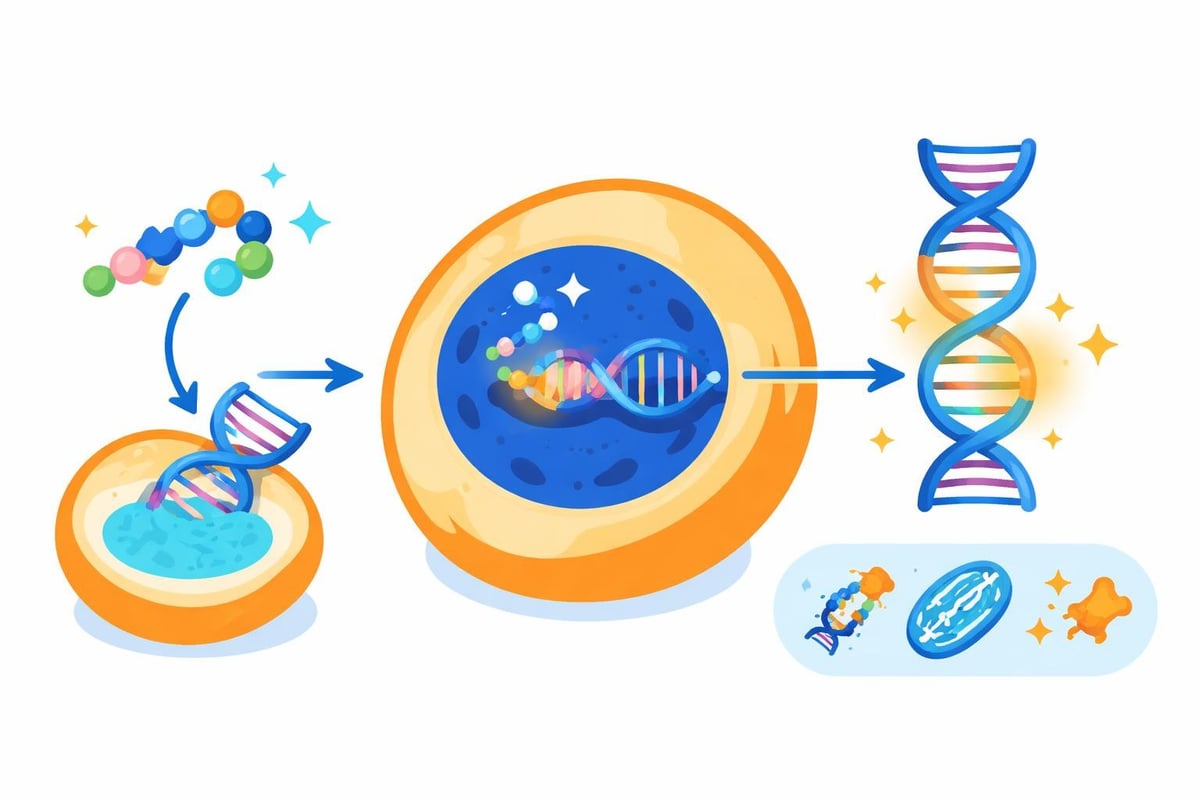
Peptide bioregulators function through a unique mechanism that distinguishes them from traditional therapeutic peptides. These short-chain molecules, typically consisting of two to four amino acids, penetrate cell nuclei and bind directly to specific DNA regions. This binding action activates gene expression, promoting the production of proteins essential for cellular repair and regeneration.
The specificity of bioregulators sets them apart from broader-acting supplements. Each bioregulator demonstrates affinity for particular tissues or organs, matching the peptide composition found naturally in those biological structures. This targeted approach enables precise therapeutic intervention without affecting unrelated systems.
Research indicates that peptide bioregulators as geroprotectors demonstrate significant effectiveness in preventing age-related pathologies in laboratory models. The mechanism involves epigenetic regulation, where these compounds influence how genes are expressed without altering the underlying DNA sequence itself.
Epigenetic Influence and Gene Expression
Recent studies have illuminated how peptide bioregulators affect epigenetic modifications in aged chromatin structures. This process involves:
- DNA methylation patterns that control gene accessibility
- Histone modifications affecting chromatin structure
- Transcription factor activation promoting cellular renewal
- Protein synthesis regulation supporting tissue maintenance
The epigenetic influence explains why bioregulators can produce sustained benefits even after discontinuation. By resetting gene expression patterns to more youthful states, these peptides create lasting cellular improvements that extend beyond their active presence in the body.
Organ-Specific Applications and Clinical Evidence
The tissue-selective nature of peptide bioregulators enables targeted therapeutic applications across multiple physiological systems. Each bioregulator corresponds to specific organs, offering precision that conventional supplements cannot match.
| Organ System | Primary Bioregulators | Key Applications |
|---|---|---|
| Cardiovascular | Heart-derived peptides | Cardiac muscle support, vascular health |
| Nervous System | Brain tissue peptides | Cognitive function, neuroprotection |
| Endocrine | Thyroid, pancreas peptides | Metabolic regulation, hormonal balance |
| Musculoskeletal | Cartilage, bone peptides | Joint health, bone density maintenance |
| Integumentary | Skin tissue peptides | Dermal regeneration, collagen production |
Neuroprotective Properties and Cognitive Support
The application of bioregulators for neurological health has gained substantial research attention. Studies examining retinalamin in open-angle glaucoma demonstrate how tissue-specific peptides protect neural structures from degenerative processes. Visual system peptides show promise in maintaining optic nerve health and preventing age-related vision decline.
Beyond ocular health, brain-specific bioregulators address cognitive decline and neurodegenerative concerns. Clinical observations suggest improvements in memory consolidation, processing speed, and overall mental clarity among older adults using these targeted peptides.
Mental health applications also show promise. Research on peptide bioregulators for psycho-emotional disorders in elderly populations indicates beneficial effects on mood regulation, stress resilience, and emotional stability. These findings suggest bioregulators may offer alternatives to conventional psychotropic medications for age-related mental health challenges.
Dermatological Benefits and Skin Regeneration
The integumentary system responds particularly well to bioregulator therapy. Studies on facial skin structural characteristics in elderly women reveal significant improvements in dermal architecture, collagen density, and elastic fiber organization following bioregulator treatment.
Skin-specific peptides support multiple regenerative processes:
- Collagen synthesis activation improving firmness and elasticity
- Fibroblast proliferation enhancing tissue repair capacity
- Moisture retention through improved hyaluronic acid production
- Pigmentation regulation reducing age spots and uneven tone
- Dermal thickness increase counteracting age-related thinning
These dermatological applications make bioregulators valuable for those seeking evidence-based anti-aging interventions beyond cosmetic approaches.
Stress Adaptation and Environmental Resilience
Beyond tissue-specific regeneration, peptide bioregulators enhance the body's capacity to withstand environmental stressors. This adaptogenic quality distinguishes them from simple nutritional supplements or hormone replacement therapies.
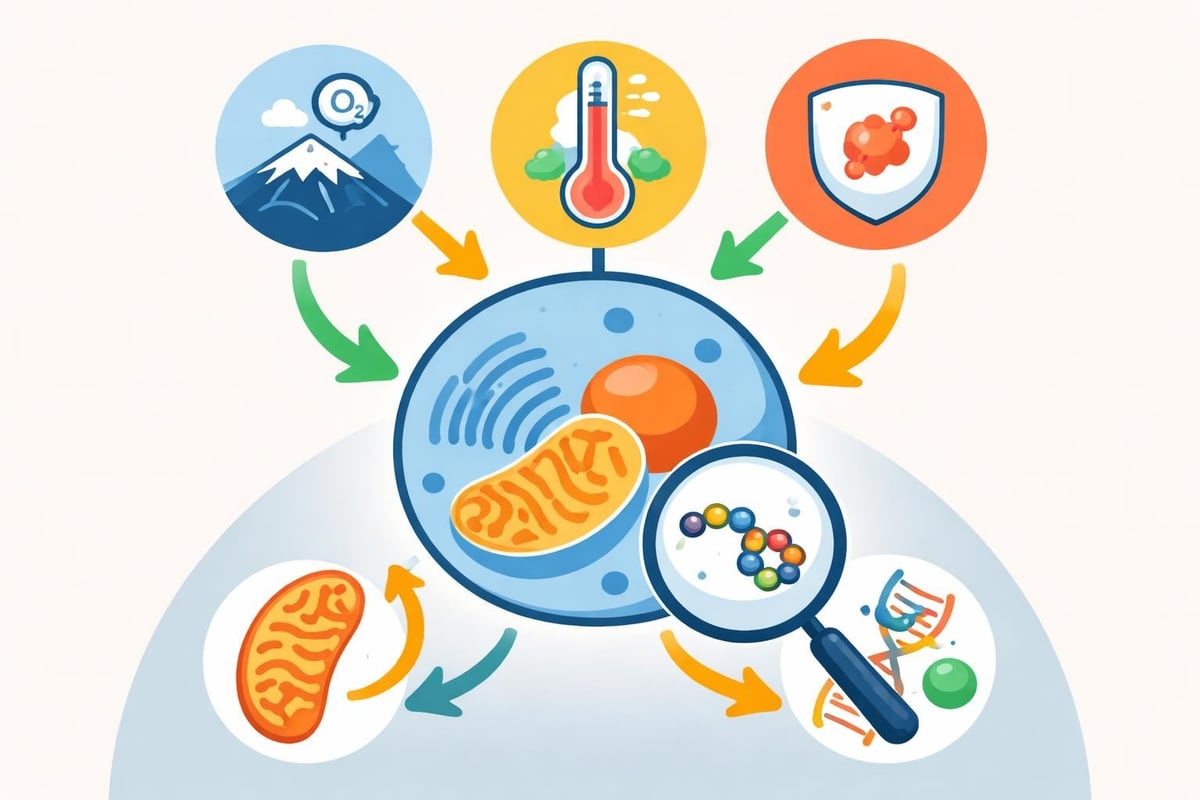
Research examining resistance to adverse environmental factors demonstrates that bioregulators improve physiological responses to hypoxia, temperature extremes, and oxidative stress. This adaptation occurs through multiple pathways including enhanced cellular energy production, improved antioxidant enzyme activity, and optimized stress protein expression.
The stress-protective mechanisms include:
- Enhanced mitochondrial efficiency under metabolic demands
- Improved oxygen utilization during physical exertion
- Greater thermal regulation capacity in extreme environments
- Accelerated recovery from physical and mental stressors
Athletes and individuals engaged in demanding physical activities may find particular value in bioregulators that support cardiovascular and muscular systems. These peptides can complement performance optimization strategies while supporting recovery and injury prevention.
Longevity Applications and Age-Related Disease Prevention
The geroprotective properties of peptide bioregulators position them as valuable tools in longevity medicine. Unlike interventions that merely mask symptoms of aging, bioregulators address fundamental cellular processes that deteriorate with advancing years.
Lifespan Extension Research
Animal studies provide compelling evidence for lifespan extension potential. Laboratory research shows bioregulator supplementation extends both average and maximum lifespan in multiple species. These effects correlate with reduced incidence of age-related pathologies including cardiovascular disease, metabolic disorders, and cognitive decline.
Research on lifespan and hemostasis changes reveals that bioregulators influence blood clotting mechanisms that typically become dysregulated with age. Maintaining optimal hemostatic balance reduces cardiovascular event risk while preventing excessive clotting or bleeding tendencies.
Multi-System Age Prevention Strategy
Effective longevity protocols often incorporate multiple bioregulators targeting different organ systems. This comprehensive approach addresses the multi-factorial nature of aging:
| Aging Concern | Bioregulator Target | Preventive Mechanism |
|---|---|---|
| Cardiovascular decline | Heart, vascular tissue | Improved cardiac contractility, arterial elasticity |
| Cognitive deterioration | Brain tissue | Enhanced neuroplasticity, neurotransmitter balance |
| Metabolic dysfunction | Pancreas, liver | Insulin sensitivity, glucose regulation |
| Immune senescence | Thymus gland | T-cell production, immune surveillance |
| Bone density loss | Skeletal tissue | Osteoblast activity, calcium retention |
This multi-targeted strategy reflects the interconnected nature of biological aging. Comprehensive resources like peptide bioregulator mechanisms and research provide detailed information on selecting appropriate combinations for individual health goals.
Historical Development and Clinical Research Background
The development of peptide bioregulators emerged from decades of research in gerontology and regenerative medicine. Understanding this historical context provides perspective on their current applications and future potential.
Soviet-era research laid the foundation for modern bioregulator science. Scientists investigating tissue extracts discovered that specific peptide fractions demonstrated remarkable tissue-regenerative properties. This research continued through multiple decades, accumulating clinical data across diverse patient populations.
The history and applications in Russian medicine traces how these compounds evolved from experimental treatments to established therapeutic protocols. Clinical experience accumulated across millions of patient-years provides substantial real-world evidence supporting safety and efficacy.
Modern Research Directions
Contemporary research in 2026 focuses on several key areas:
- Molecular mechanism elucidation through genomic and proteomic analysis
- Optimal dosing protocols for different age groups and conditions
- Combination therapies with other longevity interventions
- Biomarker identification for monitoring treatment response
- Synthesis optimization improving purity and cost-effectiveness
Advanced purification methods now enable production of bioregulators meeting pharmaceutical-grade standards. Companies like Pure Peptide employ sophisticated quality control measures ensuring consistent potency and minimal contaminants.
Practical Integration into Health Optimization Protocols
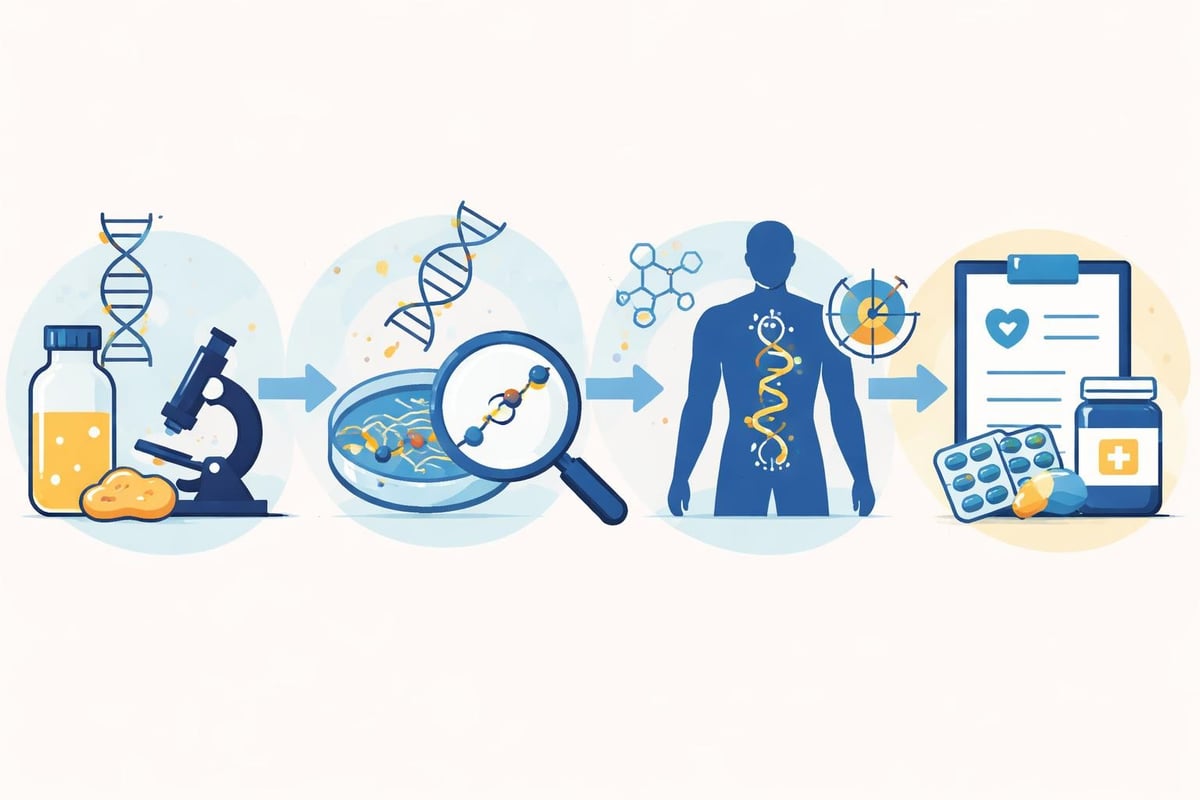
Successfully incorporating peptide bioregulators into wellness regimens requires understanding proper administration, timing, and realistic expectations. These compounds work best as part of comprehensive health strategies rather than standalone interventions.
Administration Guidelines and Protocols
Bioregulators typically follow cyclical administration patterns rather than continuous supplementation. Common protocols include:
- Monthly cycles with 10-20 day administration periods followed by rest phases
- Seasonal interventions aligned with periods of increased physiological demand
- Age-adjusted frequencies with more frequent cycles for older individuals
- Targeted protocols addressing specific health concerns or recovery needs
Sublingual administration offers advantages for bioregulator delivery. This route bypasses first-pass hepatic metabolism, allowing direct systemic absorption. Alternative delivery methods include intramuscular injection and topical application for dermatological targets.
Combining Bioregulators with Other Interventions
Peptide bioregulators complement rather than replace fundamental health practices. Optimal results occur when combined with:
- Evidence-based nutritional strategies supporting cellular function
- Regular physical activity appropriate to individual capacity
- Stress management techniques reducing chronic cortisol elevation
- Sleep optimization protocols ensuring adequate recovery time
- Other peptide therapies addressing complementary physiological pathways
Those exploring marine peptides for collagen support may find synergistic benefits when combined with skin-specific bioregulators. This combination addresses both substrate availability and cellular utilization capacity.
Setting Realistic Expectations
Bioregulators produce gradual, cumulative benefits rather than immediate dramatic changes. Typical response timelines include:
- 2-4 weeks: Initial subtle improvements in energy and recovery
- 1-3 months: Noticeable changes in targeted tissue function
- 3-6 months: Measurable biomarker improvements and physical changes
- 6-12 months: Sustained enhancement of overall physiological resilience
Individual response varies based on age, baseline health status, lifestyle factors, and genetic variations. Older individuals or those with significant tissue deterioration may require longer intervention periods before experiencing substantial benefits.
Safety Considerations and Quality Standards
The safety profile of peptide bioregulators generally proves favorable when sourced from reputable manufacturers and used according to established protocols. Understanding potential concerns enables informed decision-making.
Purity and Contamination Prevention
Quality varies significantly across peptide suppliers. Critical quality factors include:
| Quality Parameter | Importance | Testing Method |
|---|---|---|
| Peptide purity | Ensures therapeutic effect, minimizes reactions | HPLC analysis |
| Endotoxin levels | Prevents inflammatory responses | LAL testing |
| Sterility | Eliminates infection risk | USP sterility testing |
| Amino acid sequence | Confirms correct bioregulator identity | Mass spectrometry |
| Formulation stability | Maintains potency during storage | Stability testing |
Reputable suppliers provide certificates of analysis documenting these quality parameters. Advanced purification methods eliminate most potential contaminants while preserving bioactive peptide structure.
Individual Considerations and Contraindications
Most individuals tolerate bioregulators well, though certain populations require additional caution:
- Pregnant or nursing women should avoid bioregulators due to limited safety data
- Individuals with active cancers may need to avoid certain growth-promoting peptides
- Autoimmune conditions may require careful selection to avoid immune stimulation
- Those on immunosuppressive medications should consult healthcare providers
Starting with conservative dosing and monitoring response allows identification of individual sensitivity. Gradually increasing to recommended levels minimizes potential adverse reactions while establishing optimal therapeutic ranges.
Future Directions and Emerging Applications
The field of peptide bioregulator research continues advancing rapidly as analytical techniques improve and clinical data accumulates. Several promising directions emerged in recent years that may expand applications further.
Personalized bioregulator protocols based on genetic profiling represent an exciting frontier. As understanding of individual genetic variations affecting peptide response grows, customized formulations may optimize results while minimizing trial-and-error approaches.
Combination products pairing multiple organ-specific bioregulators address the interconnected nature of physiological systems. These formulations acknowledge that aging affects multiple tissues simultaneously, requiring comprehensive rather than isolated interventions.
Enhanced delivery systems improving bioavailability and targeting precision continue development. Nanotechnology applications, transdermal patches, and extended-release formulations may simplify administration while improving therapeutic outcomes.
The integration of bioregulators with other longevity interventions including senolytic compounds, NAD+ precursors, and mitochondrial support nutrients creates synergistic protocols addressing aging through multiple complementary pathways. Those interested in comprehensive approaches can explore available options through resources like the Pure Peptide shop.
Research into novel bioregulators from previously unexplored tissues continues identifying new therapeutic targets. Marine organism peptides, plant-derived bioregulators, and synthetic analogs with enhanced stability all show promise for expanding the therapeutic toolkit.
Peptide bioregulators offer a scientifically grounded approach to cellular regeneration, age-related decline prevention, and organ-specific support through their unique mechanism of influencing gene expression and protein synthesis. Their tissue-selective action and favorable safety profile make them valuable additions to comprehensive health optimization strategies. If you're ready to explore how premium-quality peptides can support your wellness goals, Pure Peptide provides rigorously tested bioregulators and other therapeutic peptides backed by stringent quality control standards and advanced purification methods.