

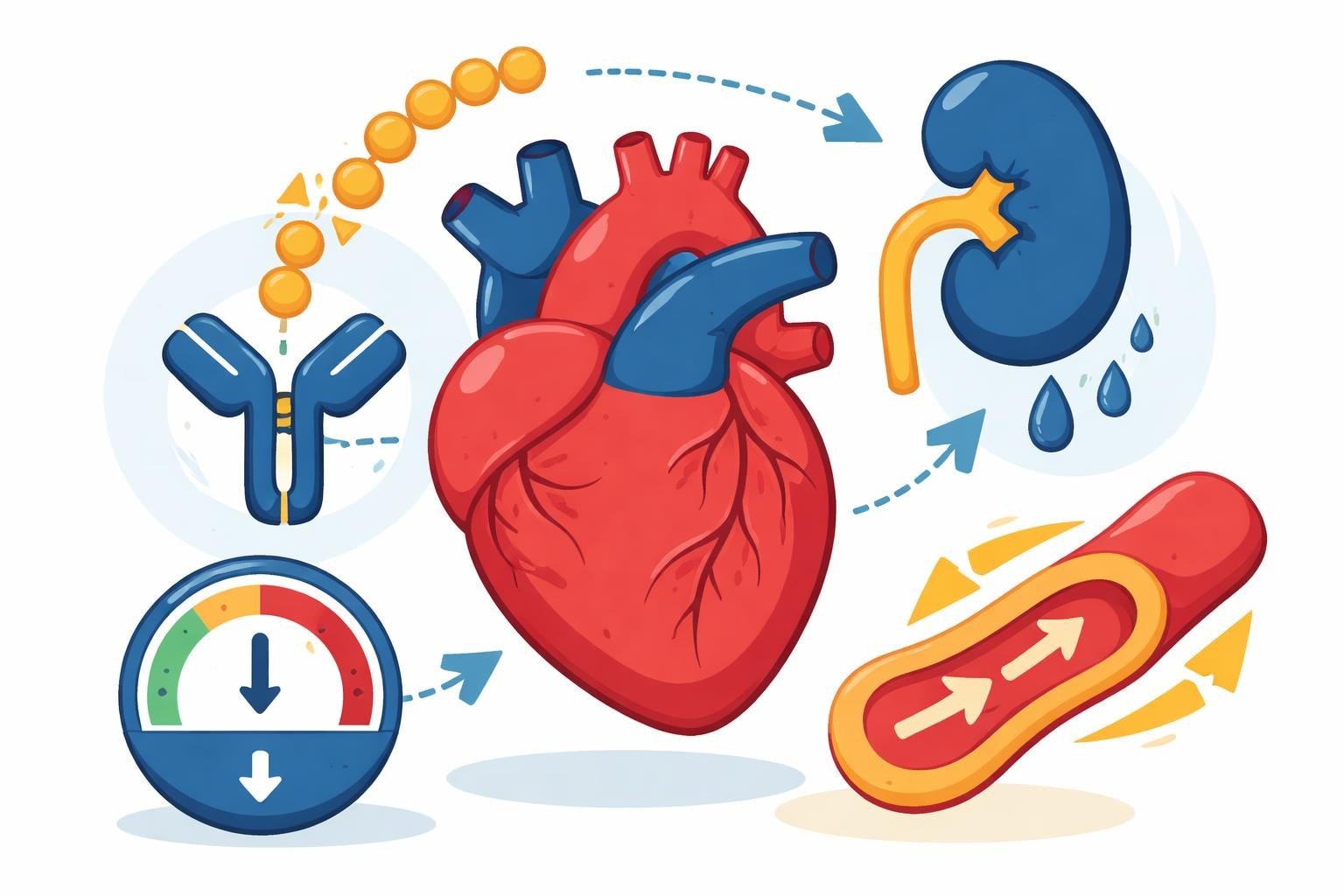
Atrial natriuretic peptide represents one of the most important regulatory molecules in human cardiovascular physiology. This naturally occurring hormone, synthesized primarily in the heart's atrial chambers, plays a fundamental role in maintaining blood pressure homeostasis, regulating fluid balance, and protecting against cardiovascular disease. As research continues to uncover the complex mechanisms behind anp peptide function, scientists and clinicians are discovering new therapeutic applications that extend far beyond its traditional cardiovascular roles. Understanding how this peptide works at the molecular level provides valuable insights into both normal physiology and potential treatment strategies for various conditions.
Understanding ANP Peptide Structure and Synthesis
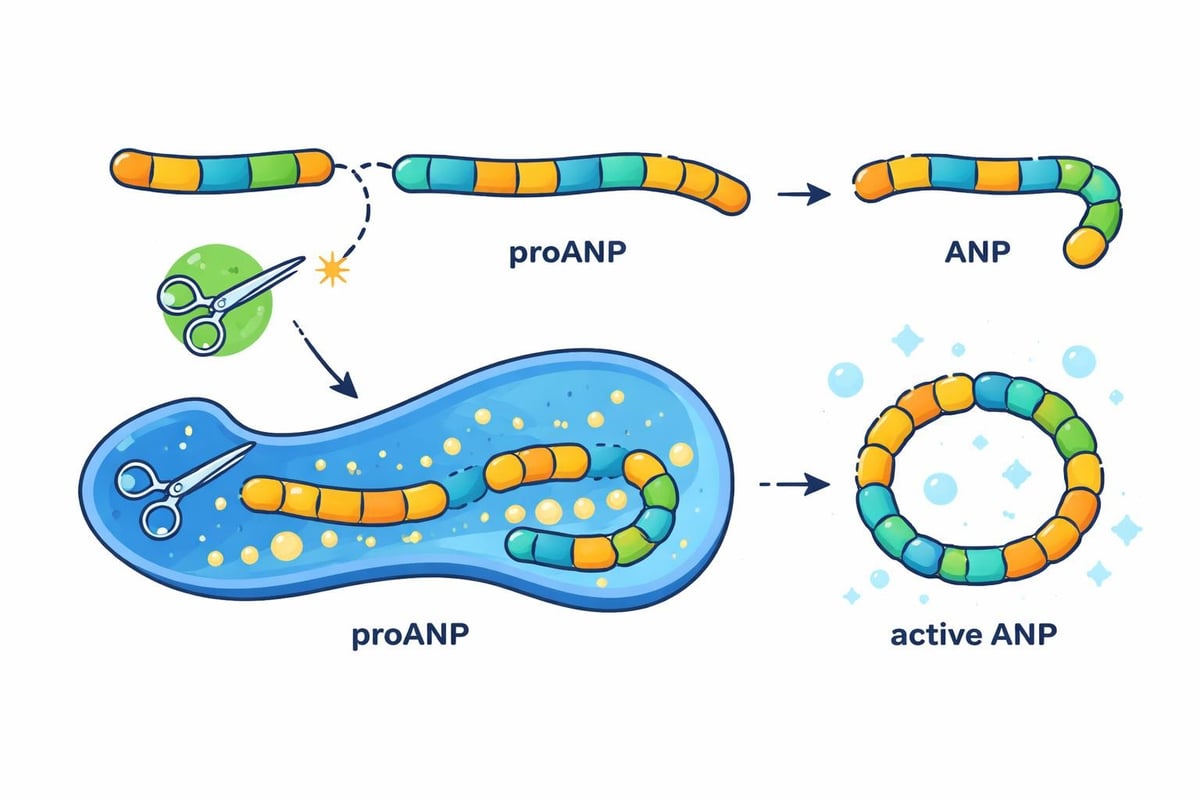
The anp peptide belongs to a family of natriuretic peptides that includes B-type natriuretic peptide (BNP) and C-type natriuretic peptide. Synthesized primarily in the atrial cardiomyocytes of the heart, ANP is initially produced as a 151-amino acid precursor called preproANP. This precursor undergoes enzymatic cleavage to form proANP, which is then stored in secretory granules within atrial cells.
When the heart experiences increased stretch or volume overload, these granules release proANP into circulation. The molecule undergoes further processing by corin, a cardiac serine protease, which cleaves it into the biologically active 28-amino acid anp peptide and an N-terminal fragment. This comprehensive overview of ANP’s structure and function highlights the sophisticated mechanisms governing its production and release.
Post-Translational Modifications
Recent research has revealed that anp peptide undergoes important post-translational modifications that influence its activity. Studies have shown that O-glycans on ANP affect both its degradation and receptor potency, adding another layer of regulatory control. These modifications can alter the peptide's half-life in circulation and its effectiveness at binding to target receptors.
The glycosylation patterns may vary depending on physiological conditions, potentially explaining differences in ANP activity across various disease states. This discovery has opened new avenues for developing modified ANP analogs with enhanced therapeutic properties.
Physiological Functions and Mechanisms of Action
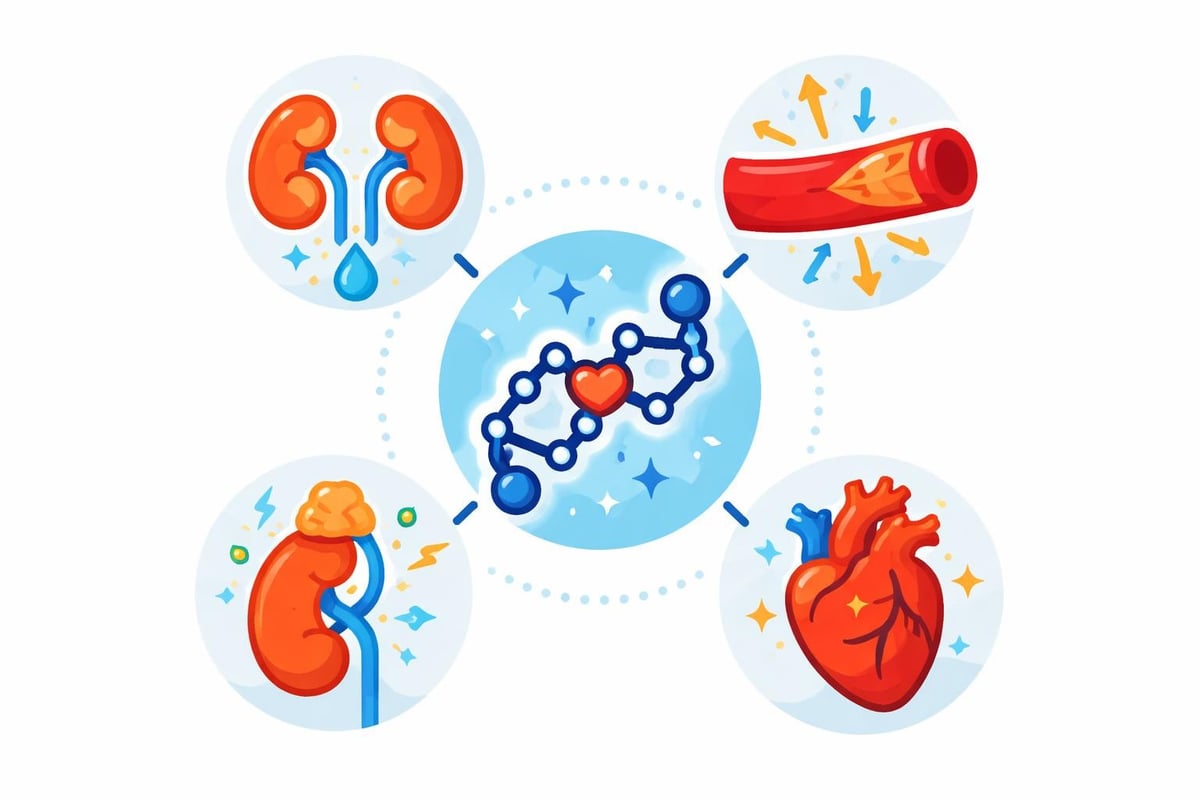
The anp peptide exerts its effects primarily through binding to natriuretic peptide receptor A (NPR-A), also known as guanylyl cyclase-A. This receptor is widely distributed throughout the body, with high concentrations in the kidneys, adrenal glands, and blood vessels. Upon ANP binding, NPR-A undergoes conformational changes that activate its intracellular guanylyl cyclase domain, leading to increased production of cyclic guanosine monophosphate (cGMP).
The cGMP serves as a second messenger, triggering multiple downstream effects:
- Natriuresis and diuresis: Enhanced sodium and water excretion by the kidneys
- Vasodilation: Relaxation of vascular smooth muscle cells
- Renin-angiotensin-aldosterone system (RAAS) suppression: Reduced aldosterone secretion and renin release
- Sympathetic nervous system inhibition: Decreased sympathetic outflow
These combined actions work synergistically to reduce blood volume and vascular resistance, ultimately lowering blood pressure and reducing cardiac workload.
Receptor Signaling Complexity
The interaction between anp peptide and its receptor involves sophisticated molecular mechanisms. Research exploring natriuretic peptide receptor A isoforms has revealed that different receptor variants can fine-tune cGMP production in tissue-specific ways. This discovery suggests that ANP signaling is more nuanced than previously understood, with potential implications for targeted therapeutic interventions.
Additionally, a separate clearance receptor (NPR-C) binds ANP but does not generate cGMP signals. Instead, it removes the peptide from circulation, helping regulate its plasma concentrations and duration of action.
Cardiovascular Benefits and Therapeutic Applications
The anp peptide demonstrates remarkable protective effects on the cardiovascular system beyond simple blood pressure regulation. In heart failure, endogenous ANP levels rise in response to increased cardiac stretch, representing the body's natural attempt to compensate for hemodynamic stress. This compensatory mechanism has inspired therapeutic strategies aimed at augmenting ANP activity.
Blood Pressure Management
For individuals with hypertension, the anp peptide offers multiple mechanisms for blood pressure reduction. Studies on M-atrial natriuretic peptide as antihypertensive therapy have demonstrated that modified ANP variants can provide enhanced blood pressure-lowering effects compared to native peptide. These engineered versions often feature improved stability and prolonged circulation time.
| ANP Effect | Mechanism | Cardiovascular Impact |
|---|---|---|
| Vasodilation | cGMP-mediated smooth muscle relaxation | Reduced vascular resistance |
| Natriuresis | Increased glomerular filtration, reduced sodium reabsorption | Decreased blood volume |
| RAAS inhibition | Suppressed aldosterone and renin | Lower sodium retention |
| Anti-fibrotic | Reduced collagen deposition | Prevention of cardiac remodeling |
The anti-fibrotic properties deserve special attention. Cardiac fibrosis contributes significantly to heart failure progression, and anp peptide has shown promise in reducing excessive collagen accumulation in cardiac tissue. This protective effect helps maintain cardiac compliance and prevents pathological remodeling.
Heart Failure Treatment
In acute decompensated heart failure, synthetic ANP (carperitide in some countries) has been used clinically to reduce cardiac preload and afterload. The peptide's ability to promote rapid diuresis without activating neurohormonal systems makes it particularly valuable in managing volume overload.
Beyond Cardiovascular Health: Emerging Applications
While cardiovascular effects remain the primary focus, research continues to uncover diverse roles for anp peptide throughout the body. These discoveries suggest broader therapeutic potential than initially recognized.
Pulmonary Protection
The respiratory system represents an exciting frontier for ANP research. Studies examining ANP’s protective role against pulmonary fibrosis have demonstrated that the peptide can mitigate lung injury through effects on vascular endothelial cells. This protective mechanism involves reducing inflammation and preventing excessive collagen deposition in lung tissue.
For individuals with chronic lung conditions or those at risk of pulmonary fibrosis, these findings suggest potential preventive or therapeutic applications. The anti-inflammatory properties of anp peptide may help maintain healthy lung architecture and function.
Metabolic Effects
The anp peptide influences metabolic processes in ways that extend beyond fluid balance. Research indicates that ANP can promote lipolysis in adipose tissue and increase fat oxidation. This metabolic activation occurs through cGMP-dependent pathways that enhance mitochondrial function and energy expenditure.
These metabolic effects have generated interest in ANP's potential role in weight management and metabolic health. The peptide appears to favor the conversion of white adipose tissue to metabolically active brown adipose tissue, which burns calories to generate heat.
Renal Function Enhancement
Beyond promoting sodium excretion, anp peptide protects kidney function through multiple mechanisms. The peptide increases glomerular filtration rate while simultaneously reducing tubular sodium reabsorption. This dual action improves kidney efficiency without causing harmful increases in filtration pressure.
- Glomerular effects: Dilation of afferent arterioles and constriction of efferent arterioles
- Tubular actions: Inhibition of sodium channels in collecting ducts
- Hormonal modulation: Suppression of aldosterone-mediated sodium retention
- Hemodynamic optimization: Improved renal blood flow distribution
For individuals with chronic kidney disease or those at risk of renal dysfunction, maintaining optimal ANP activity may help preserve kidney function over time. Those interested in understanding how different peptides support various physiological functions can explore options at Pure Peptide.
Factors Affecting ANP Peptide Levels
Numerous physiological and pathological conditions influence anp peptide production and activity. Understanding these factors helps optimize therapeutic strategies and predict peptide responses.
Stimuli for ANP Release
Primary triggers:
- Atrial stretch from increased blood volume
- Elevated blood pressure
- Increased heart rate
- Exercise and physical activity
- High sodium intake
Hormonal influences:
- Angiotensin II stimulates ANP release
- Endothelin promotes ANP secretion
- Vasopressin enhances ANP production
The body's ANP production responds dynamically to changing hemodynamic conditions. During exercise, for example, anp peptide levels can increase several-fold to accommodate the cardiovascular demands of physical activity.
Factors Reducing ANP Activity
Several conditions can impair ANP function or reduce its effectiveness. Obesity is associated with decreased ANP levels relative to body size, potentially contributing to increased cardiovascular risk. Additionally, certain medications like nonsteroidal anti-inflammatory drugs (NSAIDs) may blunt ANP's natriuretic effects.
Aging also affects the ANP system, with older adults sometimes showing reduced responsiveness to the peptide despite maintaining normal or elevated circulating levels. This phenomenon, termed "ANP resistance," may contribute to age-related cardiovascular changes.
Clinical Measurement and Diagnostic Applications
Measuring anp peptide levels provides valuable diagnostic and prognostic information in various clinical settings. While BNP and its precursor NT-proBNP are more commonly used for heart failure diagnosis, ANP measurement offers unique insights in specific situations.
Laboratory Testing Considerations
ANP has a relatively short half-life in circulation, typically ranging from 2 to 5 minutes. This rapid clearance occurs through receptor-mediated uptake and enzymatic degradation by neutral endopeptidase. The short half-life makes timing of blood draws important for accurate measurement.
| Parameter | ANP | NT-proBNP |
|---|---|---|
| Half-life | 2-5 minutes | 60-120 minutes |
| Stability in samples | Lower | Higher |
| Reference range | 20-77 pg/mL | <125 pg/mL (age-dependent) |
| Primary indication | Research, acute assessment | Heart failure diagnosis |
Despite the preference for BNP in routine practice, anp peptide measurements remain valuable in research settings and for understanding natriuretic peptide physiology. Some specialized centers use ANP levels to guide therapy in specific patient populations.
Prognostic Value
Elevated anp peptide levels correlate with increased risk of adverse cardiovascular outcomes. In heart failure patients, persistently high ANP concentrations indicate ongoing hemodynamic stress and predict higher mortality rates. Monitoring ANP changes over time can help assess treatment response and disease progression.
For those seeking to optimize cardiovascular health through peptide supplementation, resources like the frequently asked questions section can provide guidance on appropriate applications and expectations.
Therapeutic Strategies and Future Developments
The clinical application of anp peptide and its analogs continues to evolve. Several approaches aim to harness the peptide's beneficial effects while overcoming limitations like short half-life and rapid degradation.
Current Therapeutic Approaches
Synthetic ANP administration:
- Carperitide (human ANP) used in acute heart failure in some countries
- Intravenous infusion required due to rapid degradation
- Effective for short-term hemodynamic support
Neutral endopeptidase inhibition:
- Prevents ANP breakdown, prolonging its activity
- Combined with RAAS inhibition in newer heart failure medications
- Enhances endogenous ANP effects without exogenous administration
The development of advanced natriuretic peptide therapies continues to progress, with researchers creating modified peptides that resist degradation while maintaining or enhancing biological activity.
Emerging Innovations
Scientists are developing novel anp peptide variants with improved pharmacological properties. These include:
- Extended-release formulations for prolonged action
- Chimeric peptides combining features of different natriuretic peptides
- Receptor-selective analogs targeting specific NPR subtypes
- Oral delivery systems to overcome the need for injection
Gene therapy approaches aim to increase endogenous ANP production in patients with deficient levels. These strategies could provide sustained elevation of the peptide without requiring repeated administrations.
Combination Therapies
The future of anp peptide therapeutics likely involves integration with other treatment modalities. Combining ANP-enhancing strategies with conventional cardiovascular medications may produce synergistic benefits. For example, pairing ANP analogs with beta-blockers or ACE inhibitors could provide comprehensive neurohormonal modulation.
Researchers are also exploring whether optimizing ANP activity can enhance the effectiveness of lifestyle interventions. The peptide's metabolic effects suggest it might complement dietary and exercise programs aimed at weight management and cardiovascular health improvement.
Safety Considerations and Contraindications
While anp peptide demonstrates excellent safety in physiological doses, therapeutic administration requires careful monitoring. Understanding potential adverse effects and contraindications ensures appropriate use.
Potential Adverse Effects
Common concerns with therapeutic ANP:
- Hypotension from excessive vasodilation
- Electrolyte imbalances, particularly hypokalemia
- Potential for excessive diuresis leading to dehydration
- Headache and dizziness in some patients
These effects typically occur with high doses or in sensitive individuals. Starting with conservative doses and gradually titrating upward helps minimize adverse reactions.
Contraindications and Precautions
Certain conditions warrant caution or avoidance of ANP-based therapies:
- Severe hypotension: Baseline low blood pressure may worsen
- Significant renal impairment: Altered clearance affects dosing
- Hypovolemia: Existing volume depletion may be exacerbated
- Cardiogenic shock: Risk of further hemodynamic compromise
Patients taking multiple blood pressure medications require especially careful monitoring when ANP therapies are introduced. The additive effects on blood pressure necessitate potential adjustment of existing regimens.
For individuals considering peptide-based approaches to health optimization, consulting with qualified healthcare providers ensures safe and effective use. Those interested in exploring peptide options can review available products through comprehensive peptide category listings.
Integration with Broader Peptide Strategies
The anp peptide represents just one member of a vast family of bioactive peptides with diverse physiological functions. Understanding how ANP fits within the broader peptide landscape helps optimize health strategies.
Complementary Peptide Systems
While ANP focuses primarily on cardiovascular and renal function, other peptides target different physiological systems. For example, growth hormone-releasing peptides stimulate anabolic processes, while certain marine-derived peptides offer unique bioactive properties. Exploring marine peptides and their applications reveals the diversity of peptide therapeutics.
The CNP peptide, another member of the natriuretic peptide family, primarily affects bone growth and vascular function. Understanding the relationships between CNP peptide and ANP provides insight into how different natriuretic peptides coordinate physiological responses.
Synergistic Applications
Combining anp peptide with other peptides may produce complementary benefits:
- With anti-aging peptides: Cardiovascular protection supporting overall longevity
- With metabolic peptides: Enhanced fat metabolism and energy regulation
- With recovery peptides: Improved tissue repair and inflammation management
This integrative approach recognizes that optimal health requires coordination across multiple physiological systems. Rather than viewing ANP in isolation, considering its interactions with other regulatory molecules provides a more complete picture.
The anp peptide stands as a cornerstone of cardiovascular regulation, with expanding applications across multiple organ systems. Its sophisticated mechanisms, from receptor activation to downstream signaling, illustrate the elegant complexity of human physiology. Whether you're seeking to support cardiovascular health, optimize metabolic function, or explore cutting-edge peptide research, understanding ANP's role provides valuable foundation. Pure Peptide offers premium quality peptides backed by rigorous purity standards and comprehensive quality control, supporting your journey toward enhanced health and performance through scientifically validated peptide solutions.