





If you are thinking about peptides after surgery, the sound way to do it is to bring your surgeon into the plan before the first dose, choose supplies with documented purity, and follow Canada’s rules for injectable products. Peptides such as BPC-157, TB-500 and GHK-Cu get the most attention for healing, and there is no universal start date. Your procedure, your medications and your surgeon’s instructions set the timing. At Pure Peptide, every product is backed by a third-party lab certificate of analysis, and our recovery range is built for people who take that preparation seriously.
TL;DR
- There is no standard answer to “how long after surgery can I start peptides”. Ask your surgeon or care team, because your wound, your medications and your procedure decide the timing.
- BPC-157, TB-500 and GHK-Cu are the peptides most often discussed for healing. Most of the published work on them so far is preclinical.
- In Canada, injectable peptides are regulated as drugs, and Health Canada has issued repeated warnings about unauthorized and contaminated products.
- Purity and sterility matter most after surgery, when your body is already healing. Look for a third-party certificate of analysis for the batch you buy.
- Tell every clinician involved in your care what you take, so nothing interacts with your recovery medications.
Table of Contents
- Why peptides come up during surgical recovery
- How long after surgery can you start?
- What Canadian rules say about peptides
- Safety after surgery: what changes
- Choosing quality: what a good source looks like
- Which goals people pair with surgery recovery
- A sensible plan for the weeks around your operation
- Where Pure Peptide fits
- Our perspective
- FAQ
- Sources
Why peptides come up during surgical recovery
Peptides are short chains of amino acids, the same building blocks that make up proteins. Your body already uses peptides as signals: insulin, which controls blood sugar, is a peptide. The ones that interest people recovering from surgery are researched for how they might influence tissue repair.
The names you will see most often:
- BPC-157, a synthetic fragment based on a protein found in gastric juice. A 2026 perioperative review of orthopaedic peptide therapies found it was the most represented agent in the literature, with experimental models pointing to activity involving new blood vessel growth, inflammation signalling and collagen remodelling.
- TB-500, a synthetic version of a fragment of thymosin beta-4, which is involved in cell movement and repair.
- GHK-Cu, a copper-binding peptide associated with skin and wound-healing research. A January 2026 review in Aesthetic Surgery Journal looked at regenerative peptides for wound healing and scar optimization, noting promising preclinical results and favourable safety profiles.
- Growth hormone secretagogues and IGF-1 analogs, which act on the growth hormone pathway and which the same perioperative review describes as biologically plausible for tissue repair.
If you want the background on each, our guides to peptides for healing, BPC-157 and peptides for tendon repair go deeper. Here the focus is the question you actually searched: how to approach peptides once you have had an operation.
How long after surgery can you start?
No published schedule says “start on day X” for peptides, and anyone who gives you one for every surgery is guessing. The honest answer is that timing depends on three things your surgical team knows and a website does not.
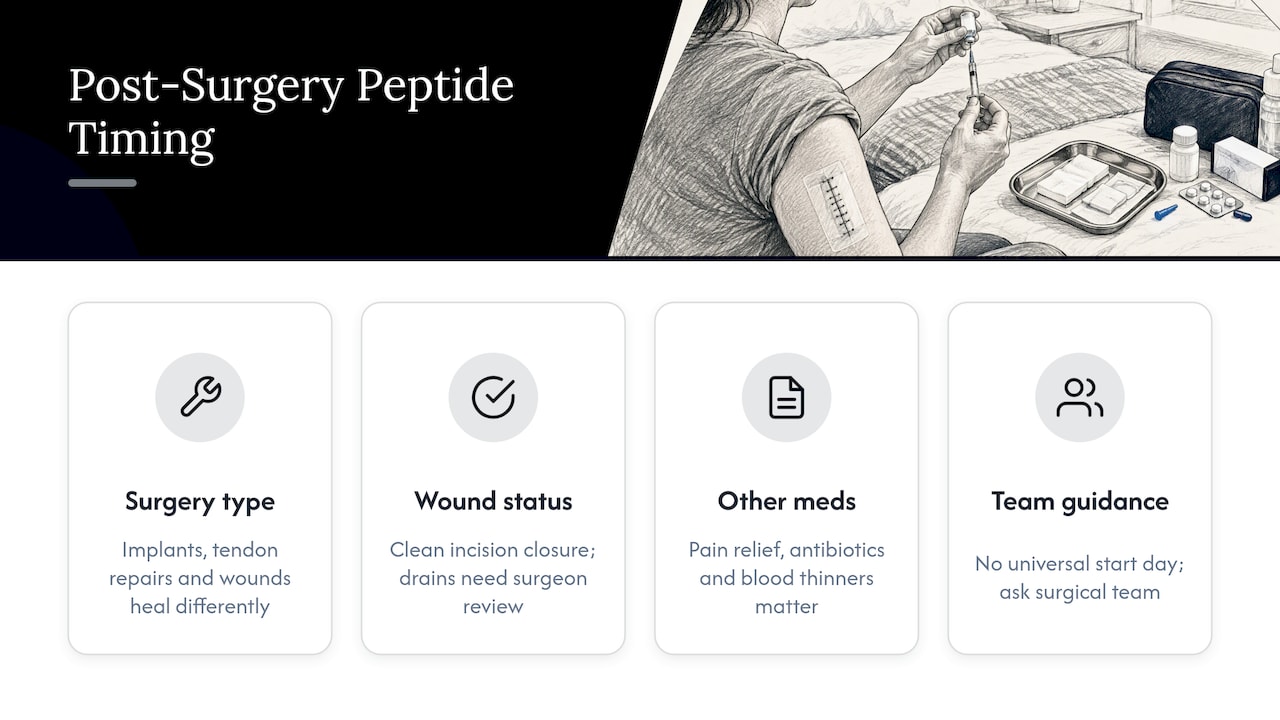
The type of surgery. A keyhole knee procedure, a tendon repair, a joint replacement and a cosmetic operation all heal differently. Some involve implants, some involve sutured tendon that must not be loaded early, some leave open or drained wounds.
Where you are in wound healing. Your surgeon wants to see the incision close cleanly. An injection site near a fresh surgical site, or any new injection while there is a drain, dressing or swelling to monitor, is a decision for the person who operated.
What else you are taking. Post-operative plans commonly include pain relief, antibiotics and sometimes blood thinners. Health Canada notes that health products can interact with medications, and that is the reason your care team needs the full list.
Health Canada’s guidance for anyone who uses or plans to use peptides is to speak to a health care provider and to avoid delaying medical care. Treat the surgeon’s follow-up appointment as the right moment to raise the question, ideally before the operation so the plan is in place on discharge day.
Questions to bring to your surgeon
Write these down and take them to your pre-operative or first follow-up visit:
- Is there any reason to wait until the incision has fully closed, or until a particular follow-up visit?
- Do my current medications, including blood thinners and anything for blood sugar, change what is safe for me?
- Are there any signs at the surgical site that should make me stop and call you straight away?
- Will you note what I am taking in my chart, so every clinician sees the same list?
- If I have a procedure with implants or hardware, is there anything specific to know?
A clear yes or no from your surgeon is worth more than any general guide, including this one.
What Canadian rules say about peptides
Peptides sit in a regulated space in Canada, and the rules are specific enough to be worth understanding before you buy.
Health Canada states that injectable peptides are always classified as drugs under the Food and Drug Regulations. Other peptide products may be drugs or natural health products, depending on what they are used for, what they contain and how they are taken. A drug is authorized only when the evidence supports its intended use, the benefits outweigh the risks and the risks can be managed.
The College of Physicians & Surgeons of Alberta adds that injectable peptides are regulated as prescription medications, and that even authorized injectable peptides should be used under the supervision of a qualified health professional for approved medical indications. The same college lists the peptide drugs Health Canada has authorized, including insulin, oxytocin, calcitonin, desmopressin, glucagon, octreotide, semaglutide and tirzepatide, in its Prescribing Companion for peptide drugs.
What this means in practice for you:
- Injecting is a medical-grade activity in Canada. Our page on peptide legality in Canada explains why an eight-digit DIN (drug identification number) matters for injectable products.
- Rules and advisories change. Health Canada published a safety alert on November 12, 2026 about unauthorized peptides, including contaminated injectable products, warning that injecting contaminated products can cause serious infections and, in severe cases, sepsis. Check Health Canada’s recalls and safety alerts page for the latest before you act.
- Our Canada peptide guide keeps the broader picture in one place.
Safety after surgery: what changes
Surgery changes the risk picture. You have a wound or an incision, your immune system is busy, and you may be on new medications. That is why the safety points below carry more weight than they would for someone who is simply training hard.
Sterility and purity
Health Canada warns that unauthorized peptide products may contain contaminants including solvents, heavy metals, particles and microbes, and that safety depends on manufacturing controls, ingredient quality and storage. The agency also lists infections, blood clots, allergic reactions, hormonal and blood sugar imbalances, and liver or kidney damage among the risks of unauthorized peptides.
The practical takeaway: after an operation, every variable you can control should be controlled. That means a reputable source, a batch-specific certificate of analysis from an independent lab, correct storage, and sterile handling supplies. A certificate tells you what is in the vial. It does not replace your clinician’s judgment about whether a product is right for you, which is why the surgeon conversation comes first.
Interactions and your medication list
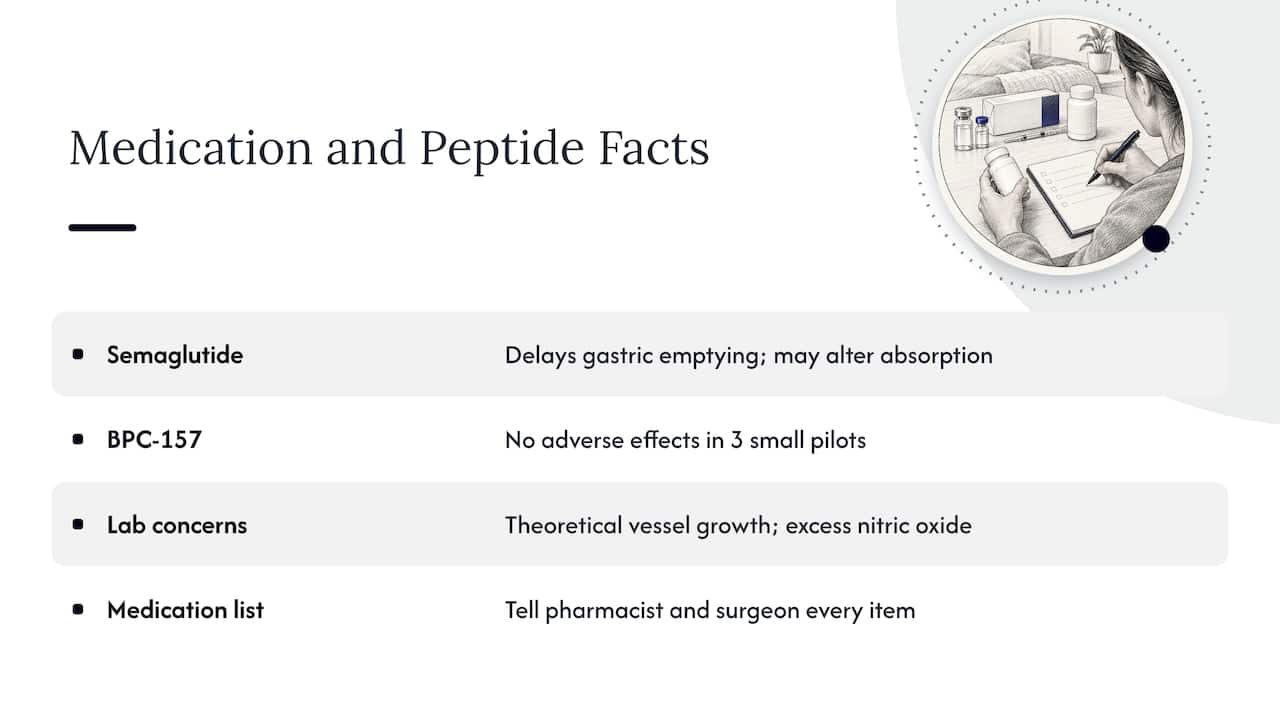
Peptides are not all alike, and neither are the medications around them. As one example, the Health Canada monograph for semaglutide says the drug delays gastric emptying and may influence absorption of oral medicines, even though clinical trials did not show clinically relevant interactions with the oral drugs tested. If you take a prescription peptide drug or any oral medication that must be absorbed on a schedule, your pharmacist and surgeon should know every item on your list.
A 2025 narrative review of BPC-157 reports that three small pilot studies in humans recorded no adverse effects, and it also lists theoretical concerns from laboratory work, including abnormal blood vessel growth and excess nitric oxide. Anyone with a history of cancer, or a condition where new blood vessel growth matters, should have that conversation with their specialist first.
Who should be especially careful
Check with your surgeon or physician before any peptide use if you are:
- Pregnant or breastfeeding.
- Living with cancer or a history of it.
- Managing diabetes or blood sugar problems, since Health Canada lists blood sugar imbalance among peptide risks.
- Taking blood thinners, given the listed risk of blood clots.
- Dealing with liver or kidney disease.
- Competing in tested sport. BPC-157 is prohibited by the World Anti-Doping Agency, as noted in a 2024 review in Arthroscopy, so athletes under anti-doping rules need to check before using it.
Warning signs after any injection
Redness spreading from a site, heat, pus, fever, new swelling or severe pain are reasons to contact your surgeon or go to urgent care the same day. Do not wait for the next scheduled visit. Health Canada says delaying medical care can put your health at risk.
Choosing quality: what a good source looks like
If you and your surgeon agree on a plan, the source of your supplies becomes the next decision. Here is what to look for.
| What to check | Why it matters after surgery |
|---|---|
| Third-party certificate of analysis for the batch | Shows the purity and identity of what is in the vial, tested by an independent lab |
| Stated purity level | Higher purity means fewer unwanted components in a body that is already healing |
| Clear labelling and batch details | Lets you and your clinician identify exactly what you have |
| Reconstitution supplies sold alongside | Bacteriostatic water, syringes and alcohol pads from the same place keep your setup consistent |
| Storage guidance | Heat and light degrade peptides, so handling matters from delivery onward |
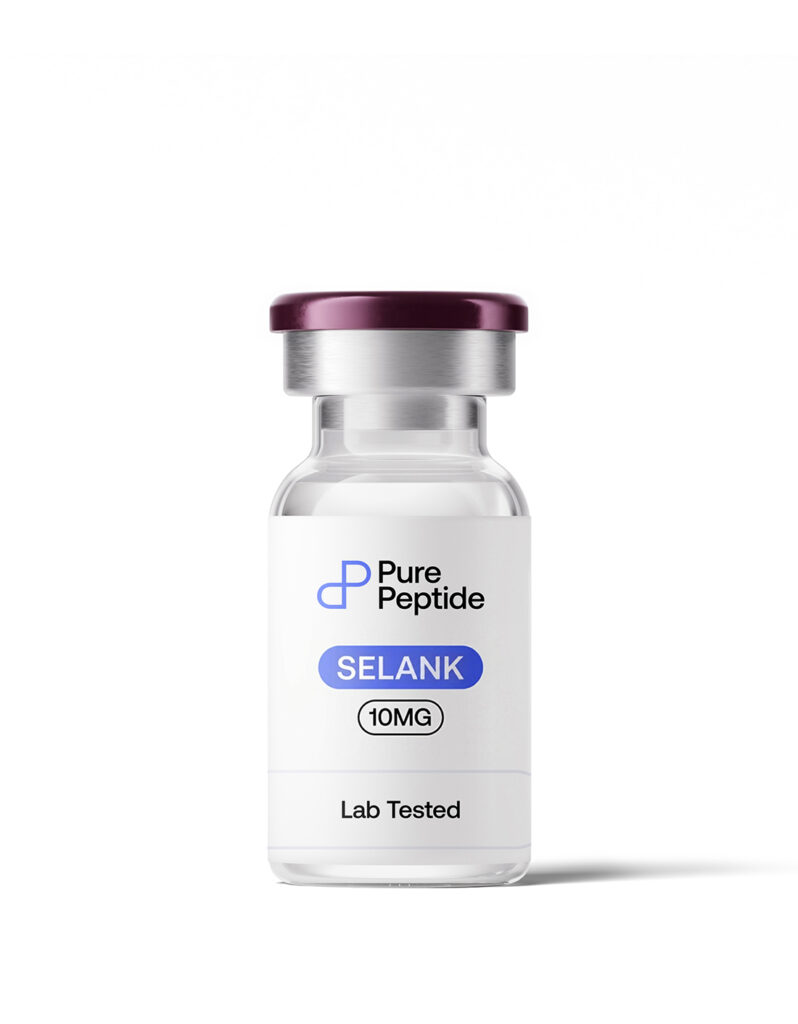
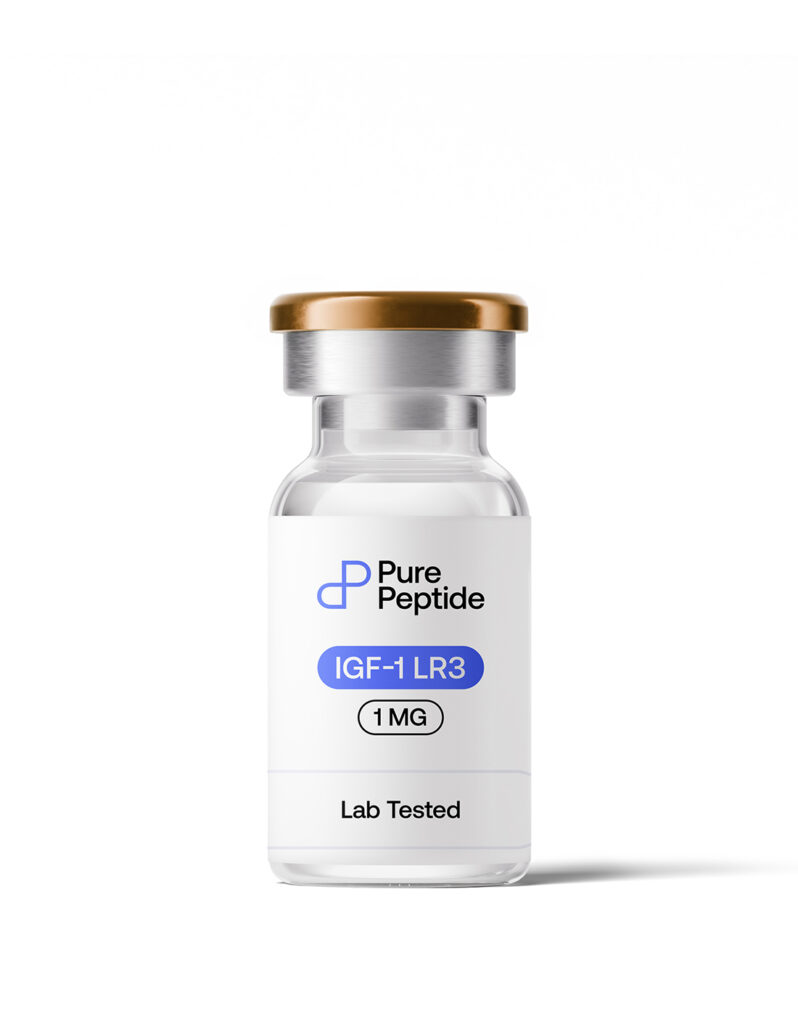
Pure Peptide products are backed by third-party lab certificates of analysis, and our formulations are documented at purity above 99% using advanced purification methods. We also supply the ancillaries that go with peptides: bacteriostatic water, syringes and alcohol pads. Having them together means you are not improvising with mismatched supplies at the point where cleanliness counts most. Our guide to peptide safety covers handling in more detail.
Which goals people pair with surgery recovery
People rarely think about surgery recovery in isolation. Depending on the procedure, they care about different outcomes.
- Tendon and ligament repairs. Reading on BPC-157 and tendon healing is relevant, as the loading rules after tendon surgery are strict and set by your surgeon or physiotherapist.
- Bone and fracture work. The perioperative research notes teriparatide and rhBMP-2 as agents with positive effects on fracture healing, but both are medical products used under clinical direction. Our page on peptides for bone healing explains what the research covers.
- Muscle loss during immobilization. If you are rebuilding strength after weeks of rest, see our guide to peptides for muscle once your surgeon clears you to train.
- Skin, scars and cosmetic procedures. GHK-Cu is the peptide most associated with this area, covered on our GHK-Cu page.
If your next question is how quickly people see changes, our page on BPC-157 results and timelines lays out what the studies report.
A sensible plan for the weeks around your operation
Here is the order that works for most people.
- Before surgery: tell your surgeon you are considering peptides and ask the questions listed above. Ask them to note your supplements and any peptide plans in your chart.
- Before ordering: read the certificate of analysis for the batch and confirm what is included in the order, including reconstitution supplies.
- After discharge: follow your written aftercare first. Wound care, medication schedule and activity limits come before anything else.
- At your first follow-up: confirm the incision is healing as expected and settle with your surgeon whether and when to begin.
- Once you start: keep a simple log of what you take, when, and how the site and your general health respond. Bring it to appointments.
- If anything looks wrong: stop and contact your surgeon, or use emergency care for severe symptoms.
This approach keeps the surgeon in charge of the clinical decisions and gives you a clean, documented routine.
Where Pure Peptide fits
When you are ready to look at supplies, our recovery peptides are the place to start, and our full range also covers muscle growth, anti-aging and the ancillaries that go with them. Each product is backed by a third-party certificate of analysis, and purity is documented above 99%.
Our perspective
Most people who ask us about peptides after surgery are disciplined. They have a rehab plan, they track their sleep and protein, and they want their recovery to go as well as it can. We think that discipline should extend to the supplies.
The questions we would put first are the ones the regulators put first: what is in the vial, who tested it, and has a clinician who knows your case seen your plan? That is why every Pure Peptide product is backed by a third-party lab certificate of analysis, and why our formulations are purified to above 99%. When your body is already working to repair tissue, quality is not a detail.
We also supply bacteriostatic water, syringes and alcohol pads, so your setup comes from one place and one standard. Read the certificate, talk to your surgeon, and build your routine around both. That is how we would want a friend to approach it.
Pure Peptide
FAQ
How long after surgery can I start peptides?
There is no standard waiting period, and it depends on your procedure, your wound and your medications. Ask your surgeon at your pre-operative visit or first follow-up, and follow their answer. Health Canada advises speaking to a health care provider if you use or plan to use peptides.
What peptides are discussed for healing after surgery?
BPC-157, TB-500, GHK-Cu, growth hormone secretagogues and IGF-1 analogs are the names that come up most often. Much of the published work is preclinical, so your surgeon is the right person to tell you what fits your case. Our best peptides guide compares them by goal.
What should I not combine with peptides?
Share your full medication and supplement list with your surgeon and pharmacist, especially blood thinners, diabetes medications and any prescription peptide drug. Health Canada notes that health products can interact with medications. Do not add anything new in the weeks after surgery without clearing it with your care team.
Are peptides legal in Canada?
Injectable peptides are classified as drugs under Canada’s Food and Drug Regulations, and Health Canada says they are generally regulated as prescription drugs used under the care of a licensed professional. Our page on peptide legality in Canada explains the DIN requirement. Check Health Canada’s alerts for the latest.
Does a lab certificate make a product safe?
A certificate of analysis documents the purity and identity of a batch, which is the right starting point for choosing supplies. Health Canada notes that safety also depends on manufacturing controls, storage and oversight, so combine a certificate with your clinician’s guidance.
Sources
- Peptides: Health risks, Health Canada
- Peptides: Regulations and enforcement, Health Canada
- Health Canada warns about unauthorized peptides, including contaminated injectable peptides, November 12, 2026
- Unauthorized injectable peptides and their potential serious health risks, College of Physicians & Surgeons of Alberta
- Peptide Drugs, CPSA Prescribing Companion, October 2026
- Emerging Peptide Therapies in Orthopaedics: Evidence, Safety and Perioperative Implications
- Peptide Plastic Surgeon: A Review of Evidence, Aesthetic Surgery Journal, January 2026
- Regeneration or Risk? A Narrative Review of BPC-157, PMC, 2025
- Injectable Therapeutic Peptides, Arthroscopy, 2024
- Semaglutide patient medication information, Health Canada, February 25, 2026