







Commonly reported IGF-1 LR3 protocols include low, moderate, or higher doses, as described in community forums, but exact microgram figures are anecdotal and not based on controlled human dose-finding trials. The single most important safety step at any dose is monitoring blood glucose for hypoglycaemia, ideally with clinician oversight before you start.
TL;DR:
- Get fasting glucose and HbA1c before considering use, then check glucose one to three hours after early injections and keep fast acting carbohydrates nearby.
- People with diabetes, recurrent hypoglycemia, pregnancy, adolescence, or a personal or strong family cancer history should avoid IGF-1 LR3 entirely.
- Anyone using insulin, sulfonylureas, or growth hormone needs endocrinologist supervision because combining these drugs with IGF-1 LR3 can compound hypoglycemia risk.
- Mixing a 1 mg vial with 2 mL of bacteriostatic water yields 500 mcg/mL, so 20 mcg measures four units on a U-100 syringe.
- After reconstitution, refrigerate the vial, do not freeze it, and discard the solution if it becomes cloudy, discolored, or contains visible particles.
Table of Contents
- Commonly reported dosing ranges and frequency
- How individual factors change the appropriate dose
- Reconstitution math and accurate measurement with insulin syringes
- Administration timing and sample protocol templates
- Cycle length, monitoring schedule and red flags to stop
- Risks, side effects and evidence limitations
- How Pure Peptide supports safer purchasing decisions
- Contraindications and who should avoid IGF-1 LR3
- Interaction potential with other peptides and supplements
- Storage conditions and shelf life after reconstitution
- Why harm reduction guides our approach to this topic
- Where to find documented IGF-1 LR3 products and COAs
- FAQ
- Sources
Commonly reported dosing ranges and frequency
Most of what circulates online about IGF-1 LR3 dosing traces back to bodybuilding forums and peptide community guides rather than peer-reviewed sources, which matters when you’re deciding where to start. The ranges below reflect what gets repeated most often, not a validated clinical scale.
- Starter range: a low daily dose often used initially to gauge tolerance.
- Standard range: a moderate daily dose most frequently cited in community protocols.
- Higher range: elevated daily doses reported mainly in more aggressive protocols with a correspondingly higher risk profile.
Frequency varies too. Some protocols call for a single daily injection, usually timed around training, while others split the total dose into two smaller injections to reduce the glucose swing any one dose might cause. Splitting the total dose into two equal injections is a common variation on the standard range rather than a separate tier.
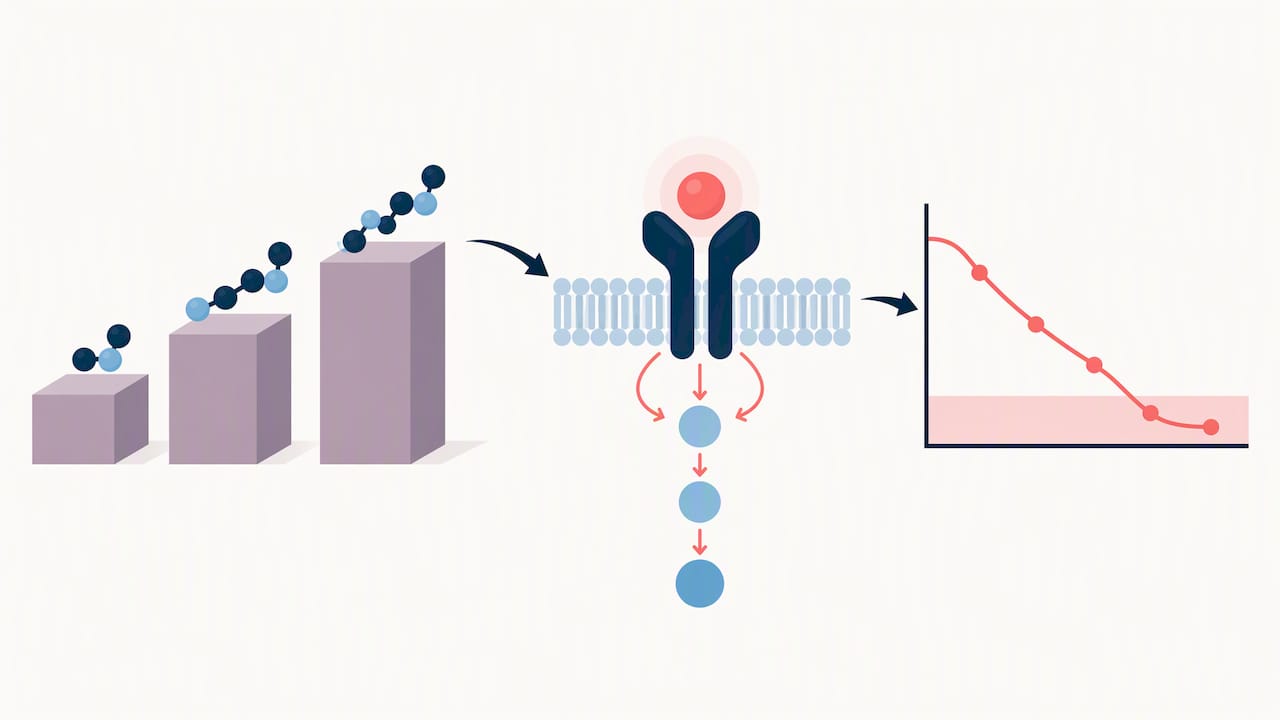
It helps to understand that labels like “beginner,” “intermediate,” and “advanced” dosing are protocol conventions invented by the community, not thresholds established through research. Nothing in the peer-reviewed literature defines 20 mcg as inherently safer than 50 mcg in a structured, validated way. The distinction is practical rather than clinical: lower doses give you a chance to observe how your body responds, particularly your blood sugar, before committing to a higher number.
Higher doses in the 80 to 100 mcg range carry more than a proportional increase in risk. Because IGF-1 LR3 has insulin-like activity, larger doses can provoke more pronounced and longer-lasting hypoglycaemia, and the systemic effects on tissue growth signalling scale with exposure as well. If you’re tempted to jump straight to the top of the reported range, the more cautious approach is to spend time at the starter and standard levels first and track how your glucose and energy respond before going further.
How individual factors change the appropriate dose
No single mcg figure fits everyone, because the variables that shape how your body processes IGF-1 LR3 differ from person to person. Clinicians who manage IGF-related therapies in other contexts weigh several factors before settling on an individualized approach.
- Body weight and composition: a leaner, lower-bodyweight person often experiences a stronger effect at the same mcg dose compared with someone heavier, simply because the dose represents a larger relative exposure.
- Insulin sensitivity: people who are already insulin-sensitive, including lean, well-trained individuals, tend to be more prone to hypoglycaemia at a given dose than those who are more insulin-resistant.
- Fasting glucose and HbA1c: these baseline numbers give you and any supervising clinician a starting point to judge whether your glucose handling can tolerate the insulin-like activity of IGF-1 LR3.
- Concurrent medications: anyone using insulin, sulfonylureas, or exogenous growth hormone needs a much lower starting point and closer supervision, because these combinations compound hypoglycaemia risk.
Clinical endocrinology resources point to glucose monitoring as a core safety practice whenever an IGF-related molecule is in use, because these molecules carry insulinic activity that can trigger hypoglycaemia in sensitive people. That single fact should shape how you think about dose selection more than any forum post.
A practical baseline check before any dosing decision is a fasting glucose and HbA1c test, which gives you a reference point to interpret anything unusual that happens once you start. If your baseline numbers are already borderline, that’s a signal to involve a clinician rather than self-titrate based on how other people describe their experience.
Reconstitution math and accurate measurement with insulin syringes
IGF-1 LR3 almost always ships as a freeze-dried powder in a 1 mg vial, so getting an accurate mcg dose depends entirely on how you reconstitute it and how precisely you read a syringe. Two dilutions cover most of what you’ll see in practice.
Mixing 1 mg of peptide with 1 mL of bacteriostatic water gives a concentration of 1,000 mcg per mL. Mixing the same 1 mg with 2 mL gives 500 mcg per mL, a gentler concentration that some people find easier to measure precisely on a standard U-100 insulin syringe, where 100 units equal 1 mL.
| Target dose | 1 mg + 1 mL (1,000 mcg/mL) | 1 mg + 2 mL (500 mcg/mL) |
|---|---|---|
| 20 mcg | 2 units | 4 units |
| 40–50 mcg | 4 units | 8 units |
| 50 mcg | 5 units | 10 units |
| 80 mcg | 8 units | 16 units |
| 100 mcg | 10 units | 20 units |
The 2 mL dilution tends to make low doses easier to draw accurately, since 20 mcg becomes 4 full units rather than 2, leaving more room for error-free measurement on a syringe where each tick represents a small volume. If your intended dose sits at the lower end of the reported range, choose whichever dilution turns your target into a syringe reading you can see and verify clearly, rather than trying to split hairs on a fraction of a single unit.
Pro Tip: Draw air into the vial equal to the water volume before adding bacteriostatic water, and always swirl rather than shake the vial to avoid denaturing the peptide.
Store the reconstituted vial according to the supplier’s instructions, typically refrigerated, and treat sterility as non-negotiable: swab the vial top and injection site with an alcohol pad every time, and never reuse a syringe.
Administration timing and sample protocol templates
Timing conventions in community protocols generally fall into three patterns: pre-workout, post-workout, and first thing in the morning. The rationale behind post-workout dosing is that muscle tissue is already in a receptive state after training, while morning dosing is chosen mainly for convenience and consistency rather than any documented pharmacological advantage.
A few protocol templates come up repeatedly in community discussions, and it’s worth treating them as illustrations of what’s commonly reported rather than as recommendations:
- Tolerance start: a low daily dose used for approximately one to two weeks to observe how your body, and specifically your blood sugar, responds before increasing.
- Standard protocol: a moderate daily dose typically used for several weeks before a break.
- Washout period: a rest period after a cycle commonly applied in protocols though the physiological rationale behind the exact length isn’t established in controlled human research.
Whatever template you’re considering, two practical habits reduce risk regardless of dose. First, avoid injecting before a long fasting window, since that’s when hypoglycaemia risk compounds fastest. Second, keep a fast-acting carbohydrate source on hand during the early days of any new dose, particularly the first few injections, when you’re still learning how your body reacts.
Cycle length, monitoring schedule and red flags to stop
The 4 to 6 week on-cycle pattern followed by a washout period shows up constantly in community protocols, but the rationale behind it is inferred rather than demonstrated in controlled human studies. Treat the pattern as a harm-reduction convention, not a proven necessity.
A monitoring routine matters more than the exact cycle length you choose:
- Baseline labs: fasting glucose and HbA1c before starting, so you have a reference point.
- Early post-dose checks: test glucose one to three hours after your first several injections to catch any hypoglycaemic trend early.
- Ongoing follow-up: repeat fasting glucose periodically through a cycle, and recheck HbA1c if the cycle runs the full 6 weeks.
- Watch for oedema or rapid weight gain, both of which can signal fluid retention linked to IGF-1 activity and warrant a pause.
A structured approach to hypoglycaemia risk includes baseline testing, post-dose glucose checks within one to three hours, and having carbohydrate on hand during early dosing, steps drawn from endocrinology guidance on IGF-related glucose effects.
Acute hypoglycaemia symptoms include shakiness, sweating, confusion, and rapid heartbeat. If these appear, take fast-acting carbohydrate immediately and stop dosing until you’ve confirmed your glucose has stabilized. Red flags that call for urgent medical assessment include loss of consciousness, persistent vomiting, severe oedema, or any sign of an allergic reaction. None of these are symptoms to manage on your own.
Risks, side effects and evidence limitations
The honest starting point here is that there are no controlled human dosing trials for IGF-1 LR3 in performance or muscle-building contexts. Searches of PubMed and PMC turn up animal and cell studies, but nothing that establishes a validated human dose-response relationship. Every mcg figure discussed in this guide, and everywhere else online, is extrapolated from that gap rather than confirmed within it.
What the preclinical literature does show is informative but incomplete. IGF variants signal through the PI3K/Akt/mTOR pathway, driving increased protein synthesis and satellite cell activation in animal and cell models, yet similar evidence for lasting human muscle hyperplasia from LR3 specifically is lacking. Because LR3 binds differently to IGF-binding proteins than natural IGF-1, its functional signalling persists longer in preclinical models, which means dosing errors may carry more lasting consequences than with shorter-lived peptides.
IGF signalling carries mitogenic potential, and animal studies have reported organ weight changes and tumour-related signals in some models, findings that support caution and clinician oversight.
Practical harm-reduction steps follow directly from these gaps:
- Get baseline fasting glucose and HbA1c before starting any protocol.
- Avoid use entirely if you have a personal or strong family history of cancer, given the mitogenic signalling concerns noted above.
- Prioritize clinician oversight, especially if you’re combining IGF-1 LR3 with insulin, sulfonylureas, or exogenous growth hormone.
For a deeper breakdown of specific side effects and warning signs, our IGF-1 LR3 side effects guide covers the checklist in more detail.
How Pure Peptide supports safer purchasing decisions
For readers researching IGF-1 LR3 specifically, our IGF-1 LR3 benefits and dosage guide walks through product documentation and reconstitution templates in more depth, and our review of what the evidence actually shows about IGF LR3 results separates anecdotal claims from what preclinical studies support. We built these resources to provide documentation and clarity around dosing decisions.
Contraindications and who should avoid IGF-1 LR3
Certain people face a clearly elevated risk profile with IGF-1 LR3 and should avoid it altogether or only proceed under direct medical supervision. Pregnant or breastfeeding individuals fall into this category, since IGF-1 activity affects growth and metabolic pathways in ways that haven’t been evaluated for safety during pregnancy or lactation.
Anyone with a personal or strong family history of cancer should also steer clear, given the mitogenic signalling concerns raised in preclinical IGF research, where animal models have shown organ weight changes and tumour-related signals. People with diabetes, whether type 1 or type 2, or anyone with a history of recurrent hypoglycaemia, face a materially higher risk because IGF-1 LR3’s insulin-like activity compounds whatever glucose instability already exists.
People with uncontrolled thyroid disorders or active cardiovascular disease should also check with a clinician first, since IGF-related signalling can interact with metabolic and cardiac function in ways that aren’t fully mapped in human studies. Adolescents and anyone still in a growth phase should avoid IGF-1 LR3 entirely, given its role in growth signalling pathways.
If you fall into any of these categories, the safer path is a direct conversation with a clinician before considering IGF-1 LR3 at all, rather than adjusting a community-reported dose downward and hoping that mitigates the underlying risk.
Interaction potential with other peptides and supplements
IGF-1 LR3 is frequently stacked with other peptides aimed at similar goals, and those combinations change the risk calculation in ways worth understanding before you combine anything. Growth hormone secretagogues like CJC-1295 or ipamorelin are commonly paired with IGF-1 LR3 because they work on complementary points in the growth hormone and IGF axis, but stacking compounds that influence the same metabolic pathways compounds the monitoring burden rather than simplifying it.
The most significant interaction concern involves anything that also affects blood glucose. Combining IGF-1 LR3 with exogenous insulin or insulin secretagogues substantially raises hypoglycaemia risk, because LR3 signals through the IGF-1 receptor and can cross-activate insulin pathways, and this combination specifically calls for endocrinologist input rather than self-management.
MGF, another peptide often discussed alongside IGF-1 LR3 for muscle growth goals, works through a related but distinct mechanism tied to muscle repair signalling, and stacking the two means tracking two sets of effects and side effect profiles simultaneously rather than one. If you’re considering any peptide stack involving IGF-1 LR3, the practical step is listing every compound and supplement you’re using, including over-the-counter supplements that affect blood sugar, and reviewing the full list with a clinician before adding anything new.
Storage conditions and shelf life after reconstitution
Before reconstitution, IGF-1 LR3 in its lyophilized powder form is comparatively stable when kept refrigerated and protected from light, and unopened vials generally hold their integrity for an extended period under those conditions. Once you reconstitute the powder with bacteriostatic water, the peptide becomes far more sensitive to degradation from heat, light, and time.
Refrigeration immediately after reconstitution is non-negotiable, and the vial should stay refrigerated between uses rather than sitting at room temperature. Most supplier guidance recommends using a reconstituted vial within a limited window, typically measured in weeks rather than months, to preserve potency. Avoid freezing a reconstituted vial, since the freeze-thaw cycle can damage the peptide structure, and never leave a reconstituted vial in a car, gym bag, or anywhere temperatures fluctuate.
Label your vial with the reconstitution date as soon as you mix it, since it’s easy to lose track of exactly when a vial was prepared once you’re a few weeks into a protocol. If a reconstituted solution appears cloudy, discoloured, or has any visible particulate, discard it rather than risk injecting a degraded or potentially contaminated product. Treat storage discipline as part of the same harm-reduction mindset that governs dosing and monitoring, since a degraded peptide won’t give you the dose you think you’re measuring.
Why harm reduction guides our approach to this topic
We take a conservative stance on IGF-1 LR3 dosing because the human evidence simply isn’t there yet: no controlled trials have established a validated dose-response relationship, which means every figure in circulation is an extrapolation from animal data and community experience. That gap is exactly why glucose monitoring, baseline labs, and clinician involvement matter more than finding the “right” mcg number. Choosing documented, high-purity products and verifying batch COAs can help reduce uncertainty in dosing decisions.
— Pure Peptide
Where to find documented IGF-1 LR3 products and COAs
If you’ve weighed the evidence here and want to move forward, the practical next step is reviewing documentation before you buy, not after. We publish batch-specific certificates of analysis for our peptide lines, and third-party verification practices like the ones outlined in Peppy&Me’s COA checklist are worth applying to any supplier you’re considering, including us.
Our product information and COA access page for IGF-1 LR3 lays out what documentation accompanies each batch. Review it alongside a conversation with a clinician before you commit to a protocol, and start from our full catalogue of research peptides if you’re also exploring options for recovery, muscle growth, or related goals.
This article is general information, not a substitute for advice from a qualified doctor. Consult a qualified healthcare professional about your own circumstances before acting on anything here.
FAQ
What is a typical starting dose for IGF-1 LR3?
Community protocols most often cite around 20 mcg daily as a starting point, used for about one to two weeks to observe tolerance before any increase. These figures come from anecdotal reports rather than controlled human trials, so starting low and monitoring your blood glucose matters more than hitting a specific number.
How do I measure a small mcg dose with an insulin syringe?
Reconstitute a 1 mg vial with 1 mL of bacteriostatic water for a 1,000 mcg/mL concentration, or with 2 mL for 500 mcg/mL, then convert your target mcg dose into syringe units based on that concentration. At 500 mcg/mL, a 20 mcg dose equals 4 units on a standard U-100 insulin syringe, which is easier to read precisely than smaller increments.
Is IGF-1 LR3 the same as HGH?
No, they work through related but distinct mechanisms within the growth hormone and IGF axis, and they aren’t interchangeable in terms of effects or dosing. IGF-1 LR3 acts further downstream of growth hormone itself, with its own risk profile, including hypoglycaemia concerns not typically associated with HGH in the same way.
How long is a typical IGF-1 LR3 cycle?
Commonly reported protocols run 4 to 6 weeks on, followed by a washout period of 4 or more weeks before restarting. This pattern is widely repeated in community guides, though the physiological rationale behind the exact timing hasn’t been established through controlled human research.
What’s the biggest safety concern with IGF-1 LR3?
Hypoglycaemia is the most immediate concern, since IGF-1 LR3 has insulin-like activity that can lower blood sugar, particularly at higher doses or when combined with insulin or other glucose-lowering medications. Baseline glucose testing and monitoring in the hours after each dose are the key safety steps recommended by clinical endocrinology resources.